
ASEAN Analysis & Commentary
Every analysis published on ASEAN Rising is sourced, datestamped and signed. We're more interested in being right in 12 months than first in 12 minutes.
Foundation pieces
Start here. The three pieces below set out the lens ASEAN Rising uses to read every story.
ASEAN Rising's core lens. Execution Economics is the study of whether countries, companies and institutions can convert obvious potential into delivered outcomes - and which six pillars decide the answer.
The region has capital, demographics, location and policy ambition. None of that has ever been the binding constraint. The next decade is an execution test, not a potential test - and it is already being scored.
Malaysia is the test case for whether ASEAN's middle powers can turn FDI, semiconductors and data centres into compounding domestic capability. Read the live coverage and execution scorecard.
Analysis tagged #talent

 Thailand
's FDI Climate and the Challenge of Execution
Thailand is a resilient, upper-middle income economy. But its FDI performance is hampered by execution bottlenecks.
 Malaysia
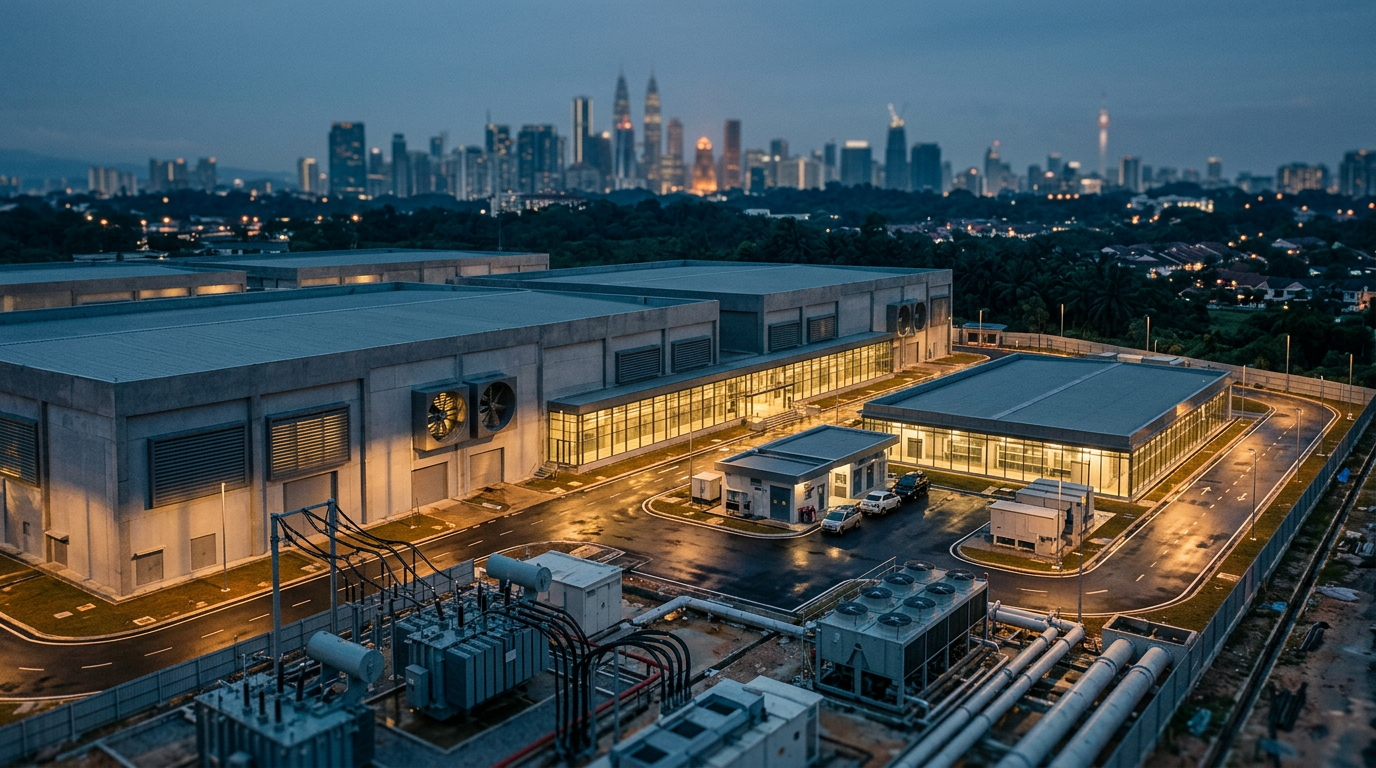
's Data Centre Boom Tests Its Foundations
Malaysia is attracting record FDI in data centres. Execution on land, power, and talent will determine if this translates into sustained growth.
 Malaysia
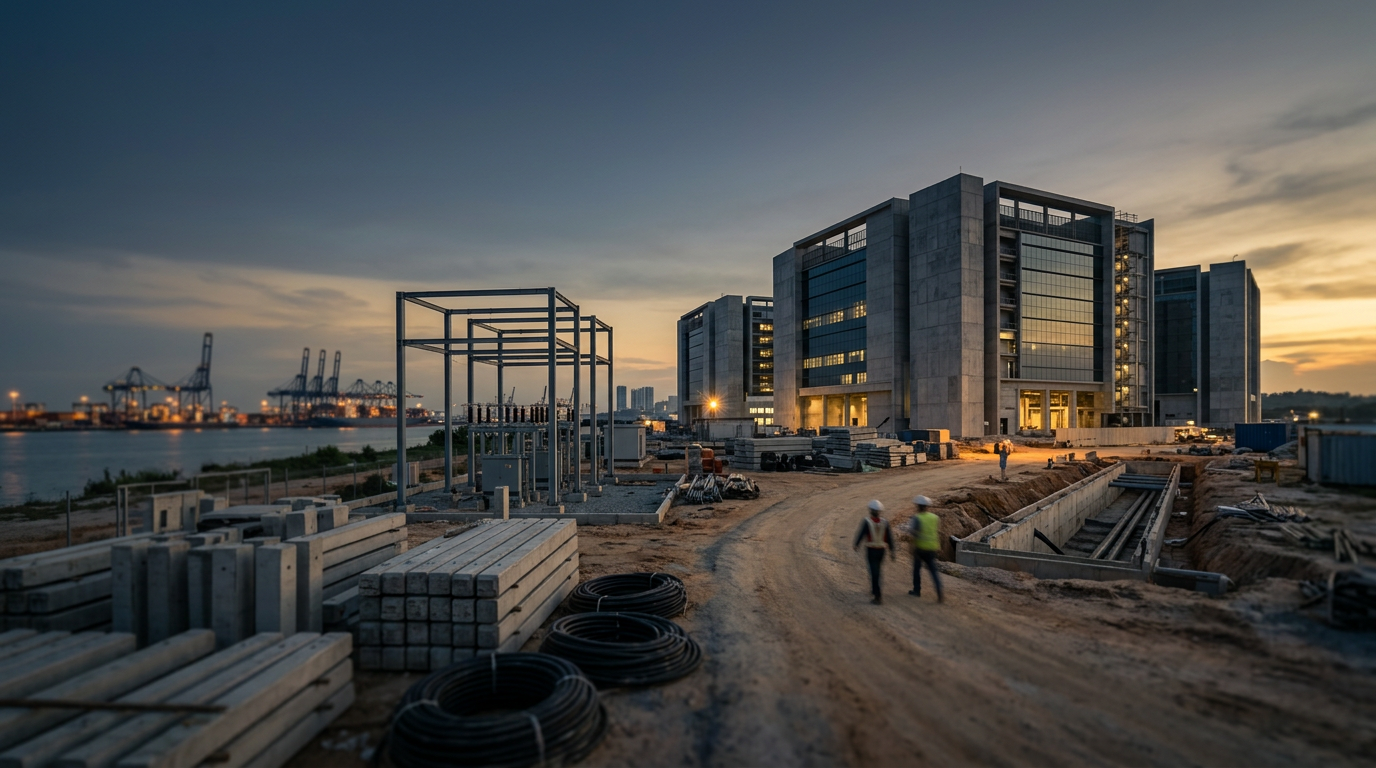
's Data Centre Boom Tests Its Foundations
Malaysia's data centre boom is attracting significant foreign investment. But growth depends on the slower work of land, permits, power and talent.

 Indonesia
 and the test of FDI realisation
FDI announcements travel quickly. Realised flows depend on the slower work of land, permits, power and talent reaching the ground.
 Vietnam
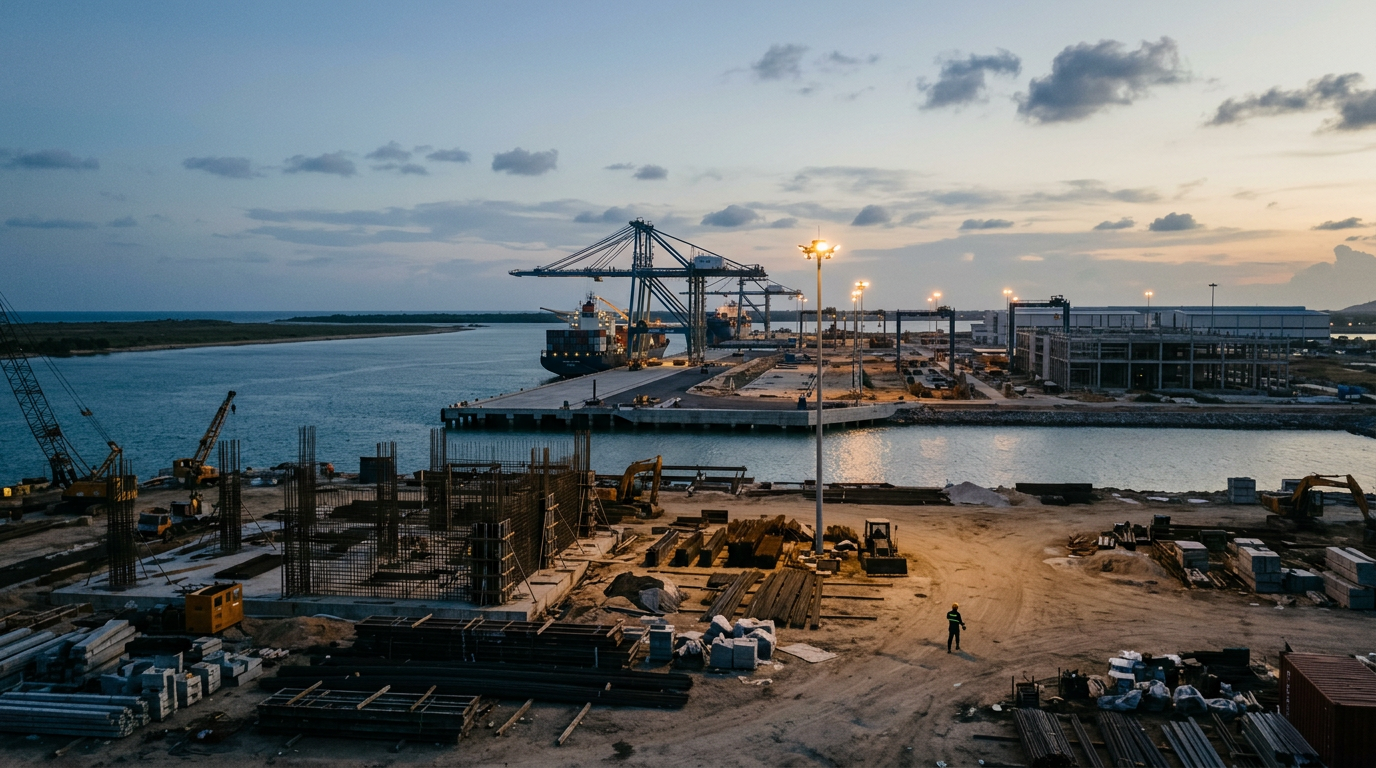
The Hard Work of ASEAN Biodiversity
High-level statements on biodiversity are easy. The execution is not. ASEAN needs more than summits to protect its natural capital.

 Singapore
Beyond the Deal: FDI and the Hard Work of Building
FDI pledges are only the first step. The real measure of success is turning those announcements into tangible assets through the slower work of improving institutions and developing talent.
 Vietnam
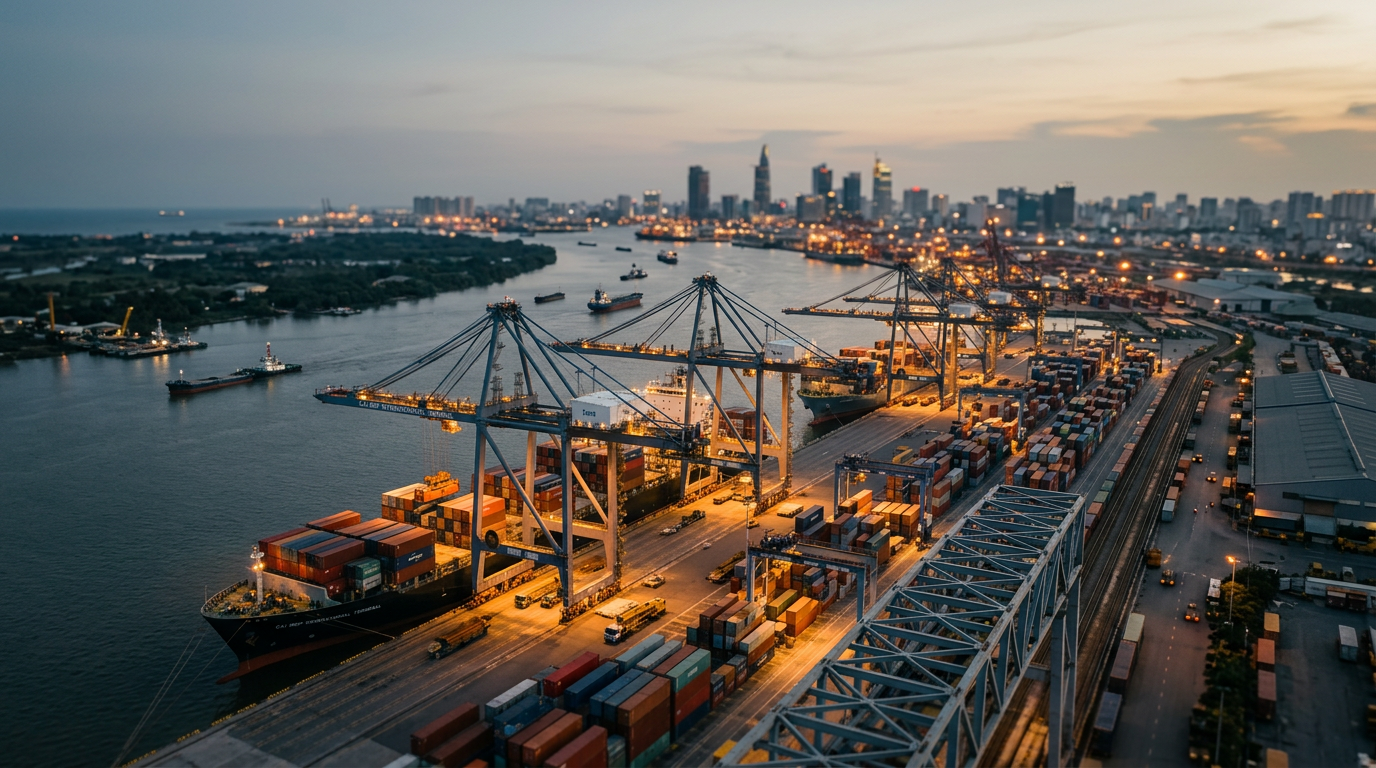
Beyond the Headlines: Translating Vietnam's Wealth Growth into FDI
Vietnam's fast-growing cohort of ultra-rich individuals is a positive signal, but sustained foreign direct investment will depend on the country's ability to build out its institutional and physical infrastructure.
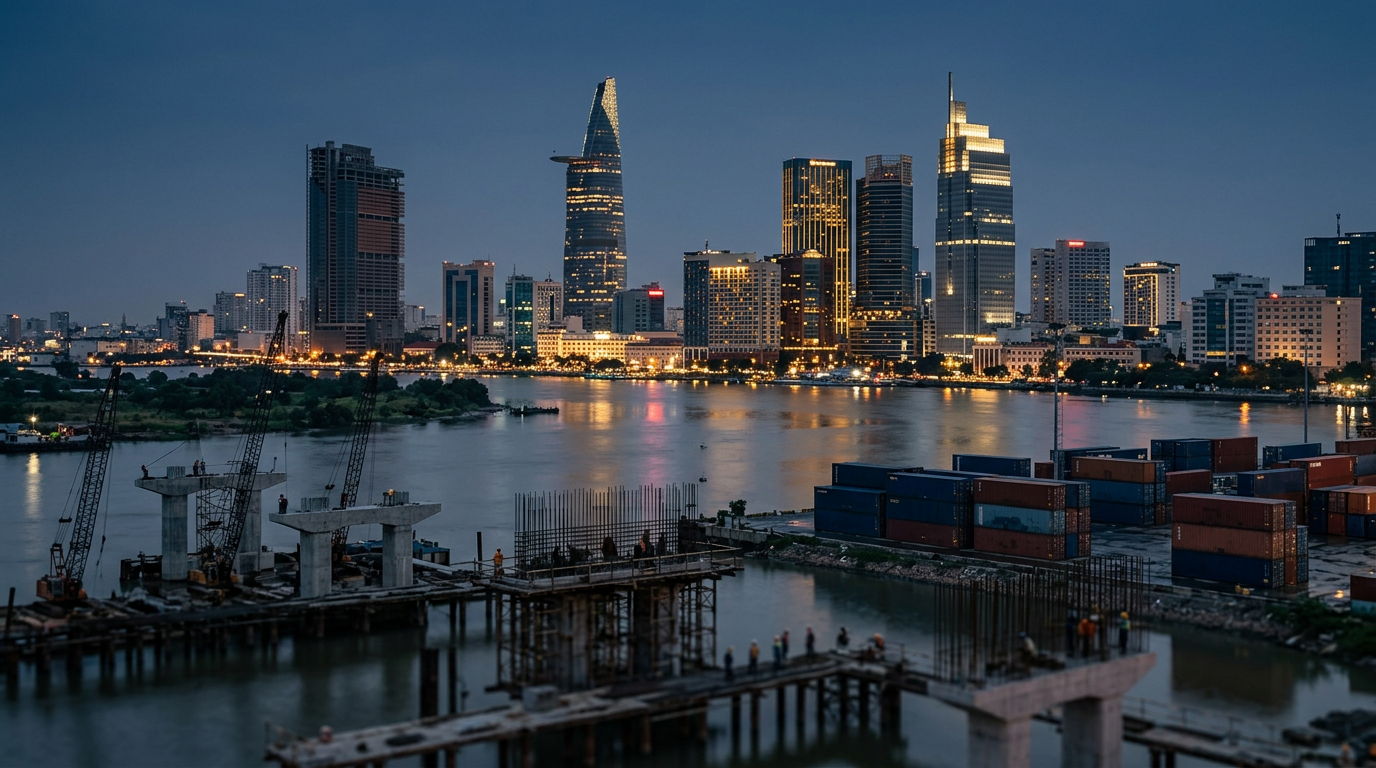 Vietnam
's Growing Wealth and the Test of Institutions
A rising count of ultra-rich individuals in Vietnam is a positive signal, but the country's next phase of growth depends on translating this wealth into broad-based economic capacity.
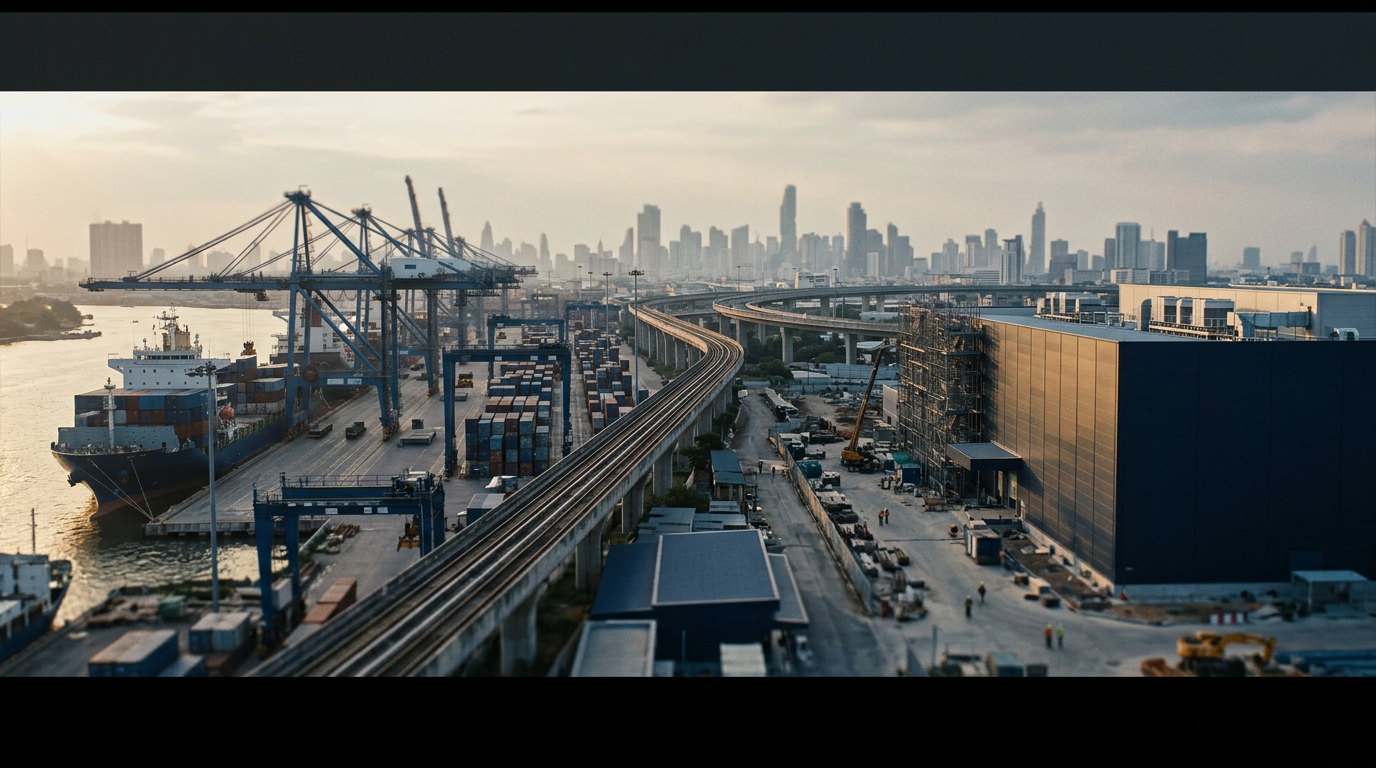 Thailand
's Semiconductor Ambitions Test ASEAN's FDI Execution Gap
Announced foreign direct investment is one thing; realised investment is another. Thailand's push to become a semiconductor hub shows how turning promises into projects requires deep institutional capacity.
 Vietnam
's Tech Ambitions Test Its Talent and Infrastructure
Vietnam is attracting significant interest from technology investors. However, turning this interest into realised investment will depend on developing a skilled workforce and improving infrastructure.

 Philippines
Philippine Tourism: From Accolades to Assets
An award for a major hotel group is a positive signal. But converting tourism acclaim into durable economic growth requires a focus on institutions, infrastructure, and execution.
 Vietnam
's High-Tech FDI Ambitions Meet a Talent Bottleneck
FDI announcements travel quickly. Realised flows depend on the slower work of land, permits, power and talent reaching the ground. For Vietnam, the talent gap is now the primary constraint on its high-tech ambitions.
 Thailand
: Ambition and Execution in the Semiconductor Race
FDI announcements are one thing. Execution is another. Thailand's bid to become a semiconductor hub will depend on its ability to build the infrastructure and talent to support the investment.
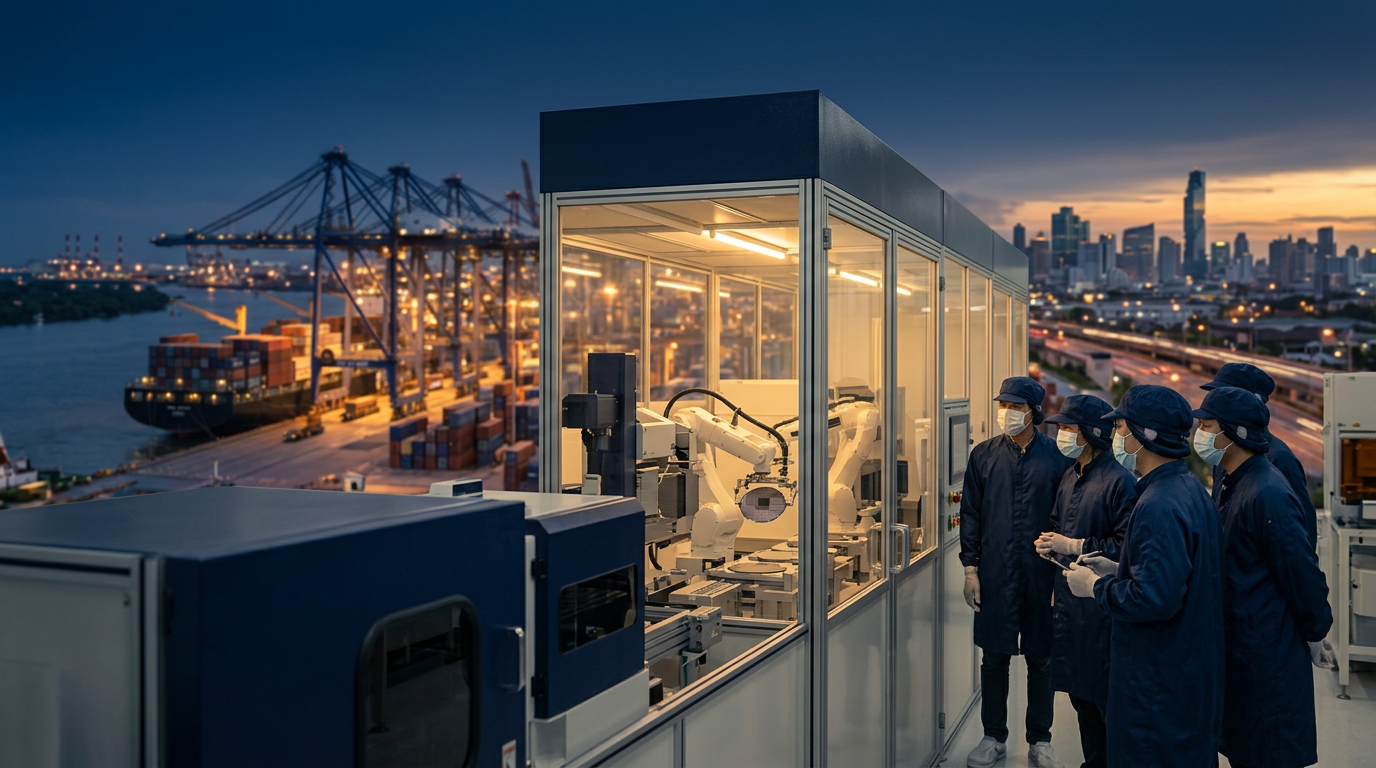 Thailand
: Beyond the FDI Announcement
Thailand is making a serious bid to become a regional semiconductor hub, but the real work begins after the press releases. Scale matters only when institutions can turn it into investable depth.
 Thailand
: Beyond the FDI Announcement
FDI headlines are easy. Execution on industrial policy is harder. Thailand's semiconductor ambitions depend on getting the details right.
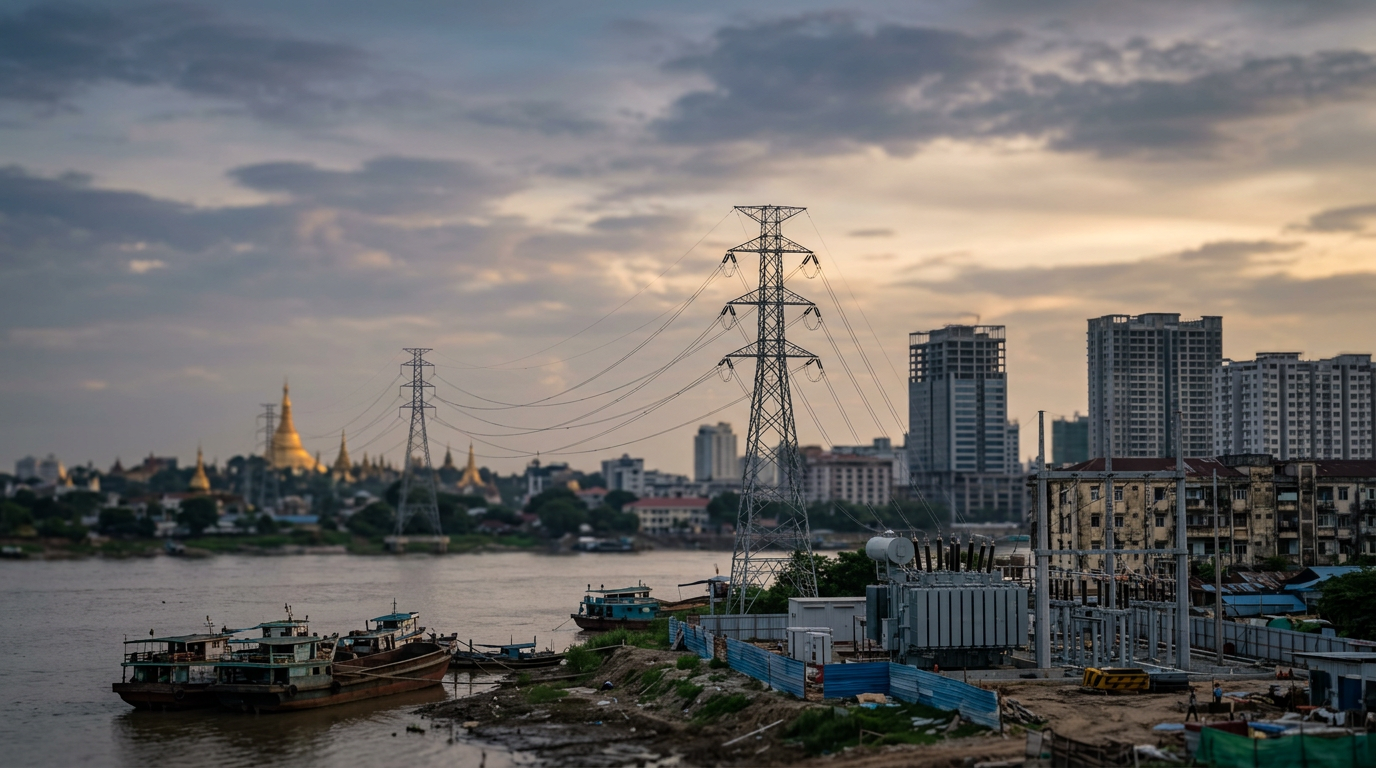
 Myanmar
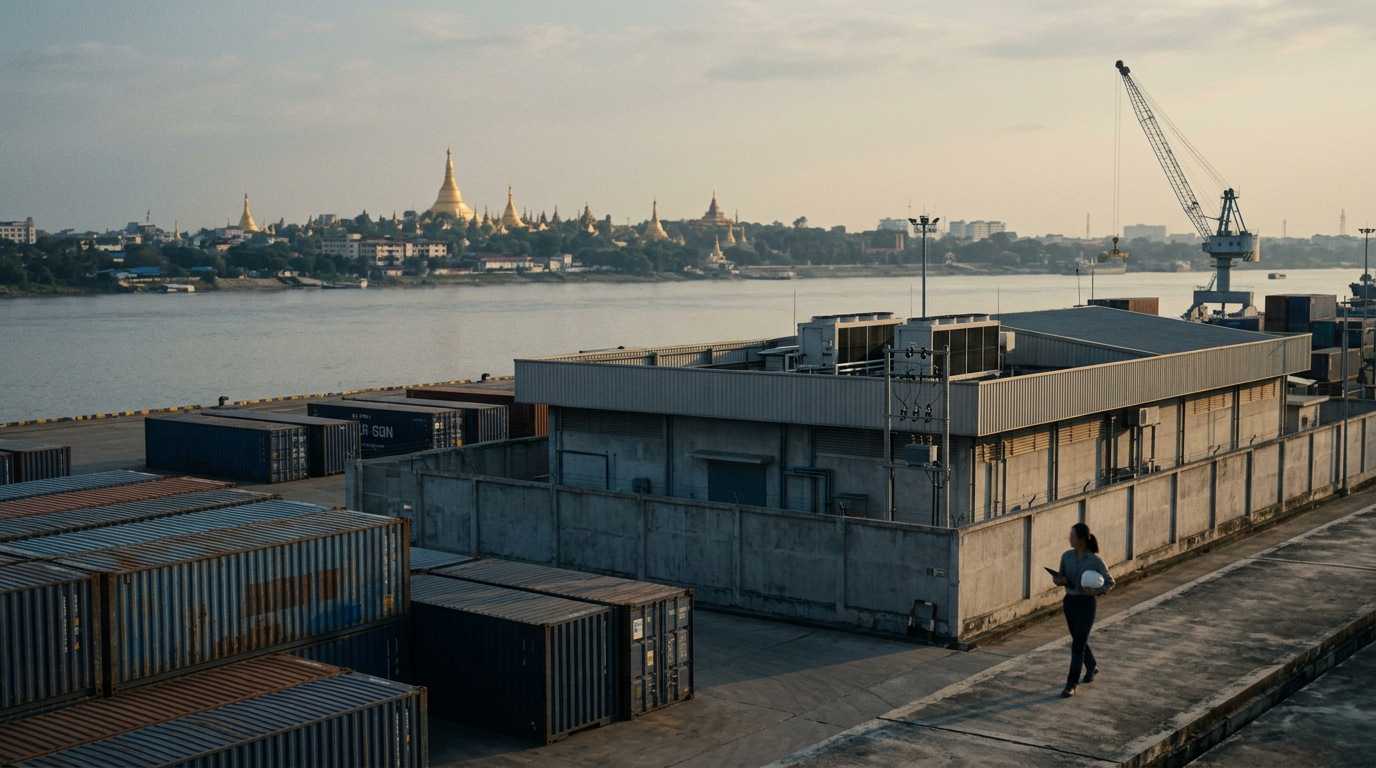
State Capacity and the Data Center
New power architectures for data centers are a reminder that institutional reliability has become part of comparative advantage. A usable state is often more valuable than an exciting one.
ThailandThailand's Floods and the Infrastructure of Trust
The social media response to Bangkok's recent floods highlights a deeper issue: the growing gap between digital self-help and the reliability of public infrastructure.
 Myanmar
State Capacity and the Future of ASEAN Data Centers
As global technology firms deepen their investment in ASEAN data center infrastructure, the region's long-term competitive advantage will be determined by state capacity and institutional reliability, not just by announcements of new projects.
 Thailand
's Industrial Push Tests Its Execution Capacity
Thailand is fast-tracking regulatory approval for $3.66 billion in strategic industrial investment, a move that tests its institutional capacity to turn announcements into realised projects.
 Singapore
, AI, and the FDI Test
Singapore's factory output jump in August, driven by AI demand, is a positive signal. Yet, the work of turning foreign direct investment announcements into long-term economic capacity is just beginning.
 Vietnam
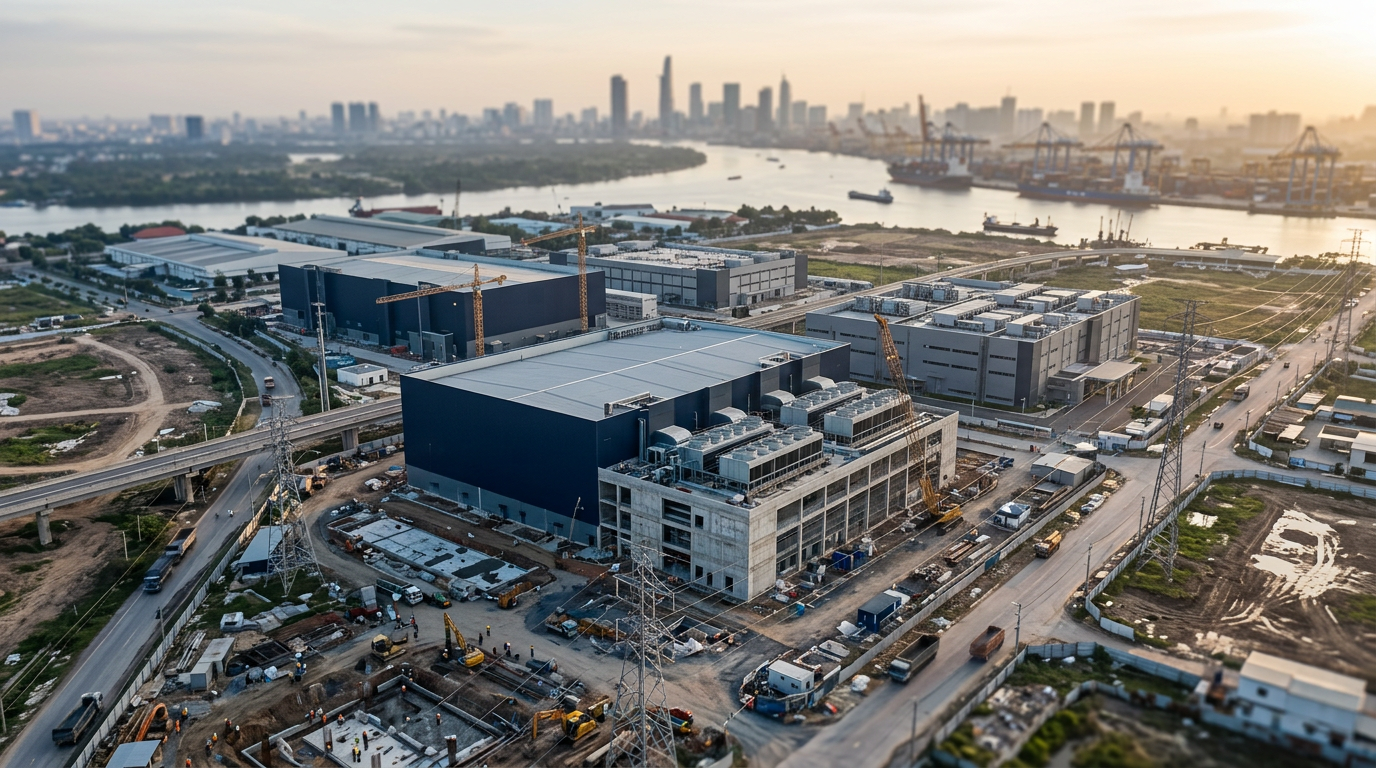
Data Centers Test Vietnam's Investment Framework
Vietnam's digital economy is attracting investor interest in hyperscale data centers. The test is whether institutions can deliver the power, land, and talent needed to realize these multi-billion dollar projects.
 Singapore
The Hard Work of Turning Announcements Into Assets
Announced foreign investment is not the same as realised investment on the ground. The recent expansion of Singapore's population to support major construction projects highlights the execution capacity required to turn capital into infrastructure.
 Singapore
Sovereign AI in ASEAN is about more than models
The race for sovereign AI in ASEAN will be decided by who controls the compute, the data, and the digital identity systems that underpin the economy.
 Philippines
The EV Transition and ASEAN's Industrial Policy
The electric vehicle transition is not just a climate story, it is an industrial policy story. For ASEAN, it brings to the fore questions of capital allocation, supply chain management, and long-term institutional capacity.
 Singapore
ASEAN's AI race is not just about models
A new AI-powered recruitment platform from Jobstreet by SEEK is the latest example of how the AI race in ASEAN is not about flashy model launches. The real competition is for the underlying compute, data, and digital identity systems that power the region's economy.
 Thailand
: Beyond the EV Policy Push
Thailand's electric vehicle subsidies are a start, but winning the next phase of automotive investment depends on the slower work of building a durable, high-skill ecosystem.
 Thailand
: Beyond the Auto Showroom
Thailand's ambitions in the electric vehicle sector depend on moving from foreign direct investment announcements to realised flows on the ground.
 Singapore
's Talent Infusion Highlights a Regional Test
Singapore's reliance on foreign talent for key infrastructure projects illustrates a core ASEAN challenge: converting capital into assets requires a flexible, skilled workforce. While Singapore navigates this with policy, its neighbours face a tougher road.
 Malaysia
Thailand: FDI Flows Depend on More Than Just Intent
Foreign investment intentions are one thing; realised investment is another. HSBC's focus on the Thailand-Japan corridor highlights the enduring appeal of Thailand, but also the institutional work needed to convert investor interest into tangible projects.
 Thailand
's $80bn Semiconductor Ambition
Thailand aims to attract $80 billion in semiconductor investment by 2050. Success will depend on the slow work of improving institutions, infrastructure, and talent.
 Vietnam
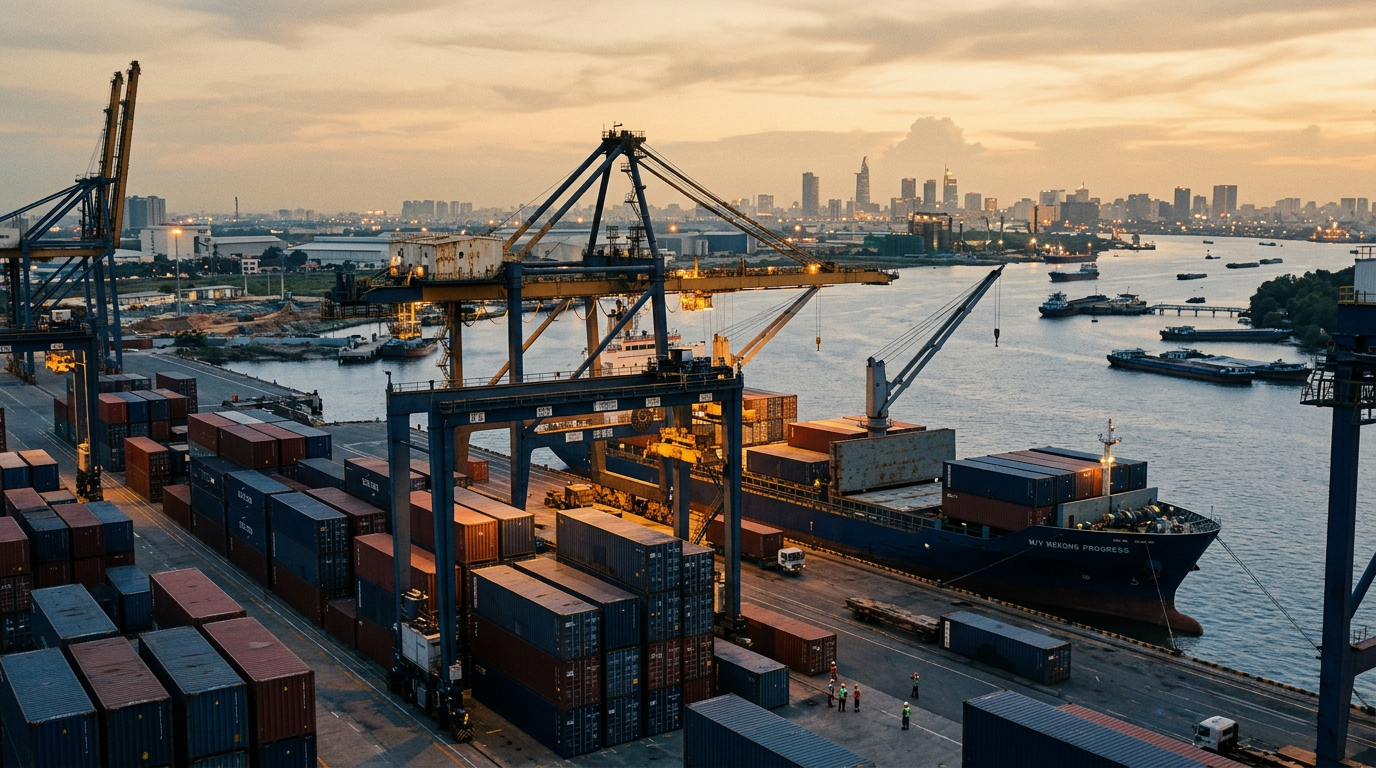
's FDI Boom Puts Institutions to the Test
Vietnam's impressive foreign direct investment inflows are a positive indicator, but the real work lies in developing the institutional capacity to translate announcements into realised, productive capital.
 Indonesia
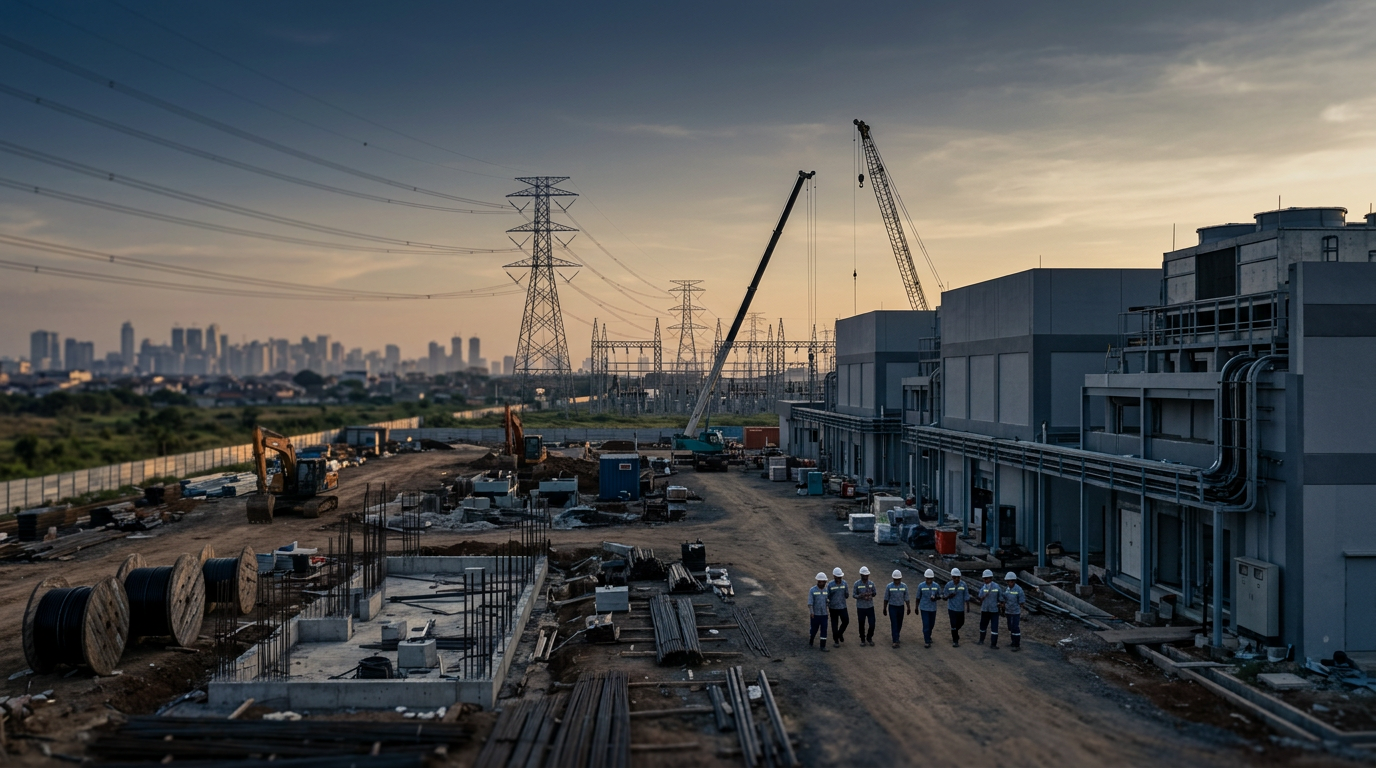
's AI Ambition Meets the Infrastructure Test
Foreign direct investment in data centers is flowing into Indonesia, drawn by the promise of a massive digital market. But turning these announcements into operational assets depends on the slower, harder work of securing land, power, and talent.
 Philippines
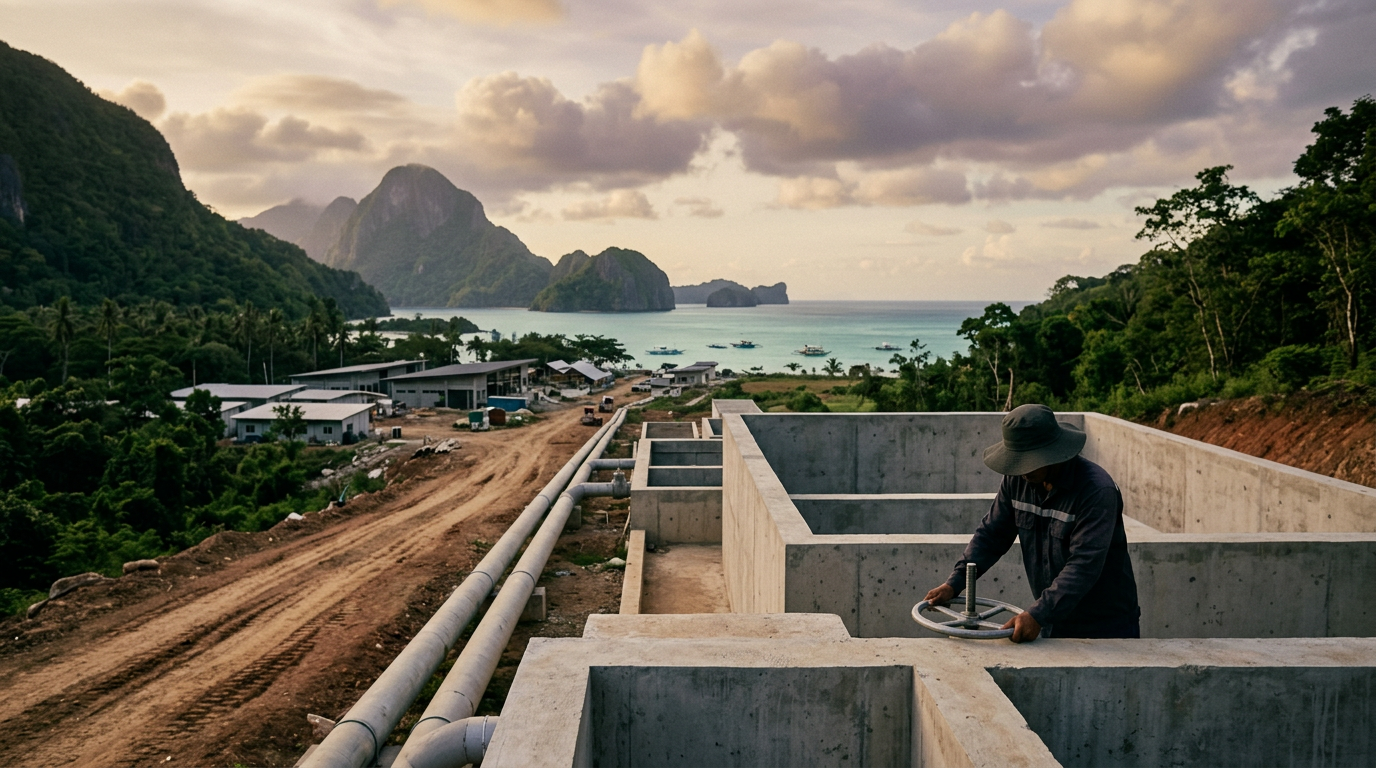
The Quiet Execution of Philippine Infrastructure
Ayala Land's reinforcement of water infrastructure in its Lio Estate is a small but telling signal of a larger trend. Infrastructure that arrives on time signals more than infrastructure that is merely announced.

ASEAN FDI: Beyond the Headlines
Announced foreign direct investment into ASEAN is at record levels. Realised investment depends on the slower work of improving institutions, infrastructure, and talent.
 Thailand
's Healthcare Hub Ambition: Beyond the Headlines
Besins Healthcare Thailand's recent initiative highlights the country's aspiration to become a regional healthcare hub. Yet, attracting investment is only the first step. Turning that into lasting infrastructure and talent requires a deeper focus on institutional execution.
 Indonesia
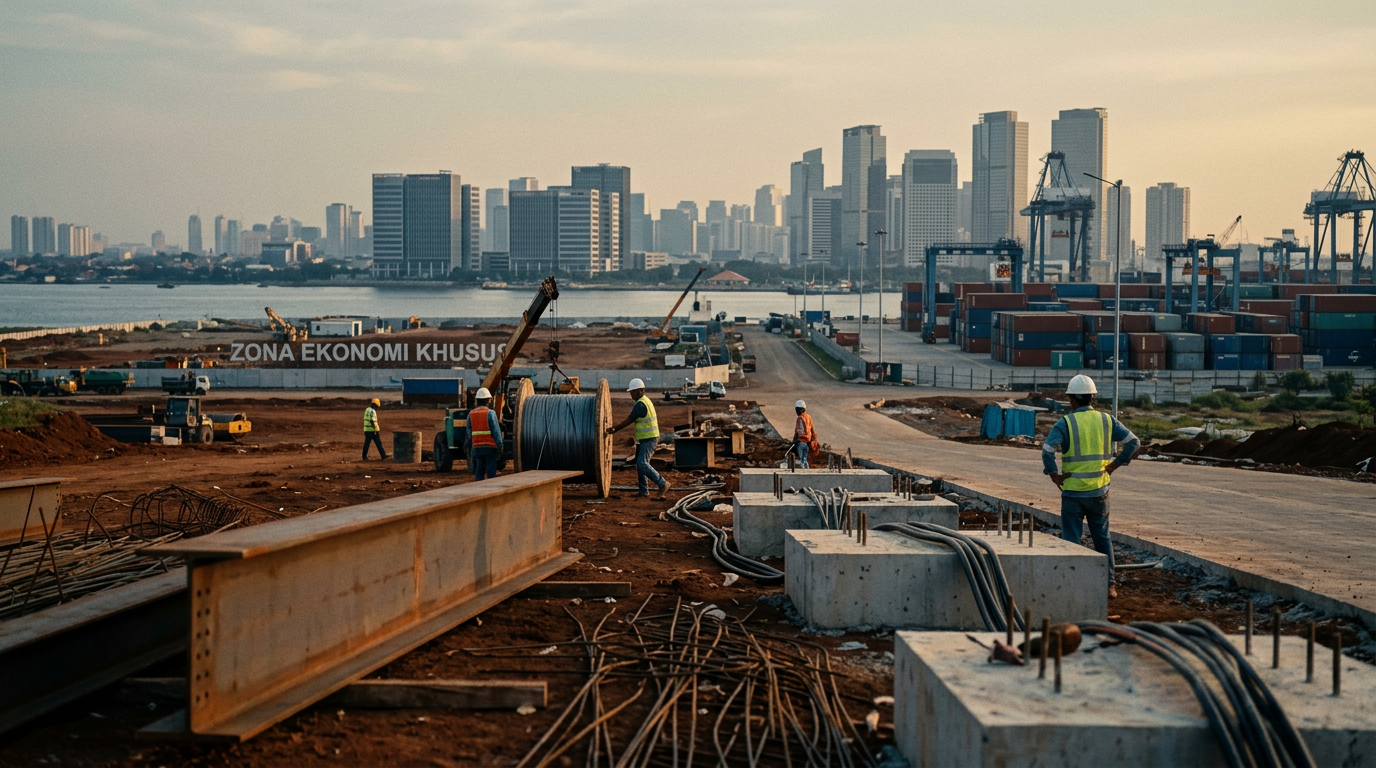
Announcements are not arrivals: Translating FDI interest into realised investment in Indonesia
FDI announcements travel quickly. Realised flows depend on the slower work of land, permits, power and talent reaching the ground.
 Singapore
's Precision Medicine Push Tests Its Institutional Strength
Singapore's advance into precision medicine is not just a healthcare story. It is a test of the country's core institutional capacity to deliver on complex, long-term initiatives.
 Malaysia
Thailand
Foreign direct investment announcements travel quickly. Realised
 Vietnam
's Digital Banking Push Needs Institutional Depth
Vietnam's digital banking sector is drawing attention and awards. But turning this buzz into durable economic advantages requires a deeper focus on the institutions that govern talent, capital, and infrastructure.
 Philippines
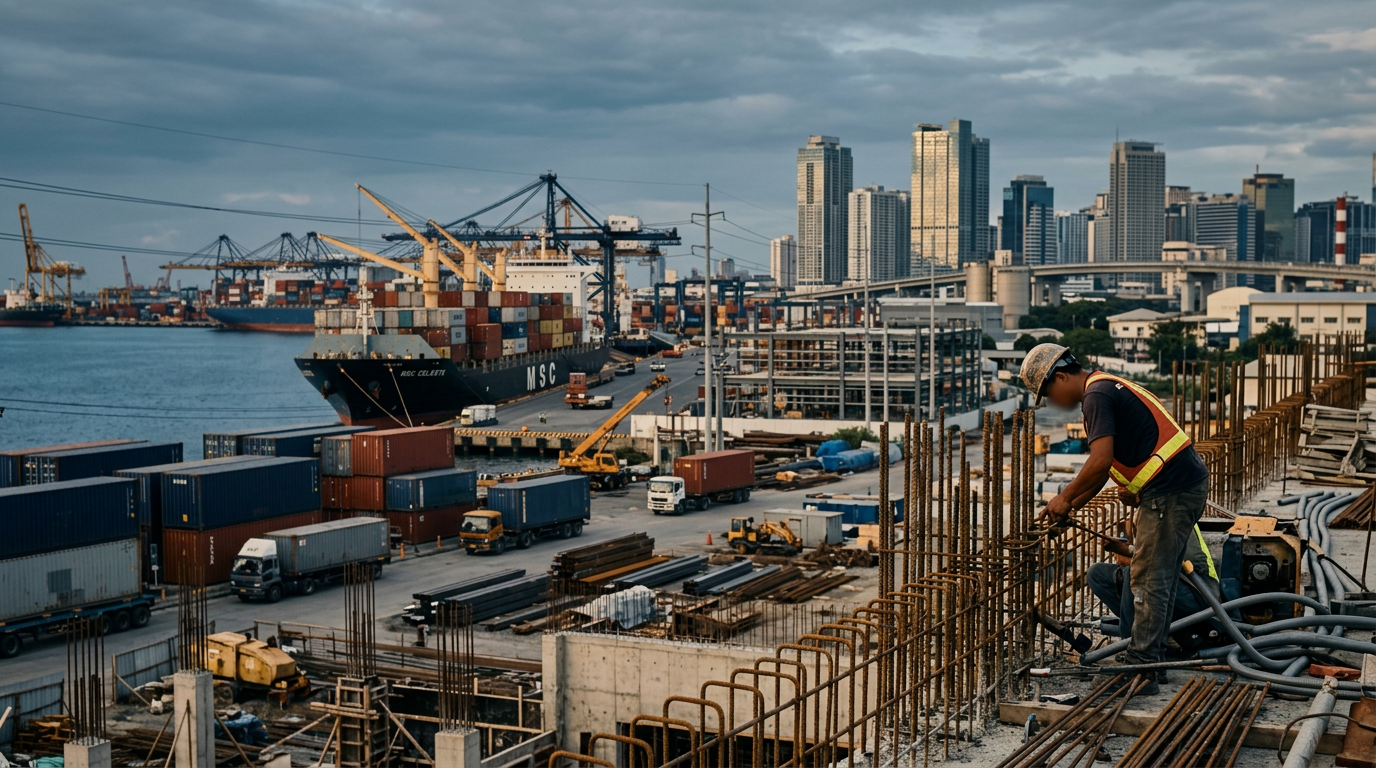
The Philippines: FDI Flows Follow Execution, Not Just Announcements
Net inflow of foreign direct investments in the Philippines fell in the first half of the year. For capital to be realised, it must be met with land, permits, power, and talent on the ground.
 Singapore
A new AI-powered portal for business support signals a deeper
 Malaysia
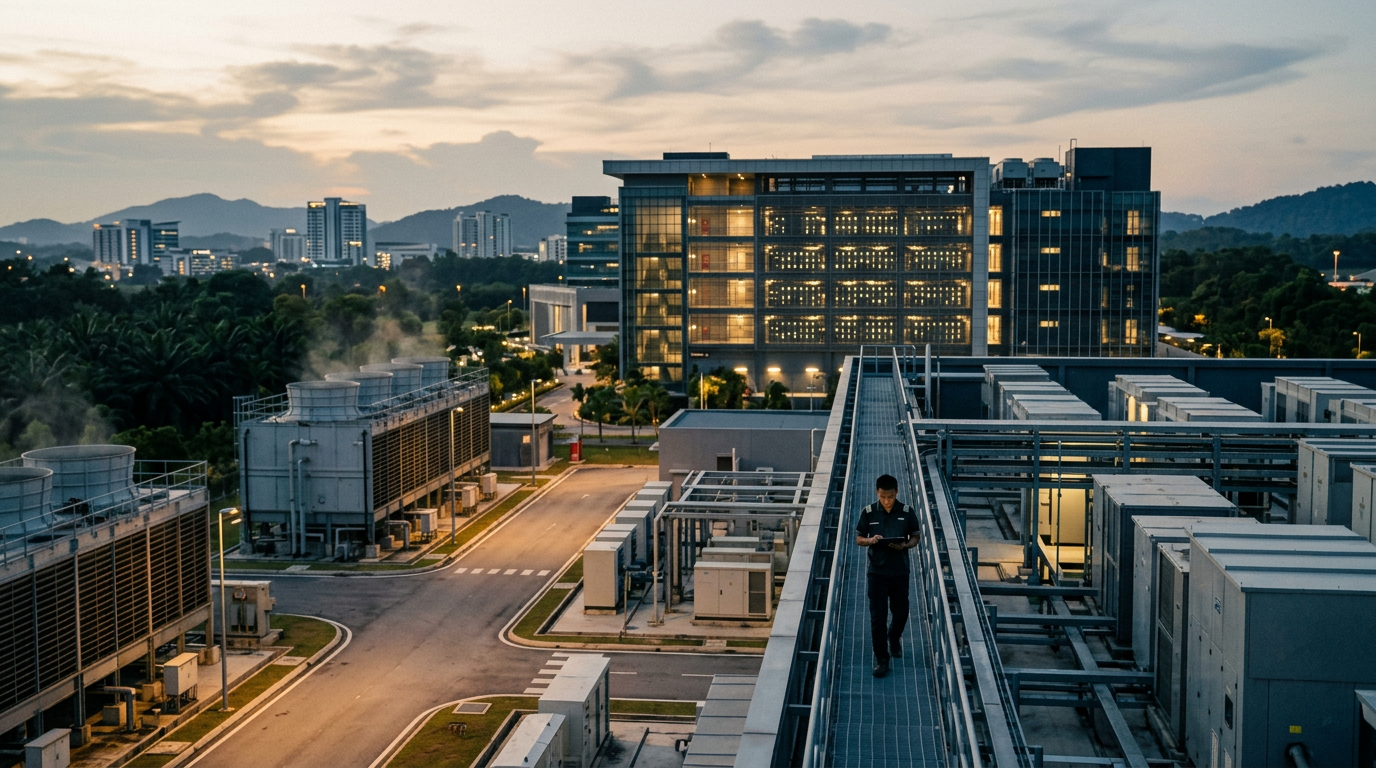
 Races Ahead in the Global AI Race
A new deal by an Nvidia-backed firm with OpenAI for data centre capacity in Malaysia highlights the country's growing appeal for high-tech investment, but the harder work of implementation will determine the long-term outcome.

 Cambodia
The EU, ASEAN, and the Quiet Work of Building Institutions
The EU has a new ambassador to ASEAN, while the bloc's own new Secretary-General settles in. It is a moment to remember that institutions are not merely about high-level declarations, but about the slow, difficult work of building state capacity and reducing the friction that.
 Thailand
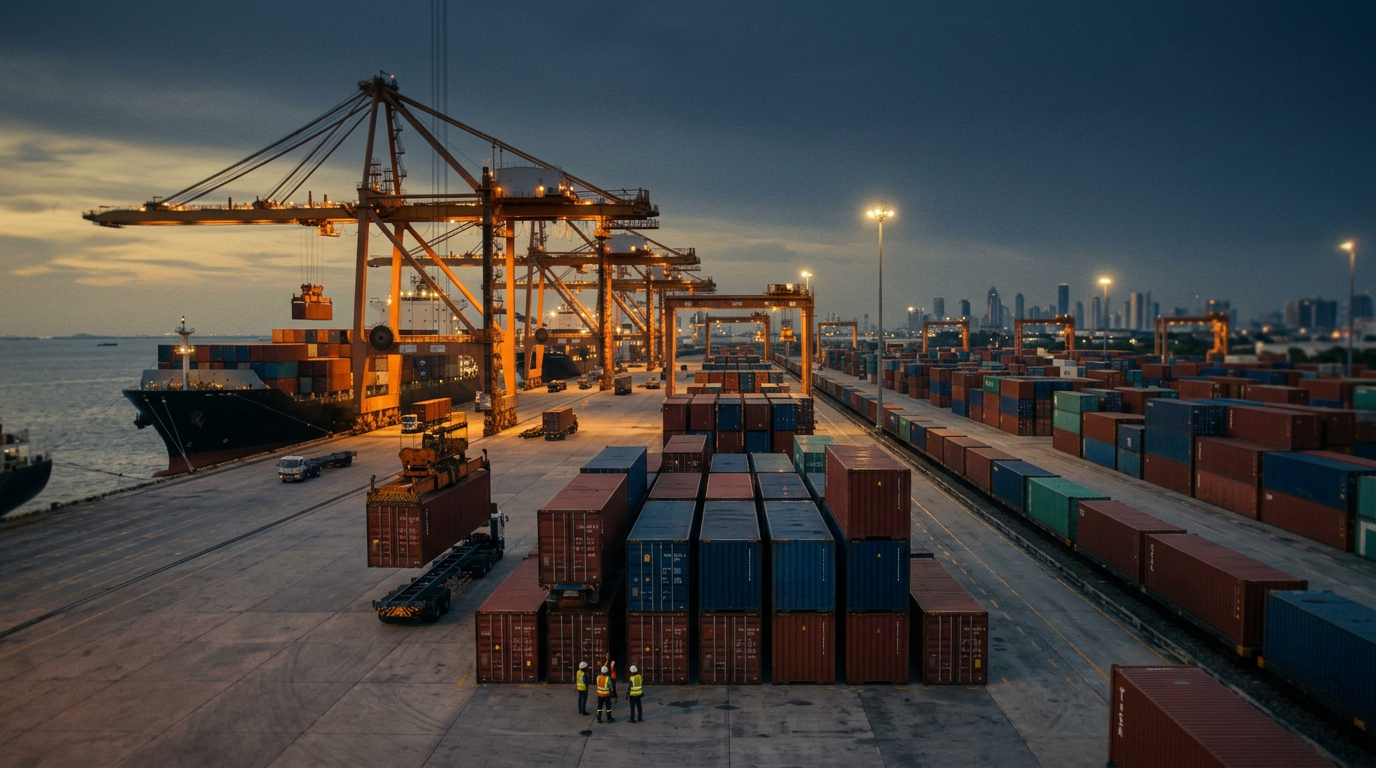
: New Listing Rules Are No Substitute for FDI Fundamentals
Thailand's Stock Exchange of Thailand (SET) has changed its rules to attract more foreign listings. But new rules alone do not guarantee new investment. Execution on the ground remains the primary task.
 Vietnam
Samsung's Vietnam Profits Highlight the FDI-to-Growth Pipeline
A surge in profitability at Samsung's Vietnam plants highlights the difference between announced and realised FDI. The lesson is not about any single country, but about the institutional capacity required to convert investment promises into economic reality, a core theme of.
 Singapore
, UMC, and the Value of a Usable State
UMC's $6.4 billion semiconductor fabrication plant in Singapore is a testament to the country's institutional reliability and its ability to deliver on infrastructure promises, which are key to attracting high-value, long-term investments.
 Singapore
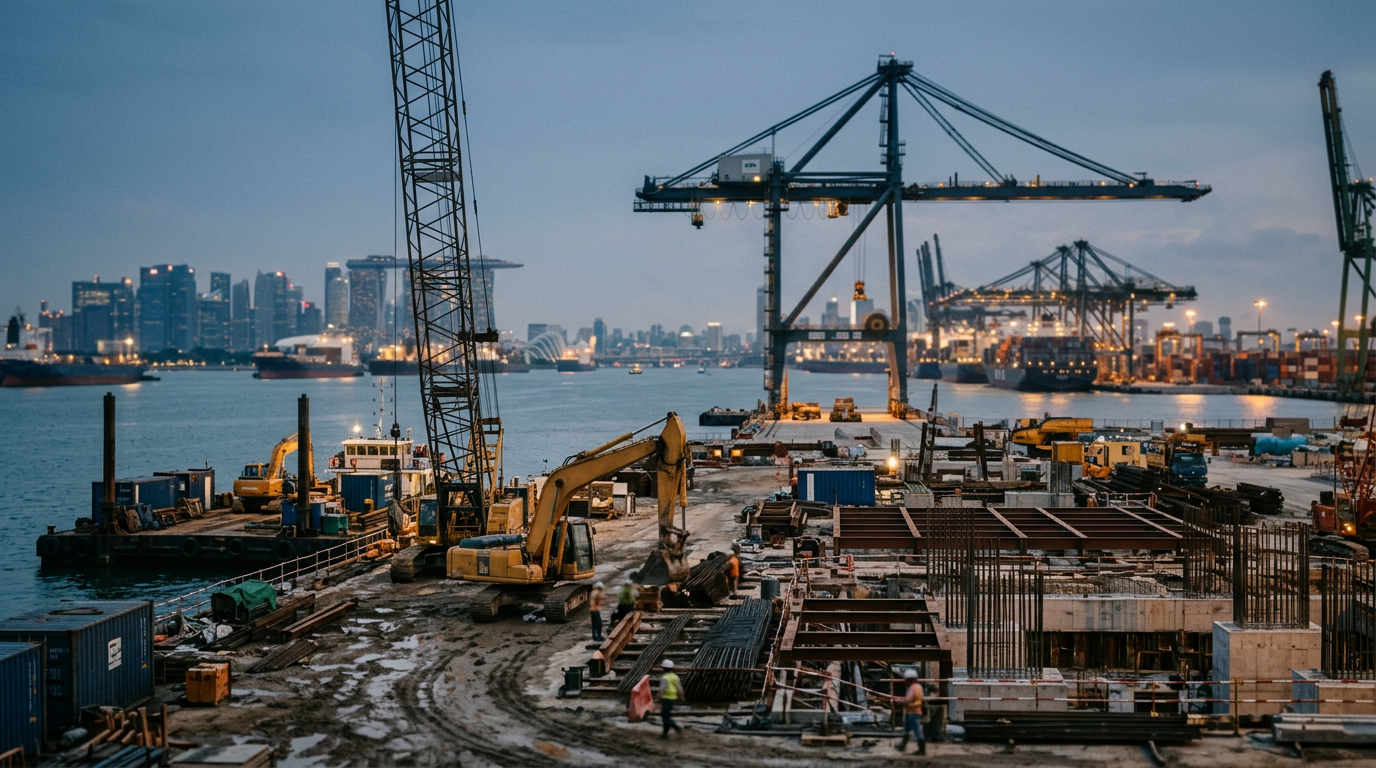
's Mega-Projects Need More Than Ambition
Singapore's ambitious new infrastructure projects are making headlines, but their success will depend on the hard work of execution, not just vision. The real test is turning announcements into realised investment.
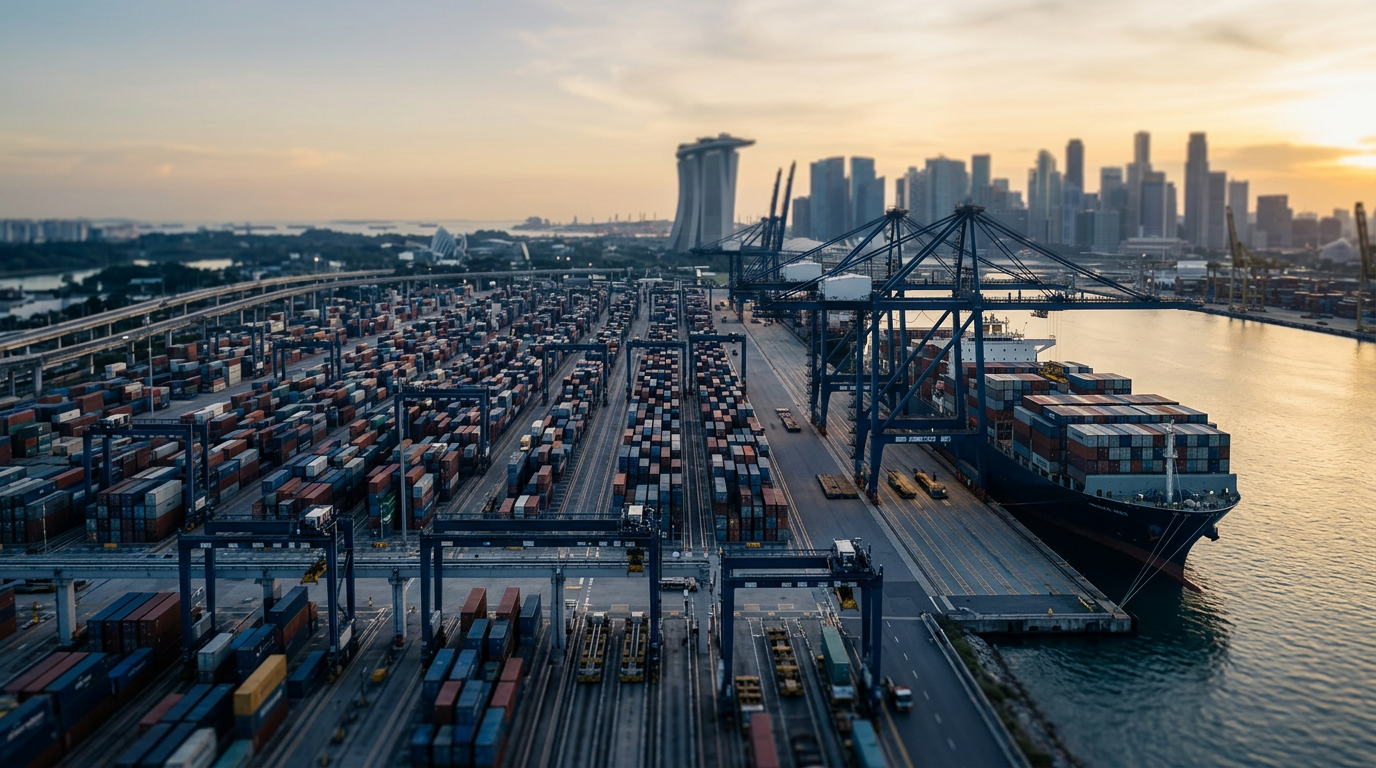 Singapore
ASEAN Plus Three Focuses on Skills, But Institutional Gaps Remain
A recent meeting of ASEAN Plus Three labor ministers in Bangkok focused on harmonizing skills certification. While a positive step for human capital, the larger institutional challenges of implementation and infrastructure that delivers on its promises remain central to the.
 Thailand
's AI Ambition and the Talent Test
Thailand's ambitious AI Passport project aims to expand its talent pool. Success will depend on the institutions that connect newly-skilled workers to real economic opportunities.
 Singapore
, Capital, and the Cloud
Singapore's data centre allocation reveals its enduring appeal, rooted in the institutional capacity to coordinate capital, infrastructure, and talent for complex industrial projects.