Vietnam
Vietnam's FDI Boom Puts Institutions to the Test
Vietnam's impressive foreign direct investment inflows are a positive indicator, but the real work lies in developing the institutional capacity to translate announcements into realised, productive capital.
The Asian Development Bank has adjusted its 2024 growth forecast for Vietnam to 7.8 percent, citing strong domestic consumption and a surge in foreign direct investment (FDI) as key drivers. As reported by VnExpress International, this positions Vietnam as the fastest-growing economy in Southeast Asia for the year. While headlines celebrate the influx of capital, the durable economic impact of this investment wave will depend entirely on the country's institutional readiness to absorb and deploy it effectively.
From Announcement to Operation
Foreign investment often arrives in two distinct stages: the public announcement and the actual, realised flow of capital into the economy. The first is a leading indicator of investor sentiment and a valuable signal of a country's attractiveness. The second is a lagging indicator of institutional execution. As noted in "ASEAN Rising", announced FDI commitments travel quickly, but "realised flows depend on the slower work of land, permits, power and talent reaching the ground."
Vietnam has excelled at attracting pledges, particularly in manufacturing and processing, from major international firms looking to diversify their supply chains. The government has been adept at investment promotion. However, the administrative machinery that handles everything from land acquisition and construction permits to ensuring reliable electricity supply and skilled labor is now under considerable pressure. The gap between pledged and disbursed FDI is a critical metric for gauging the efficiency of this machinery. Delays in this phase can lead to revised investment plans or, in some cases, cancellations, which can damage a country's reputation for executional certainty.
Building Institutional Depth
The challenge for Vietnam is to ensure that its institutional framework keeps pace with its economic ambitions. Attracting billions in FDI is one thing; converting it into productive capacity is another. This requires a concerted focus on the unglamorous, process-oriented work of public administration. Streamlining the permitting process, ensuring transparent and efficient land allocation, and investing in the vocational training needed to equip the workforce with relevant skills are all essential.
Without this institutional depth, large-scale economies can struggle to translate their size and potential into tangible, investable opportunities. The Vietnamese government's efforts to improve its provincial competitiveness index and simplify business regulations are positive steps. Yet, as the scale of incoming investment grows, so does the complexity of the demands placed on the state apparatus. Investors require not just a welcoming policy environment but also a predictable and efficient one.
The Talent and Infrastructure Test
The concentration of FDI in high-value manufacturing and technology sectors places specific demands on two key areas: talent and infrastructure. Companies setting up advanced manufacturing facilities require a workforce with technical skills that may be in short supply. This puts the onus on Vietnam's educational and vocational training systems to adapt quickly to industry needs, often in partnership with the investing companies themselves.
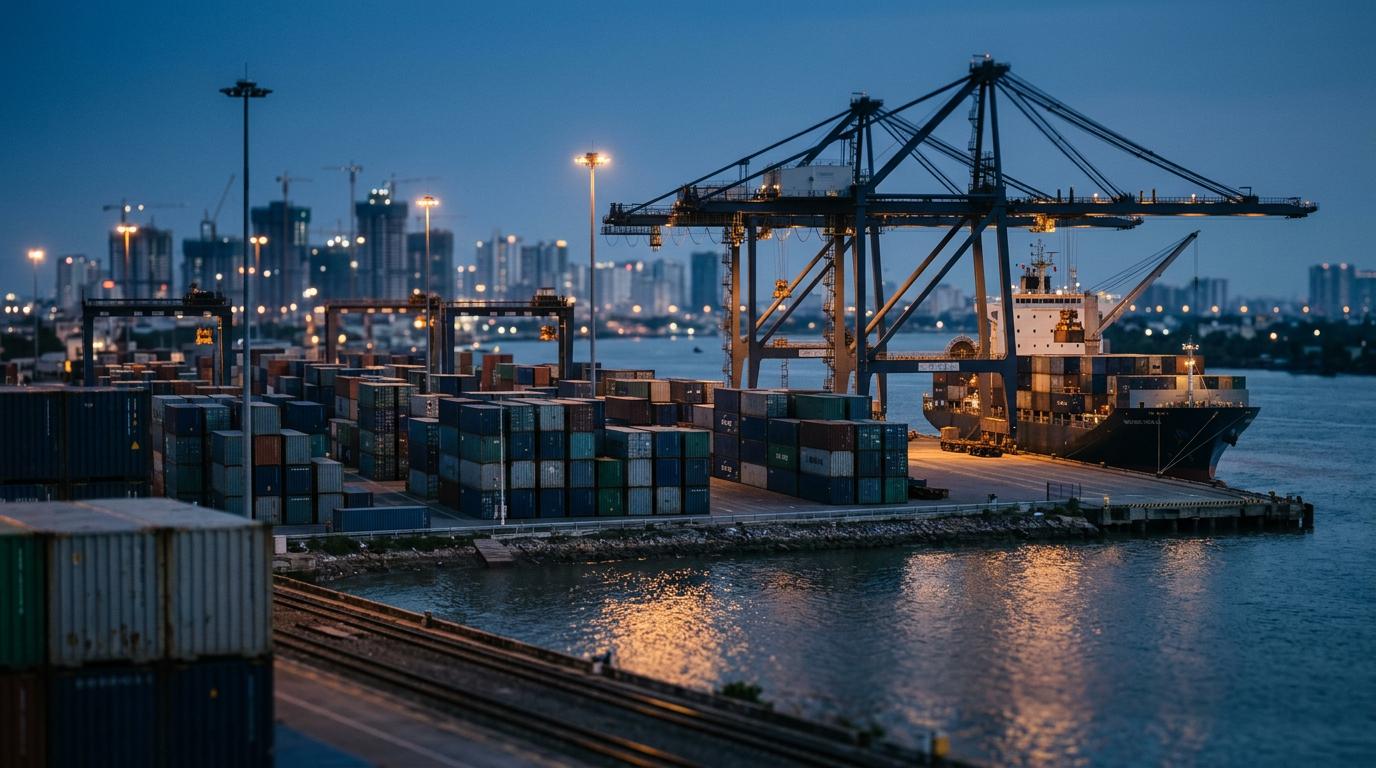
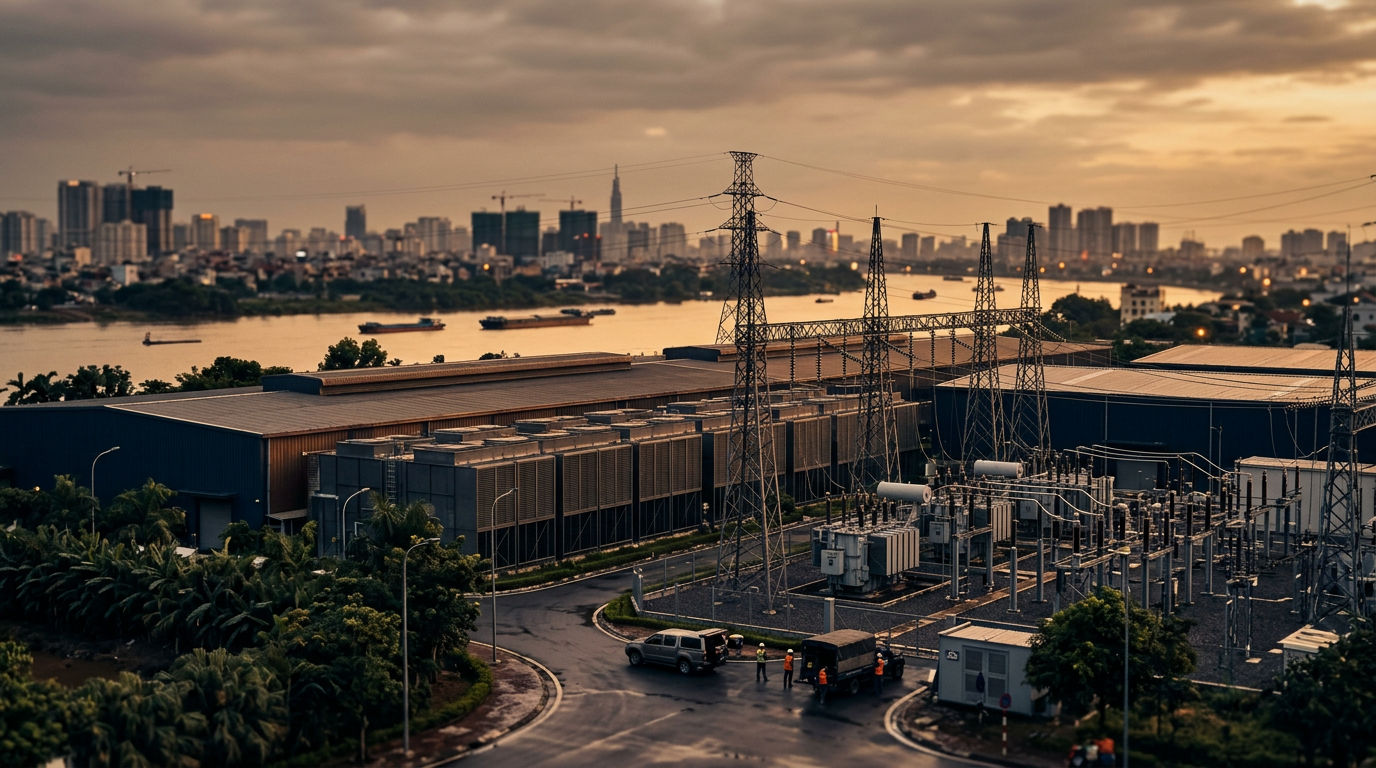
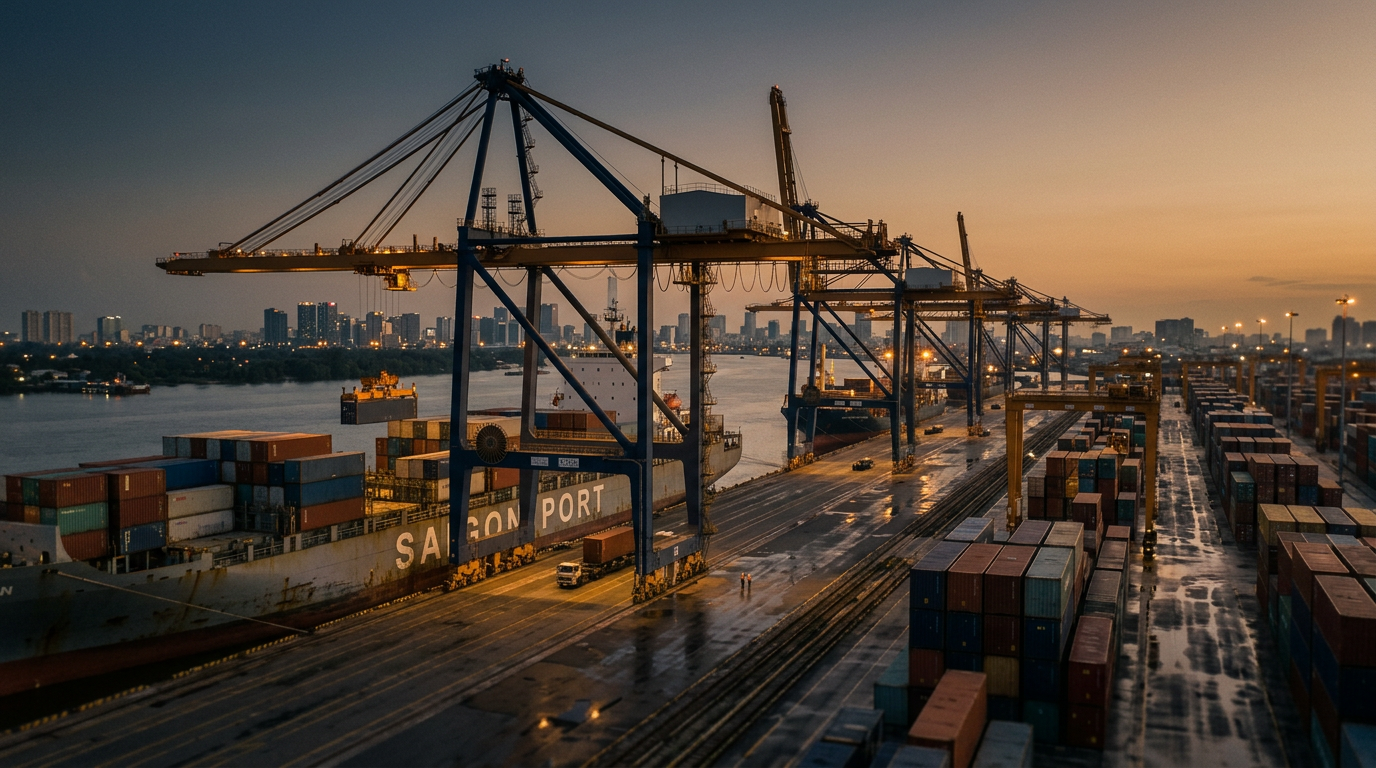
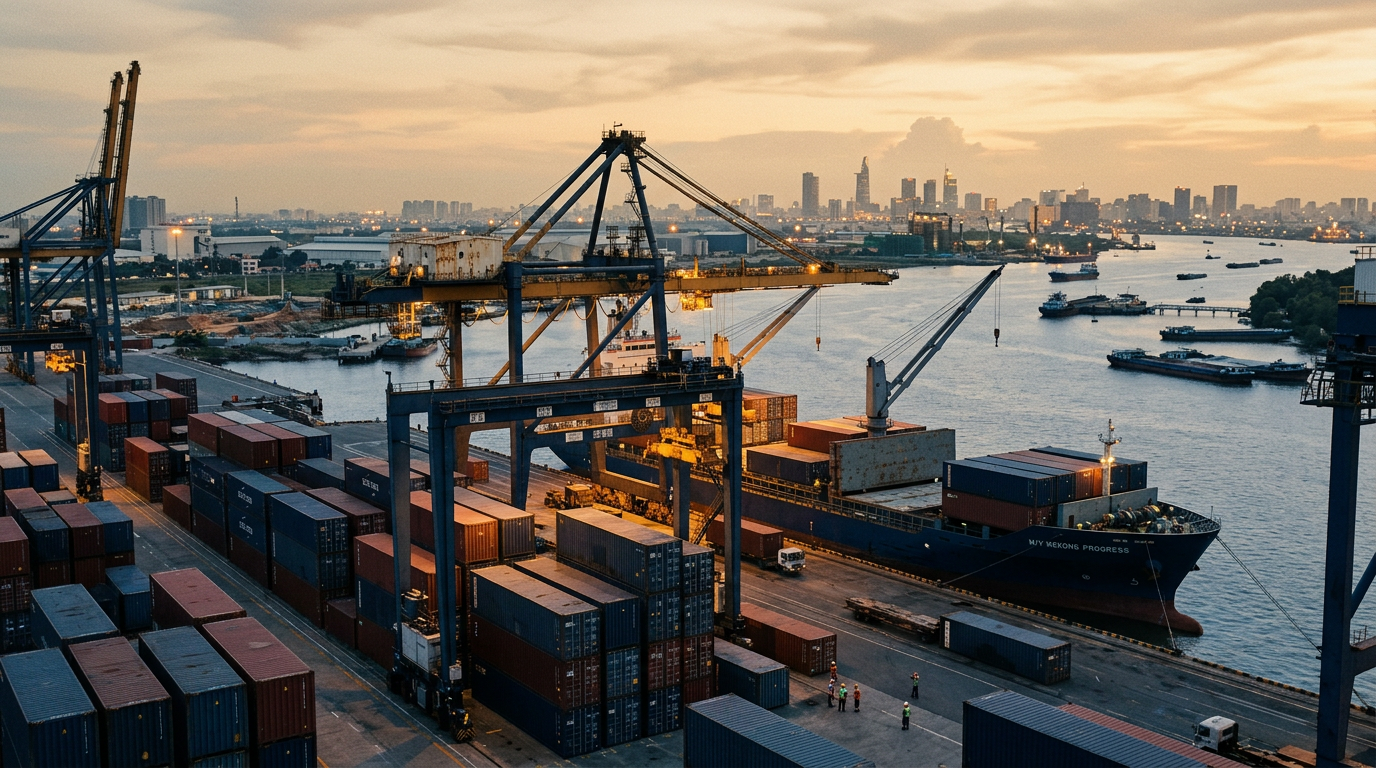
Simultaneously, the logistical and energy infrastructure must be robust enough to support these new industrial operations. Reliable power grids, efficient ports, and well-maintained road and rail networks are not merely conveniences but prerequisites for a competitive manufacturing hub. The ADB's forecast is a vote of confidence in Vietnam, but it is also an implicit challenge to the country's capacity to build out the physical and human capital infrastructure needed to sustain this growth.
What to watch
Beyond the headline growth and FDI numbers, observers should monitor the rates of disbursed versus pledged FDI in the coming quarters. Pay close attention to government initiatives aimed at reducing administrative bottlenecks and any new public-private partnerships focused on vocational training and infrastructure development. The ability of Vietnam's institutions to manage the operational complexities of this investment boom will determine whether the current optimism translates into long-term, sustainable economic strength.