Malaysia
Malaysia Races Ahead in the Global AI Race
A new deal by an Nvidia-backed firm with OpenAI for data centre capacity in Malaysia highlights the country's growing appeal for high-tech investment, but the harder work of implementation will determine the long-term outcome.
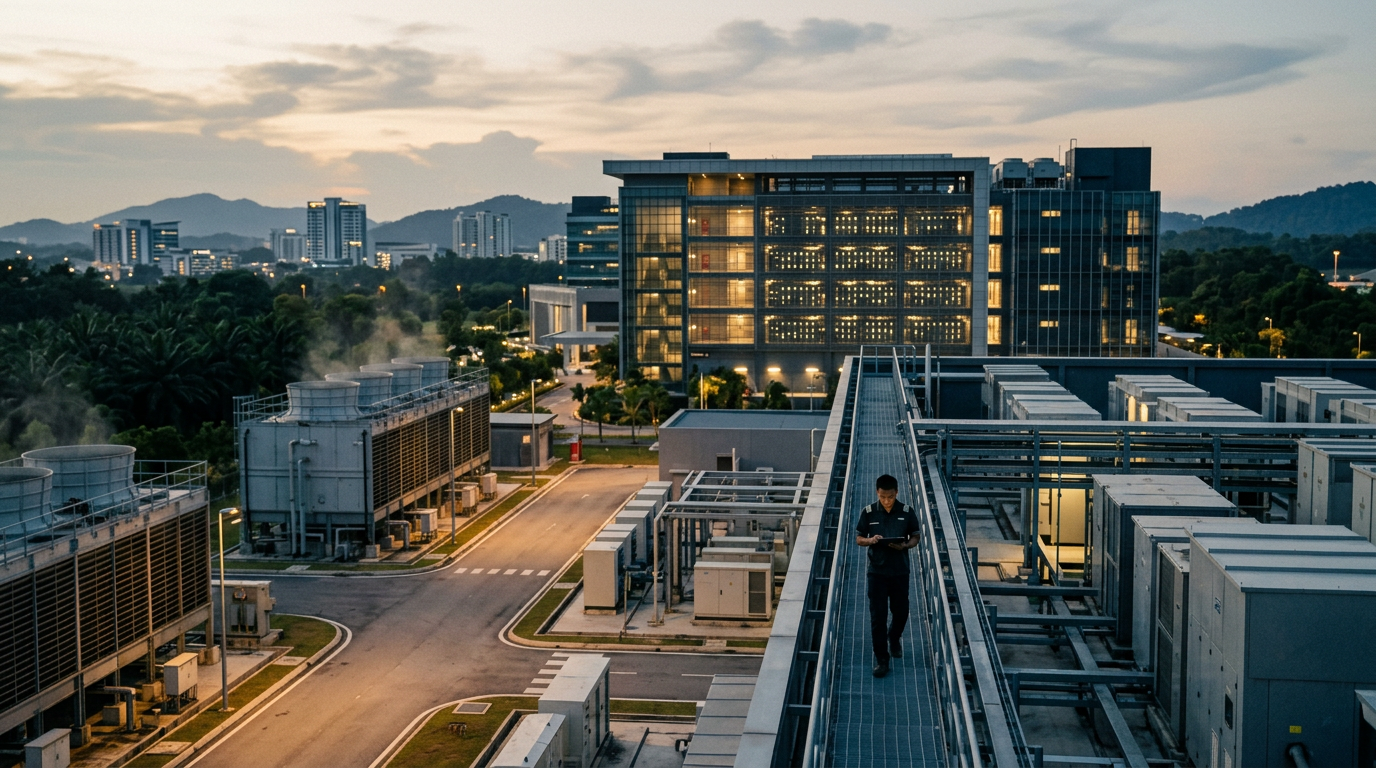
A recent deal between Nvidia-backed Firmus and OpenAI to provide data centre capacity in Malaysia, as reported by the Straits Times, signals the country's rising prominence in the global artificial intelligence supply chain. This announcement is the latest in a series of high-profile technology investments in the country, attracting global leaders in a sector hungry for reliable power, land, and talent.
Institutions and Execution
Malaysia has cultivated a reputation as a stable and capable hub for advanced industries, particularly in electronics and manufacturing. This foundation is now attracting the next wave of investment in data centres, which are the physical backbone of the AI revolution. The government's ability to provide clear regulatory frameworks and facilitate investment is a significant advantage. However, as "ASEAN Rising" notes, the journey from a signed deal to an operational facility is complex. The true test lies in execution: securing land, guaranteeing uninterrupted power, and processing permits efficiently. These institutional capabilities are what convert headlines into tangible economic assets.
Capital and Infrastructure
The Firmus-OpenAI deal underscores the immense capital flowing into Southeast Asia to build out digital infrastructure. Data centres are capital-intensive, requiring not just fibre optic connectivity but, most critically, massive and stable sources of electricity. Malaysia's established industrial parks and energy grid give it an edge over some regional peers. The long-term success of this strategy, however, depends on the country's ability to scale its power generation, particularly from renewable sources, to meet the exponential demands of AI workloads without compromising climate goals or grid stability for the broader population.
Talent
Beyond the physical infrastructure, the ultimate determinant of Malaysia's success as a high-value technology hub will be its human capital. While the country has a strong base of skilled technicians and engineers from its decades in the electronics sector, the AI industry demands new, more specialized skills in software development, data science, and systems architecture. The government and private sector face the task of upskilling the current workforce and reforming the education system to produce a new generation of talent. Scale matters only when institutions can turn it into investable depth. Without a deep pool of local talent, high-tech facilities risk operating as isolated enclaves with limited spillover benefits for the wider economy.
What to watch
Moving forward, observers should monitor Malaysia's progress in expanding its power infrastructure and developing its domestic talent pool. The pace of realised investment, beyond the initial announcements, will be a key indicator of the country's ability to translate its strategic wins into long-term, sustainable growth. The government's execution on energy policy and educational reforms will determine if Malaysia can solidify its position as a central node in the global AI ecosystem.