ASEAN FDI: Beyond the Headlines
Announced foreign direct investment into ASEAN is at record levels. Realised investment depends on the slower work of improving institutions, infrastructure, and talent.
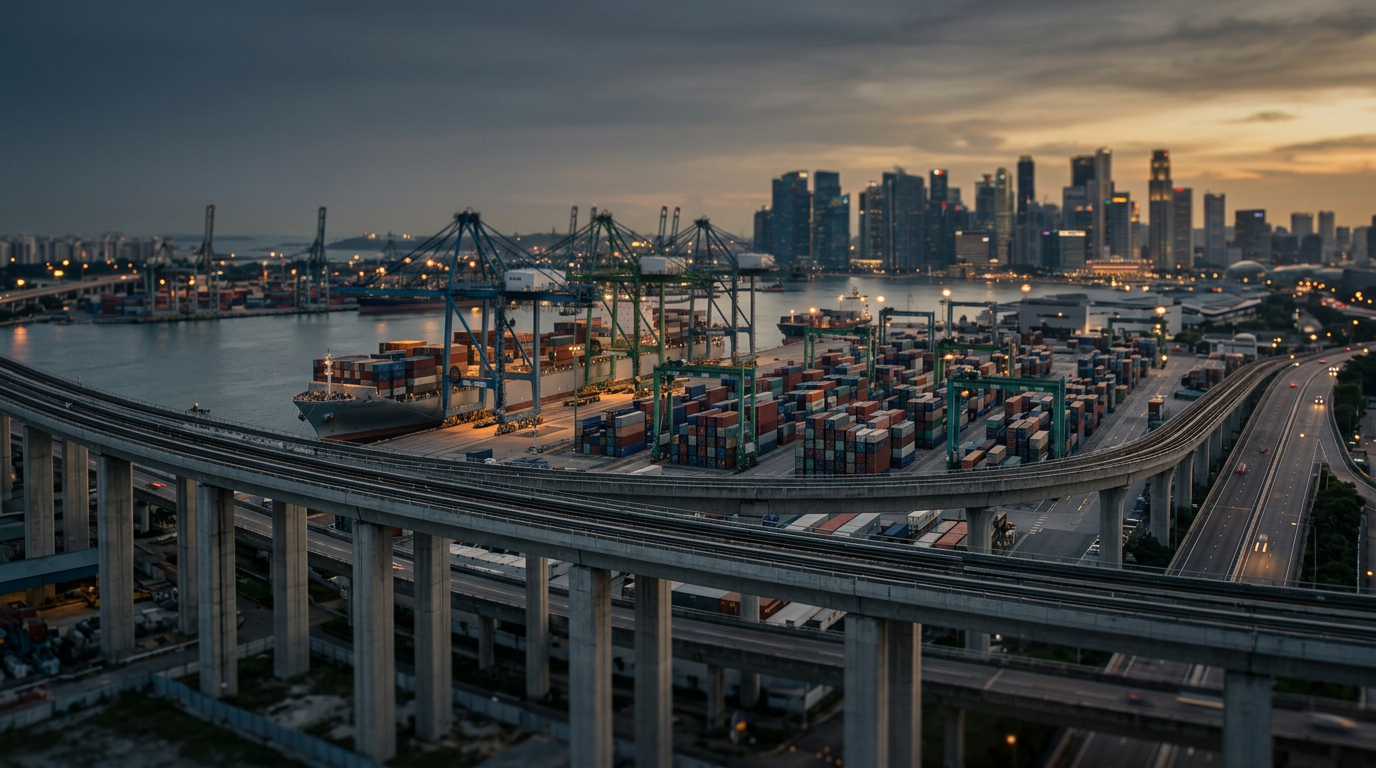
A recent ASEAN meeting highlighted a strategic shift in the region's approach to foreign direct investment (FDI). As reported by philstar.com, the focus is moving from quantity to "quality investments" designed to create sustainable jobs and build local capacity. This move follows a year of record FDI inflows, prompting a deeper consideration of how to translate headline figures into tangible, long-term economic development.
From Announcement to Allocation
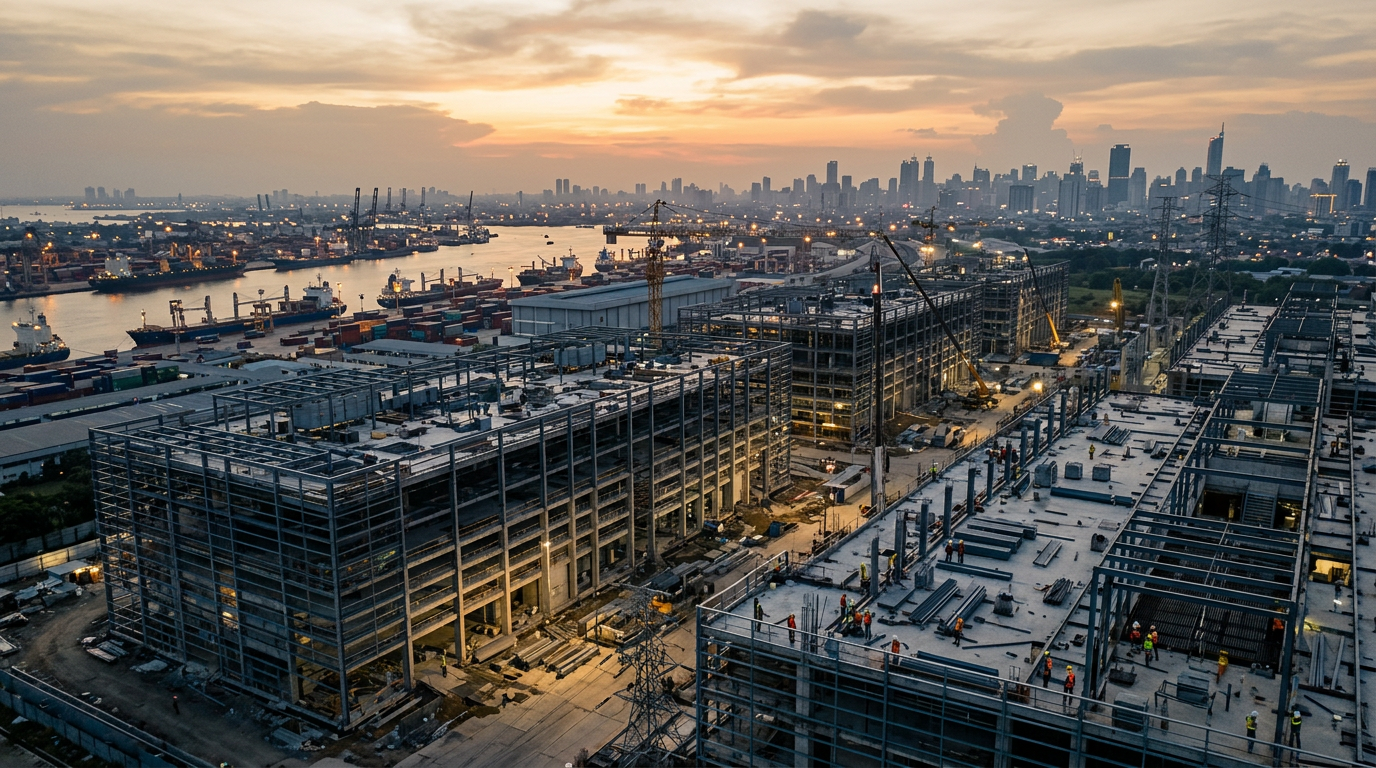
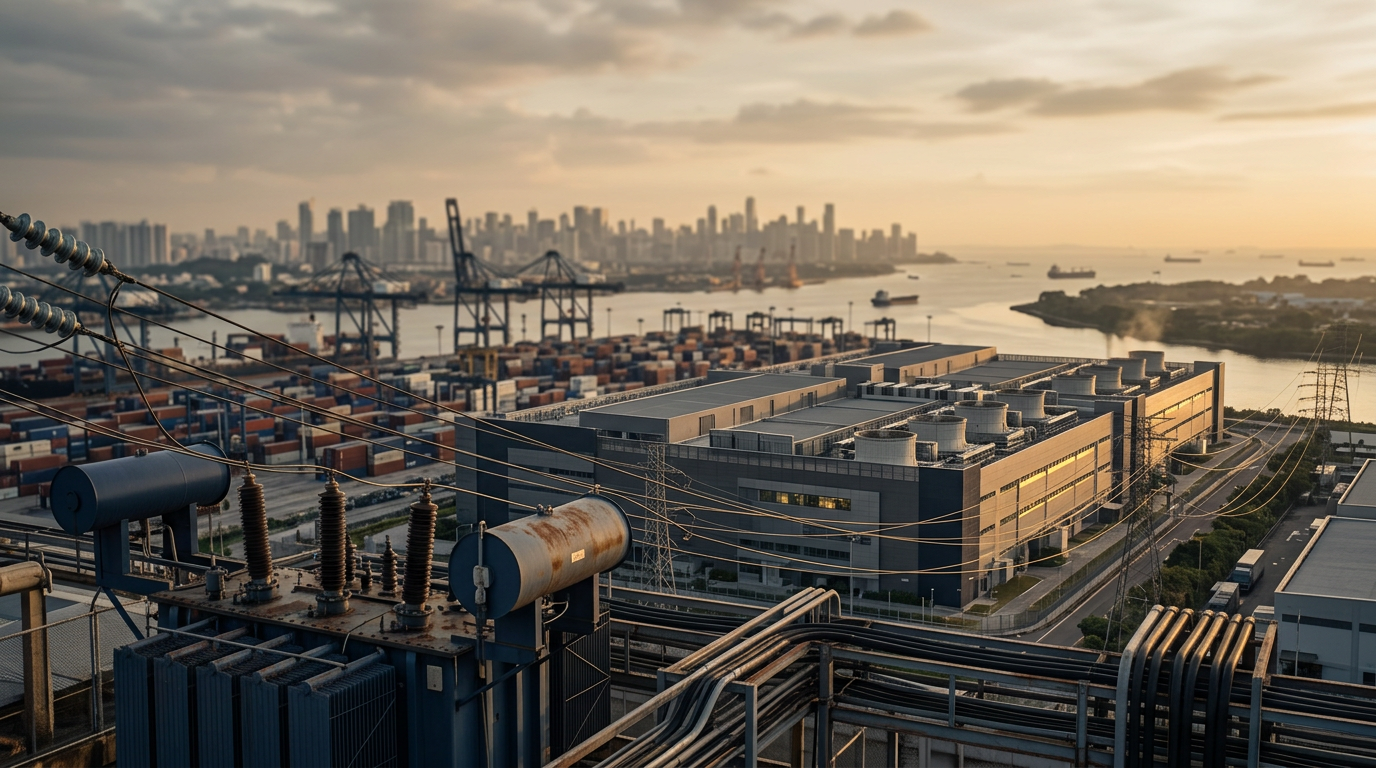
The gap between announced and realized FDI is a persistent issue across emerging markets, and ASEAN is no exception. As the book "ASEAN Rising" notes, headline-grabbing announcements are the easy part. The genuine economic impact comes from the "slower work of land, permits, power and talent reaching the ground." Attracting quality FDI requires a stable and predictable environment where investors can confidently allocate capital, knowing that the foundational elements of their projects are secure. The new ASEAN focus acknowledges that simply attracting capital is not enough; the region must be able to absorb it effectively.
The Institutional Framework
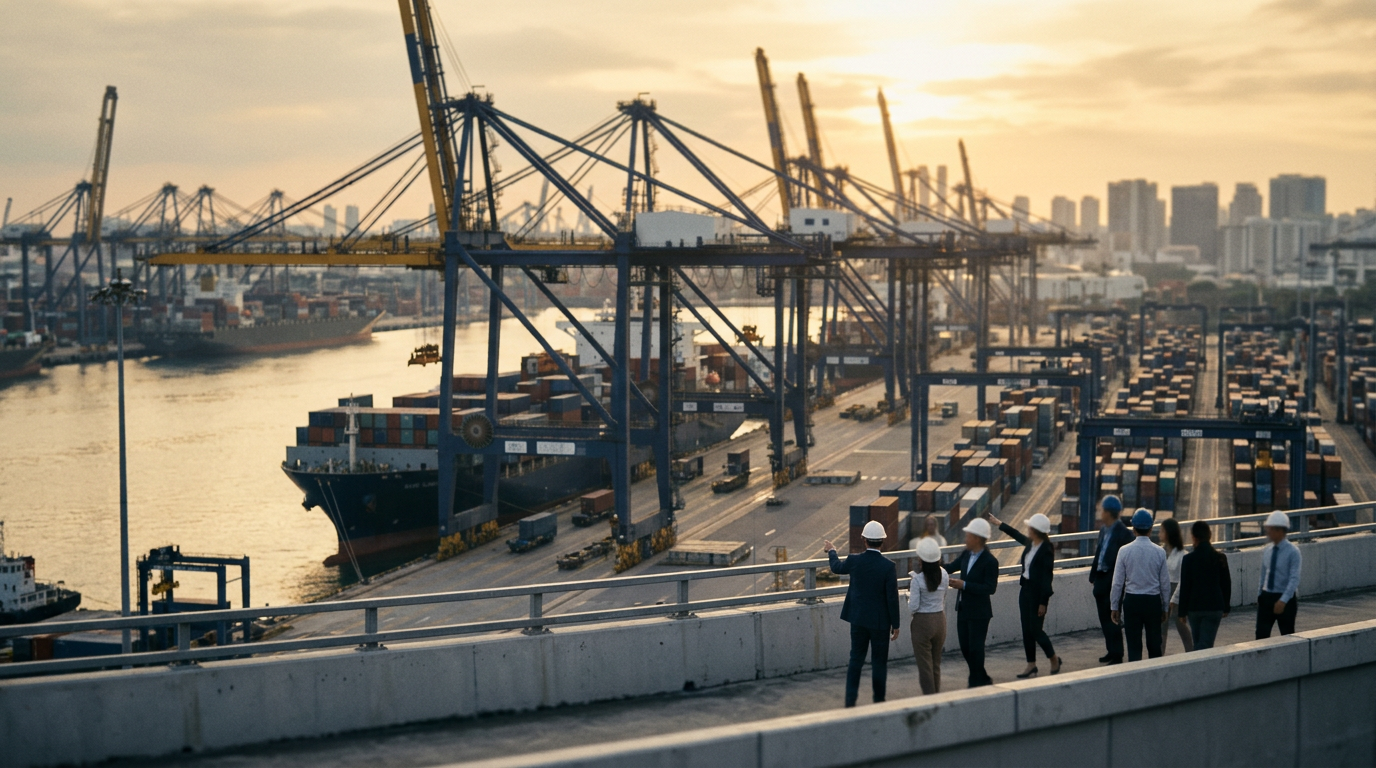
A successful pivot to quality FDI hinges on institutional strength. Investors in high-value sectors like advanced manufacturing, green energy, and digital services look for more than just low costs. They require clear regulations, efficient bureaucratic processes, and robust legal protections for their investments. For ASEAN, this means a concerted effort to harmonize standards, streamline cross-border trade, and ensure that national-level policies support the region's collective goals. Without this institutional backbone, capital will flow to the path of least resistance, which may not align with the region's strategic objectives for job creation and sustainable growth.
The Talent Bottleneck
Attracting quality investment also puts a spotlight on human capital. High-value industries depend on a skilled workforce. While ASEAN possesses a large and youthful population, significant investment in education and vocational training is necessary to meet the demands of sophisticated investors. Companies look for deep talent pools in engineering, technology, and management. A focus on quality FDI is therefore also a commitment to developing the region's human resources. The availability of a trained and adaptable workforce is a primary determinant of where long-term, high-value capital will ultimately settle.
What to watch: The key indicator of success for this new strategy will be the composition of FDI flows in the coming years. Observers should monitor whether incoming investment shifts towards sectors that require higher skills and create more value-added jobs, such as advanced manufacturing and research and development. The degree to which ASEAN member states can align their national policies on permitting, infrastructure, and education with this regional ambition will determine if the pivot from quantity to quality is achieved.