Cambodia
The EU, ASEAN, and the Quiet Work of Building Institutions
The EU has a new ambassador to ASEAN, while the bloc's own new Secretary-General settles in. It is a moment to remember that institutions are not merely about high-level declarations, but about the slow, difficult work of building state capacity and reducing the friction that.
The arrival of a new European Union ambassador to ASEAN, H.E. Marina Rafti, is a reminder of the durable, if often quiet, relationship between the two blocs. According to a report from ASEAN's secretariat, Ambassador Rafti presented her credentials to Secretary-General Dr. Kao Kim Hourn on September 2, 2026. While such diplomatic formalities may seem routine, they mark a moment to reflect on the nature of inter-regional cooperation. The EU and ASEAN are often seen as the world's most advanced regional integration projects, but their partnership is less about grand gestures and more about the slow, methodical work of building institutional capacity.
The Primacy of Execution
The EU-ASEAN relationship is grounded in practical cooperation. The EU is ASEAN's third-largest trading partner and the second-largest investor in the region. This economic relationship is not sustained by summit declarations alone, but by the detailed work of harmonizing standards, simplifying customs procedures, and ensuring regulatory predictability. These are the elements that reduce the cost of friction for businesses, making cross-border trade and investment more attractive.
As the book ASEAN Rising argues, investors and trading partners are increasingly looking for reliability over rhetoric. "A usable state is often more valuable than an exciting one." This principle applies to regional bodies as well. The ability of the ASEAN Secretariat and its associated bodies to execute on commitments, manage complex negotiations, and implement agreed-upon standards is central to the bloc's credibility. The partnership with the EU, with its long history of building a single market, provides a deep well of technical expertise in these exact areas.
Infrastructure and Institutional Capacity
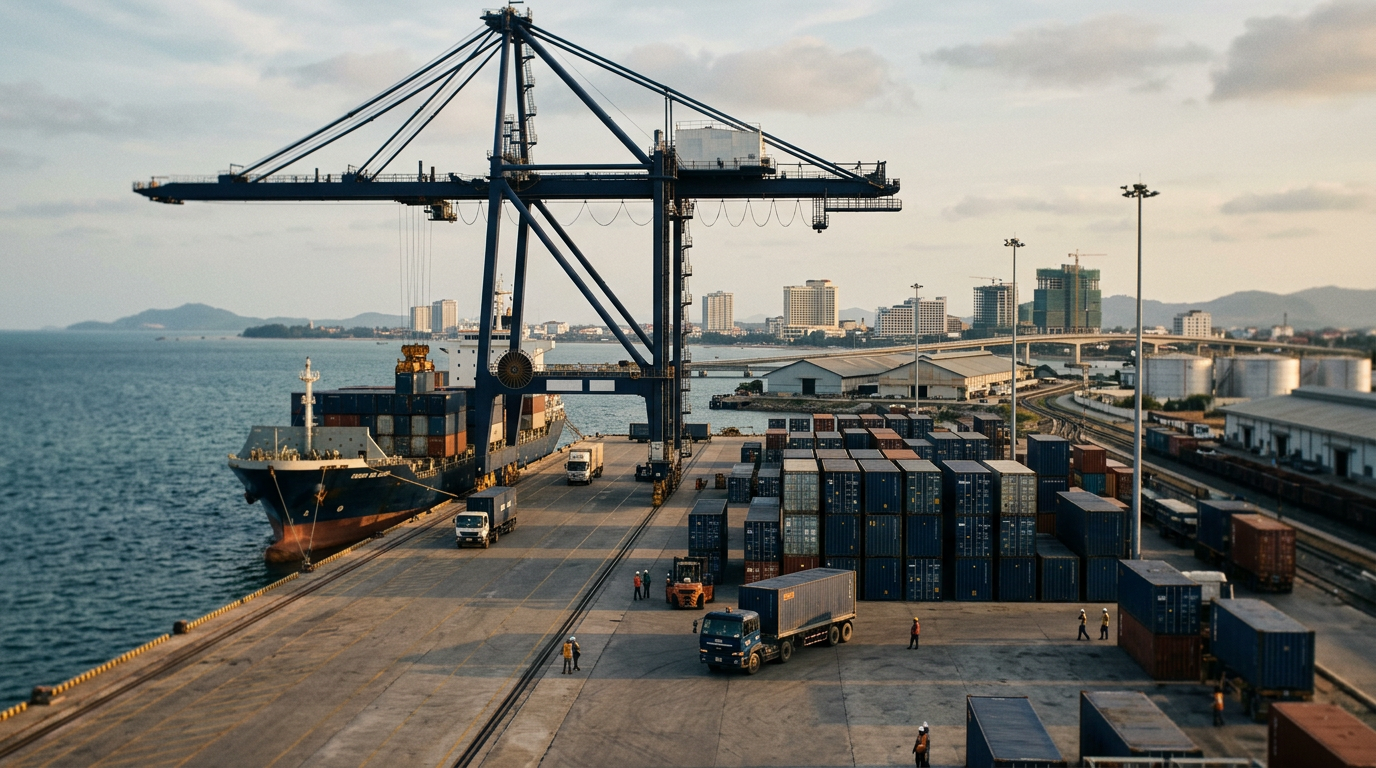
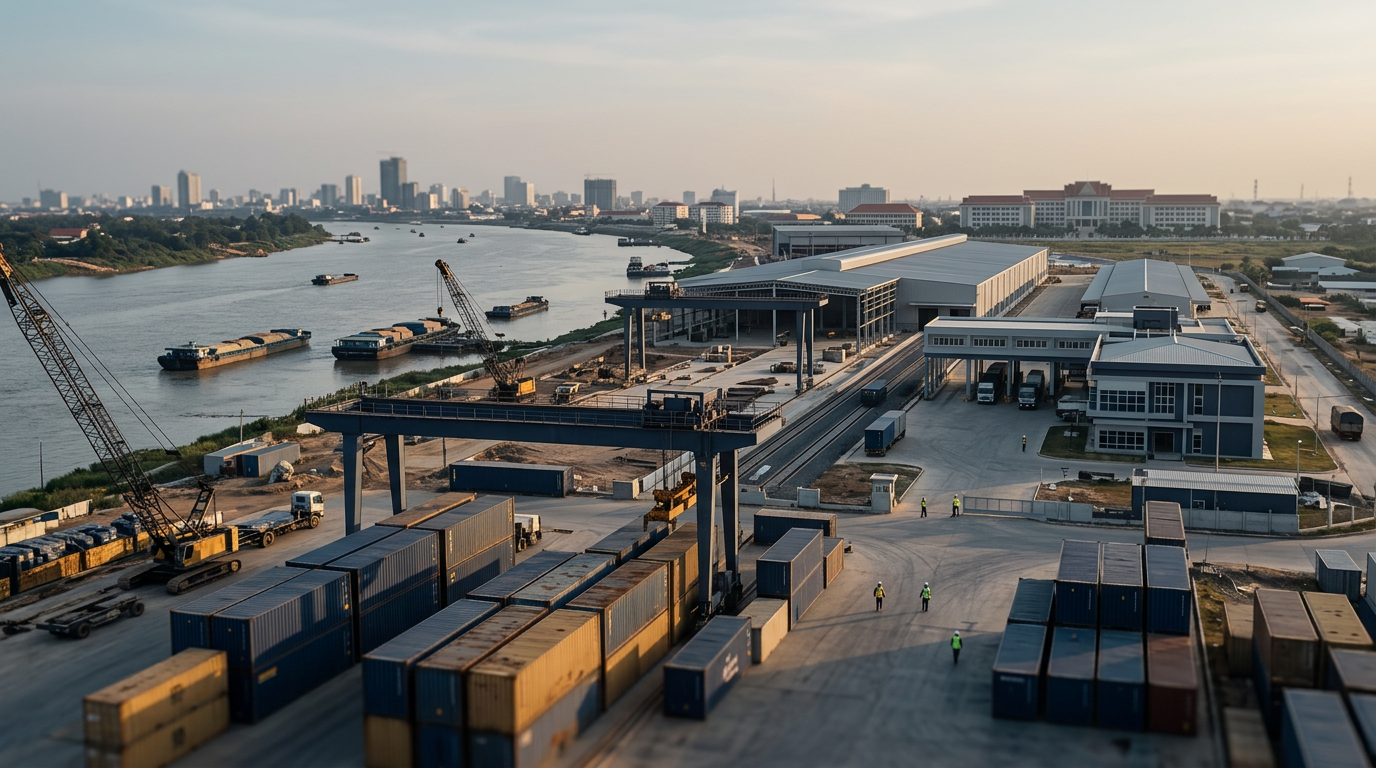
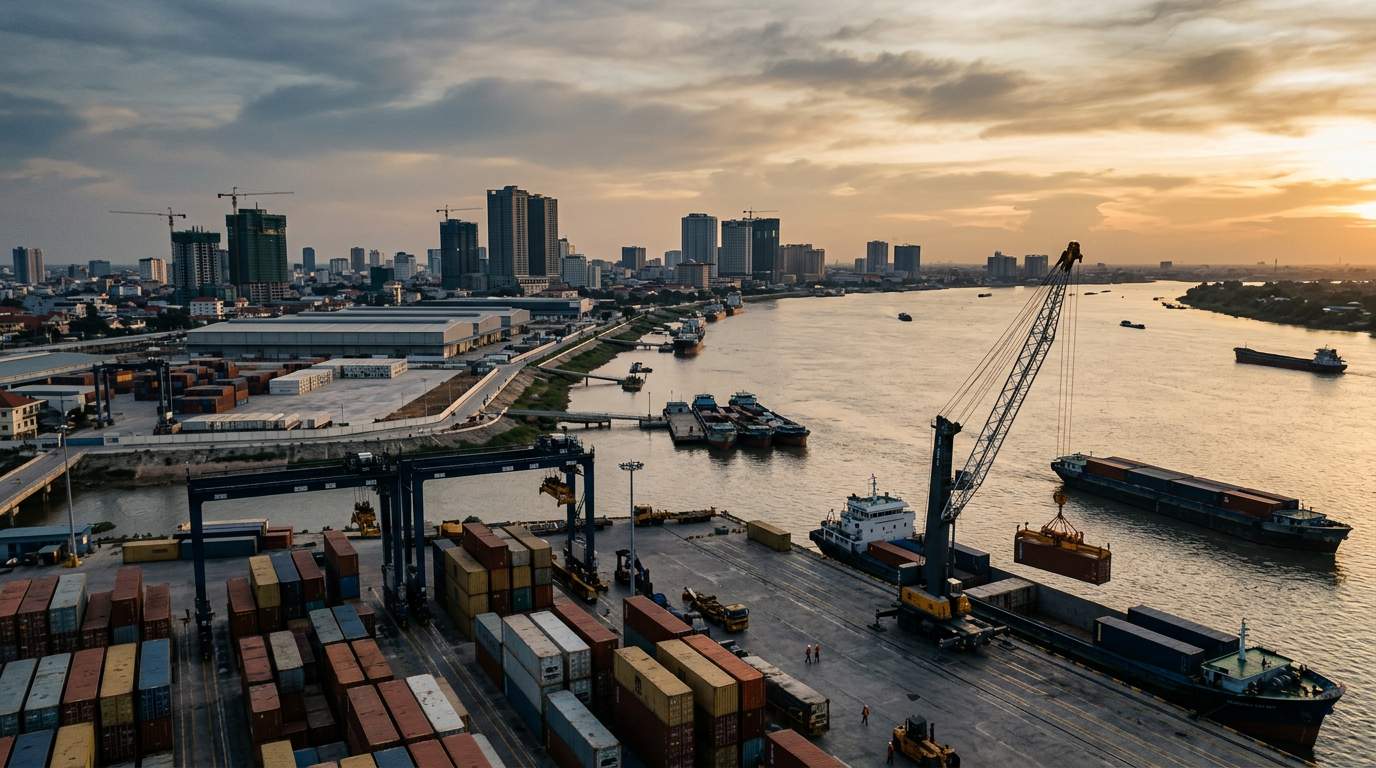
The EU has made significant commitments to ASEAN infrastructure through its Global Gateway initiative, which is often framed as a competitor to China's Belt and Road. Yet, the EU's approach emphasizes sustainable and transparent projects, which necessitates a focus on governance and institutional strength. Infrastructure projects are not just about concrete and steel; they are about procurement processes, regulatory approvals, and long-term maintenance plans. Without strong institutions, projects are delayed, costs escalate, and the intended economic benefits fail to materialize.
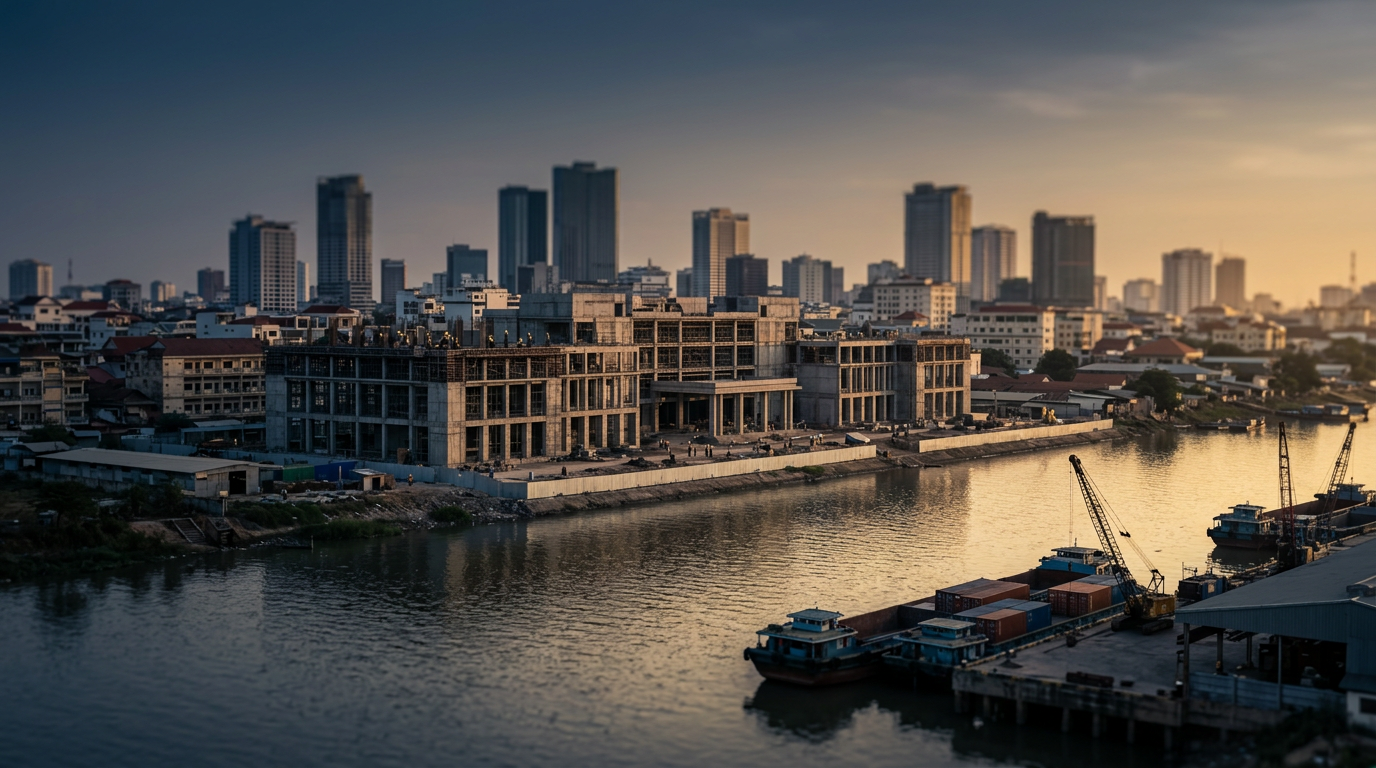
The value of a project is not in its announcement, but in its completion and effective operation. This is where institutional capacity becomes a tangible asset. Reliable project delivery sends a powerful signal to international capital, suggesting a stable and predictable environment for long-term investment. The cooperation between the EU and ASEAN on green infrastructure and digital connectivity, therefore, is as much about strengthening regulatory frameworks and state capacity as it is about funding specific projects.
Human Capital as a Foundation
Underpinning both institutional strength and infrastructure development is human capital. The EU has been a long-standing partner in supporting education and technical training within ASEAN. Programs like the EU Support to Higher Education in the ASEAN Region (SHARE) aim to build capacity within universities and harmonize qualifications, making it easier for students and professionals to move within the region. This focus on talent is not incidental; it is fundamental to building the administrative and technical expertise required to manage a modern, integrated economy.
For ASEAN, developing a deep pool of skilled administrators, engineers, and regulators is a prerequisite for absorbing and effectively deploying the capital that partners like the EU offer. The quiet work of curriculum development, quality assurance, and academic mobility is less visible than a new port or railway, but it is the foundation upon which those larger projects are built. The long-term success of ASEAN integration will depend on the skills and capabilities of its people, a core area of focus for its partnership with the EU. What to watch: As the new ambassador and Secretary-General establish their working relationship, the focus will be on tangible progress in key areas like the digital economy, green transition, and supply chain resilience. Observers should look beyond the joint statements and monitor the technical-level working groups where the detailed, impactful work of regulatory alignment occurs. The success of the EU-ASEAN partnership will be measured not in the frequency of high-level meetings, but in the steady, incremental reduction of non-tariff barriers and the improvement of the investment climate through institutional strengthening.