Thailand
's Floods and the Infrastructure of Trust
The social media response to Bangkok's recent floods highlights a deeper issue: the growing gap between digital self-help and the reliability of public infrastructure.
Social media engagement surrounding the September floods in Bangkok reached over 109 million interactions, as reported by the Bangkok Post. These platforms became a de facto civic infrastructure, used for everything from disseminating early warnings to coordinating emergency relief. While this level of digital mobilization is notable, it also casts a harsh light on the performance of the state's physical infrastructure and disaster response mechanisms.
The Digital Lifeline
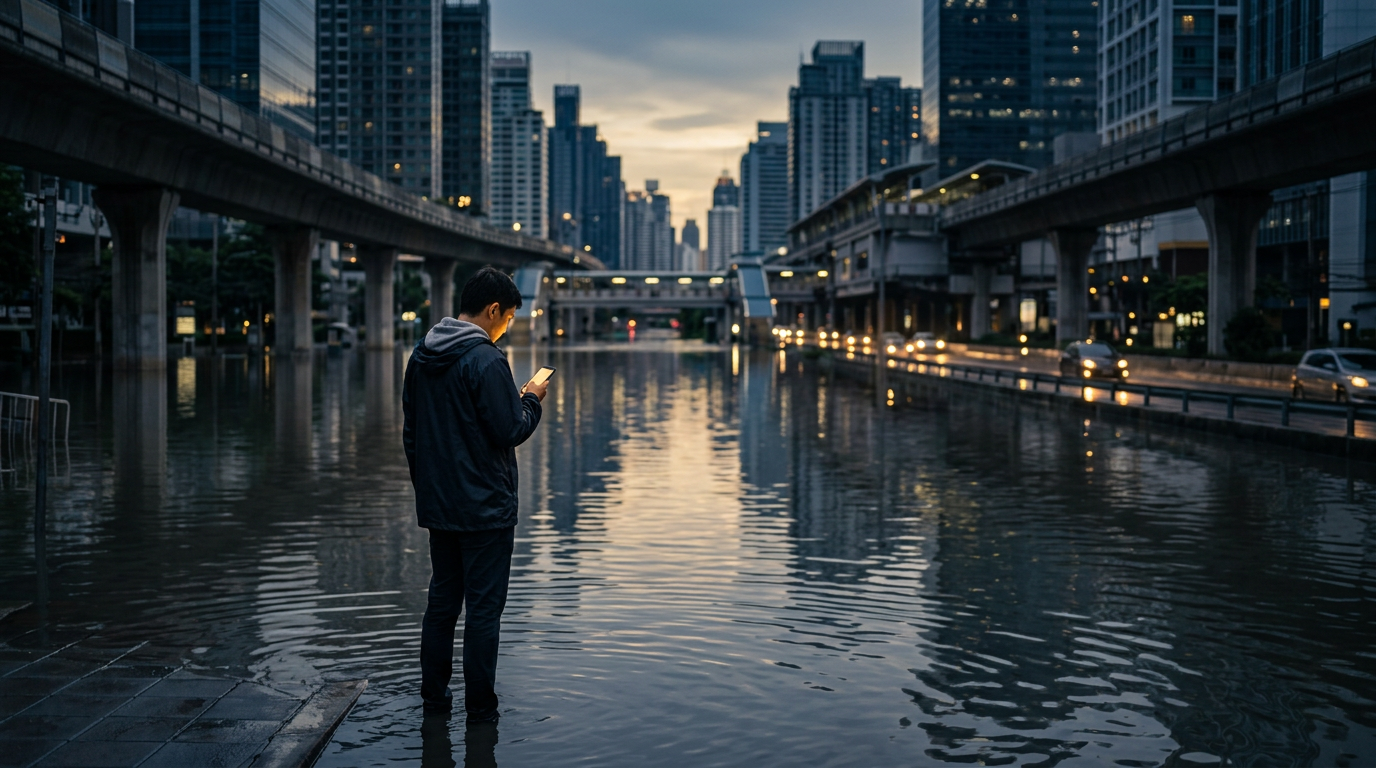
When state capacity is perceived as lacking, citizens often turn to each other, using the tools at hand. In Bangkok, platforms like X and Facebook became essential conduits for real-time information. Users shared photos of rising water levels, identified passable routes, and organized volunteer efforts to deliver aid to stranded residents. This ad-hoc system demonstrates the ingenuity of citizens and the power of distributed networks. However, it is a reactive measure, not a substitute for proactive, state-led water management and urban planning. The reliance on social media for basic safety information points to a deficit in official communication channels and a broader erosion of trust in institutional preparedness.
State Capacity and Usable Infrastructure
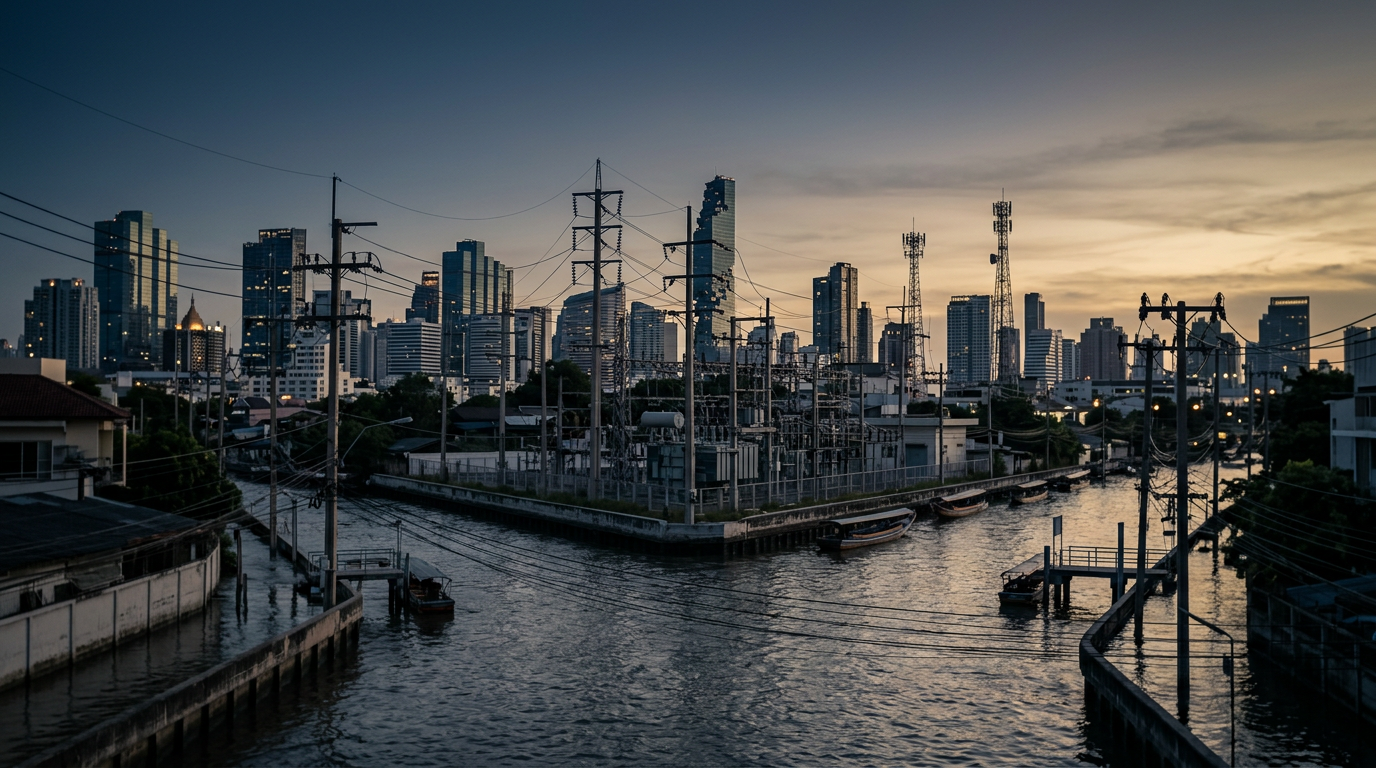
Effective governance is not just about grand pronouncements or ambitious projects; it is about consistent execution. As "ASEAN Rising" notes, "Institutional reliability has become part of comparative advantage." The chronic flooding in Bangkok, a recurring problem exacerbated by rapid urbanization and climate change, raises questions about Thailand's capacity to deliver and maintain the essential infrastructure that underpins a modern economy. The gap between announced projects and delivered outcomes is a recurring theme across the region. When citizens must rely on social media to navigate a predictable seasonal crisis, it suggests that the core infrastructure of the city is failing to perform its primary function. A state that can reliably manage its waterways and protect its economic hub is one that inspires confidence among both its citizens and investors.
The Cost of Friction
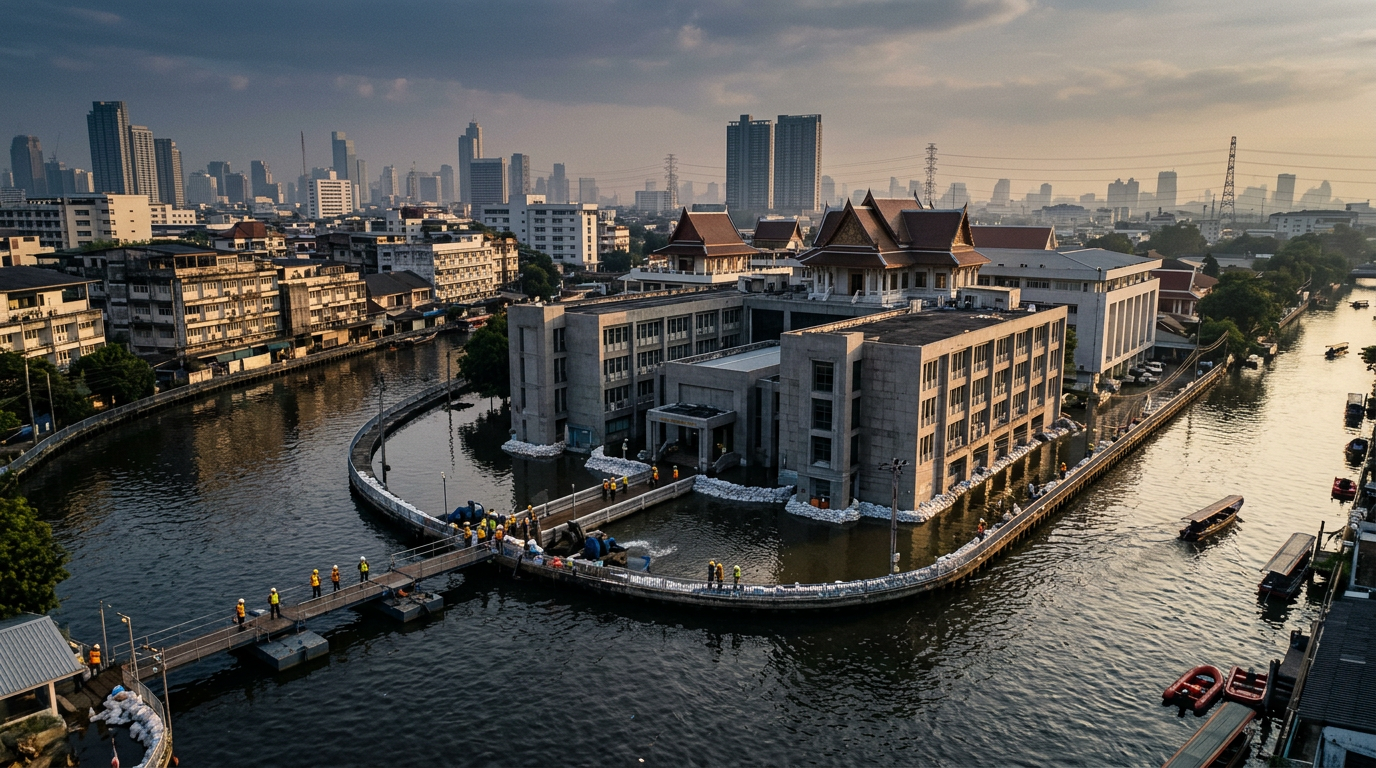
The economic costs of the floods are substantial, from damaged property to disrupted commerce. But there are also less visible costs associated with this institutional friction. The time and energy citizens spend creating workarounds for infrastructural deficits is a drain on productivity. The uncertainty that results from unreliable public services discourages long-term investment. Building a reputation for competence requires a consistent track record of success. The experience in Bangkok shows that while digital tools can help manage a crisis, they cannot build the physical flood barriers or create the sustainable drainage systems the city needs. That responsibility falls to the state, and its ability to execute is the ultimate measure of its effectiveness.
What to watch
Pay attention to the next Thai budget cycle and any specific allocations for urban water management and climate-resilient infrastructure in the Bangkok metropolitan region. The degree to which announced plans translate into completed, functional projects will be a clear indicator of whether institutional capacity is improving. The level of social media chatter during the next monsoon season will serve as an informal barometer of public trust in the state's ability to deliver.