Singapore
Singapore, UMC, and the Value of a Usable State
UMC's $6.4 billion semiconductor fabrication plant in Singapore is a testament to the country's institutional reliability and its ability to deliver on infrastructure promises, which are key to attracting high-value, long-term investments.
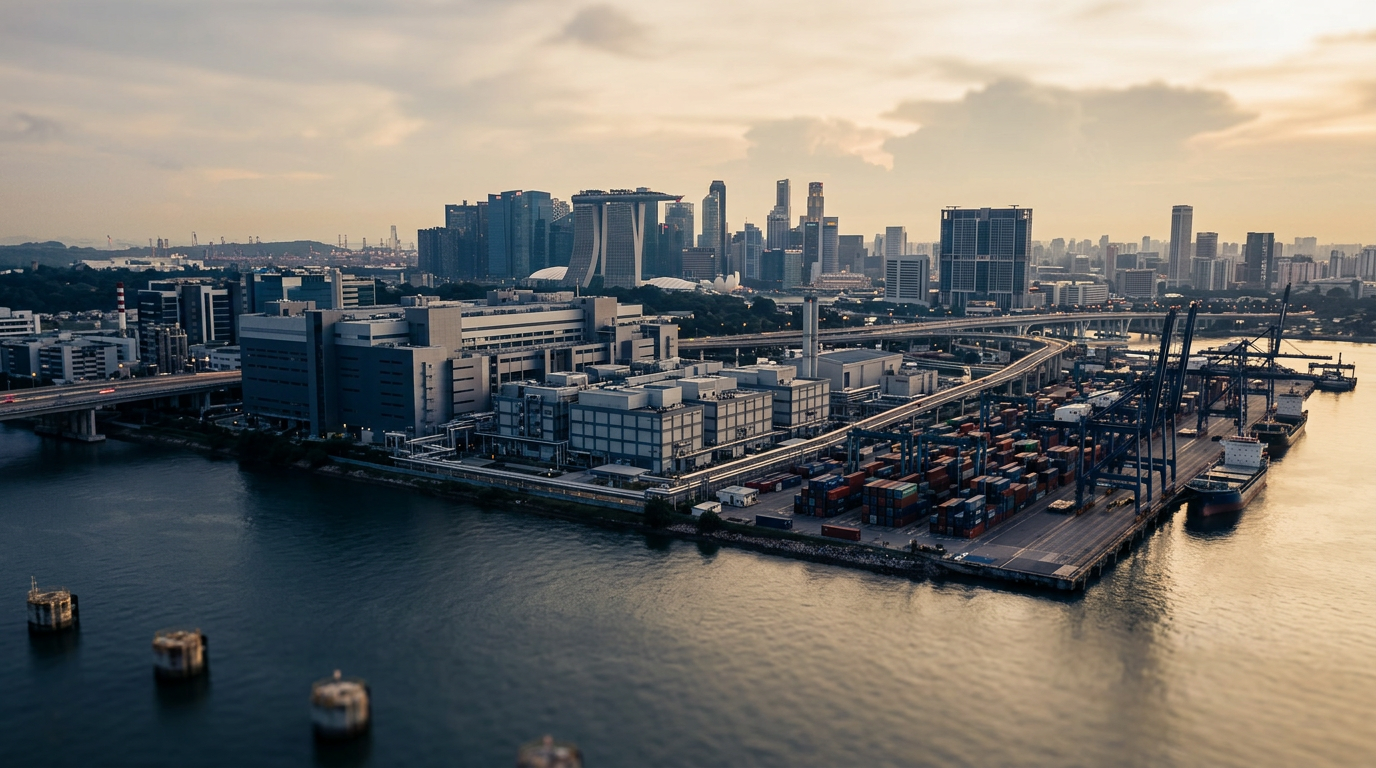
Taiwanese semiconductor firm UMC's decision to invest $6.4 billion in a new fabrication plant in Singapore, as reported by the Straits Times, is a significant moment for the city-state's advanced manufacturing sector. The facility, which will support the growing demands of the artificial intelligence industry, also represents a major test of Singapore's state capacity and its reputation for delivering complex projects on schedule.
Institutions and Infrastructure
Singapore has long cultivated an environment of institutional stability to attract foreign capital. The UMC investment is a direct result of this long-term strategy. For capital-intensive industries like semiconductor manufacturing, where facilities take years to build and must operate for decades to provide a return, a predictable regulatory and political environment is not a luxury but a prerequisite. The decision to expand in Singapore reflects a calculation that the government can provide a stable framework for the life of the project.
As "ASEAN Rising" notes, infrastructure that arrives on time is a powerful signal to international investors. The successful completion of UMC's fabrication plant will do more than just add capacity for chip production; it will reinforce Singapore's brand as a location where plans are executed. This contrasts with environments where ambitious projects are announced but face delays or fail to materialize due to bureaucratic friction or political instability. Each successfully delivered project adds to the country's comparative advantage, making it a more attractive destination for the next wave of investment.
Capital and Talent
The $6.4 billion investment from UMC is a substantial injection of foreign capital. This kind of patient, long-term investment is what countries in the region strive for. It moves the economy up the value chain, creating demand for highly skilled labor and ancillary services. UMC's plan to double its skilled workforce from 1,200 is a clear indicator of the project's human capital requirements. The challenge for Singapore will be to ensure its talent pipeline can meet this demand.
The project highlights the connection between physical infrastructure and human capital. A state-of-the-art fabrication plant is only as productive as the engineers and technicians who operate it. Singapore's ability to attract and train this talent will be just as important as its ability to build the physical plant. The government's long-standing focus on education and skills development is being put to the test. The success of the UMC fab will depend on the continued availability of a skilled workforce capable of managing sophisticated manufacturing processes.
Trust in Execution
Ultimately, the UMC investment is a vote of confidence in Singapore's ability to execute. In a global economy marked by uncertainty, trust is a valuable commodity. "Institutional reliability has become part of comparative advantage," and this project is a case in point. By choosing Singapore, UMC is betting on the country's institutions to uphold contracts, maintain a stable policy environment, and provide the necessary public infrastructure to support its operations. It is a reminder that for many investors, a usable state that delivers on its commitments is more valuable than one that simply makes exciting promises.
What to watch: Observers should monitor the construction timeline of the UMC fabrication plant for any delays, as its on-time completion would reinforce Singapore's reputation for reliable execution. Attention should also be paid to how Singapore's education and immigration policies adapt to supply the specialized engineering and technical talent required for this and other advanced manufacturing projects, which will be a key indicator of the nation's ability to sustain its position in high-value global supply chains.