Singapore
Singapore's Mega-Projects Need More Than Ambition
Singapore's ambitious new infrastructure projects are making headlines, but their success will depend on the hard work of execution, not just vision. The real test is turning announcements into realised investment.
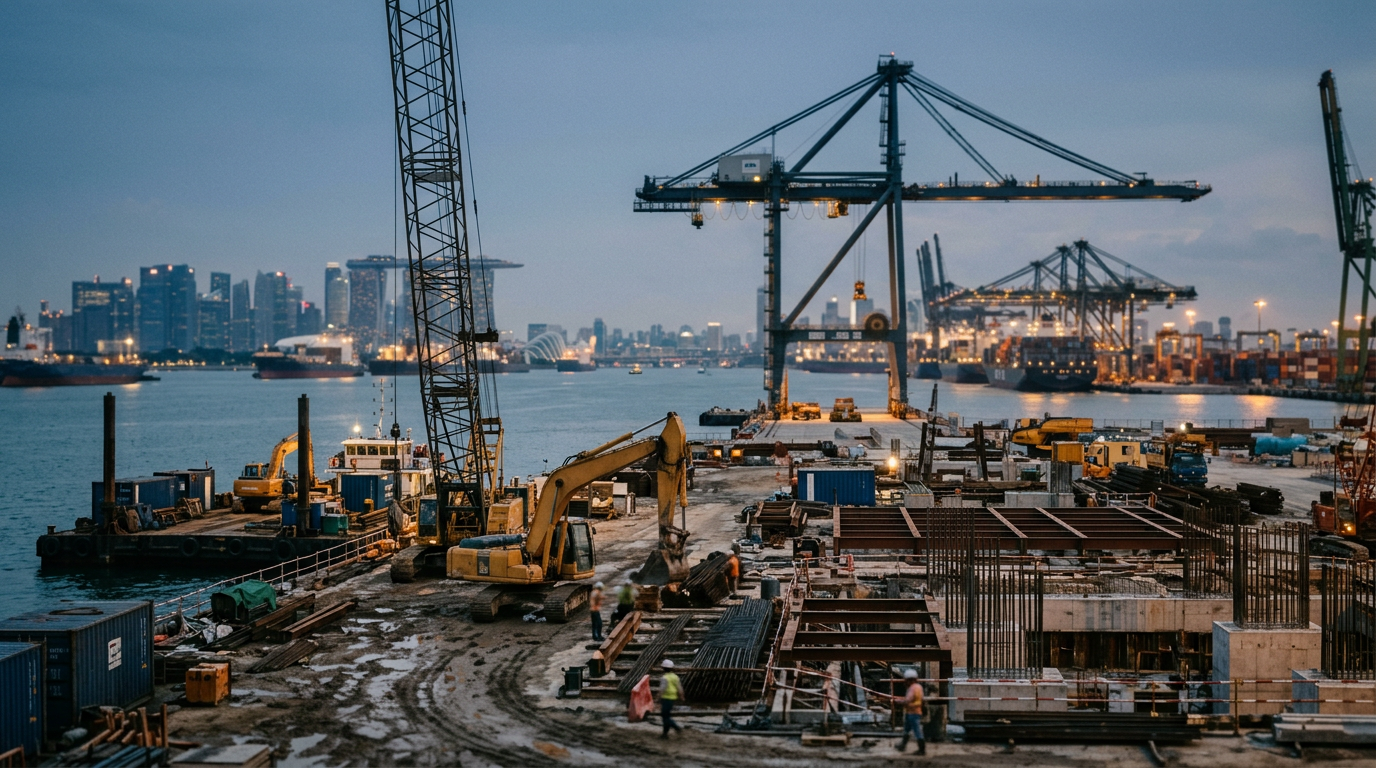
Singapore's economic planners have announced a new wave of mega-projects, covering infrastructure, construction, power, and tourism. A recent OCBC research note, reported in the Straits Times, frames these initiatives as a potential multi-decade driver of investment. The plans are certainly ambitious, spanning new port facilities, an expanded airport terminal, and extensive new tourism and residential zones. Yet, as with all large-scale development, the gap between the announcement and the outcome is wide. The success of these projects will hinge on Singapore's ability to execute on the ground.
From Vision to Investable Depth
The core challenge for any nation undertaking large-scale projects is translating grand visions into concrete, investable realities. It is one thing to announce a multi-billion dollar project and another to manage the complex, multi-year process of making it happen. As the book "ASEAN Rising" notes in its analysis of development across the region, "Scale matters only when institutions can turn it into investable depth." While Singapore has a world-class reputation for the quality of its institutions, these projects will test their capacity in new ways.
Each project carries a heavy logistical burden. This includes everything from detailed engineering and environmental assessments to land acquisition and preparation. Securing reliable and cost-effective power sources is another significant undertaking, particularly as Singapore pushes for greater sustainability. These foundational elements are less glamorous than the initial announcements but are essential for turning a blueprint into a functional asset that attracts and retains private capital.
The Constraints of Capital and Talent
Singapore's plans require immense capital and a highly skilled workforce. While the city-state has deep financial markets, the sheer scale of these concurrent projects will require careful financial management and the attraction of substantial foreign direct investment (FDI). Global investors are drawn to headlines, but their final commitment depends on the slower, more detailed work of due diligence. They will look for clarity on permits, the reliability of local partners, and the long-term policy environment. The book paraphrases this reality by noting that announced FDI travels fast, but realised investment flows depend on the slower work on the ground.
Talent is another constraint. Singapore needs a steady supply of engineers, project managers, construction workers, and specialised technicians to build and operate these new facilities. This demand comes at a time of a tight domestic labor market and global competition for skilled professionals. The government's ability to train, attract, and retain the necessary human capital will be a determining factor in the projects' success and long-term viability. Without the right people, timelines slip and costs rise, undermining the investment case.
What to watch
Beyond the headline announcements, observers should monitor the progress of enabling works and the flow of realised investment as reported by government agencies. Pay attention to how Singapore addresses manpower and energy requirements for these large-scale projects. The government's ability to manage these practical constraints of execution, capital, and talent will determine if these mega-projects fulfill their promise or become cautionary tales of ambition exceeding capacity.