Malaysia
Thailand: FDI Flows Depend on More Than Just Intent
Foreign investment intentions are one thing; realised investment is another. HSBC's focus on the Thailand-Japan corridor highlights the enduring appeal of Thailand, but also the institutional work needed to convert investor interest into tangible projects.
HSBC is reinforcing its commitment to the Thailand-Japan investment corridor, a significant financial artery in Southeast Asia. As reported in the Bangkok Post, Japan's cumulative foreign direct investment (FDI) in Thailand has reached US$104 billion, a testament to a long-standing economic relationship. The bank's move signals confidence in the continued growth of this corridor. Yet, the journey from investment announcement to operational reality is complex. It highlights the difference between investor intent and the actualisation of capital on the ground, a process heavily dependent on a nation's institutional capacity.
Institutions and Execution
The gap between announced and realised FDI is a persistent issue across ASEAN. Capital commitments, such as those from Japanese firms in Thailand, are a strong signal of economic potential. However, the book "ASEAN Rising" notes that "realised flows depend on the slower work of land, permits, power and talent reaching the ground." Thailand, like its neighbors, must continuously refine the frameworks that govern these factors. The efficiency of its Board of Investment in facilitating approvals, the clarity of land acquisition laws, and the reliability of the power grid are foundational elements that investors scrutinise.
For Japanese manufacturers, a key contingent of investors in Thailand, the quality of execution is paramount. Their supply chains are intricate, and production schedules are tight. Delays in securing permits for a new factory or interruptions in electricity supply can have significant financial consequences. Therefore, while high-level agreements and banking support from institutions like HSBC create a conducive environment, the ultimate success of these investments hinges on the administrative and operational execution within Thailand itself. The US$104 billion figure reflects past successes in this area, but it also sets a high bar for future performance.
Infrastructure and Talent
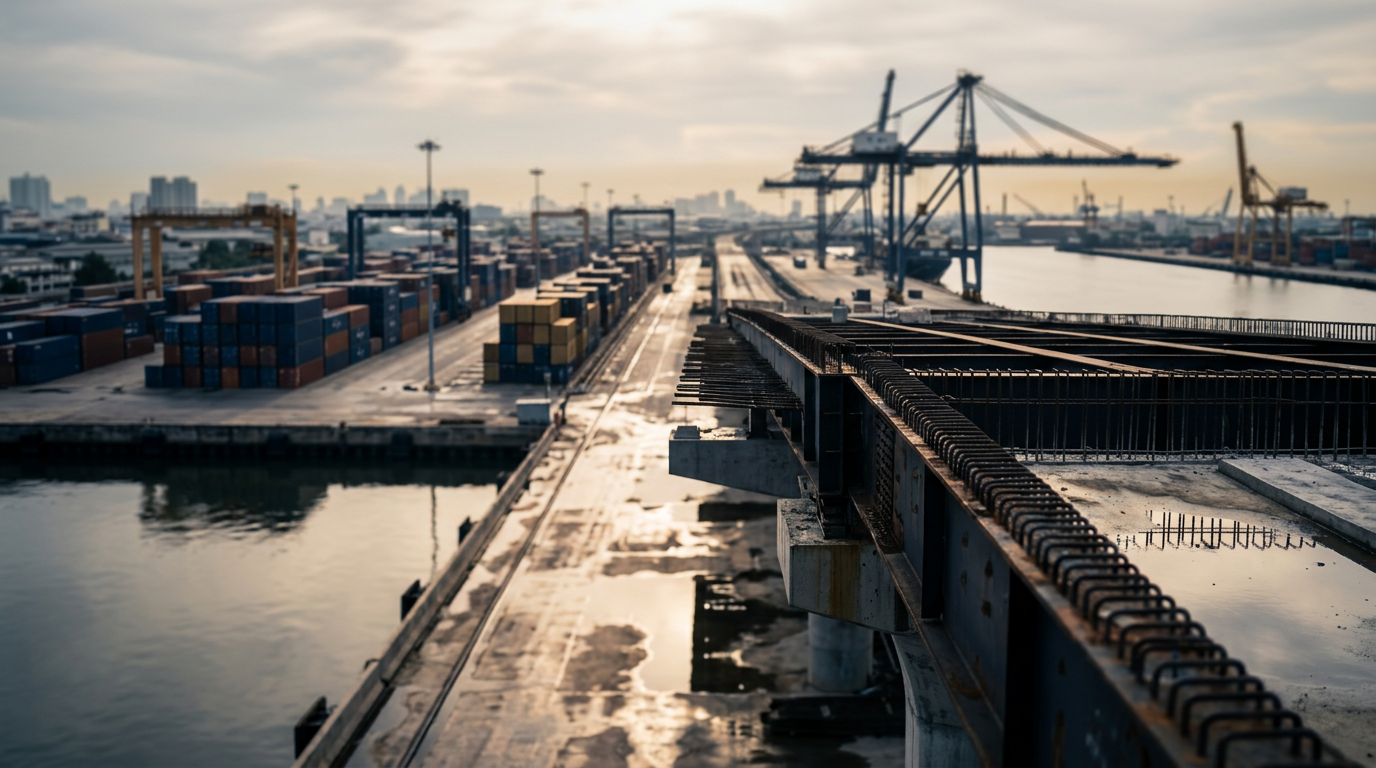
Thailand's Eastern Economic Corridor (EEC) is a prime example of a national strategy to connect infrastructure with investor needs. The initiative aims to develop world-class logistics, industrial estates, and smart city infrastructure to attract high-tech industries. This is a direct attempt to address the physical requirements of modern manufacturing and service industries. The success of the EEC will be a major factor in determining whether the next wave of Japanese and other foreign investment materialises as fully-realised projects or remains as unfulfilled announcements.
The human element is equally important. Attracting sophisticated investment requires a workforce with the right skills. Thailand has a long history of vocational and technical training, particularly in the automotive and electronics sectors, which has served Japanese investors well. However, as investment shifts towards higher-value areas like robotics, biotechnology, and advanced materials, the demands on the talent pool evolve. The availability of engineers, data scientists, and skilled technicians becomes a primary consideration for any company looking to establish a sophisticated presence in the country. Ongoing investment in education and workforce development is as vital as the physical infrastructure of ports and power plants.
What to watch
The focus of HSBC and its clients on the Thailand-Japan corridor will be a useful indicator of Thailand's institutional competitiveness. Observers should monitor not just the headline FDI announcement figures, but the progress of specific projects within the EEC and elsewhere. Attention should be paid to the government's ability to streamline regulatory processes and the capacity of the educational system to supply the skilled labor required by next-generation industries. The conversion rate of announced FDI into completed projects will show how well Thailand is translating its strategic economic goals into reality.