
ASEAN Analysis & Commentary
Every analysis published on ASEAN Rising is sourced, datestamped and signed. We're more interested in being right in 12 months than first in 12 minutes.
Foundation pieces
Start here. The three pieces below set out the lens ASEAN Rising uses to read every story.
ASEAN Rising's core lens. Execution Economics is the study of whether countries, companies and institutions can convert obvious potential into delivered outcomes - and which six pillars decide the answer.
The region has capital, demographics, location and policy ambition. None of that has ever been the binding constraint. The next decade is an execution test, not a potential test - and it is already being scored.
Malaysia is the test case for whether ASEAN's middle powers can turn FDI, semiconductors and data centres into compounding domestic capability. Read the live coverage and execution scorecard.
Analysis tagged #semiconductors
 Thailand
's Semiconductor Ambitions Test ASEAN's FDI Execution Gap
Announced foreign direct investment is one thing; realised investment is another. Thailand's push to become a semiconductor hub shows how turning promises into projects requires deep institutional capacity.

 Vietnam
's Tech Ambitions Test Its Talent and Infrastructure
Vietnam is attracting significant interest from technology investors. However, turning this interest into realised investment will depend on developing a skilled workforce and improving infrastructure.
 Thailand
Data Centers, Not Just Oil and Gas, Compete for Chips
Thailand's ambition to become a major data center hub is running into the global semiconductor shortage. The country's success depends on coordinating infrastructure and regulatory planning to attract hyperscale investment.
 Vietnam
's High-Tech FDI Ambitions Meet a Talent Bottleneck
FDI announcements travel quickly. Realised flows depend on the slower work of land, permits, power and talent reaching the ground. For Vietnam, the talent gap is now the primary constraint on its high-tech ambitions.
 Thailand
's Data Center Boom and the Industrial Squeeze
A rapid rise in demand for advanced semiconductors from data centers and AI applications is creating supply challenges for the oil and gas industry in Thailand.
 Thailand
: Ambition and Execution in the Semiconductor Race
FDI announcements are one thing. Execution is another. Thailand's bid to become a semiconductor hub will depend on its ability to build the infrastructure and talent to support the investment.
 Thailand
: Beyond the Semiconductor Hype
Announcements are easy, but execution is hard. Thailand's push into the semiconductor industry depends on the slower work of building the infrastructure and talent to support it.
 Thailand
: Beyond the FDI Announcement
Thailand is making a serious bid to become a regional semiconductor hub, but the real work begins after the press releases. Scale matters only when institutions can turn it into investable depth.
 Thailand
: Beyond the FDI Announcement
FDI headlines are easy. Execution on industrial policy is harder. Thailand's semiconductor ambitions depend on getting the details right.
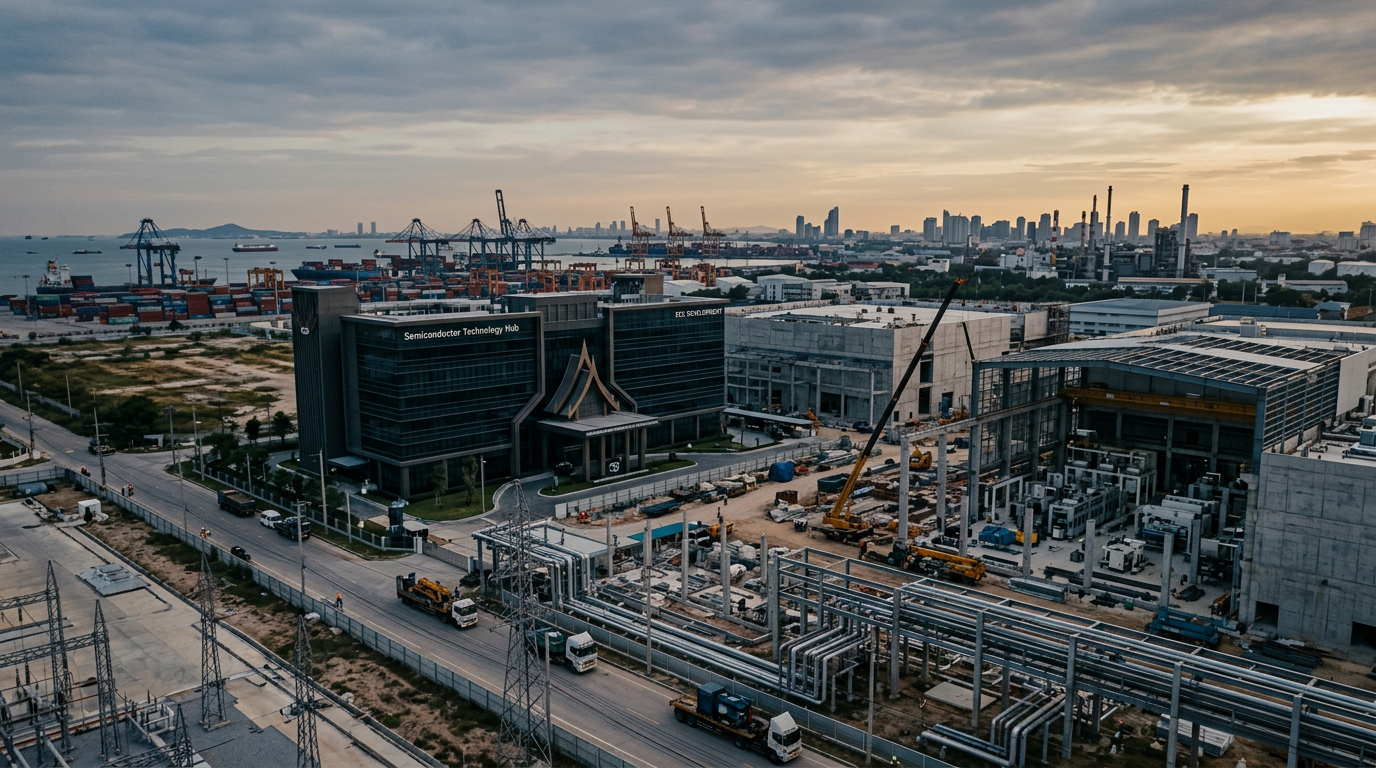 Thailand
 Bets on Institutions to Realise FDI in the Semiconductor Sector
Thailand is making a concerted push to capture a larger share of the global semiconductor supply chain. Success will depend on the hard work of building institutional capacity to turn foreign direct investment announcements into productive assets.
 Thailand
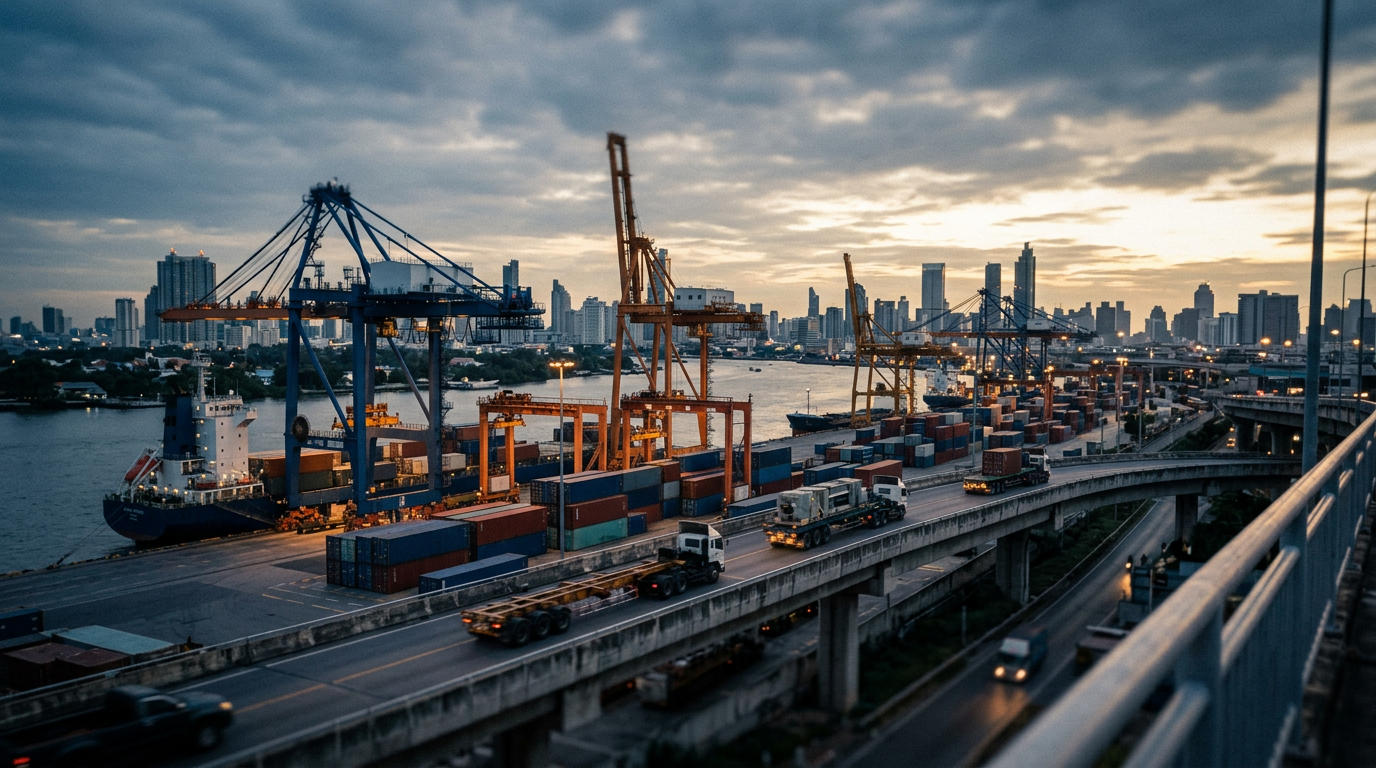
 Bets on Execution to Win in Semiconductors
Thailand is moving to solidify its position in the global semiconductor supply chain, but winning FDI commitments is only the first step. Execution on infrastructure, talent, and permits will determine its success.

 Myanmar
State Capacity and the Data Center
New power architectures for data centers are a reminder that institutional reliability has become part of comparative advantage. A usable state is often more valuable than an exciting one.

 Malaysia
The semiconductor industry highlights the benefits and complexities for Malaysia as it navigates its trade relationship with China, balancing economic gains against the risks of dependency.
 Vietnam
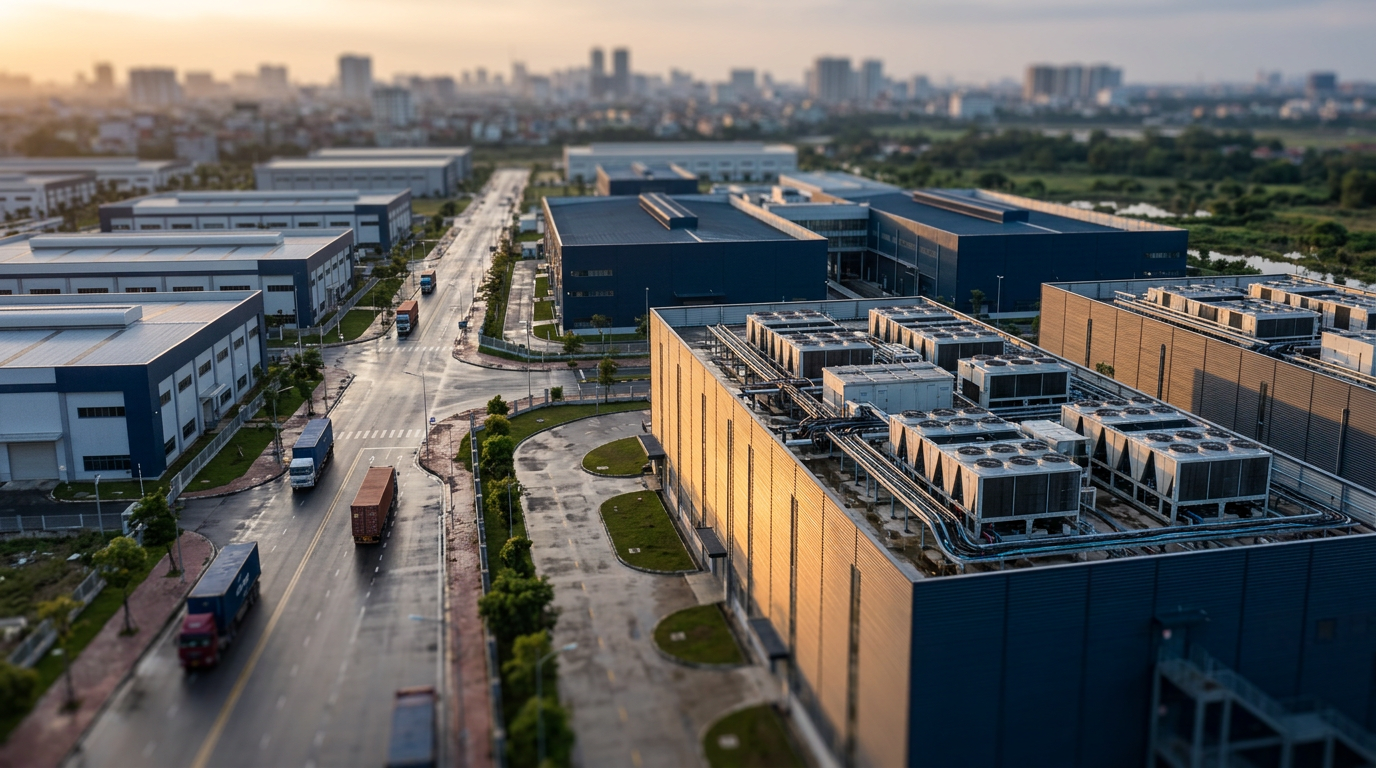
's Push for AI Sovereignty
Hanoi's recent courtship of global tech giants like Qualcomm and Samsung for AI and semiconductor investment is not just about upgrading its technology sector. It reflects a deeper, region-wide ambition for sovereign AI, where control over compute, data, and digital identity.

US Chip Controls and ASEAN's Bind
The latest US semiconductor export controls targeting China create new complexities for ASEAN nations, forcing them to navigate a deepening dependency on Chinese trade while managing strategic risks.
 Malaysia
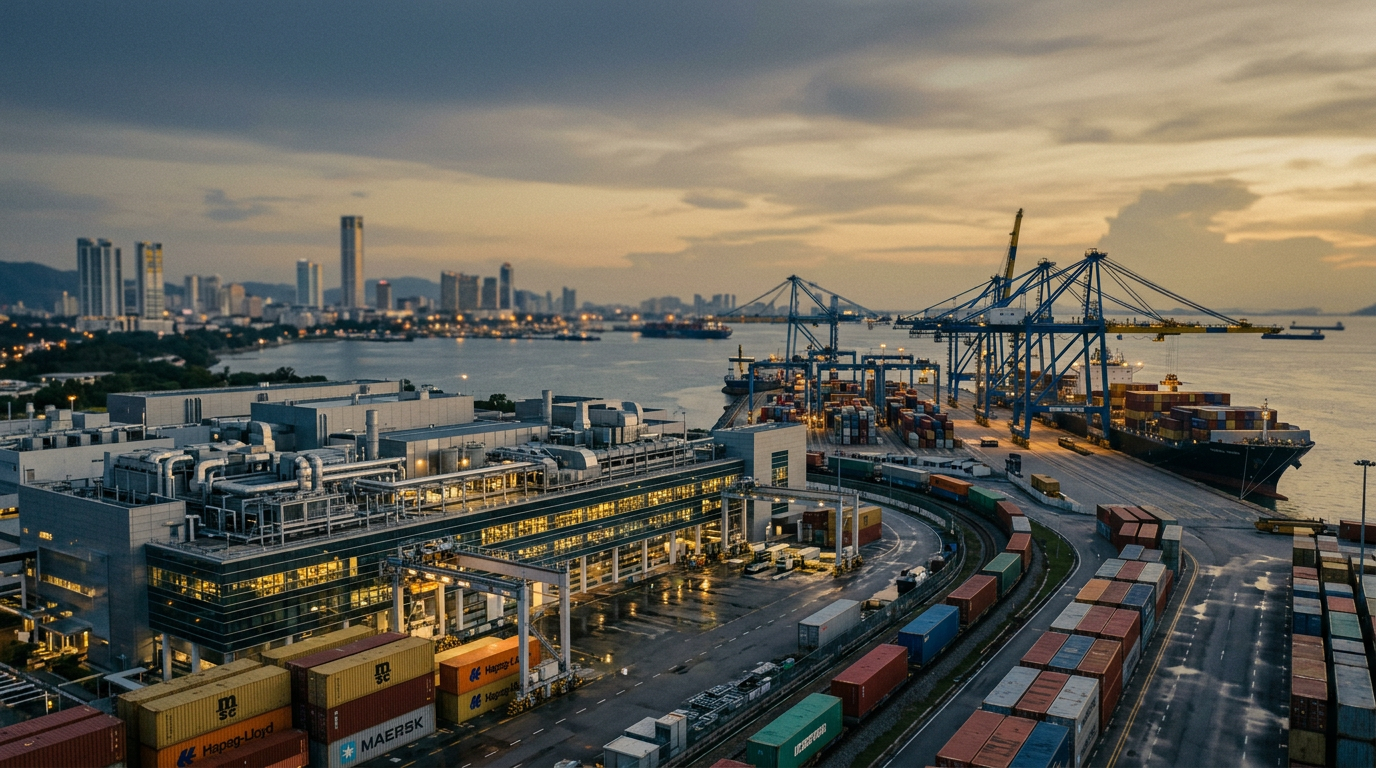
's Semiconductor Rise and the China Question
Robust semiconductor shipments are helping sustain Malaysia's export momentum. This highlights the sector's growing importance, but it also surfaces a deeper question about how to manage economic dependency in a strategic industry.
 Thailand
's $80bn Semiconductor Ambition
Thailand aims to attract $80 billion in semiconductor investment by 2050. Success will depend on the slow work of improving institutions, infrastructure, and talent.
 Malaysia
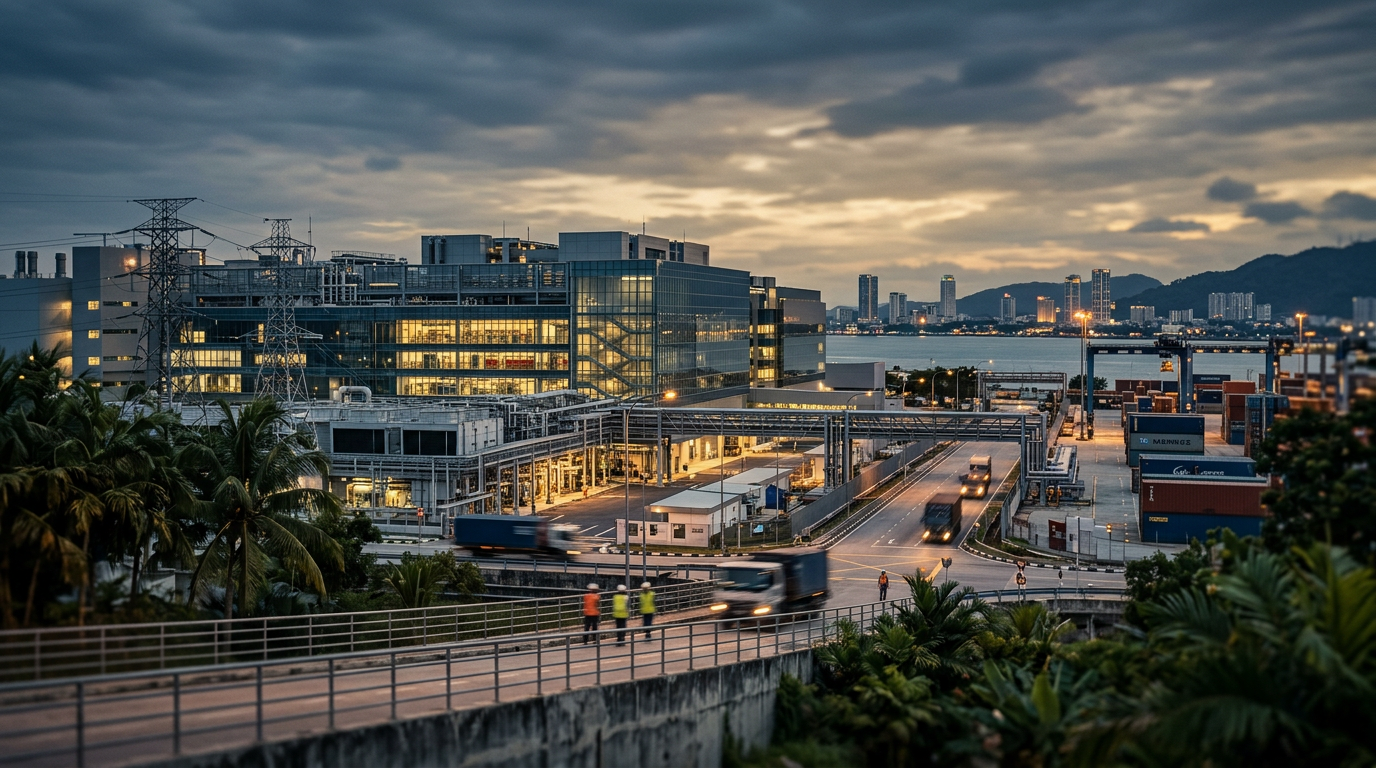
's Semiconductor Boom and the China Question
Malaysia's semiconductor success, fueled by AI and data center demand, highlights a deeper structural reality for ASEAN: managing economic dependency on China while preserving strategic options.
 Vietnam
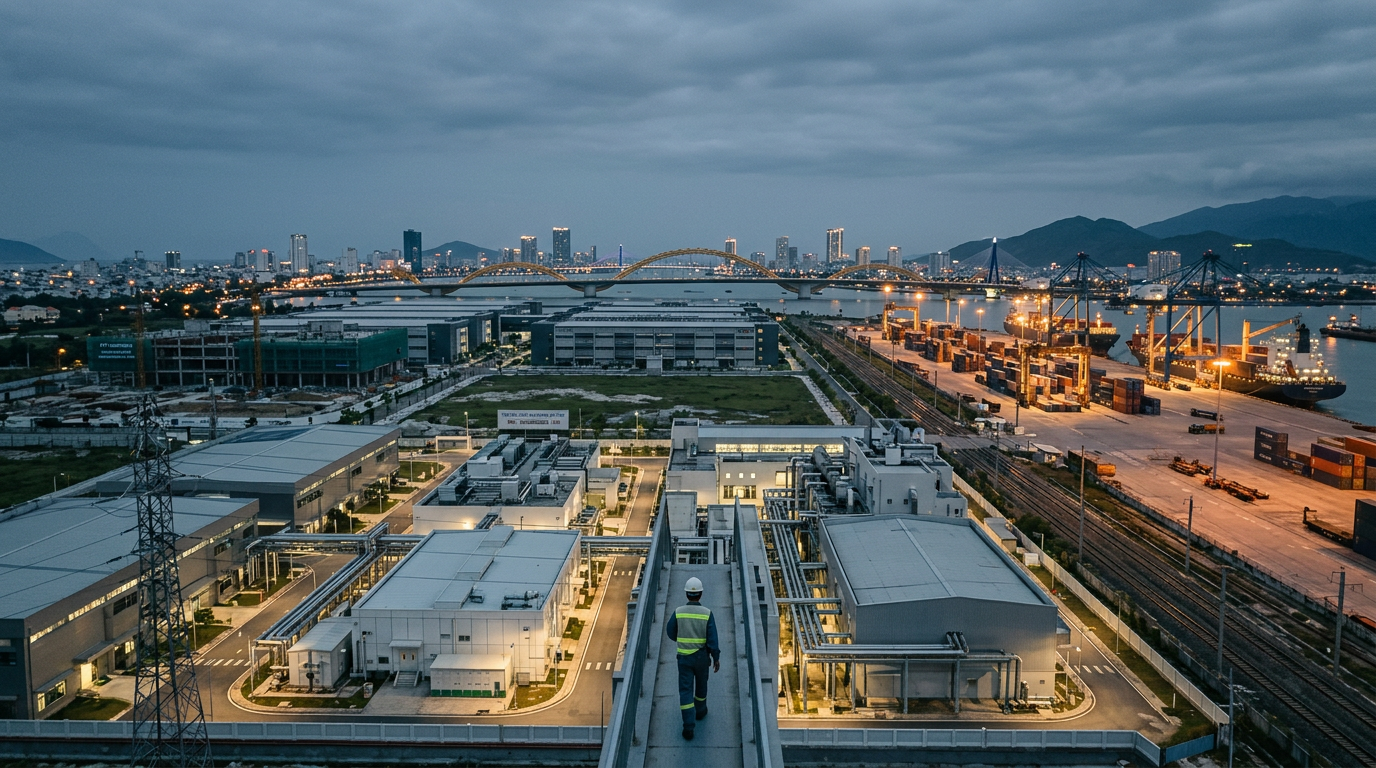
The Hard Work of Viet Nam's Chip Ambitions
FDI is flowing into Viet Nam's semiconductor sector, but turning ambition into reality requires more than just capital. It requires a concerted focus on the foundational elements of talent, infrastructure, and institutional execution.
 Malaysia
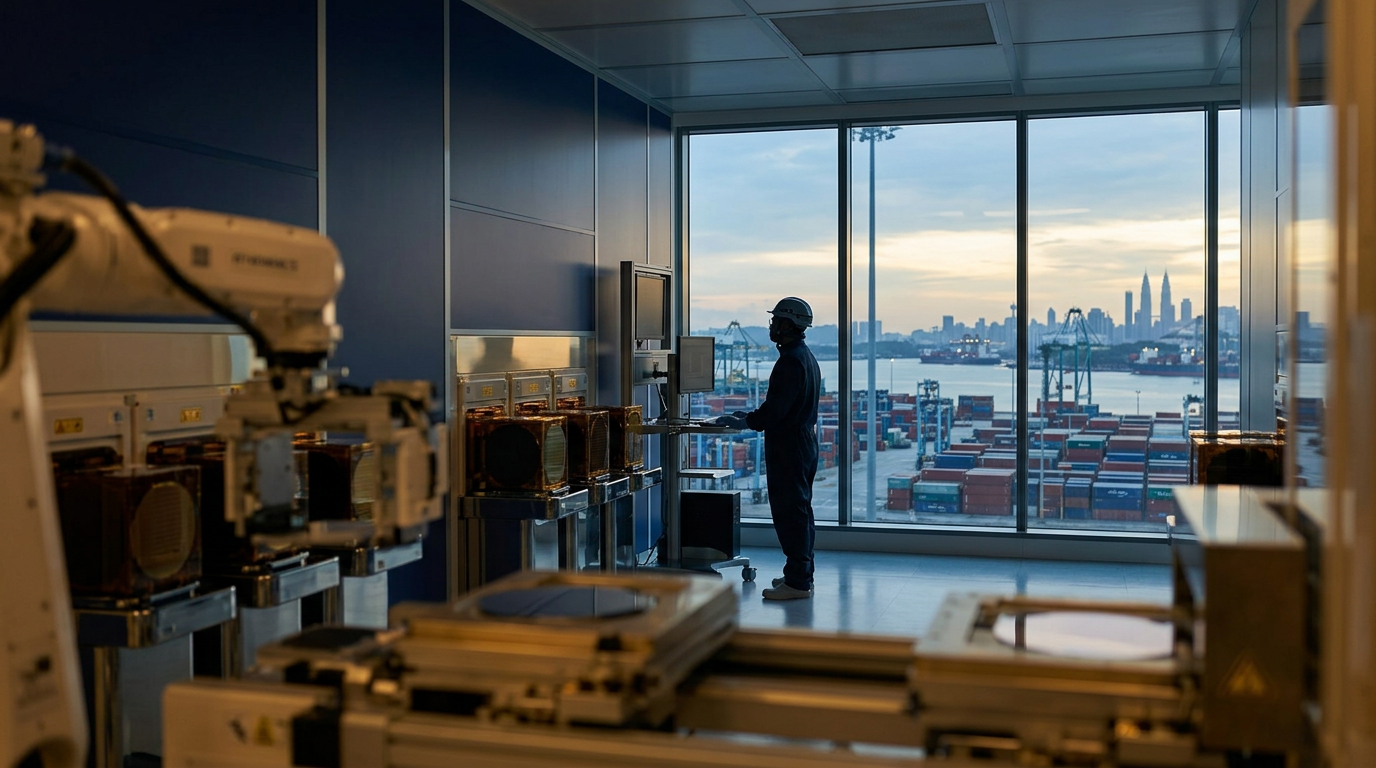
's Semiconductor Ambitions and the China Question
Malaysia has long been a quiet giant in the global semiconductor industry, but its ambition is growing. As it seeks to move up the value chain, it must navigate its deep economic ties with China while managing strategic dependencies.
 Malaysia
, India, and the semiconductor play
Malaysia seeks to expand its semiconductor collaboration with India, but the real test lies in building the institutional capacity and talent base to move up the value chain.
 Vietnam
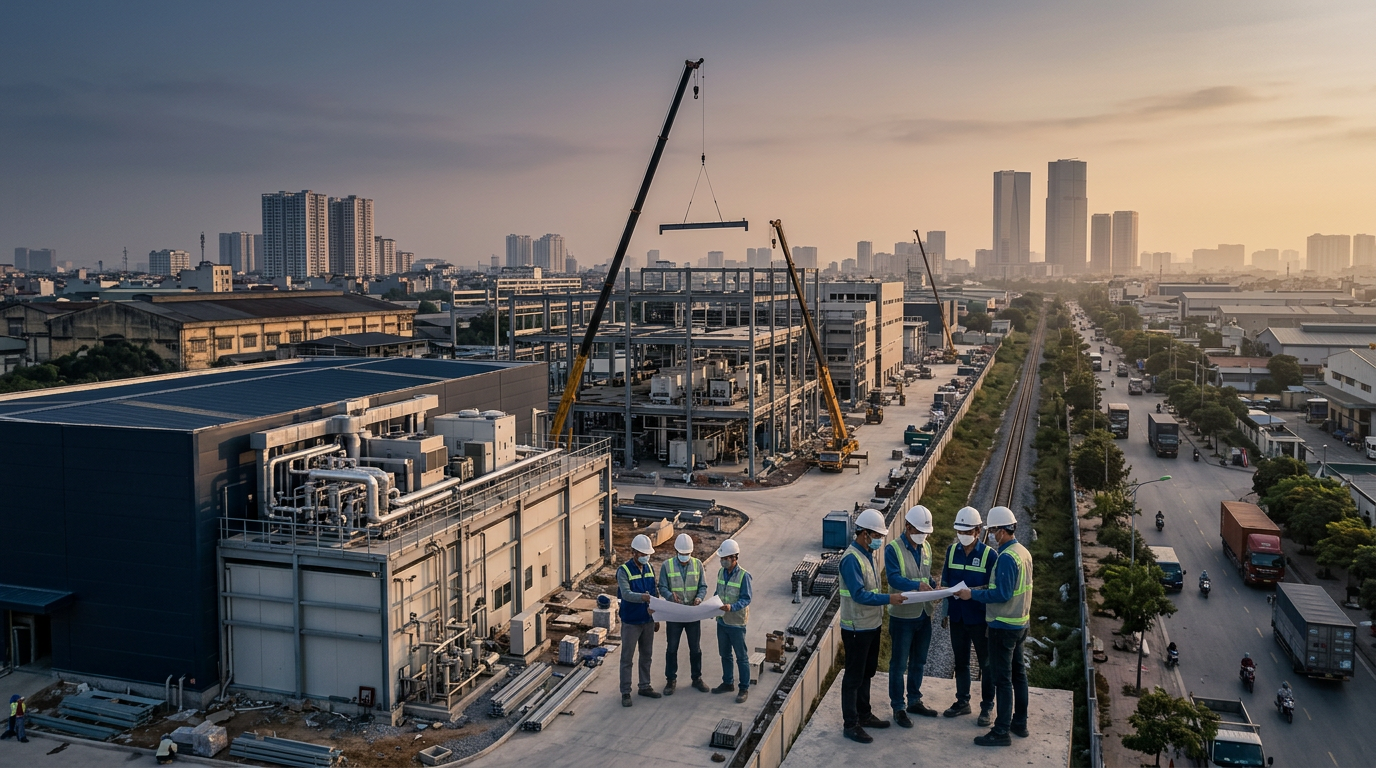
's Semiconductor Ambitions Test Its Institutions
Hanoi has attracted significant foreign investment in semiconductors, but turning those announcements into reality will require a concerted focus on institutions, infrastructure, and talent.
 Vietnam
: From FDI Magnet to Supply Chain Power
Vietnam is moving to strengthen its domestic supply chains for electronics and semiconductors, a crucial step in maturing from a destination for foreign direct investment to a self-sufficient industrial power.
 Malaysia
's Chip Boom and the China Question
An industry chief's forecast of a US$223 billion export year for Malaysia's electrical and electronics sector highlights the delicate balance ASEAN members must strike between seizing semiconductor supply chain opportunities and managing deep economic ties with China.

 Indonesia
Sovereign AI in ASEAN: Beyond the Model
Sovereign AI in ASEAN will be tested not by model launches but by who controls the compute, the data layer and the digital identity rails that sit underneath everyday economic life.
 Malaysia
Malaysia's Budget 2027 proposal for the semiconductor industry highlights a deep-seated challenge for ASEAN: how to manage economic dependency on China while building national industrial capacity.
 Vietnam
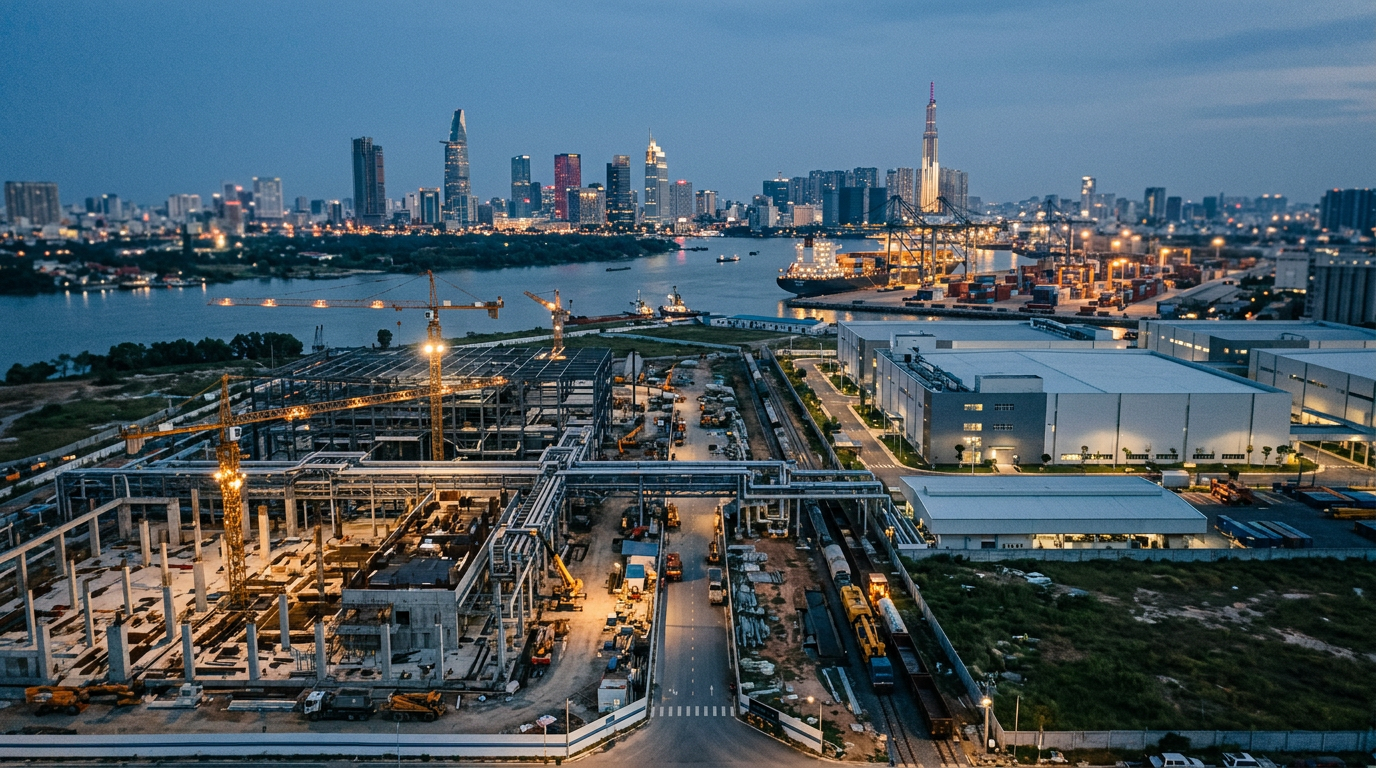
's Semiconductor Ambitions Test Its Institutional Capacity
Vietnam is making a concerted push into the semiconductor industry, but its success will depend on its ability to translate ambitious plans into on-the-ground execution. Can the country's institutions build the necessary infrastructure and talent base?
 Vietnam
's High-Income Ambitions and the FDI Test
Vietnam's semiconductor boom is a major opportunity, but turning FDI announcements into realised investment and sustainable growth requires a focus on institutional quality and execution.
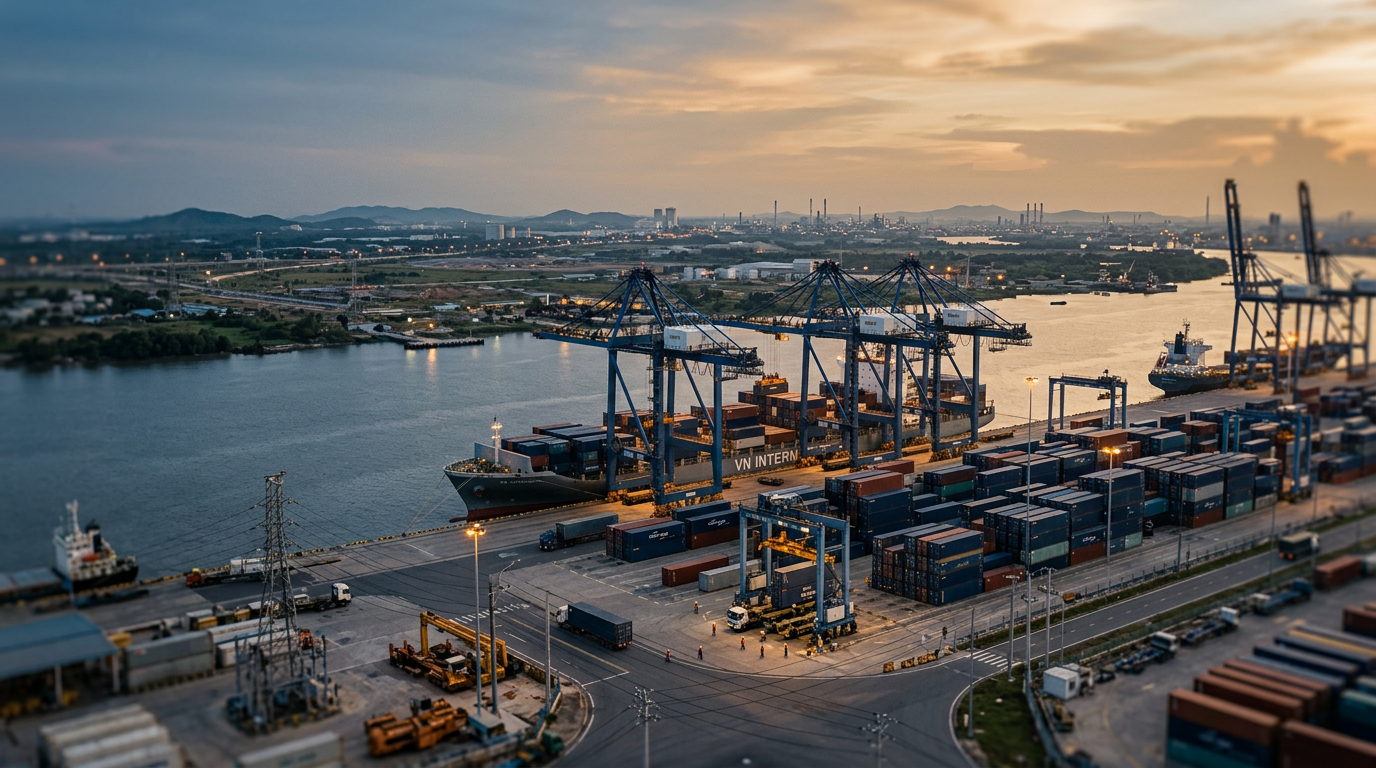 Vietnam
Can Vietnam build a semiconductor industry?
Pledged FDI is one thing, but realised investment is another. For Vietnam, the slow work of building institutions, infrastructure, and human capital is what will determine its semiconductor future.
 Vietnam
: From FDI Promises to Realised Flows
Global shifts in semiconductor supply chains and effective macroeconomic policies are creating new opportunities for Vietnam to attract technology investment and sustain economic growth.

 Philippines
Sovereign AI needs more than factories
The Philippines is learning a hard lesson in the global chip race: attracting foreign factories is not a substitute for a national industrial strategy that builds sovereign capabilities in compute, data, and digital identity.
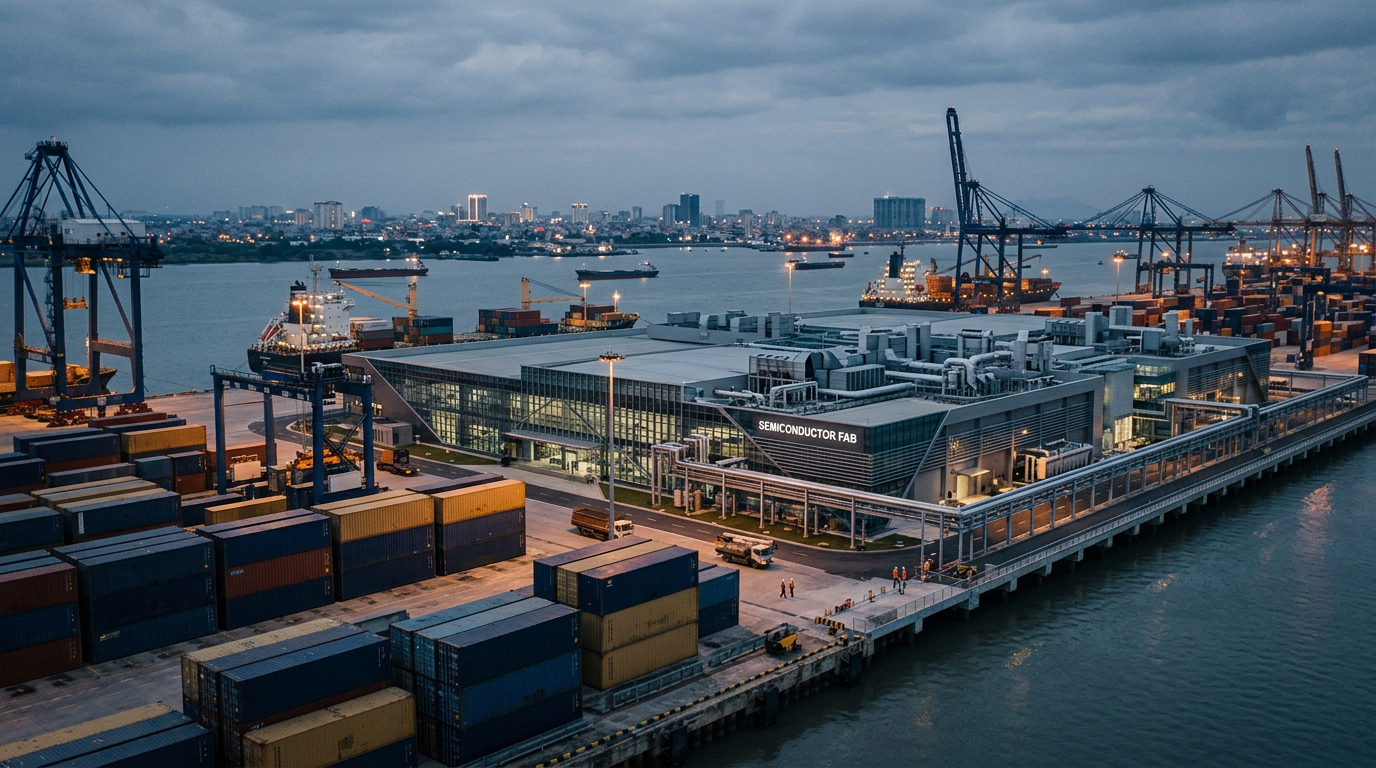 Vietnam
 Applies FTZ Model to Semiconductor Ambitions
Vietnam has opened the Haiphong Free Trade Zone to attract high-value foreign investment. This tests the country's ability to match policy with execution in the semiconductor sector.

 Singapore
US Chip Controls and the China Trade Problem
US export controls on AI chips are creating new compliance risks for ASEAN businesses, highlighting the deep structural challenge of managing China trade dependency.
 Philippines
The Philippines' Digital Gambit: Infrastructure for the Pax Silica
The Philippines has an opportunity to capture significant investment from the US-led Pax Silica initiative. However, success will depend on more than just announcements; it requires a concerted effort to build the digital and physical infrastructure needed to turn potential.
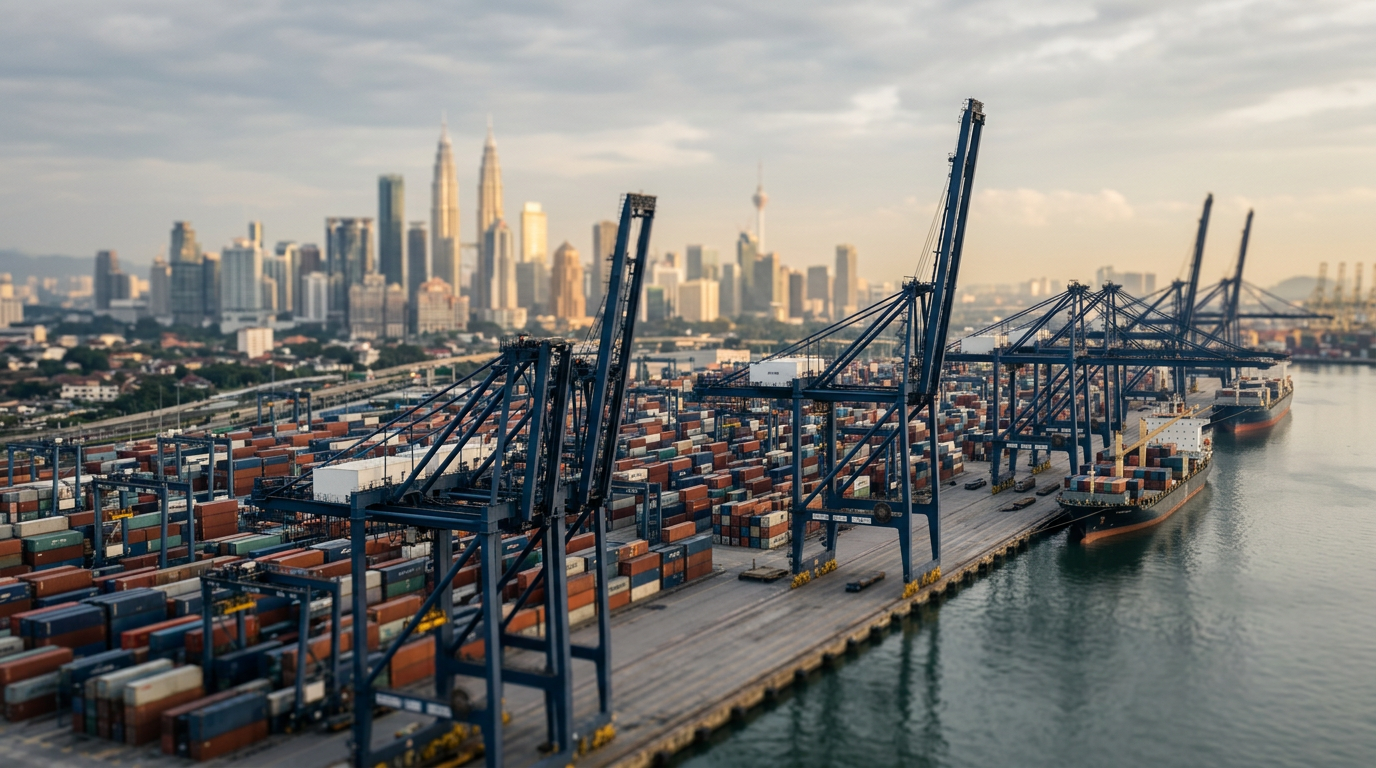 Malaysia
Trade depth with China is now a structural feature, not a cyclical one. The question for ASEAN governments is no longer whether to engage, but how to manage dependency without losing optionality.
 Vietnam
's High-Tech Directive Tests Its Institutional Capacity
Hanoi has set ambitious goals for mastering rare earth and semiconductor processing by 2030, but success will depend on aligning institutions and developing the necessary talent and infrastructure.
 Philippines
The Philippines Bets on Semiconductor Manufacturing
A new report argues the Philippines should focus on attracting foreign investment into semiconductor manufacturing, leveraging the global AI boom, rather than chasing data center investments. This puts the spotlight on the country's ability to translate investment announcements.
 Vietnam
's Chip Ambitions Face an Institutional Test
Vietnam's semiconductor aspirations are running ahead of its institutional capacity. Announcements are easy. Implementation is the hard part.
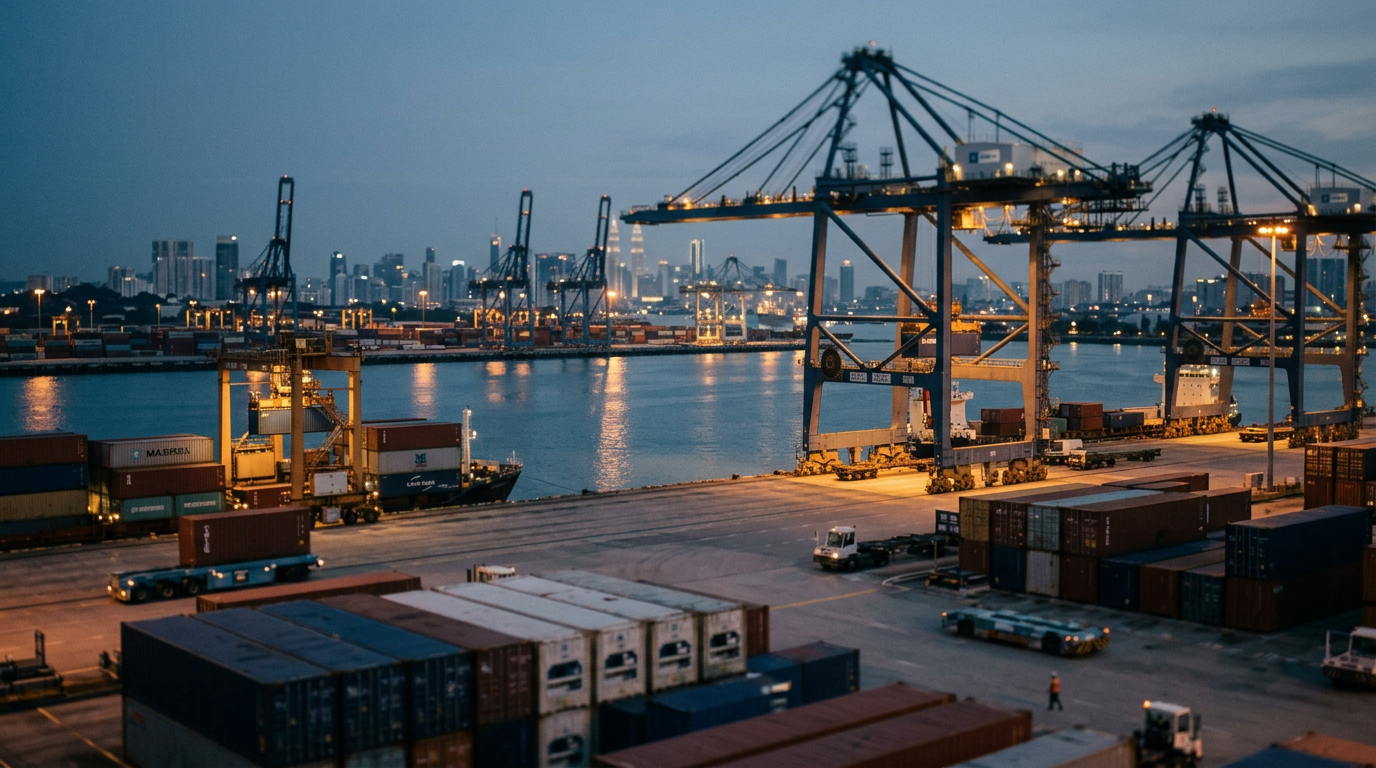 Malaysia
, China, and the semiconductor value chain
Malaysia is the world's sixth-biggest exporter of semiconductors, holding 13% of the market for back-end processes, second only to China. This trade depth with China is now a structural feature, not a cyclical one.
 Vietnam
, China, and the semiconductor long game
Vietnam's semiconductor ambitions depend on turning announcements into realised flows of capital and talent. Institutions, infrastructure, and execution are the real metrics to watch.
 Malaysia
Malaysia's E&E export surge, driven by AI demand, shows how deeply integrated ASEAN supply chains are with China. This is a structural feature, not a cyclical one, requiring careful management of dependency.
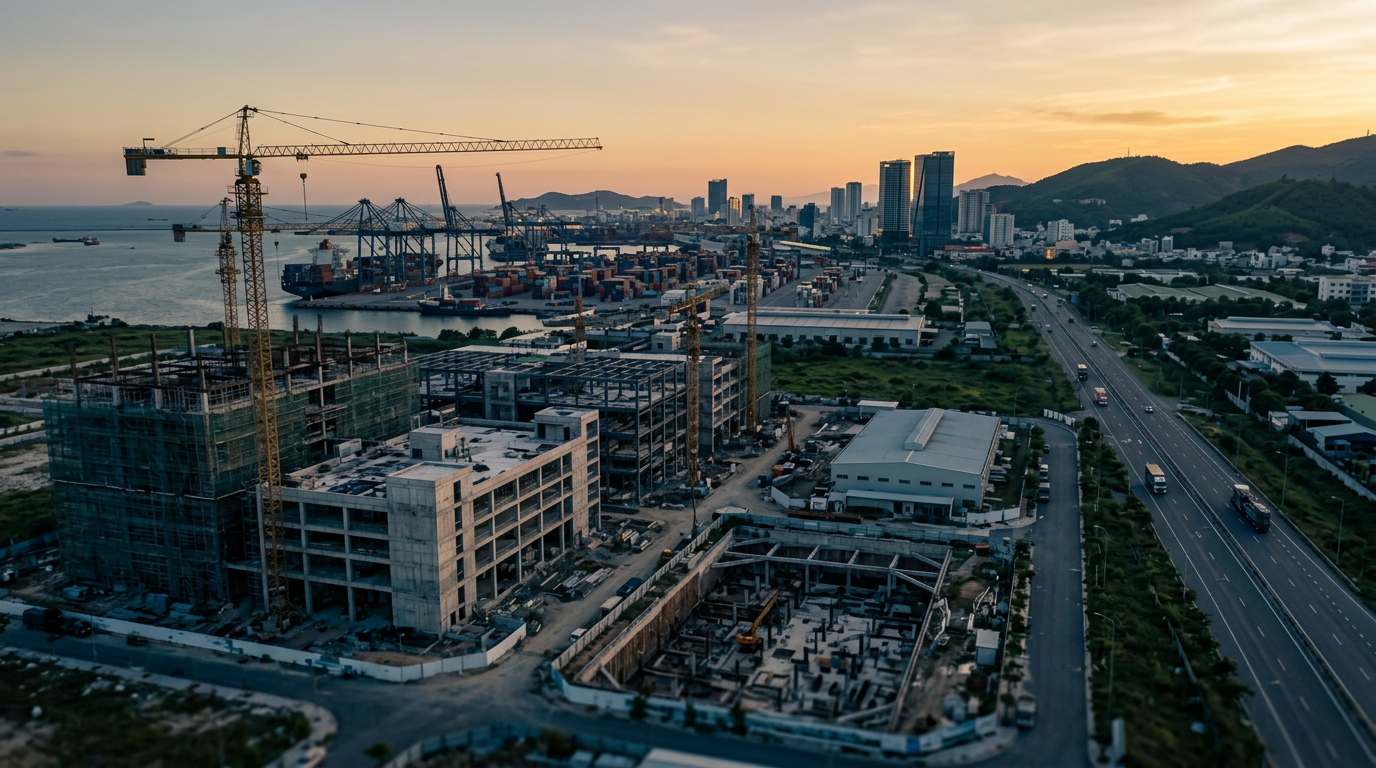 Vietnam
's Tech Ambitions Test Its Execution Capacity
Vietnam's industrial policy aims for leadership in rare earths and semiconductors. Realizing this ambition will depend on its capacity to translate policy into action on the ground.
 Vietnam
From Ambition to Execution in the ASEAN Semiconductor Race
FDI announcements travel quickly. Realised flows depend on the slower work of land, permits, power and talent reaching the ground. Can Vietnam and its neighbours build a true ASEAN semiconductor corridor?
 Vietnam
Can Vietnam's SOEs Manufacture a Semiconductor Industry?
Hanoi has tasked military-run Viettel with developing a domestic semiconductor industry. The test is whether state-owned enterprises can execute on a national industrial policy without crowding out the private sector.
 Malaysia
's High-Stakes Bet on the Global Chip Industry
Malaysia aims to lead in advanced chip packaging, a move that tests its institutional capacity to climb the value chain while navigating deep trade ties with China.
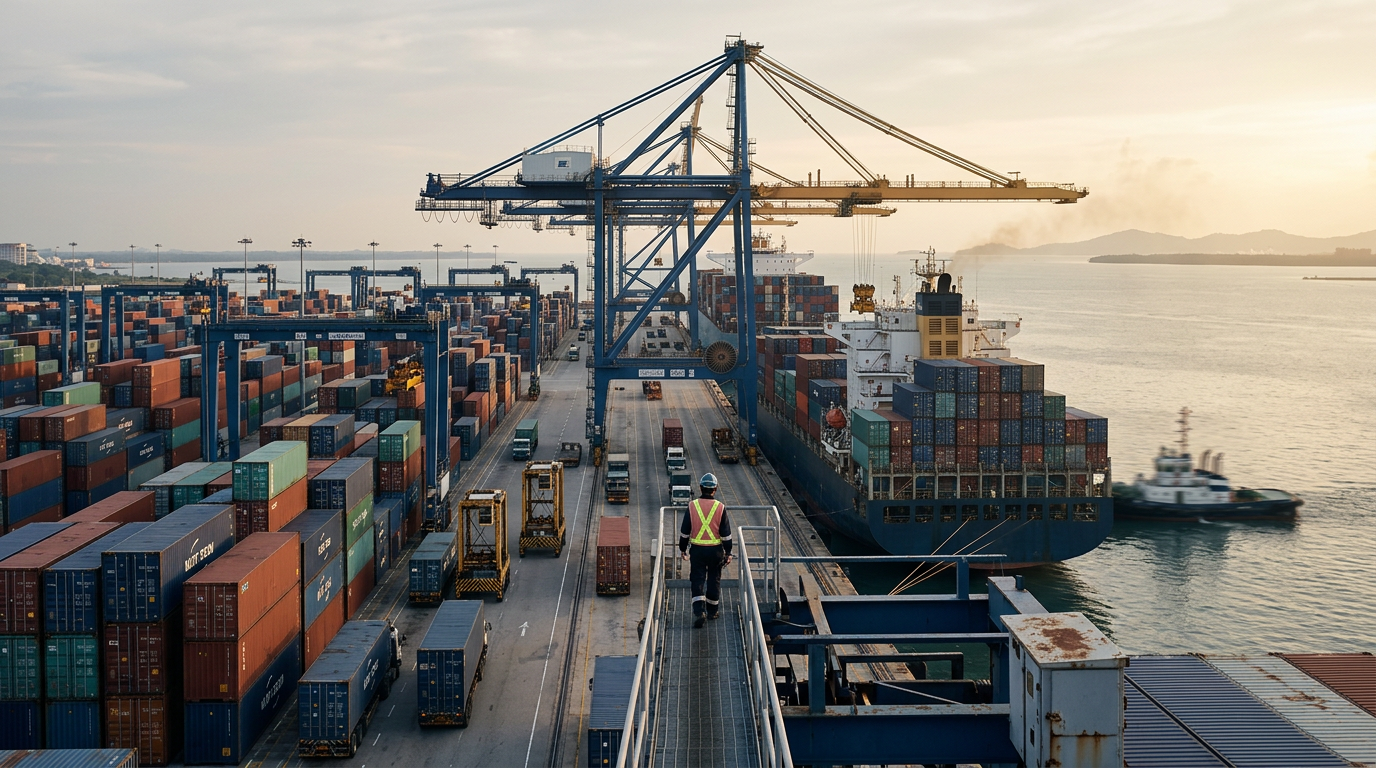 Malaysia
's Trade Resilience and the China Question
Malaysia's export outlook is expected to remain resilient despite new US tariff measures, but this resilience is built on a deep, structural trade relationship with China that requires careful management.

The Chips Are Down: ASEAN, China, and the New Semiconductor Reality
A recent report from The Diplomat highlights the efforts of six ASEAN nations to bolster their semiconductor industries. This intensifies the region's relationship with China, a trade dynamic ASEAN Rising calls a "structural feature, not a cyclical one."
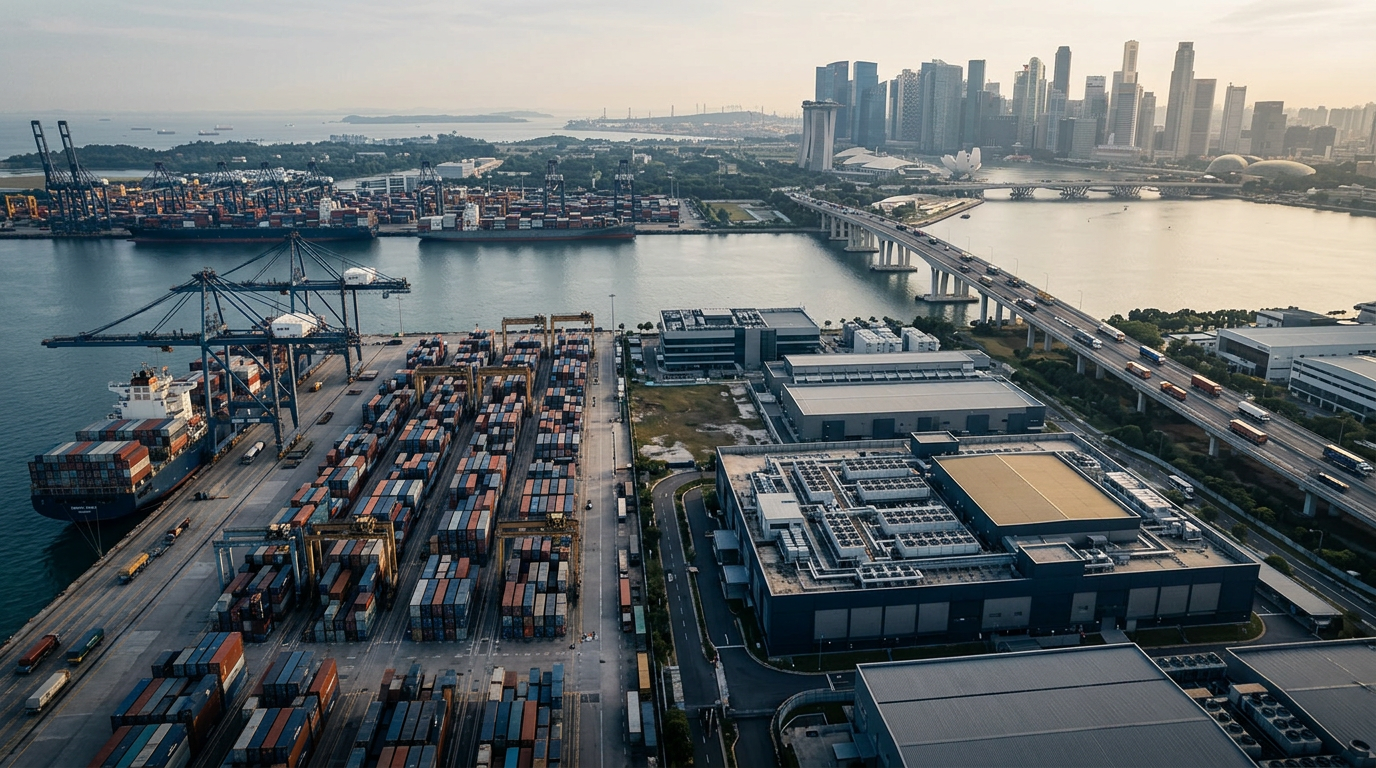
Vietnam and Singapore Ink a Semiconductor Deal. What Comes Next?
A new MoU links Vietnam's ecosystem with Singapore's business network. Realizing the gains will depend on execution.
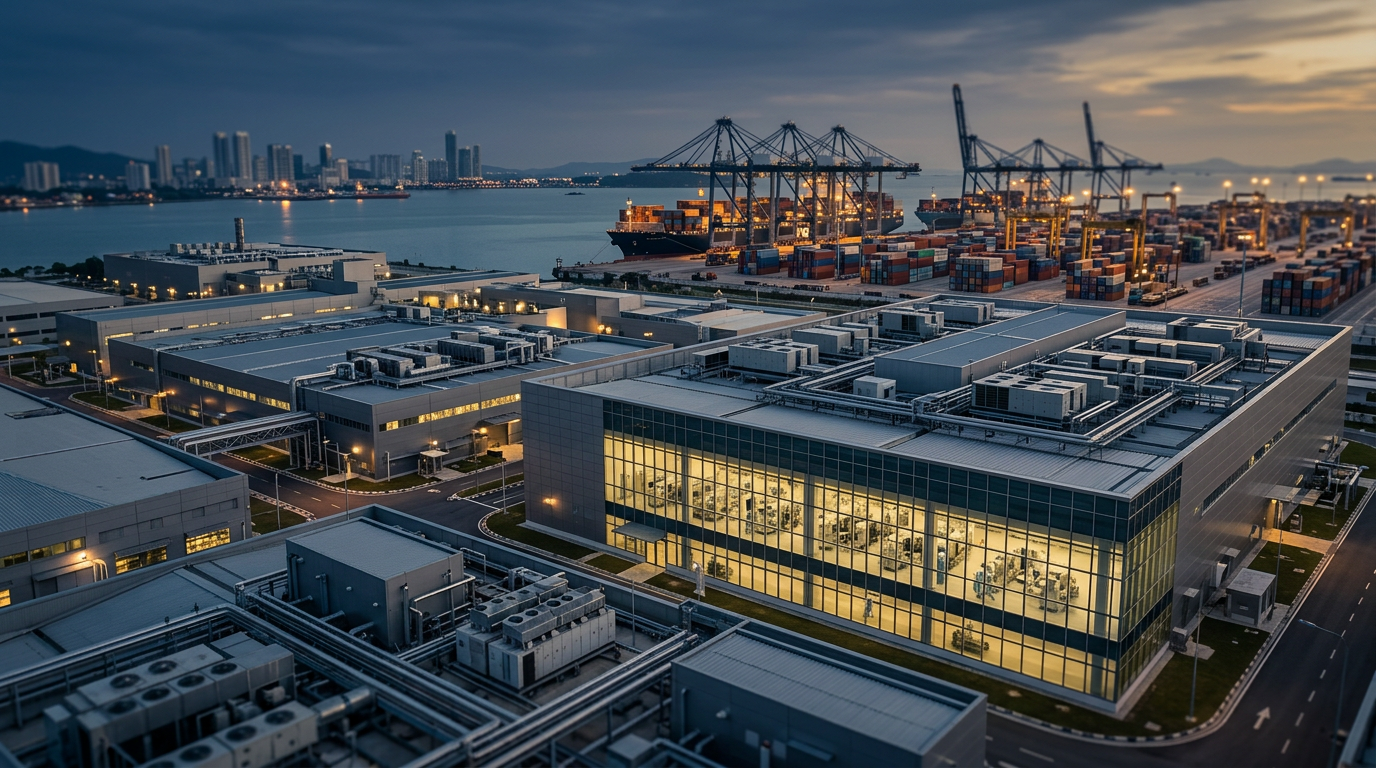 Malaysia
's Chip Boom and the Art of Managed Dependency
As Malaysia attracts billions in semiconductor investment, its success offers a case study in navigating global supply chain rivalries. The strategy reflects a core ASEAN challenge: managing economic integration with China while building strategic autonomy.
 Philippines
Philippine Business Sector Backs "Pax Silica," Highlighting the Execution Imperative
The endorsement of the "Pax Silica" initiative by a major Philippine business group shifts the focus from ambition to execution. For large-scale technology infrastructure projects, turning plans into reality requires institutional strength and a clear-eyed focus on governance.