Vietnam
Vietnam Applies FTZ Model to Semiconductor Ambitions
Vietnam has opened the Haiphong Free Trade Zone to attract high-value foreign investment. This tests the country's ability to match policy with execution in the semiconductor sector.
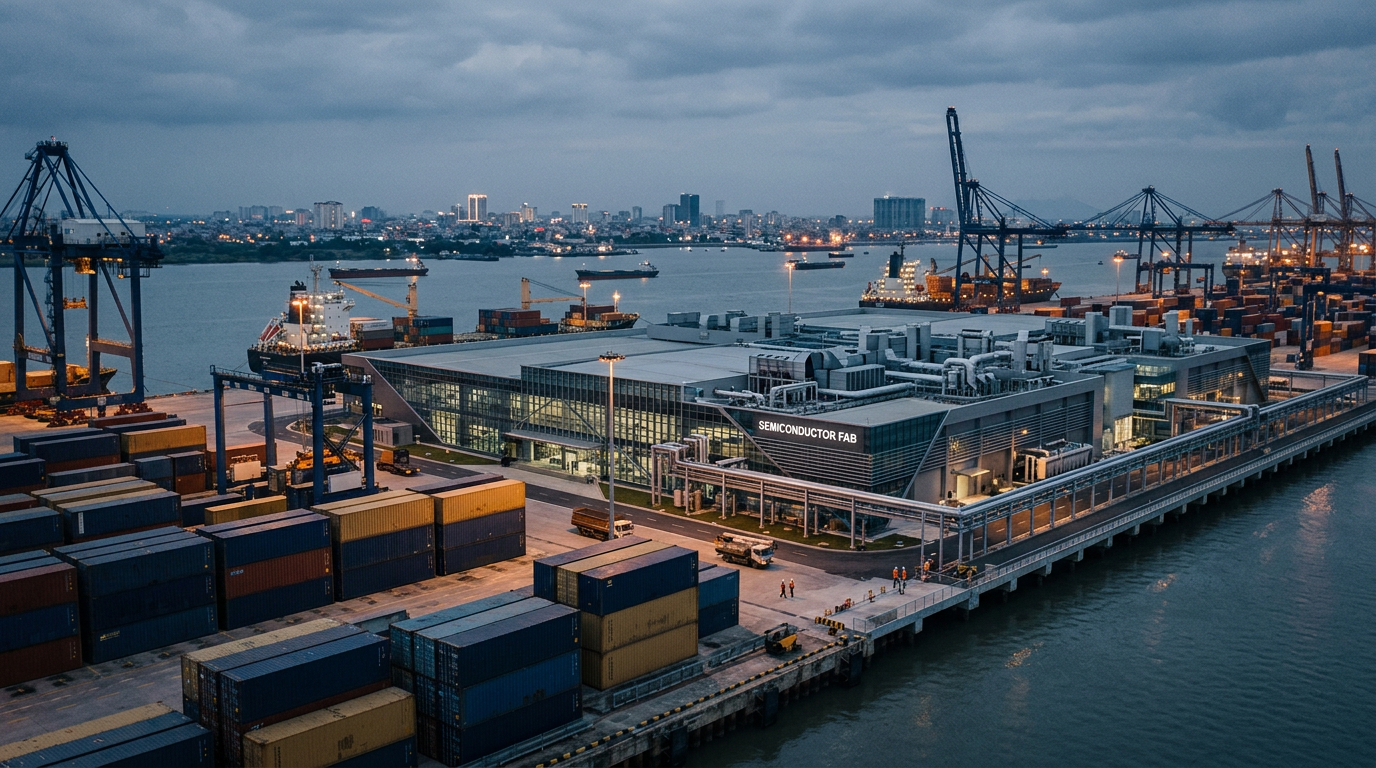
Vietnam has opened the Haiphong Free Trade Zone, a dedicated economic area designed to attract high-value foreign investment in semiconductors, precision manufacturing, and other strategic industries, according to digitimes.com. The move is a clear signal of the country's ambition to move up the industrial value chain and capture a larger share of the global technology market, particularly in the semiconductor space.
Institutions and Execution
A free trade zone is a familiar institutional tool for attracting foreign direct investment (FDI). By offering tax incentives, streamlined customs procedures, and regulatory advantages, governments aim to create a more attractive environment for international capital. However, as "ASEAN Rising" notes, the success of such initiatives depends on more than just policy pronouncements. The ability of institutions to deliver on the ground is what converts announcements into tangible economic activity.
For Vietnam, the Haiphong FTZ is a test of its institutional capacity. The government's stated goal is to create a hub for high-tech industries. This requires not just favorable policies, but also a bureaucracy capable of efficient and transparent execution. The global semiconductor industry is notoriously demanding, and companies will be watching closely to see if the Haiphong zone can deliver on its promises of speed and predictability.
Capital and Infrastructure
Attracting semiconductor manufacturing involves immense capital expenditure. The infrastructure required is also highly specialized, demanding reliable power grids, clean water, and advanced logistics networks. While the Haiphong FTZ offers a framework to attract capital, the physical infrastructure must be in place to support it. As the book states, announced FDI flows depend on the "slower work of land, permits, power and talent reaching the ground."
Vietnam has made significant strides in infrastructure development in recent years, but the demands of the semiconductor industry will stretch its current capabilities. The Haiphong FTZ will need to demonstrate that it can provide not just the legal and financial incentives, but also the hard infrastructure necessary for these complex manufacturing operations. This includes everything from the construction of fabrication plants to the development of supporting supply chains.
Talent and Trust
The most significant long-term factor for Vietnam's semiconductor ambitions will be the availability of a skilled workforce. The industry requires a deep pool of engineers, technicians, and researchers with specialized knowledge. While Vietnam has a young and dynamic population, the development of a high-tech talent pipeline is a multi-decade effort involving education, vocational training, and collaboration with industry.
Ultimately, the success of the Haiphong FTZ will also depend on building trust with international partners. Foreign investors need assurance that the policy environment will remain stable and that their investments will be protected over the long term. Consistent execution, transparency, and a commitment to developing local talent are the building blocks of this trust. Vietnam's ability to cultivate these will determine whether its semiconductor ambitions become a reality.
What to watch
Beyond the initial announcements, observers should monitor the specific types of investment the Haiphong FTZ attracts. Pay attention to whether these are full-scale manufacturing facilities or more limited assembly and testing operations. Also, watch for an increase in partnerships between foreign firms and local universities or research institutes, as this will be an indicator of genuine knowledge transfer and the development of a sustainable domestic talent base. The real measure of success will be the extent to which realised investment matches the high-value ambitions of the policy.