Philippines
The Philippines' Digital Gambit: Infrastructure for the Pax Silica
The Philippines has an opportunity to capture significant investment from the US-led Pax Silica initiative. However, success will depend on more than just announcements; it requires a concerted effort to build the digital and physical infrastructure needed to turn potential.
A recent report from philstar.com highlights a geopolitical analyst's view that the Philippines must accelerate investments in digital infrastructure to capitalize on the US-led Pax Silica initiative. The initiative, aimed at securing semiconductor supply chains, presents a significant opportunity. However, translating this strategic opening into tangible economic gains requires a grounded focus on execution.
From Announcement to Investment
Foreign Direct Investment (FDI) pledges often generate considerable excitement, but their true value lies in their conversion into realized, on-the-ground projects. As the book "ASEAN Rising" notes, this is where the hard work begins. The journey from a press release to an operational facility is a long one, dependent on the readiness of the host country's foundational systems. For the Philippines to attract and absorb the high-value investments associated with the Pax Silica, its institutional capacity will be tested.
The core of the issue is whether the country can provide the "investable depth" needed for complex manufacturing and data-driven industries. This goes beyond broad policy statements. It involves the granular, often slow-moving, processes of securing permits, ensuring stable and sufficient power, acquiring land, and developing a skilled workforce. Without these elements in place, ambitious initiatives risk remaining just that: ambitious.
Building the Digital Foundation
The specific demands of the Pax Silica initiative throw the Philippines' infrastructure needs into sharp relief. Semiconductor fabrication, chip design, and assembly are data-intensive and require uninterrupted, high-quality power. The analyst's call for accelerated investment in fiber networks and data centers is not merely about improving general connectivity; it is about building the specific, high-specification backbone required by a modern, secure technology supply chain.
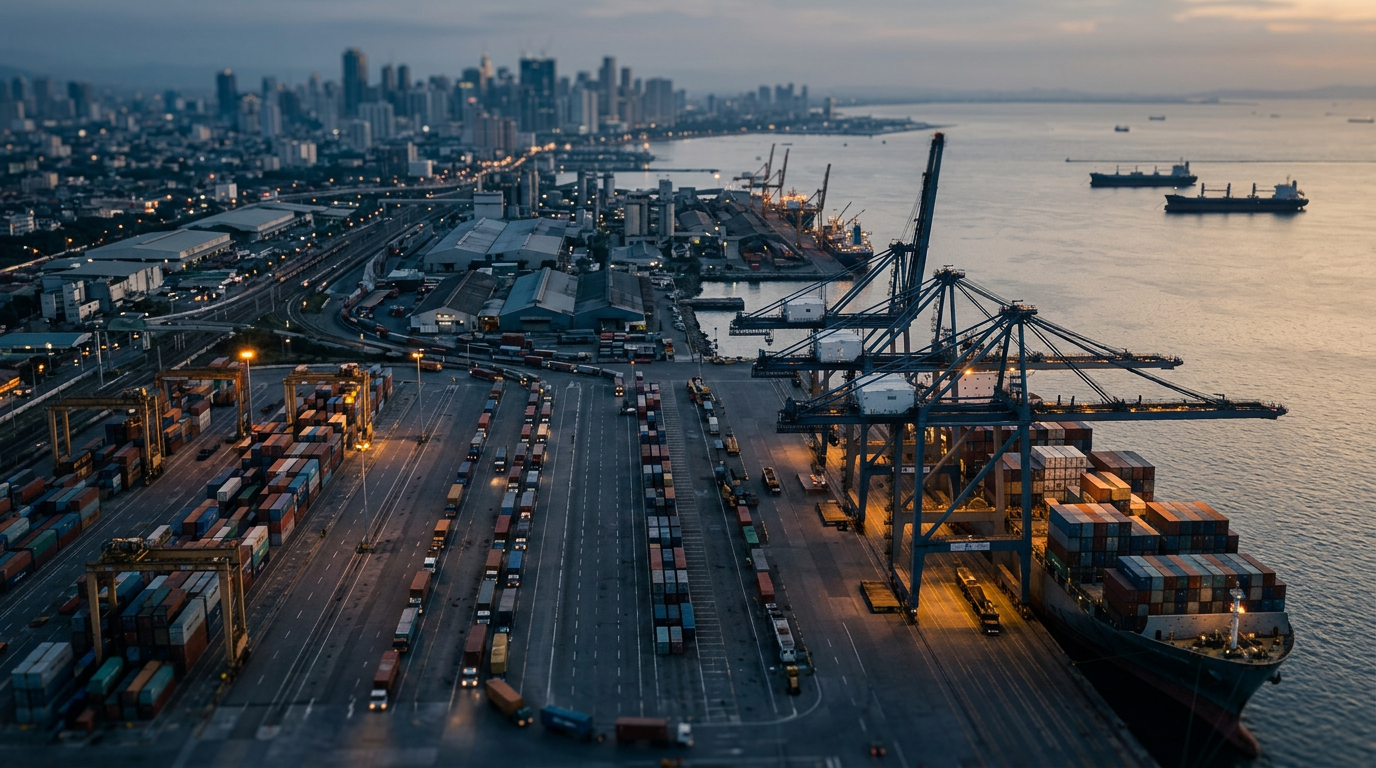
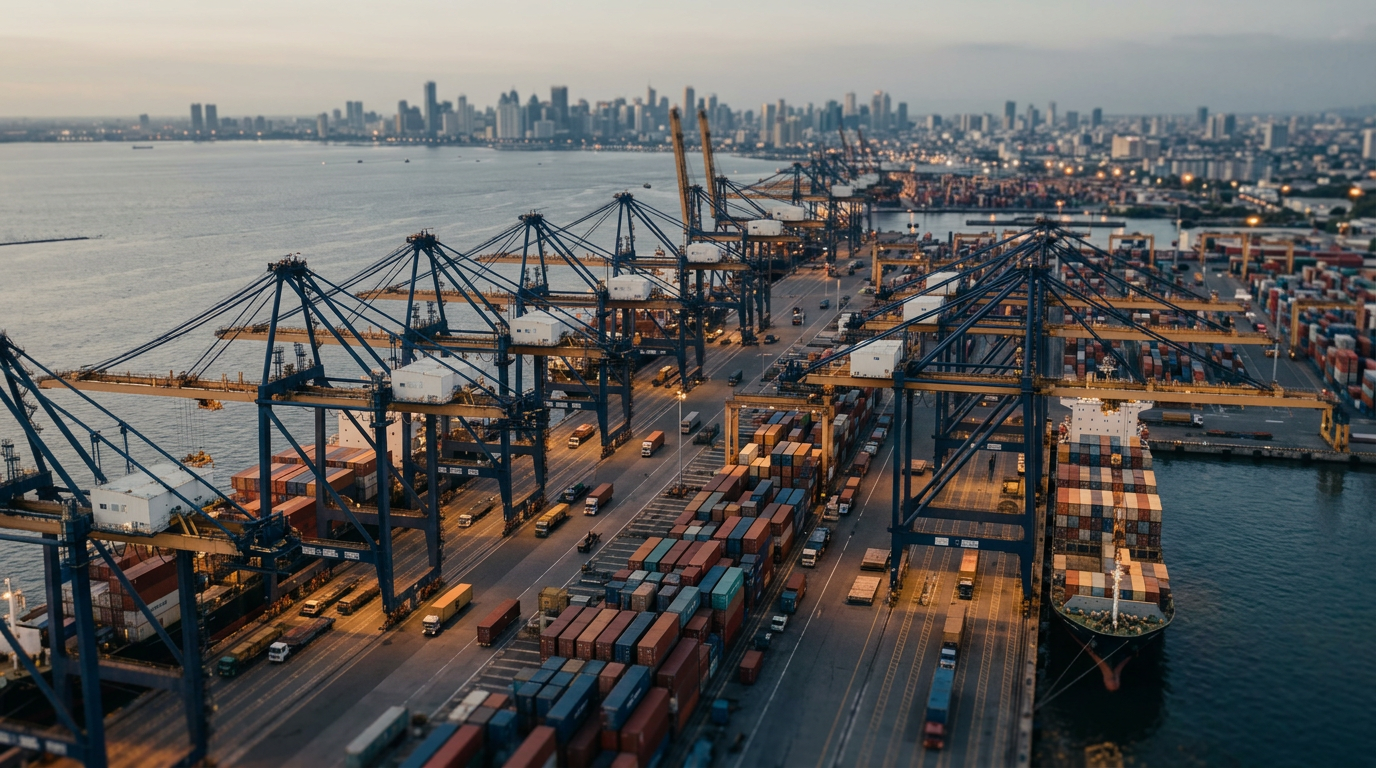
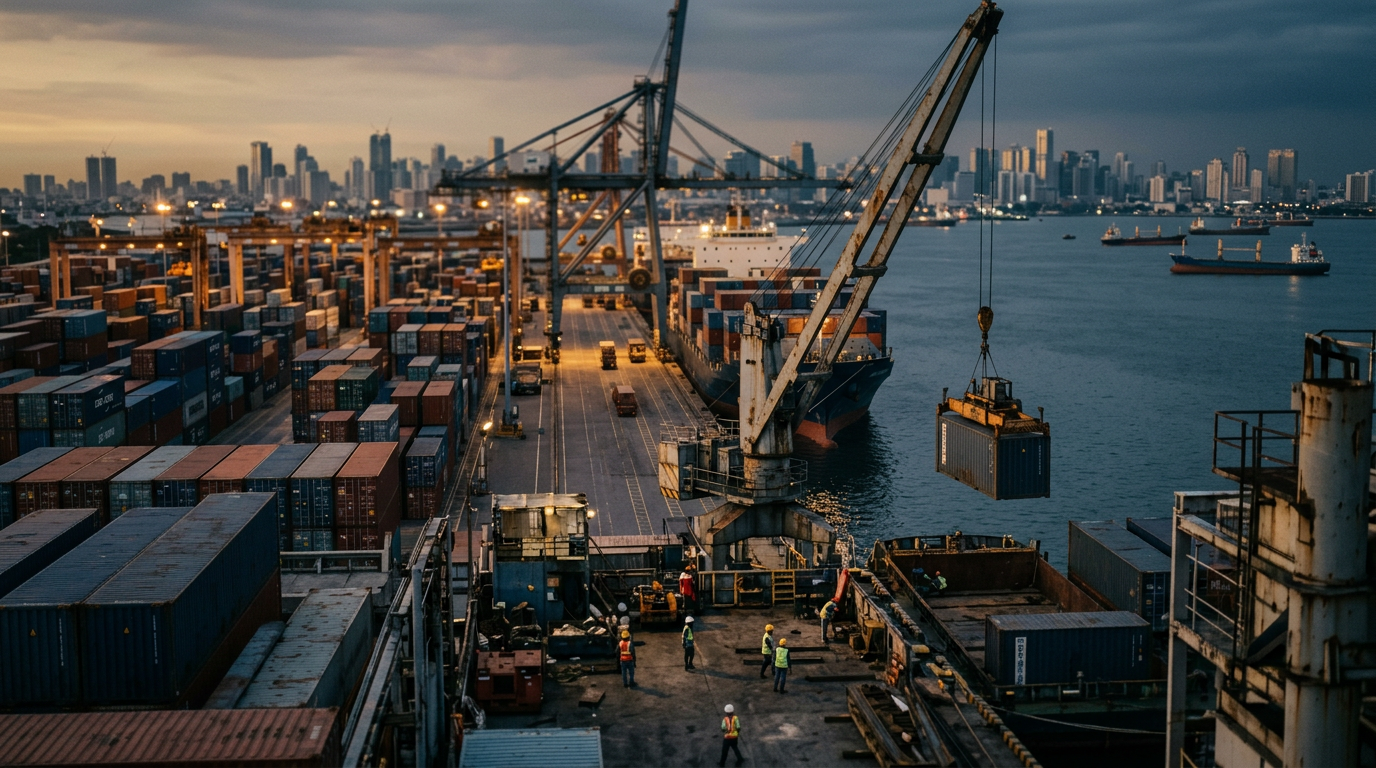
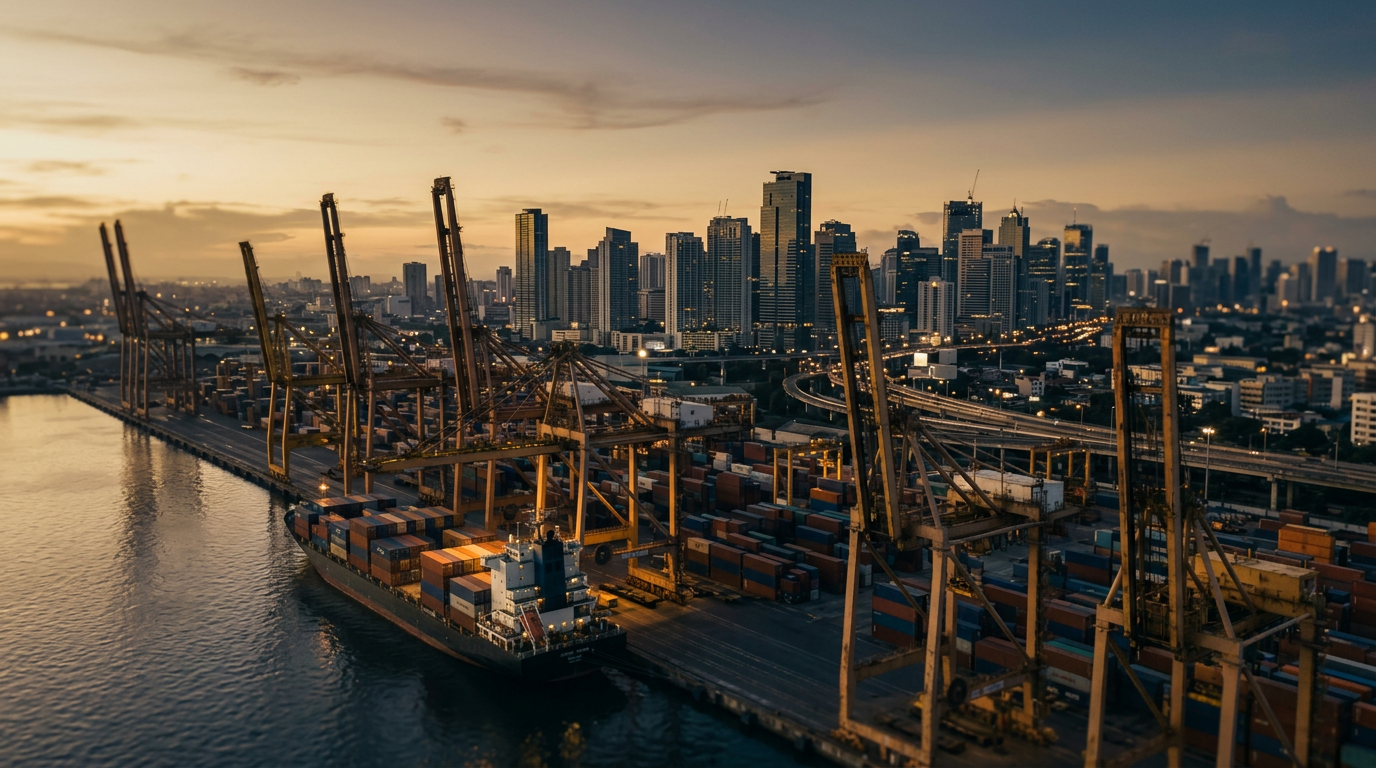
This is a matter of both digital and physical infrastructure. Reliable fiber optic cables are the arteries of the digital economy. Data centers are the secure brains. Just as vital are the roads, ports, and power grids that support these facilities and the logistics of the manufacturing that the Pax Silica aims to foster. Each component relies on the other. A state-of-the-art data center is of little use if the power grid is unreliable or if there are no skilled technicians to operate it.
The Talent Pipeline
Beyond the concrete and fiber optics lies the equally important element of human capital. The semiconductor industry is knowledge-intensive, requiring a workforce with specialized skills in engineering, design, and advanced manufacturing processes. While the Philippines has a strong history of producing skilled labor, the specific demands of the global tech race require a forward-looking talent strategy.
This involves collaboration between government, industry, and educational institutions to create training programs and curricula that align with the needs of target investors. The availability of a qualified talent pool is a primary consideration for any company looking to make a long-term, high-value investment. A workforce that is ready to contribute from day one can be a powerful differentiator in a competitive region.
What to watch: The key indicator of progress will not be the number of investment announcements but the pace of tangible infrastructure development. Observers should monitor the rollout of new fiber networks, the construction of new data centers, and reforms in the energy sector. Equally important will be the establishment of specific training and upskilling programs tied directly to the needs of the semiconductor industry. These on-the-ground metrics will provide a clearer picture of whether the Philippines can successfully convert the promise of the Pax Silica into a new pillar of its economy.