Malaysia
Malaysia's High-Stakes Bet on the Global Chip Industry
Malaysia aims to lead in advanced chip packaging, a move that tests its institutional capacity to climb the value chain while navigating deep trade ties with China.

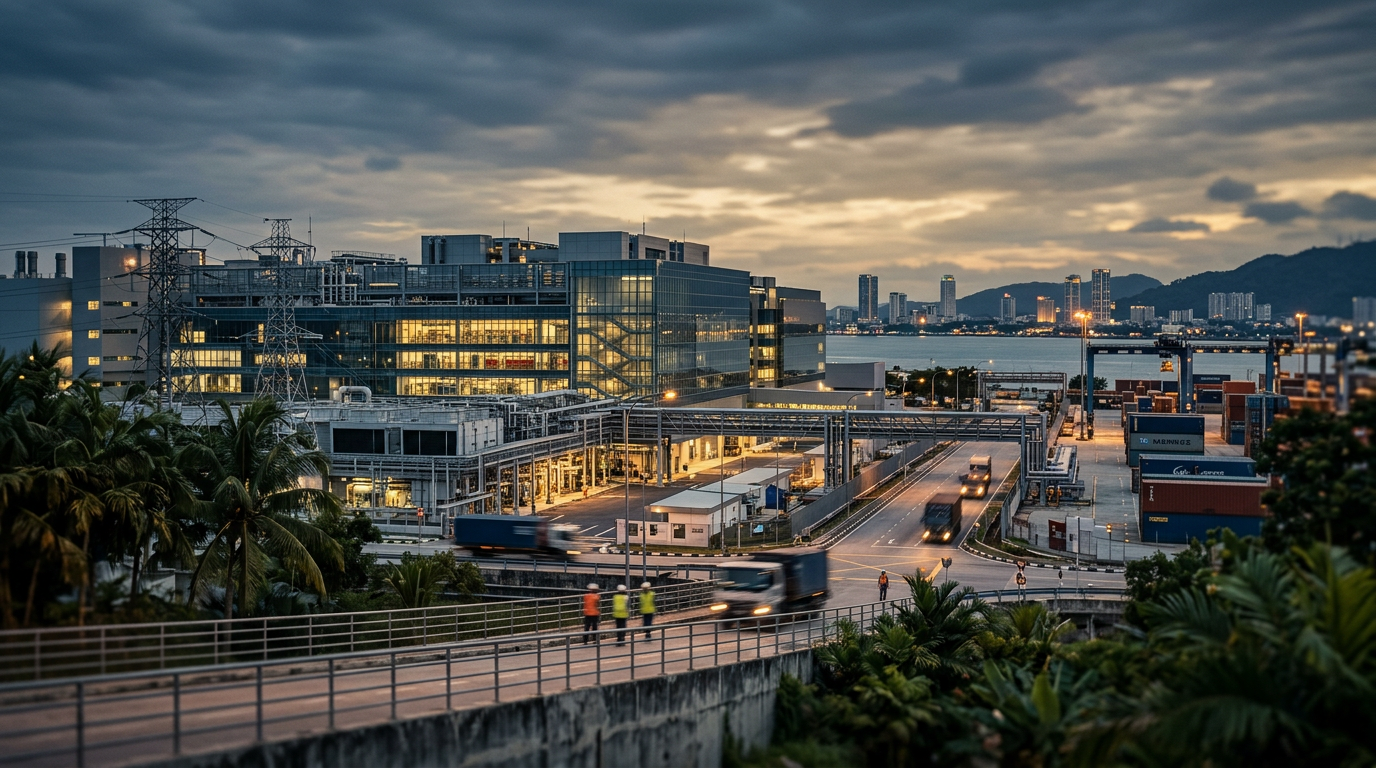
Malaysia is making a concerted push to capture a leadership position in advanced packaging for semiconductors, a move reported by Bernama that signals the country's ambition to move up the value chain. This initiative aims to transition Malaysia from its historical role in traditional assembly and testing to a more sophisticated and lucrative segment of the global chip industry. The strategy is driven by the demands of artificial intelligence, which requires higher-performance chips and, consequently, more complex packaging solutions. Successfully executing this shift will require a significant mobilization of institutions, capital, and talent.
Institutional Lift
Malaysia's ambition to lead in advanced packaging is a test of its institutional capacity. The government's role extends beyond mere policy pronouncements; it must create a regulatory and financial environment conducive to high-technology investment. This includes streamlining approvals, ensuring policy consistency, and coordinating among various government agencies, from the Ministry of Investment, Trade and Industry (MITI) to local authorities. The Malaysian Investment Development Authority (MIDA) is central to this effort, tasked with attracting the right kind of foreign and domestic capital. The success of this industrial policy will depend on the government's ability to execute its plans efficiently and transparently, building trust with global semiconductor giants and their supply chain partners.
Capital and Infrastructure
Transitioning to advanced packaging requires massive capital investment and upgraded infrastructure. While multinational corporations will provide a substantial portion of the funding, public-private partnerships will be essential to bridge the gaps. The government has signaled its intent through initiatives like the National Semiconductor Strategy, which allocates funds to support the ecosystem. Beyond direct funding, the quality of infrastructure is a determining factor. This means not just reliable power grids and water supply, which are table stakes in semiconductor manufacturing, but also high-speed digital connectivity and logistics networks capable of handling high-value, sensitive components. The development of specialized industrial parks with the requisite infrastructure will be a visible indicator of progress.
Talent and the China Nexus
Developing a pipeline of skilled engineers and technicians is arguably the most significant challenge. Malaysia's universities and vocational training institutes must adapt their curricula to the specific demands of advanced packaging, a field that blends materials science, mechanical engineering, and electronics. Attracting and retaining top talent, including from the Malaysian diaspora, will be necessary to build a critical mass of expertise.
This entire effort unfolds within a complex geopolitical context, particularly concerning China. As detailed in "ASEAN Rising," the deep commercial and supply chain linkages between Southeast Asian economies and China are a structural reality. For Malaysia's semiconductor industry, China is both a major market and a source of investment and equipment. The challenge for Malaysia is to leverage this relationship while mitigating the risks associated with US-China tech rivalry. The book notes that for ASEAN governments, the issue is "how to manage dependency without losing optionality." Malaysia's semiconductor strategy is a clear example of this balancing act in practice-seeking to secure a higher-value position in a global industry where the footprints of both the US and China are large and unavoidable.
What to watch
Looking ahead, observers should monitor the flow of foreign direct investment into Malaysia's semiconductor sector, particularly in advanced packaging projects. The progress of announced government incentives and infrastructure upgrades will also be telling. Equally important will be the enrollment and graduation rates in relevant engineering and technical programs, as this will determine the long-term sustainability of Malaysia's ambitions. How Malaysia manages its trade and investment ties with both China and the West amid ongoing tech competition will shape the ultimate success of its high-stakes industrial bet.