Vietnam
Vietnam: From FDI Promises to Realised Flows
Global shifts in semiconductor supply chains and effective macroeconomic policies are creating new opportunities for Vietnam to attract technology investment and sustain economic growth.
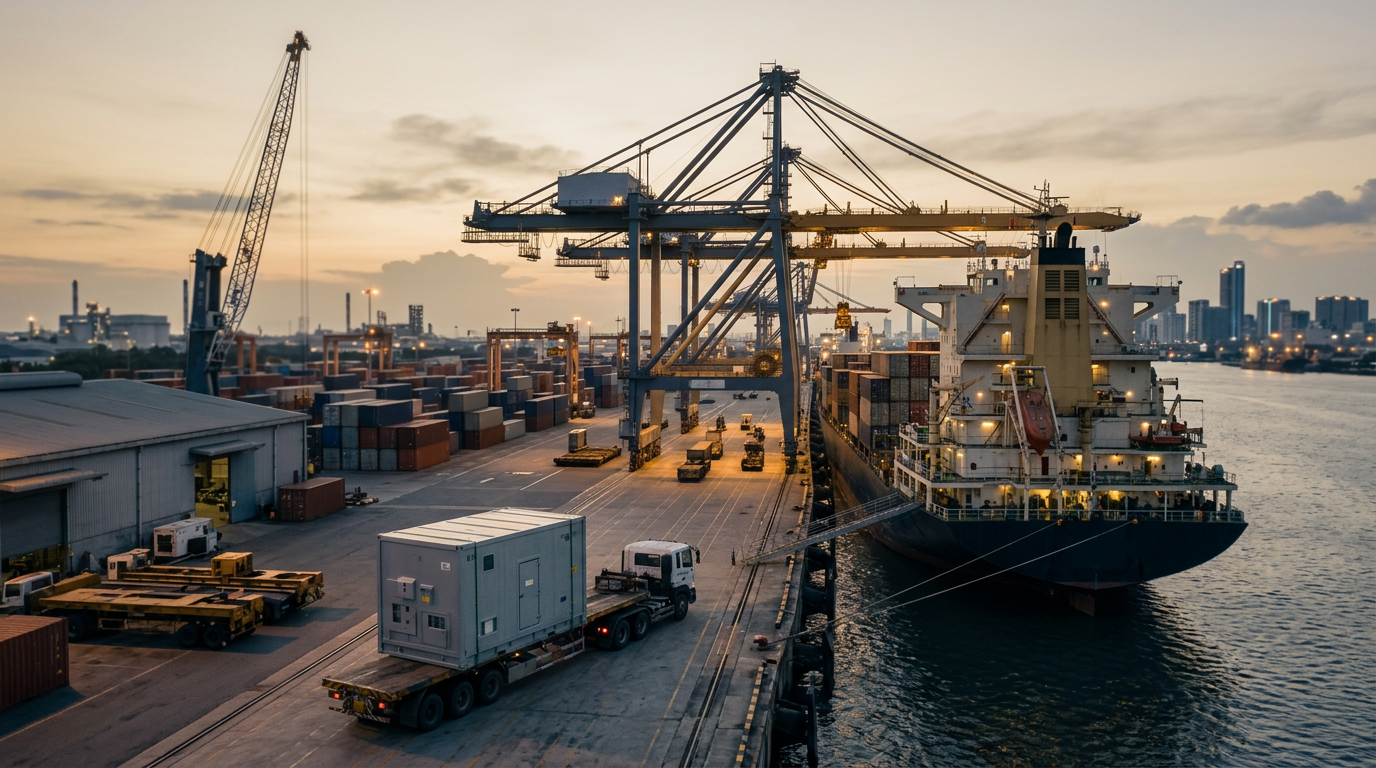
Vietnam is attracting a new wave of technology investment, reports vietnamnet.vn, as global firms look to diversify semiconductor supply chains. This attention is a positive signal, but turning headlines into durable economic growth requires a focus on execution.
Institutions and Investable Depth
Announced foreign direct investment (FDI) is a leading indicator of investor interest. However, as the book "ASEAN Rising" notes, the real measure of success is the conversion of these announcements into realised projects. This is where institutional capacity becomes paramount. The journey from a press release to an operational factory is long and complex. It depends on the "slower work of land, permits, power and talent reaching the ground."
For Vietnam, the current interest from global semiconductor and technology firms is a significant vote of confidence. The country's stable political environment and consistent pro-growth policies have laid a solid foundation. The challenge is to build on this by ensuring that the administrative and legal frameworks are efficient and transparent enough to handle a surge in complex, high-value projects. Investors in capital-intensive sectors like technology need certainty and predictability from the institutions they work with.
Capital and Infrastructure
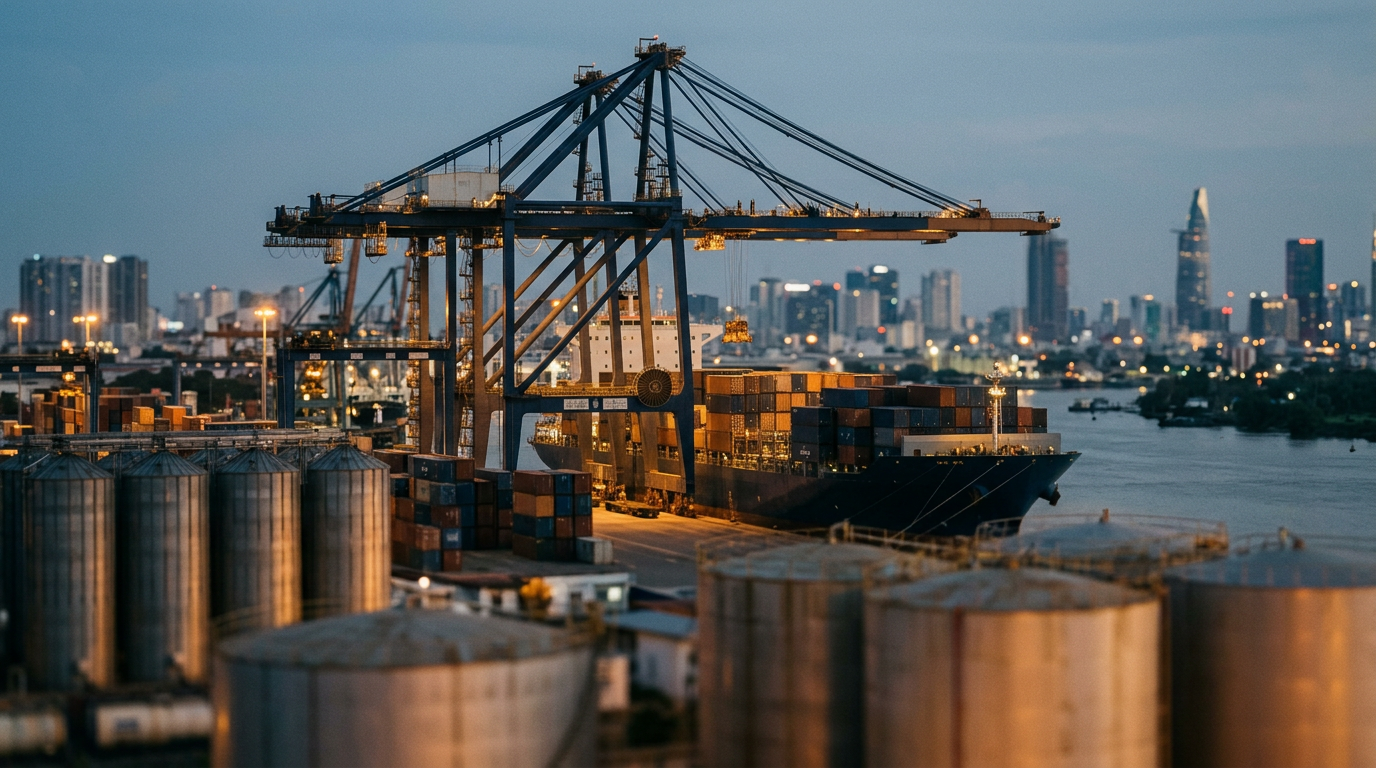
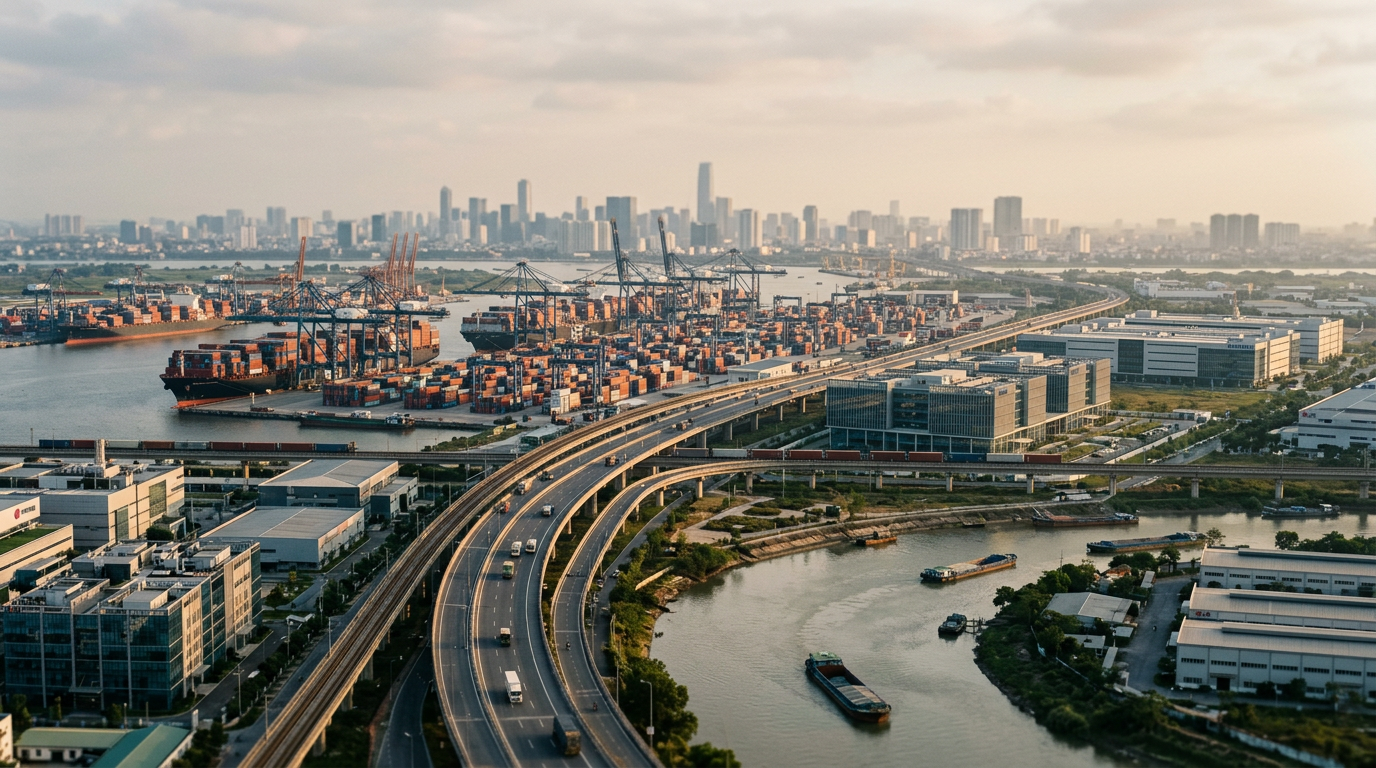
Capital follows opportunity, but it stays where it can be productive. The large-scale investments required for technology manufacturing, particularly in the semiconductor space, demand robust supporting infrastructure. This extends beyond basic utilities to include reliable high-speed data networks, uninterrupted power, and logistics networks that can connect manufacturing sites to global supply chains.
Vietnam has made significant strides in developing its infrastructure. However, the demands of the technology sector are exacting. A modern chip fabrication plant, for example, consumes enormous amounts of power and water with zero tolerance for interruption. Ensuring the grid can meet this demand is a non-negotiable prerequisite for attracting and retaining such investments. Likewise, efficient ports and customs processes are essential for the import of sophisticated manufacturing equipment and the export of finished goods. The government's ability to coordinate and execute these large-scale infrastructure projects is a direct enabler of FDI realisation.
Talent
The most critical component for a sustainable technology ecosystem is human capital. Vietnam has a young, large, and motivated workforce. Yet, the specific needs of the high-tech sector require a targeted approach to talent development. This means moving beyond general literacy and numeracy to cultivating a deep pool of engineers, technicians, and researchers with specialized skills.
Building this talent pipeline requires a coordinated effort between government, industry, and educational institutions. Curricula must be aligned with industry needs, and opportunities for vocational training and on-the-job learning must be expanded. The presence of global technology firms can act as a catalyst, providing a clear demand signal that encourages students and workers to invest in acquiring new skills. For Vietnam, the ability to train, attract, and retain this talent will be the ultimate determinant of its success in moving up the technology value chain.
What to watch
Observers should monitor the gap between announced and realised FDI in Vietnam's technology sector. Progress in streamlining permitting processes, evidence of investment in energy and logistics infrastructure, and the launch of new public-private partnerships focused on technical skills development will be key indicators of the country's ability to translate its current opportunity into long-term technological and economic strength.