Malaysia
Malaysia
Malaysia's E&E export surge, driven by AI demand, shows how deeply integrated ASEAN supply chains are with China. This is a structural feature, not a cyclical one, requiring careful management of dependency.
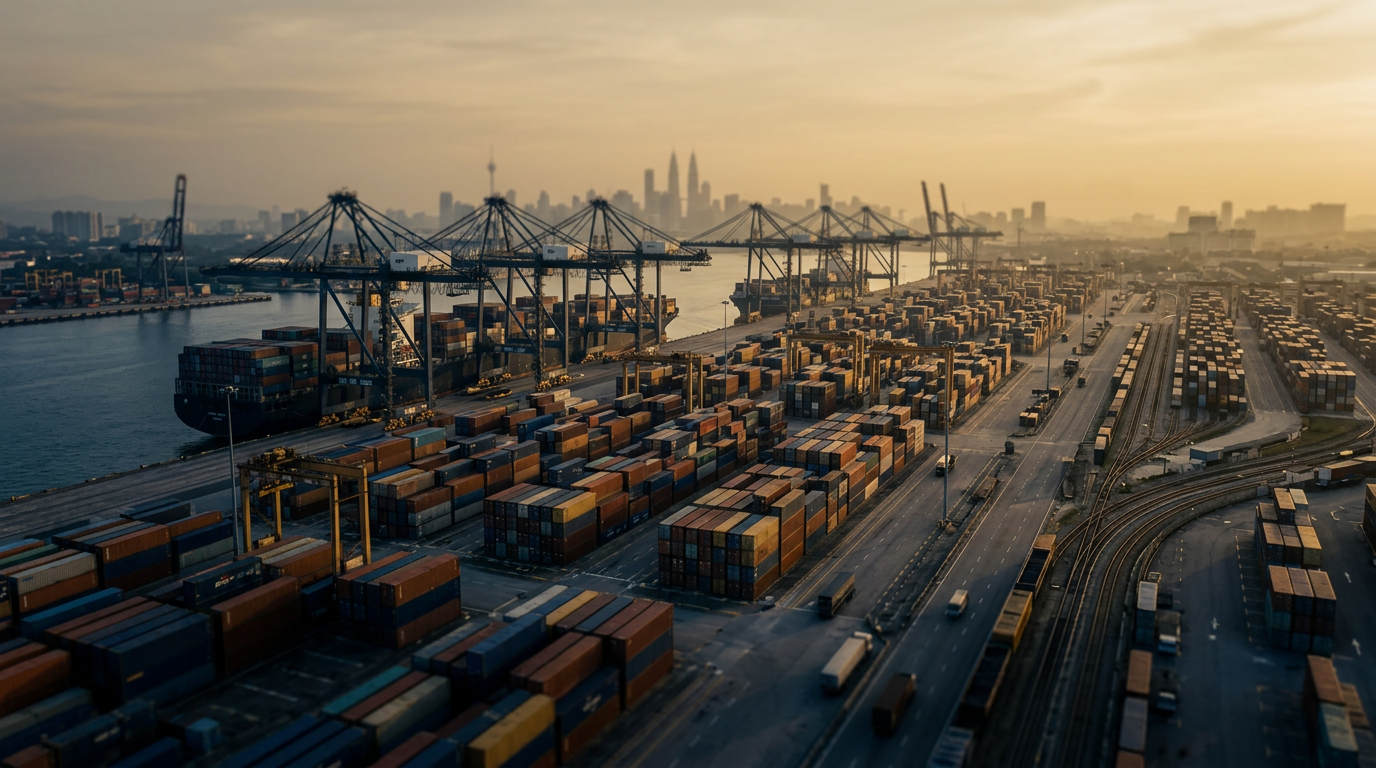
Malaysia's electrical and electronics (E&E) exports surged by 57.1 percent year-on-year in the second quarter of 2026, a significant jump from the 23 percent growth in the previous quarter. As Bank Negara's governor noted, this acceleration is largely driven by the global artificial intelligence boom. The demand for advanced semiconductors and components used in data centers and AI hardware has positioned Malaysia as a key beneficiary in the global technology supply chain.
This impressive growth, however, is not a standalone event. It highlights the deep-seated connections between ASEAN economies and China, particularly in high-value manufacturing. While the end products are destined for global markets, the supply chain itself is a complex web of regional and Chinese inputs. Understanding this dynamic is essential for grasping the long-term strategic picture for Malaysia and its neighbors.
The China-ASEAN Production Nexus
The surge in Malaysia's E&E exports is a clear illustration of the integrated nature of modern manufacturing. While some production has shifted from China to ASEAN nations like Malaysia and Vietnam to mitigate geopolitical risks and diversify supply chains, this is not a zero-sum relocation. Instead, a more intricate regional production model has emerged. Chinese firms remain deeply involved, supplying capital, equipment, and intermediate goods that are essential for final assembly in Southeast Asia.
This model allows ASEAN countries to move up the value chain, as seen with Malaysia's success in semiconductor testing and assembly. However, it also solidifies a structural dependency on Chinese inputs. As the book "ASEAN Rising" observes, "trade depth with China is now a structural feature, not a cyclical one." This means that even as countries like Malaysia profit from new sources of global demand like the AI boom, their capacity to do so is linked to the industrial ecosystem that China has built over the past two decades. The flow of goods is not just from China, but through it, with ASEAN serving as a critical node in a larger network.
Managing Dependency, Maintaining Growth
The challenge for policymakers in Kuala Lumpur and other ASEAN capitals is to balance the economic benefits of this integration with the strategic risks of dependency. The question is no longer about choosing to engage with China, but about how to structure that engagement to preserve economic and political flexibility. Malaysia's export performance demonstrates the upside of this relationship, providing jobs, attracting investment, and generating significant foreign exchange.
However, this success also brings an obligation to invest in domestic capabilities. Strengthening local institutions, improving infrastructure, and cultivating a skilled talent pool are fundamental to ensuring that Malaysia remains a competitive and indispensable part of the supply chain, rather than just a dependent one. The goal is to manage the relationship with China to maximize national benefit while mitigating vulnerabilities. This requires a clear-eyed industrial policy that builds on existing strengths in the E&E sector while fostering innovation and resilience.
What to watch: Observers should monitor the flow of foreign direct investment into Malaysia's E&E sector, looking for signs of diversification in sources of capital beyond China. Additionally, watch for government initiatives aimed at increasing local ownership of technology and intellectual property, as these will be indicators of a long-term strategy to reduce dependency and increase the domestic value-add from the ongoing technology boom.