Vietnam and Singapore Ink a Semiconductor Deal. What Comes Next?
A new MoU links Vietnam's ecosystem with Singapore's business network. Realizing the gains will depend on execution.
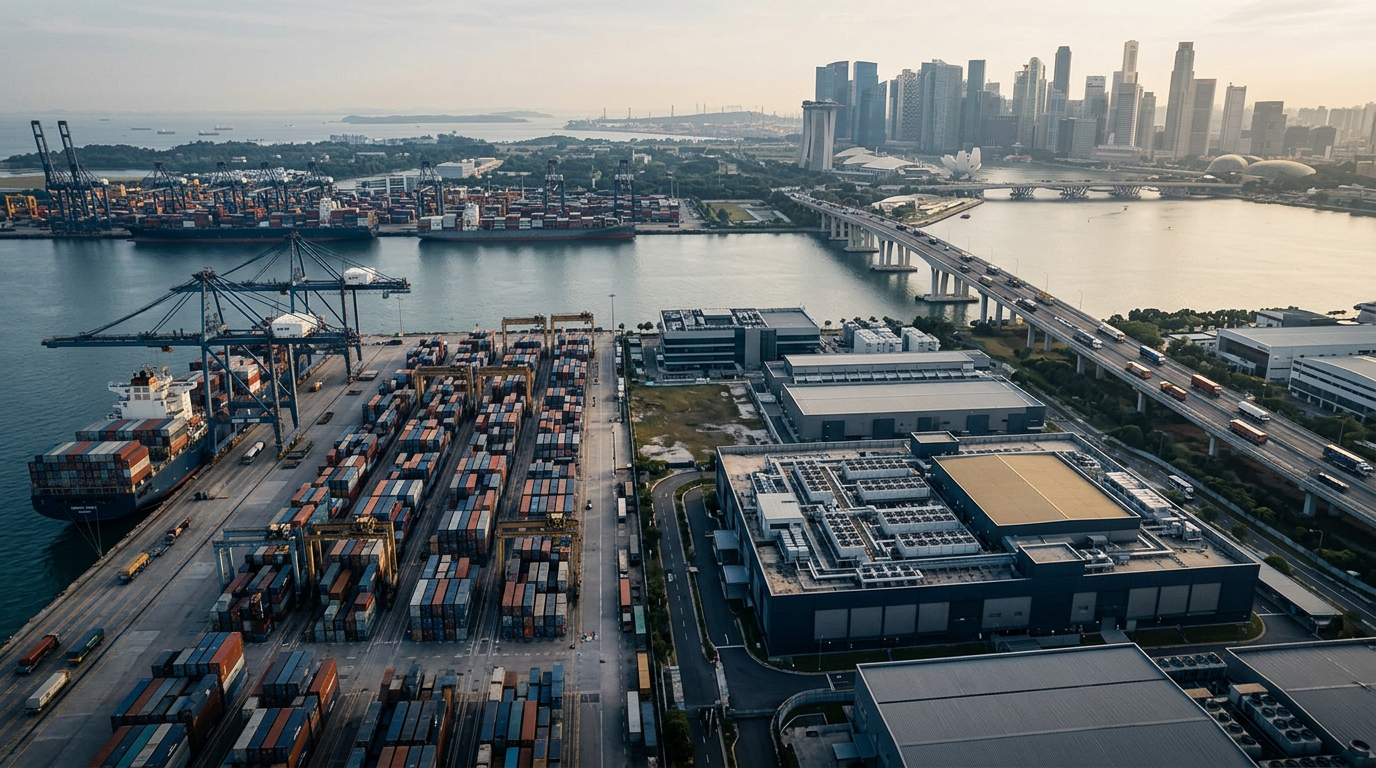
A recent memorandum of understanding between Vietnam's Quang Trung Software City (QTSC) and the Singapore Semiconductor Industry Association (SSIA) aims to deepen cooperation in the semiconductor sector. As reported by VietnamPlus, the agreement will connect Vietnam's growing semiconductor ecosystem with Singapore's established business network. While such agreements are positive signals, the real work of turning ambition into functioning supply chains is just beginning.
Institutions and Execution
The MoU is a statement of intent. The next phase requires institutions in both countries to facilitate the complex process of integrating their respective industries. This involves more than high level agreements. It means aligning standards, streamlining customs procedures, and ensuring that regulatory frameworks are complementary, not contradictory. For Vietnam, this is a test of its administrative capacity to translate a national strategy into specific, actionable policies that can be implemented at the provincial and local levels where factories are built and talent is sourced.
As "ASEAN Rising" notes, announcements of foreign direct investment travel quickly. The more difficult task is ensuring that capital, once committed, can be deployed effectively. This is where execution becomes paramount. The SSIA provides a Singaporean institutional anchor, offering a network of experienced firms. Vietnam's challenge is to build the corresponding institutional capacity to absorb and leverage this partnership, ensuring that permits are processed efficiently and that the legal groundwork for complex joint ventures is solid.
Capital and Infrastructure
Semiconductor manufacturing is famously capital intensive. It also depends on exceptionally reliable infrastructure. Chip fabrication plants, or fabs, require uninterrupted power, pure water, and extensive logistical support to connect to global supply chains. Singapore's industrial parks are a testament to its long term success in providing this high-grade infrastructure. Vietnam has made significant strides in developing its own industrial zones, but the specific demands of the semiconductor industry will test its systems.
The collaboration could see Singaporean firms, and their international partners, deploying capital into Vietnam for assembly, testing, and packaging facilities. However, these investments will only flow if the underlying infrastructure is deemed reliable. This includes not just physical utilities but also digital infrastructure, such as high-speed data connectivity, which is essential for modern manufacturing. The success of the QTSC-SSIA partnership will depend on the ability of Vietnamese authorities to deliver the world-class infrastructure that this high-technology sector requires.
Talent and Trust
The most significant constraint on Vietnam's semiconductor ambitions may be talent. The industry requires a deep pool of highly skilled engineers and technicians. The government has set ambitious goals for training a workforce, but developing this human capital will take time. The partnership with Singapore offers a valuable opportunity for knowledge transfer and skills development. Singapore has a mature ecosystem with a seasoned workforce and established training programs. Tapping into this expertise will be essential for Vietnam to build its own talent pipeline.
Ultimately, the collaboration rests on a foundation of trust. Singaporean firms need to trust that their Vietnamese partners can meet exacting quality standards and that their intellectual property will be protected. Vietnamese entities need to trust that the partnership will deliver genuine technology transfer and not just low-wage assembly jobs. "Scale matters only when institutions can turn it into investable depth." This MoU creates the framework for building that depth, but its realization will be a slow, iterative process built on proven performance and mutual confidence.
What to watch
The signing of the MoU is the first step. The things to watch now are the specific joint projects and investment commitments that emerge from it. Observers should also track the progress of Vietnam's national semiconductor strategy, particularly its initiatives for workforce training and the development of specialized industrial parks. The flow of engineers and managers between the two countries, and the establishment of joint training programs, will be a leading indicator of whether the agreement is translating into tangible capability development.