Vietnam
From Ambition to Execution in the ASEAN Semiconductor Race
FDI announcements travel quickly. Realised flows depend on the slower work of land, permits, power and talent reaching the ground. Can Vietnam and its neighbours build a true ASEAN semiconductor corridor?
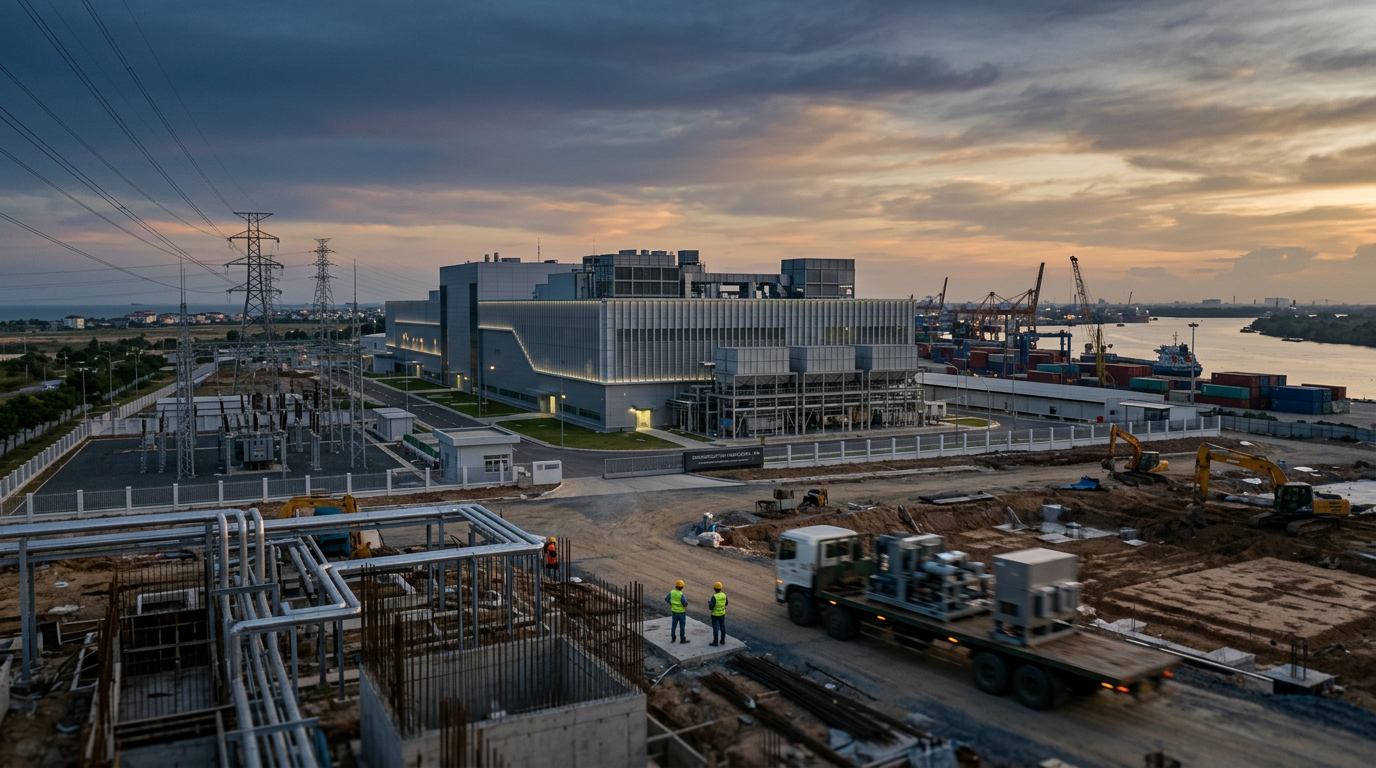
An expert has suggested that Vietnam can draw lessons from Malaysia's long experience in the semiconductor industry, as reported by VietnamPlus. The commentary highlighted the potential for an "ASEAN semiconductor corridor" that would integrate Vietnam's ambitions with established players like Malaysia, Singapore, Thailand, and the Philippines. This vision aligns with a global push to diversify semiconductor supply chains, with Southeast Asia emerging as a preferred location for new investment. However, translating high-profile foreign direct investment (FDI) announcements into operational factories requires more than just ambition; it demands a focus on the foundational elements of industrial readiness.
The Allure of the Chip Industry
Governments across Southeast Asia are actively courting investment in the semiconductor sector. The global shortage of chips during the pandemic, coupled with geopolitical tensions, has created a powerful incentive for manufacturers to expand their geographic footprint beyond traditional hubs. The United States' CHIPS and Science Act and similar initiatives in Europe have added momentum, encouraging firms to build more resilient and distributed supply chains. ASEAN countries are positioning themselves to capture a significant share of this new wave of investment.
Vietnam, for its part, has been particularly active, benefiting from its strategic location and a growing manufacturing base. The country is attracting attention not just for assembly, testing, and packaging (ATP), but also for potentially higher-value activities in design and fabrication. The idea of an integrated ASEAN corridor is compelling, as it suggests member states could specialize in different segments of the value chain, creating a complementary and more powerful regional ecosystem rather than engaging in zero-sum competition.
From Announcements to Reality
The path from an investment pledge to a fully functioning semiconductor facility is long and complex. As the book "ASEAN Rising" notes, the headline-grabbing FDI announcements are the beginning, not the end, of the process. The real work involves resolving practical, on-the-ground challenges. For semiconductor manufacturing, these challenges are particularly acute.
Successfully absorbing large-scale capital requires robust institutional capacity. "Scale matters only when institutions can turn it into investable depth," a core theme of the book. This means having clear and efficient processes for land acquisition, which can often be a significant bottleneck. It requires predictable and transparent permitting regimes that allow firms to plan construction timelines with confidence. Access to stable and sufficient power is non-negotiable for energy-intensive chip fabrication plants. Finally, the availability of a skilled workforce, from technicians to highly specialized engineers, is paramount. Without these elements in place, investment flows can slow from a flood to a trickle.
Building the Foundations
For Vietnam and its neighbors to realize the vision of a regional semiconductor corridor, the focus must be on strengthening these foundational pillars. Malaysia's experience, stretching back over five decades, offers a valuable case study. Its success was not accidental but was built on sustained investment in infrastructure, a consistent policy framework, and a deep pool of talent developed over generations. Newer entrants can learn from this long-term approach.
This involves close coordination between national investment promotion agencies and local governments to ensure that land designated for industrial use is genuinely available and serviced by the necessary utilities. It also requires a major push in human capital development, with universities and vocational schools aligning their curricula with the specific needs of the semiconductor industry. Collaboration among ASEAN members can extend to standardizing some of these processes and potentially even creating shared training facilities to develop a regional talent pool. The ultimate goal is to create an environment where capital can be deployed efficiently and predictably. What to watch:
Pay attention to how national and provincial governments in Vietnam address non-capital factors in the coming months. Progress on streamlining land-use regulations, details on new power infrastructure projects to support industrial zones, and specific partnership announcements between tech companies and local universities will be more significant indicators of the semiconductor strategy's viability than the initial FDI announcements themselves.