Malaysia
Malaysia's Trade Resilience and the China Question
Malaysia's export outlook is expected to remain resilient despite new US tariff measures, but this resilience is built on a deep, structural trade relationship with China that requires careful management.
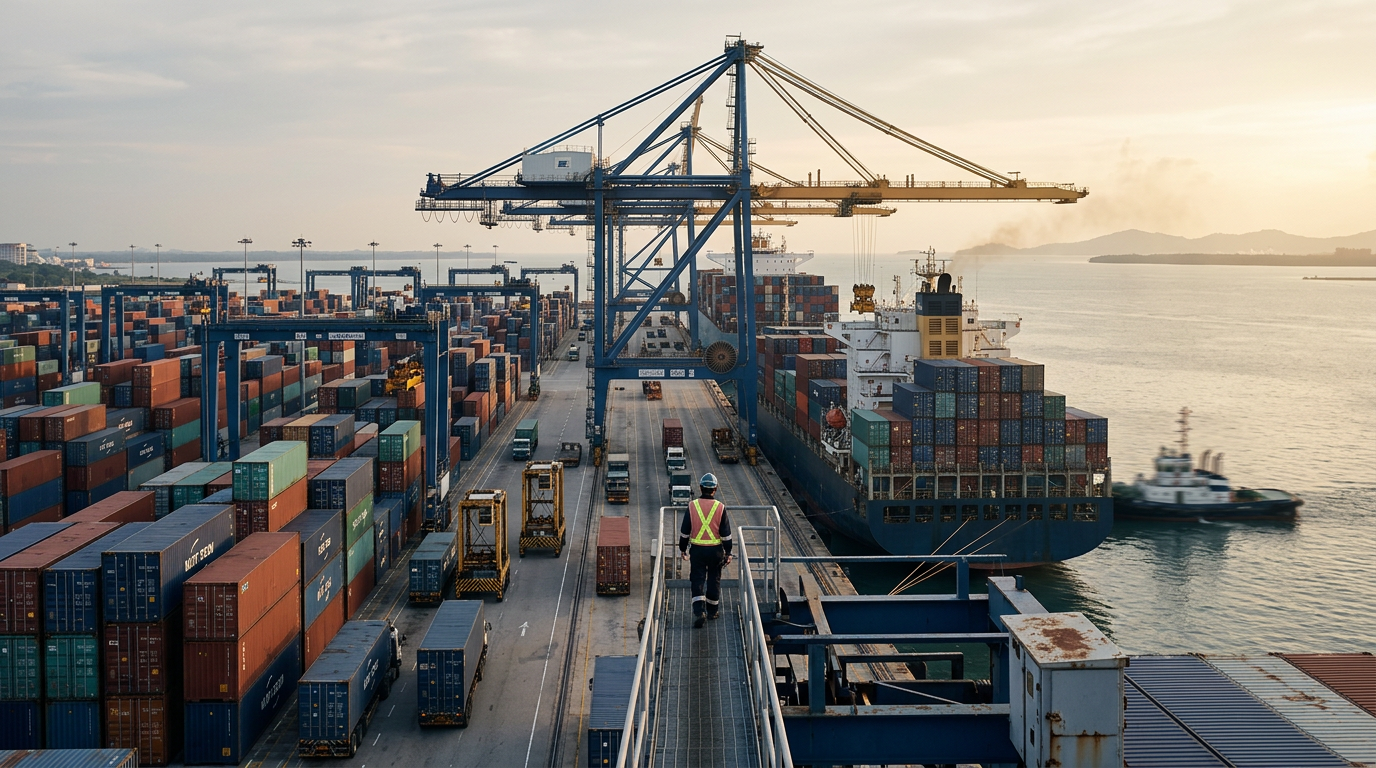
Economists in Malaysia project that the country's export-driven economy, particularly in semiconductors, will remain resilient despite new US tariff measures. As reported by The Star, the immediate impact of the tariffs is expected to be minimal, partly due to Malaysia's diverse trade relationships and its established role in global supply chains. This optimism, however, sits within a larger and more complex geopolitical context: the structural dependency of ASEAN economies on trade with China.
Institutions and Infrastructure
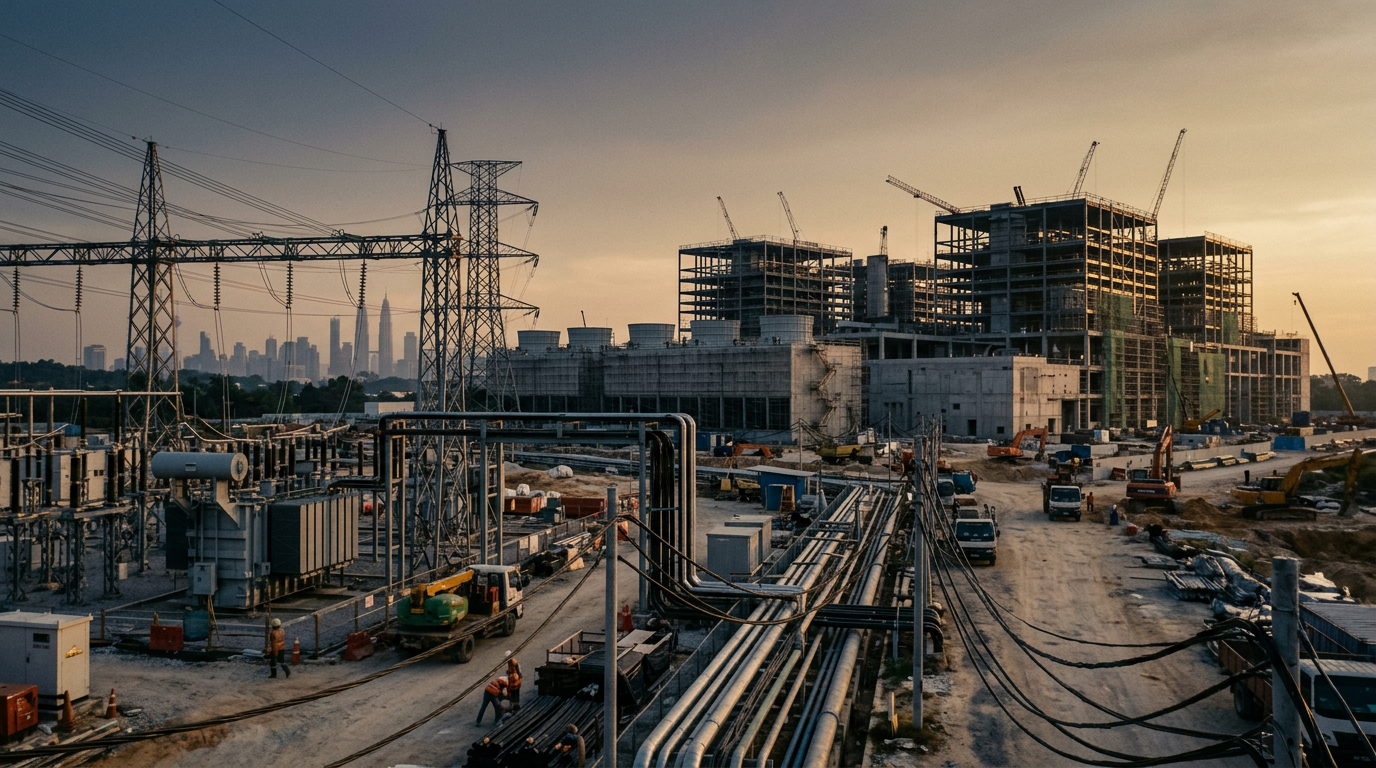
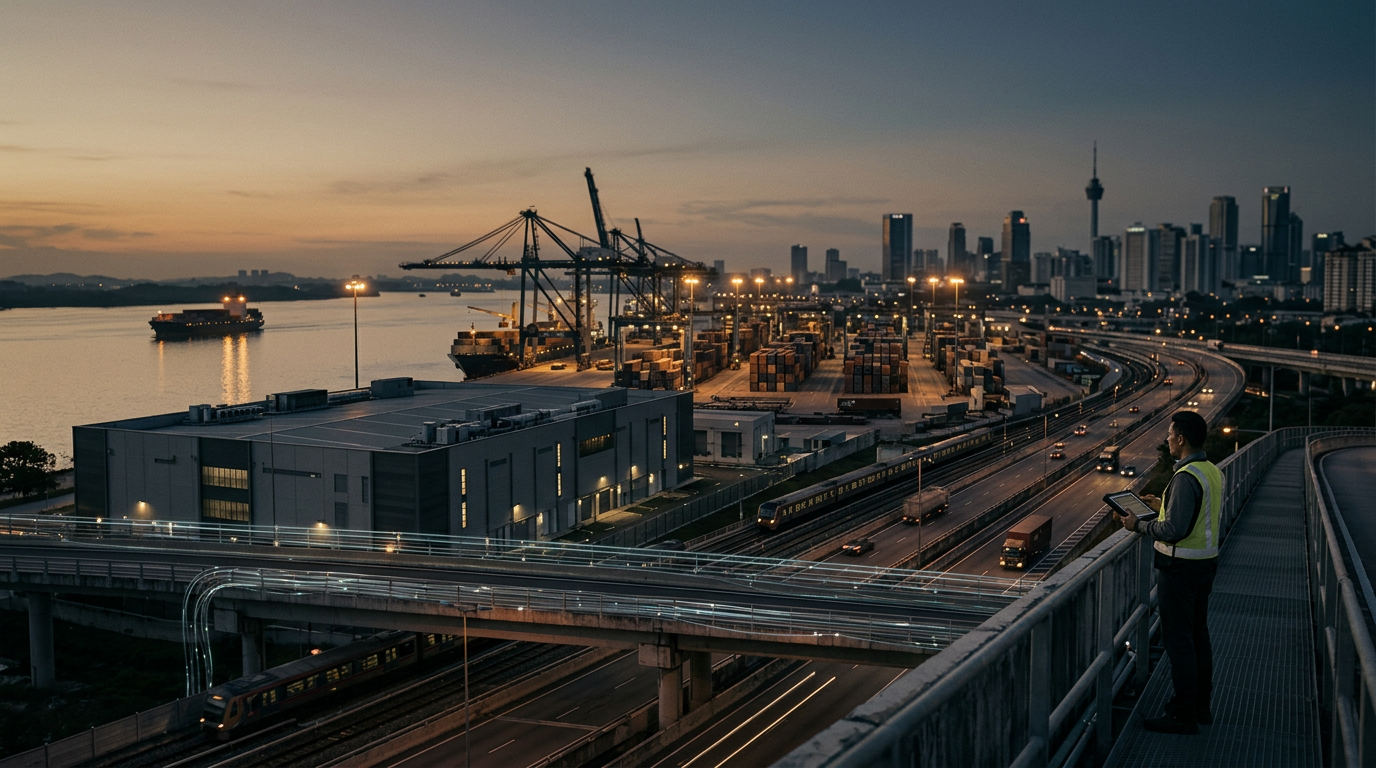
Malaysia's trade resilience is not accidental. It is the result of decades of investment in industrial parks, port facilities, and logistics networks. These institutions and physical infrastructure have made the country a critical node in the global semiconductor supply chain. While the United States is an important end market, a significant portion of Malaysia's electronics exports are intermediate goods that flow to assembly plants in China. This integration means that US tariffs on Chinese goods can have indirect effects on Malaysian exporters.
ASEAN nations have collectively worked to lower trade barriers and standardize customs procedures through agreements like the ASEAN Trade in Goods Agreement (ATIGA). This institutional framework facilitates the smooth flow of components across the region and into larger markets like China. The very infrastructure that makes Malaysian exports resilient also deepens its integration into supply chains that are heavily oriented toward China. As the book "ASEAN Rising" notes, this trade depth has become a structural feature of the region's economy.
Capital and Talent
Foreign direct investment has been a primary driver of Malaysia's industrial capacity. Capital from Japan, the United States, and Europe built the initial foundation of the electronics sector. More recently, however, capital from China has been flowing into new industries and infrastructure projects, further binding the two economies. This shift in capital sources reflects a broader regional trend where Chinese investment is playing a larger role in developing ASEAN's productive capacity.
The talent base is another factor. Malaysia has a skilled workforce of technicians and engineers, which has been a key attraction for multinational corporations. Maintaining this talent advantage requires ongoing investment in education and training. As supply chains evolve and companies diversify their operations in response to US-China trade friction, the availability of skilled labor will be a deciding factor for where new investments are made. Retaining and upskilling this talent is essential for Malaysia to navigate the shifting trade landscape.
Dependency and Optionality
The core issue for Malaysia and its ASEAN neighbors is managing its economic relationship with China. The sheer volume of trade creates a dependency that can limit strategic options. The challenge is "how to manage dependency without losing optionality." Over-reliance on a single trade partner, especially one engaged in a prolonged trade dispute with another major partner like the United States, creates vulnerabilities. Diversifying export markets and moving up the value chain are common strategies, but they take time and significant investment. The resilience currently seen in Malaysia's trade figures may mask deeper structural risks if the geopolitical environment deteriorates further.
What to watch: Observers should monitor the flow of foreign direct investment into Malaysia and other ASEAN countries, looking for signs of diversification away from or further concentration into China-centric supply chains. The composition of exports will also be a key indicator. A sustained shift toward higher-value components and a broader range of export destinations would suggest that Malaysia is successfully navigating the great power competition. Conversely, a growing reliance on intermediate goods destined for China would indicate a deepening of the existing dependency.