Vietnam
Vietnam's Tech Ambitions Test Its Execution Capacity
Vietnam's industrial policy aims for leadership in rare earths and semiconductors. Realizing this ambition will depend on its capacity to translate policy into action on the ground.

A recent report from vietnamnet.vn outlines Vietnam's industrial policy ambitions. The government aims to master deep-processing technologies for materials critical to the semiconductor and battery industries by 2030, with a goal of achieving a 50% localization rate. The plan also targets the domestic production of certain types of chips. This directive places Vietnam in the same arena as other regional players who are leveraging industrial policy to move up the value chain in high-technology sectors.
Institutions and Ambition
Vietnam has a track record of translating state-led industrial targets into economic reality, particularly in manufacturing. The country has successfully attracted significant foreign direct investment (FDI) and integrated into global supply chains for electronics and other goods. The new policy focusing on rare earths and semiconductors represents a significant step-up in complexity. Mastering the processing of rare earth elements, for example, is a capital-intensive and technologically demanding task. Similarly, establishing a foothold in semiconductor fabrication and design requires a sophisticated ecosystem of talent, capital, and infrastructure.
Industrial policy can signal intent and coordinate state resources, but its success is not guaranteed. As the book "ASEAN Rising" notes, for any economy, the ability to absorb and effectively deploy investment is fundamental. While headlines about policy announcements can generate initial interest, the real test lies in implementation. The path from a government directive to a functioning deep-processing facility or semiconductor fabrication plant is long.
From Policy to Production
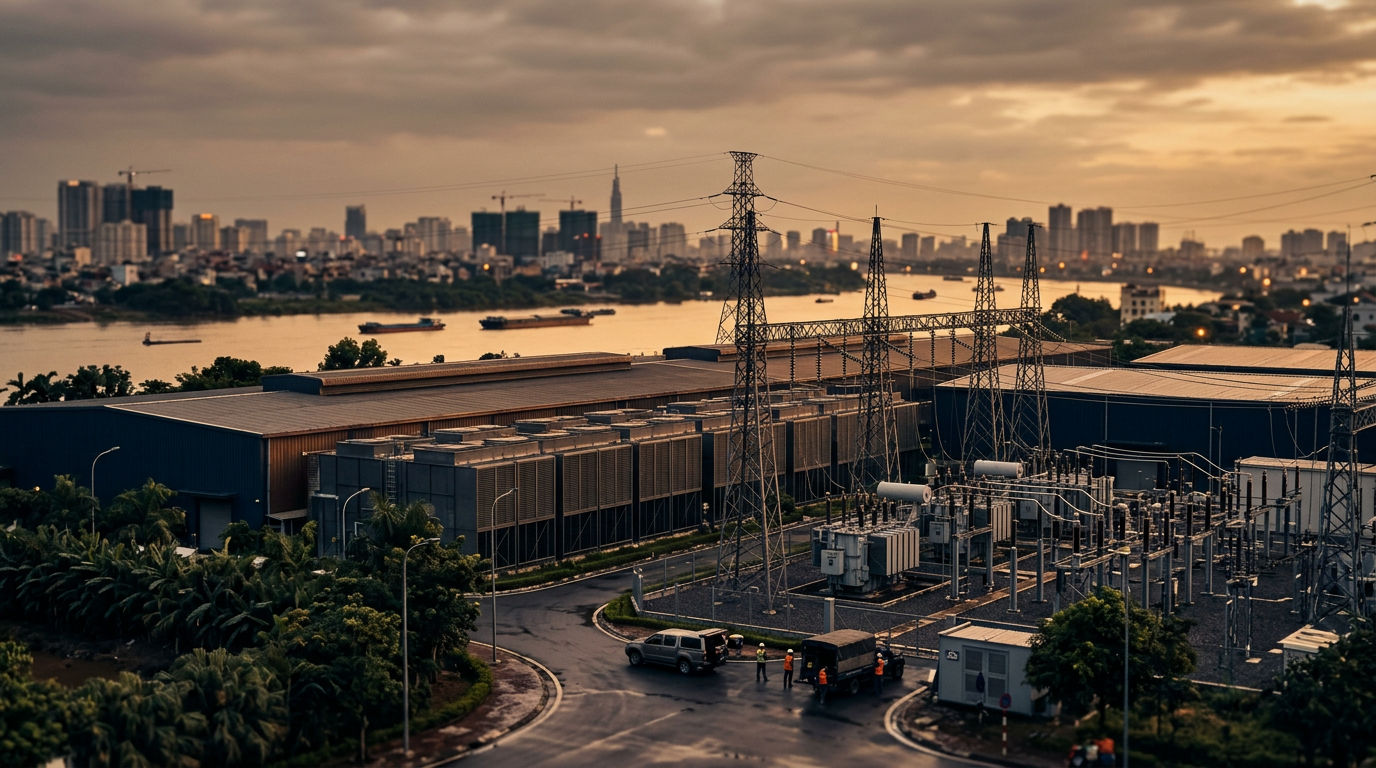
Translating these high-level goals into tangible outcomes requires a focus on the foundational elements of execution. The chapter excerpt's observation that "realised flows depend on the slower work of land, permits, power and talent reaching the ground" is directly applicable to Vietnam's situation. Developing a domestic semiconductor industry, for instance, is not just a matter of acquiring technology. It involves securing suitable land, ensuring a stable and high-quality power supply, and navigating complex permitting processes efficiently. These are the non-negotiable building blocks for turning policy into production.
The human element is equally important. The plan's success will hinge on Vietnam's ability to cultivate a domestic talent pool of scientists, engineers, and technicians. While the country has a young and motivated workforce, specialized skills in areas like chip design and materials science will need to be developed through sustained investment in education and vocational training. Attracting and retaining top international talent will also be a factor. The government's ability to streamline bureaucratic processes and create a predictable operating environment will be closely watched by the international firms whose capital and expertise are needed.
Capital and Competition
Vietnam is not pursuing these ambitions in a vacuum. Other ASEAN members and global competitors are also targeting the same high-value sectors. The global semiconductor supply chain is currently undergoing a strategic realignment, creating openings for new players. However, the capital investment required is substantial, and competition for that capital is intense. Global firms in these sectors will evaluate not just the policy incentives on offer but also the underlying institutional capacity of the host country to deliver on its promises.
Securing a significant share of the global rare earths processing market means competing with established players and managing the environmental and technical complexities associated with the industry. The goal of a 50% localization rate suggests a desire to build a self-reliant domestic ecosystem, but this will require enormous and sustained capital allocation from both public and private sources. The government's ability to de-risk these investments and foster a collaborative environment between state-owned enterprises, private domestic firms, and foreign partners will determine the pace and success of these initiatives.
What to watch
The key indicator of Vietnam's progress will not be further policy announcements, but rather the tangible results of its implementation efforts. Observers should watch for progress in specific projects, such as the successful commissioning of new processing plants or the graduation of the first cohort of engineers from new specialized university programs. The degree to which Vietnam can streamline its bureaucracy to facilitate these complex, capital-intensive projects will be the ultimate measure of its capacity to turn ambitious industrial policy into a new engine of economic growth.