Vietnam
The Hard Work of Viet Nam's Chip Ambitions
FDI is flowing into Viet Nam's semiconductor sector, but turning ambition into reality requires more than just capital. It requires a concerted focus on the foundational elements of talent, infrastructure, and institutional execution.
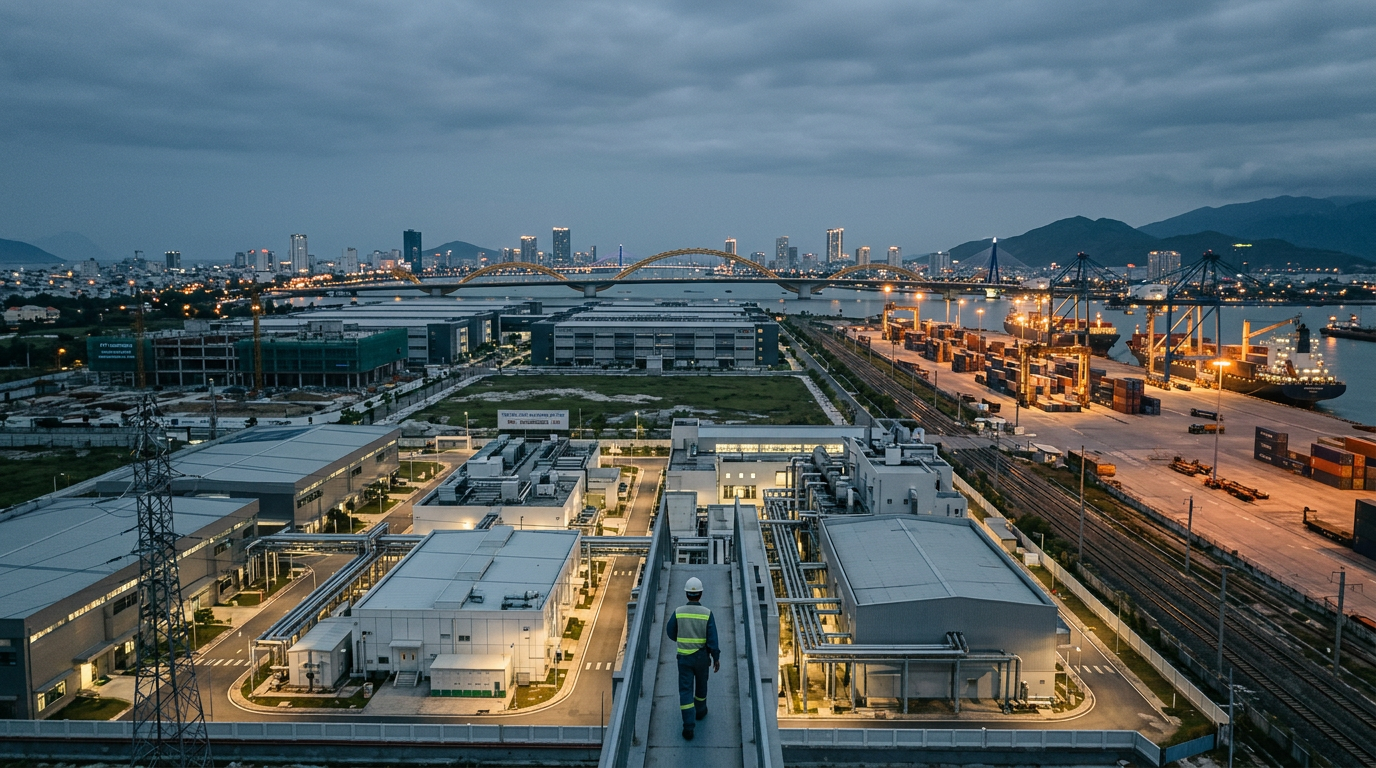
A recent editorial in Viet Nam News urges the country to build stronger foundations for its growing semiconductor industry. The commentary reflects a broader recognition that attracting foreign direct investment is only the first step in a long and complex process of industrial development. As global supply chains reconfigure, Viet Nam has a window to establish itself as a key node in semiconductor manufacturing, but capturing this opportunity will depend on domestic execution.
From FDI to Execution
The flow of capital into Viet Nam's tech sector is undeniable. Announcements from major international firms have signaled confidence in the country's potential. However, as the book "ASEAN Rising" notes in its analysis of another regional giant, "FDI announcements travel quickly. Realised flows depend on the slower work of land, permits, power and talent reaching the ground." This observation is directly applicable to Viet Nam's current situation. The headline-grabbing investment pledges must be followed by the less glamorous, but essential, work of building a robust operational environment.
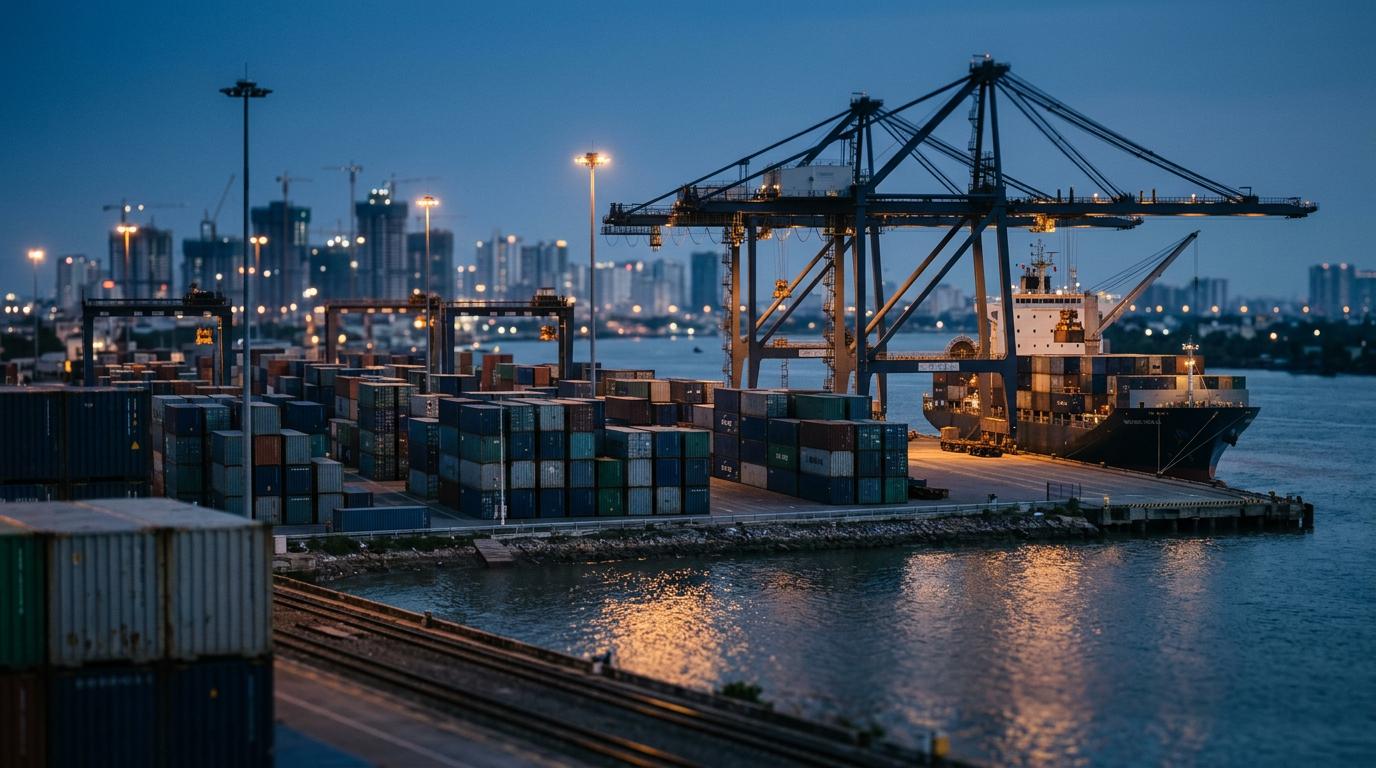
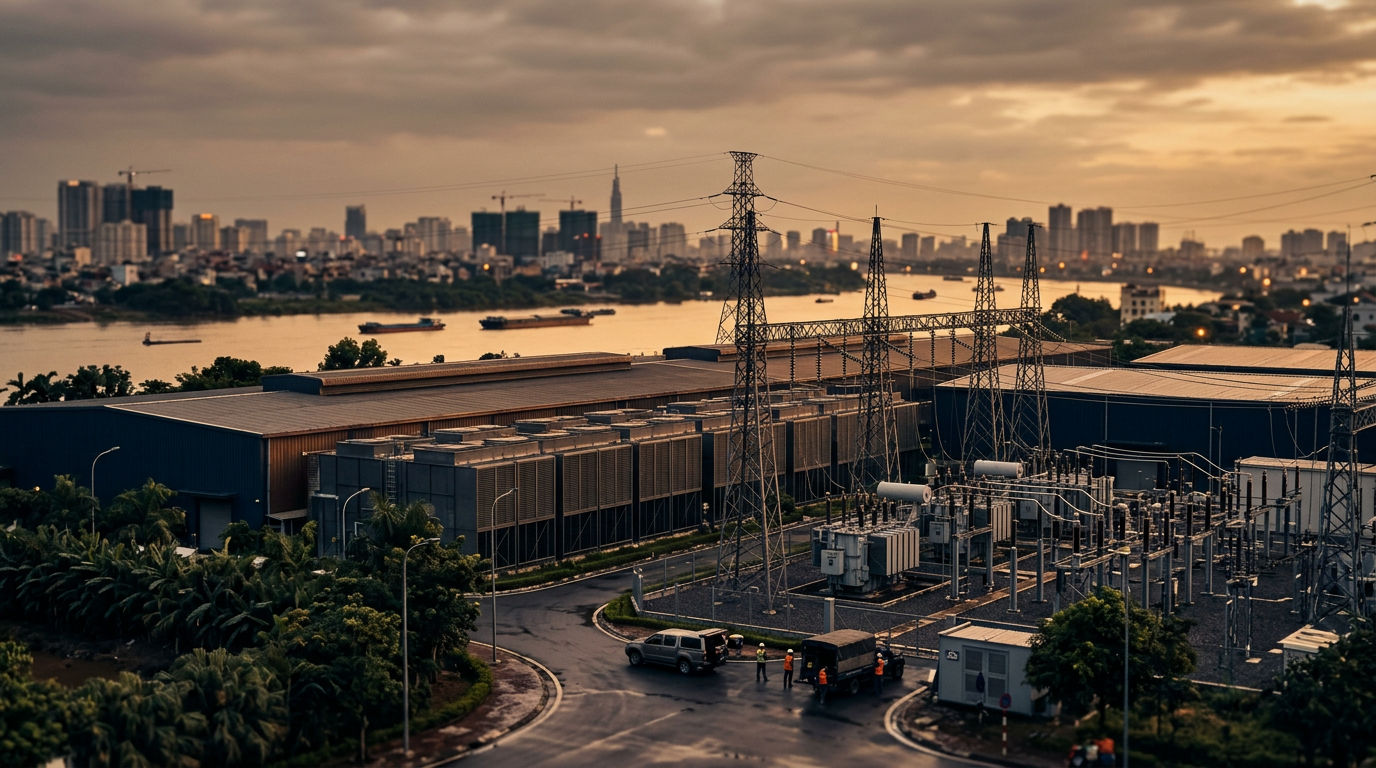
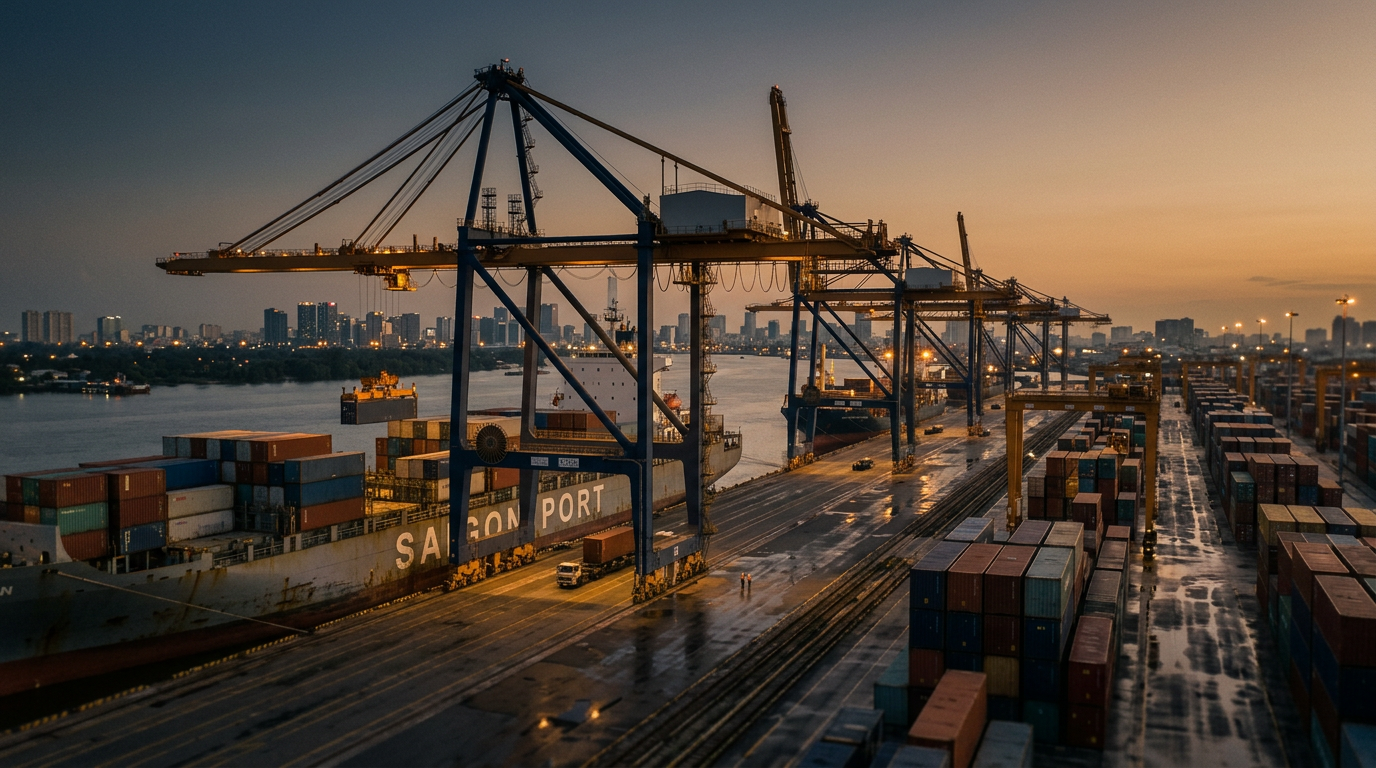
This means ensuring that industrial parks have reliable electricity, that logistical infrastructure can support the import of delicate machinery and the export of finished goods, and that the bureaucratic processes for permits and operations are transparent and efficient. Without these elements, initial investor enthusiasm can fade, and capital can be redirected to locations with smoother pathways to production.
The Talent Bottleneck
Beyond physical infrastructure and capital, the most significant long-term constraint is talent. The semiconductor industry requires a highly specialized workforce, from design engineers to cleanroom technicians. Viet Nam's stated goal of training 50,000 engineers by 2030 is ambitious and necessary. This initiative requires a deep collaboration between government, academia, and the private sector to develop curricula that meet industry standards and to provide students with practical, hands-on experience.
Building this talent pipeline is not a short-term project. It involves reforming higher education, promoting vocational training, and potentially creating incentives for overseas Vietnamese talent to return. The ability to cultivate and retain a skilled workforce will be the primary determinant of whether Viet Nam can move up the value chain from simple assembly and testing to more complex and profitable activities like fabrication and design.
Institutions and Industrial Policy
Ultimately, translating Viet Nam's semiconductor ambitions into a sustainable industry rests on the strength of its institutions. A clear and stable industrial policy is needed to coordinate the multiple efforts across infrastructure, finance, and education. This policy must provide a predictable environment for foreign investors while also nurturing domestic firms to create a more resilient local ecosystem.
Success will be measured not by the volume of initial FDI commitments but by the steady accumulation of domestic capabilities. It is the patient, systematic work of building strong institutions that turns national scale and strategic goals into durable economic advantages. The focus on science, technology, and digital transformation is correct, but it must be underpinned by a commitment to institutional quality and execution.
What to watch
Observers should monitor the progress of Viet Nam's engineering training programs and the specific policy measures enacted to streamline investment realization. The rate at which announced semiconductor projects move from planning to full-scale operation will be a key indicator of the country's ability to match its ambitions with effective execution. Pay attention to investments in power grid stability and logistics infrastructure around designated high-tech parks, as these are prerequisites for sophisticated manufacturing.