
ASEAN Analysis & Commentary
Every analysis published on ASEAN Rising is sourced, datestamped and signed. We're more interested in being right in 12 months than first in 12 minutes.
Foundation pieces
Start here. The three pieces below set out the lens ASEAN Rising uses to read every story.
ASEAN Rising's core lens. Execution Economics is the study of whether countries, companies and institutions can convert obvious potential into delivered outcomes - and which six pillars decide the answer.
The region has capital, demographics, location and policy ambition. None of that has ever been the binding constraint. The next decade is an execution test, not a potential test - and it is already being scored.
Malaysia is the test case for whether ASEAN's middle powers can turn FDI, semiconductors and data centres into compounding domestic capability. Read the live coverage and execution scorecard.
Analysis tagged #Trade

 Brunei
ASEAN and Australia: A Partnership Built on Practical Cooperation
The recent interview with ASEAN's Secretary-General highlights a partnership with Australia that is less about grand pronouncements and more about the steady, practical work of building institutional capacity and delivering tangible results.

 Malaysia
Australia and ASEAN: From Ambition to Investment
Australia is talking up its trade and investment ties with ASEAN, but turning announcements into realised flows is the real work.
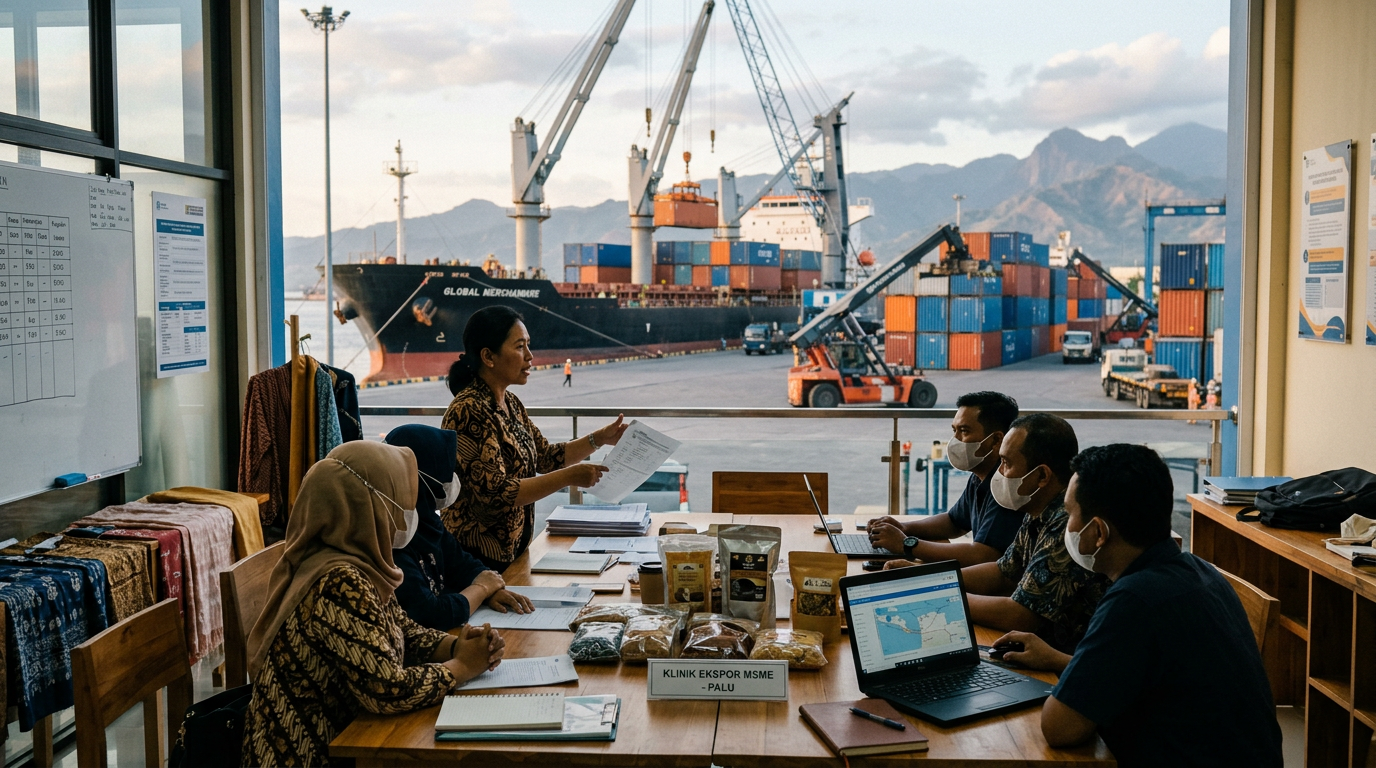
 Indonesia
, China, and the MSME Export Challenge
An export clinic in Palu is a small but significant indicator of a much larger challenge for Indonesia and ASEAN: how to manage deep trade links with China while developing export capabilities in smaller firms.
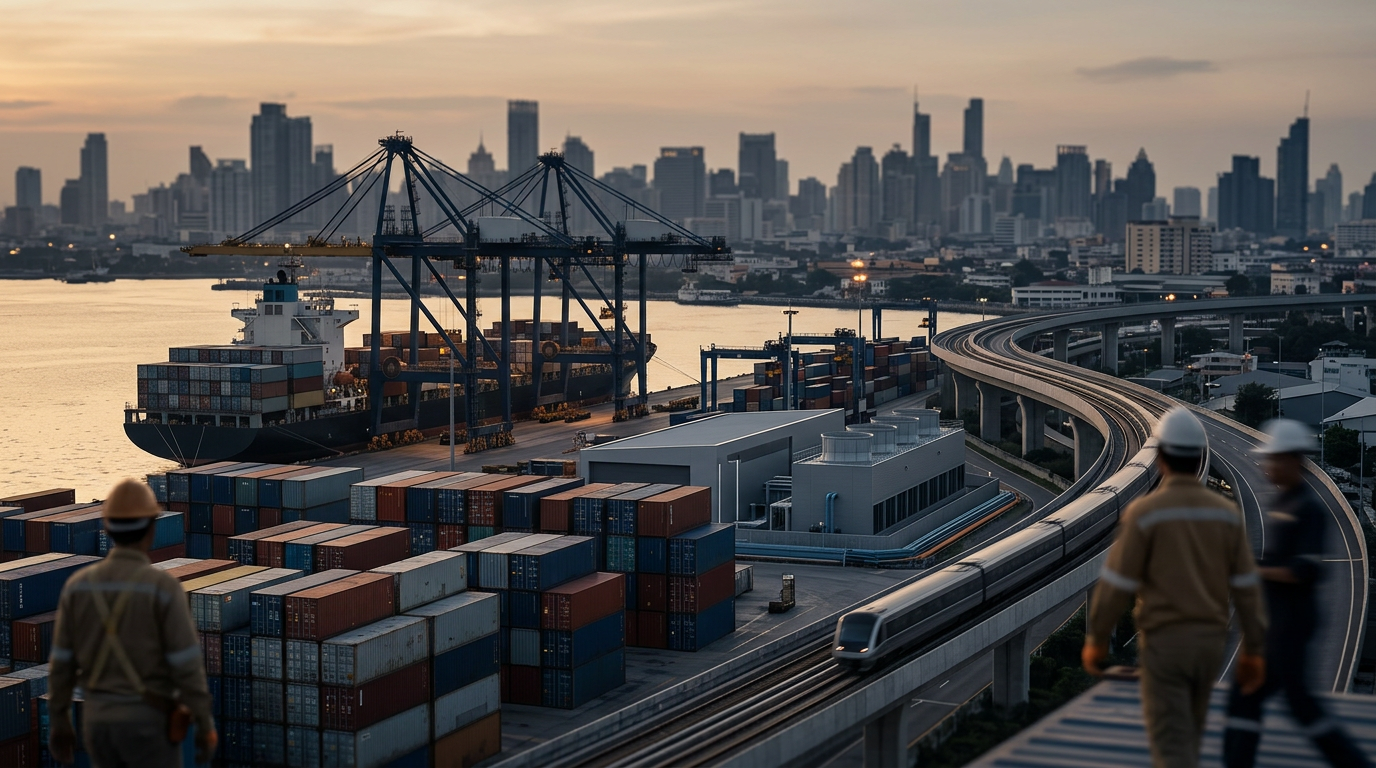
 Thailand
's 2026 IMF Showcase and the China Question
Thailand's plan to use the 2026 IMF-World Bank meetings to showcase its economy highlights a deeper strategic choice for all ASEAN nations: how to manage deep trade ties with China while preserving economic and strategic options.
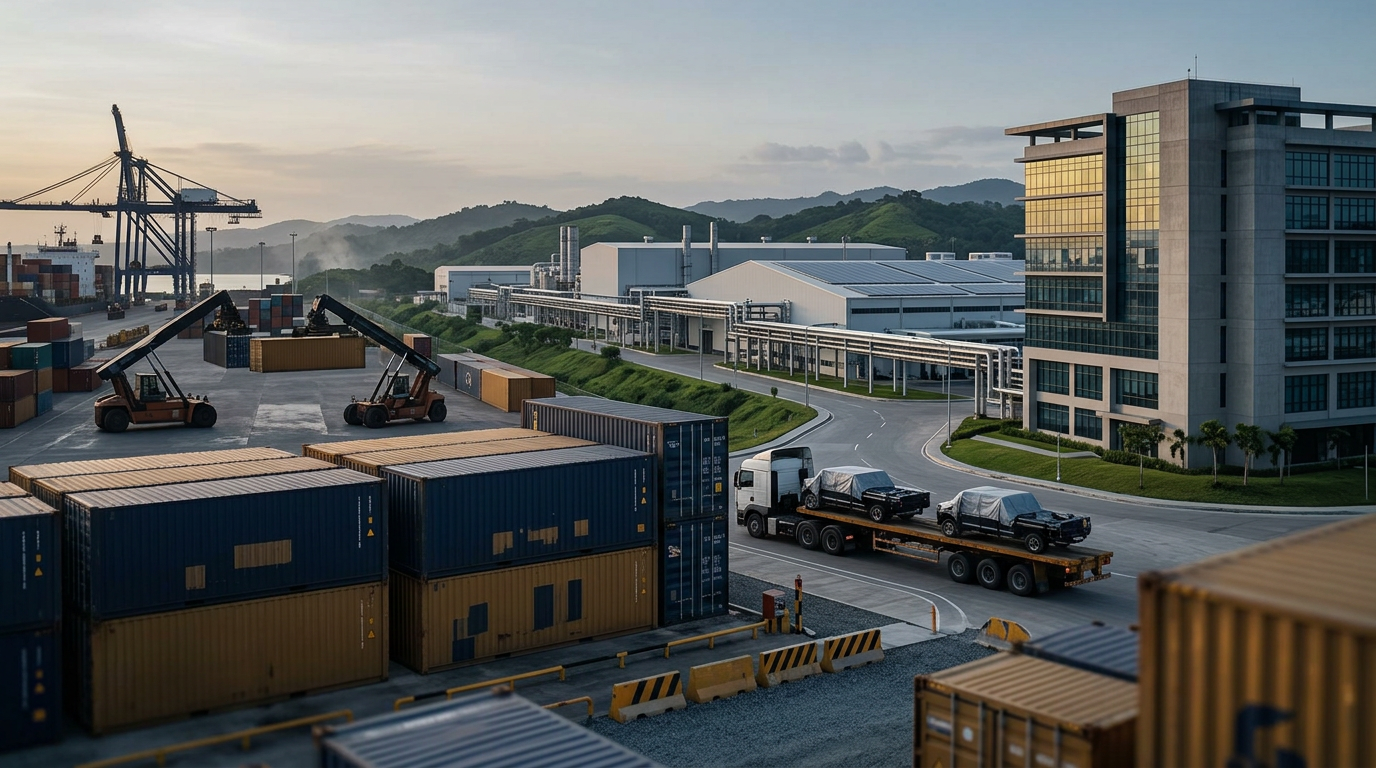
 Philippines
Mitsubishi Deepens Philippine Bet on Next-Generation Mobility
Mitsubishi's recent environmental summit in Laguna signals a long-term play on the Philippines as a production hub for next-generation vehicles, but the country's policy framework for EVs remains a work in progress.
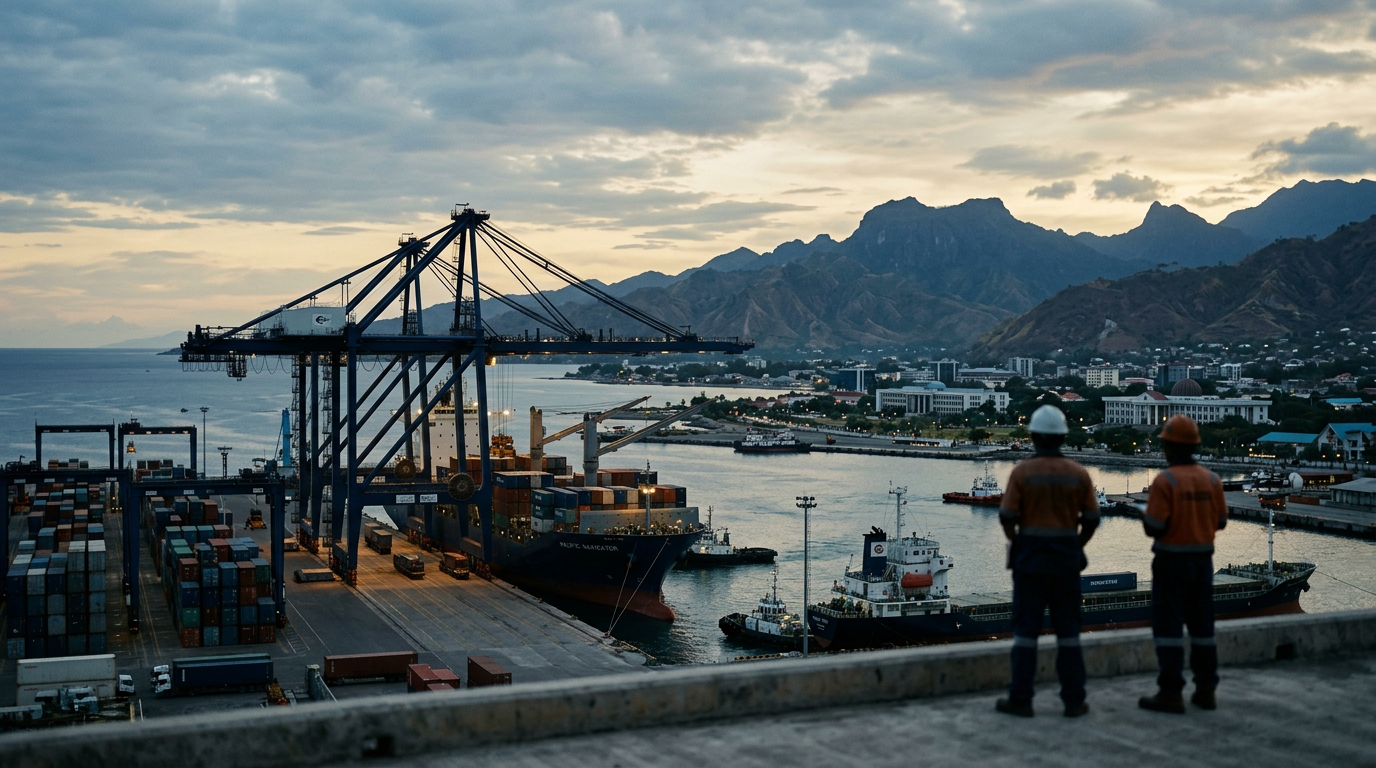
 Timor-Leste
, ASEAN, and the China Question
As Timor-Leste moves towards full ASEAN membership, it must define its economic strategy, particularly concerning China. This involves balancing immediate infrastructure needs with the long-term goal of building a resilient, diversified economy aligned with ASEAN standards.
 Thailand
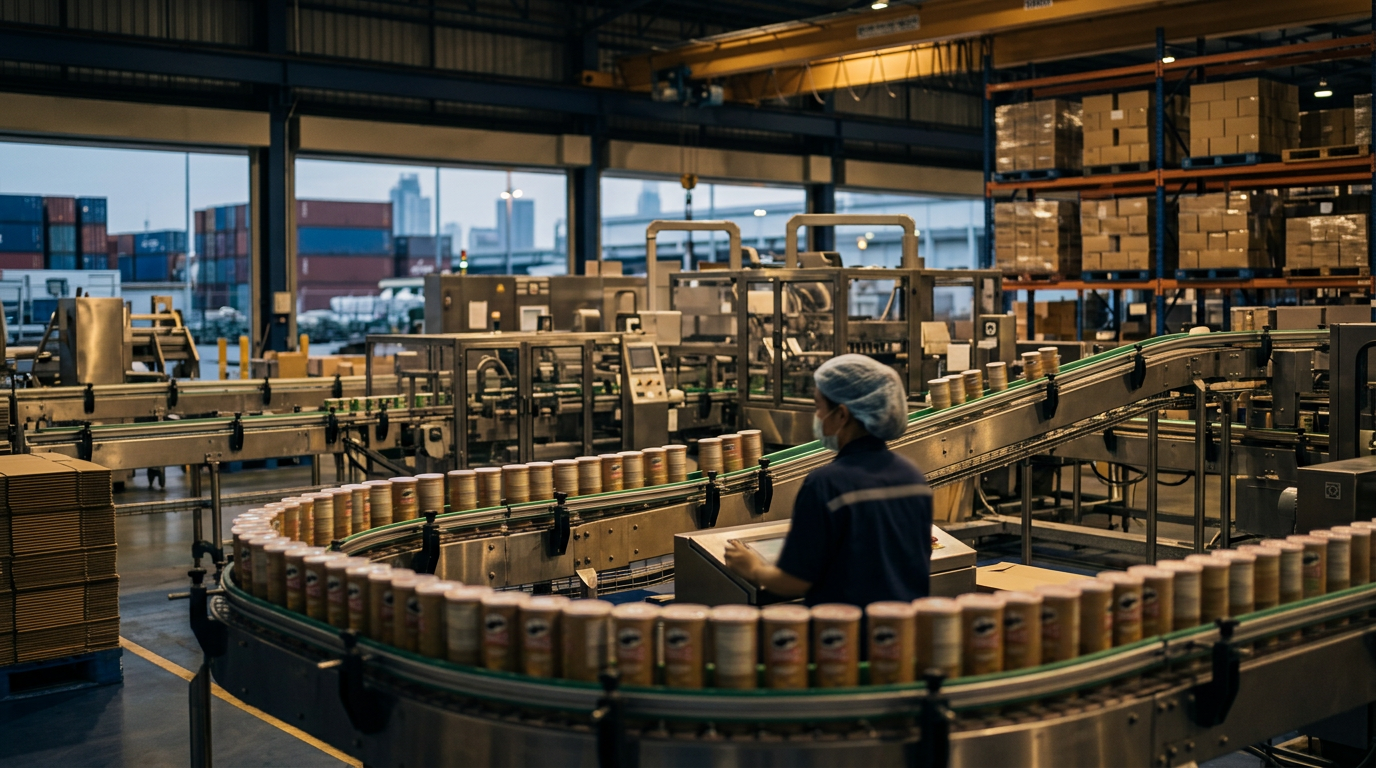
, Mars, and the China Question
Mars's new Pringles factory in Thailand is a win for the country's food processing sector, but it also highlights the economic reality of China's central role in regional supply chains.
ASEAN, China, and the Value Creation Imperative
Trade with China is a structural feature of ASEAN economies. The question is how to manage this dependency while increasing value creation within the region.
 Thailand
ASEAN-Canada Trade Talks and the China Question
The recent ASEAN-Canada trade talks are not just about market access. They are a test of ASEAN's ability to manage its deep economic ties with China while building institutional capacity to engage with other global powers.

The UK as an ASEAN Dialogue Partner: A Litmus Test for Openness
The recent ASEAN-UK economic consultation highlights a shared interest in deepening trade ties, but the real test lies in translating high-level commitments into tangible economic integration. For ASEAN, this is an opportunity to reaffirm its commitment to an open, rules-based.
 Malaysia
ASEAN's US Trade Dialogue Is Also About China
The recent ASEAN-USTR dialogue sharpens focus on the region's core challenge: managing economic dependency on China while maintaining strategic options with other partners, a central theme of "ASEAN Rising".
 Singapore
Japan, ASEAN, and the China Question
ASEAN and Japan are deepening their economic partnership. The recent ministerial consultation is not just about trade facilitation; it is about building institutional guardrails for a trade relationship that must coexist with China's structural role in the region.
 Singapore
ASEAN-US Cooperation and the Quiet Work of Institutions
The recent AEM-USTR Consultation in Manila is a reminder that institutional reliability has become part of comparative advantage. A usable state is often more valuable than an exciting one.
 Philippines
Japan, ASEAN, and the China Question
The recent dialogue between ASEAN economic ministers and Japanese business leaders in Manila highlights a persistent theme: managing economic dependency in an era of intense strategic competition.
 Philippines
ASEAN Economic Ministers Meet Amid Deepening China Trade
This week's ASEAN Economic Ministers' meeting in Manila occurs as the bloc's members manage their deep and structural trade dependency on China, a core theme of regional economic strategy.
 Indonesia
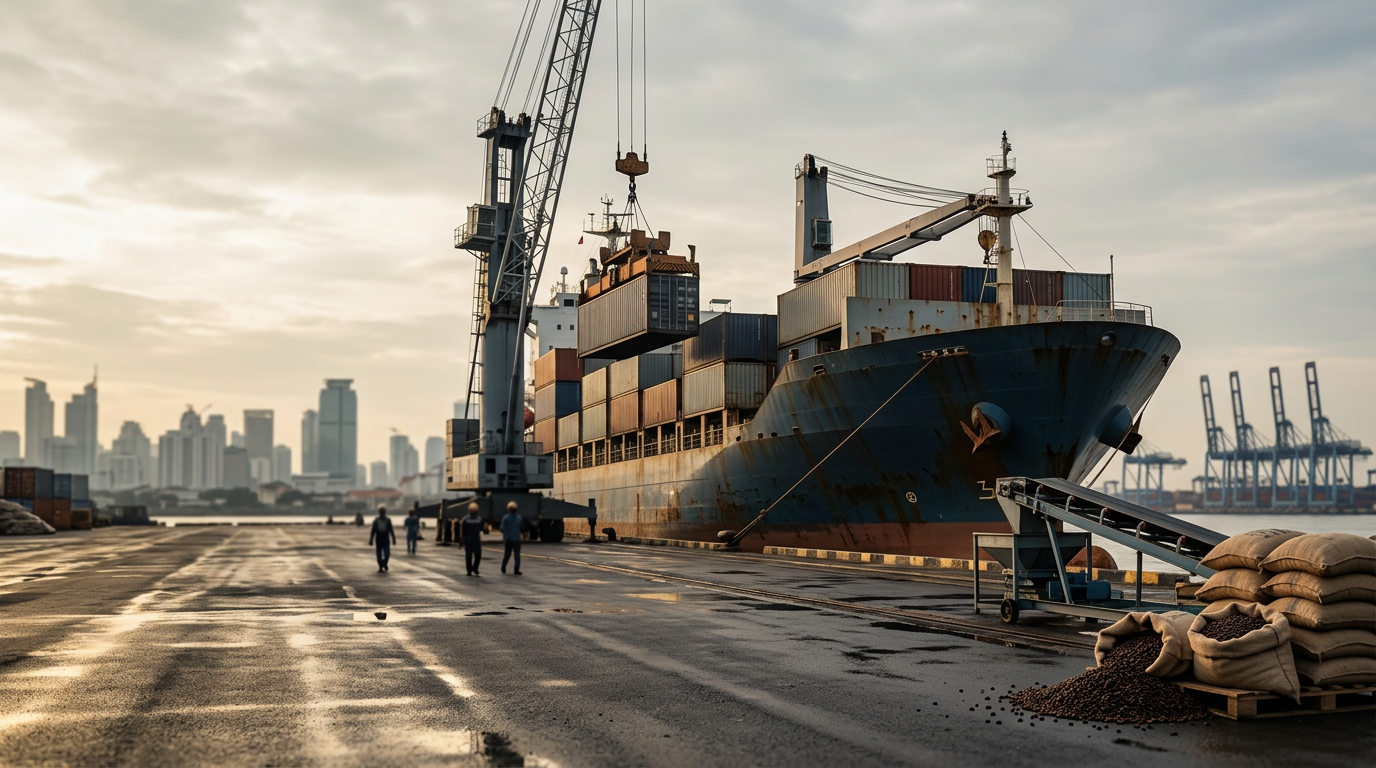
Managing Dependency: Bengkulu, Coffee, and ASEAN Trade Strategy
A single shipment of coffee from Bengkulu to Italy highlights a broader ASEAN strategy: diversifying trade to manage economic dependency, particularly on China, by cultivating new global markets.
 Malaysia
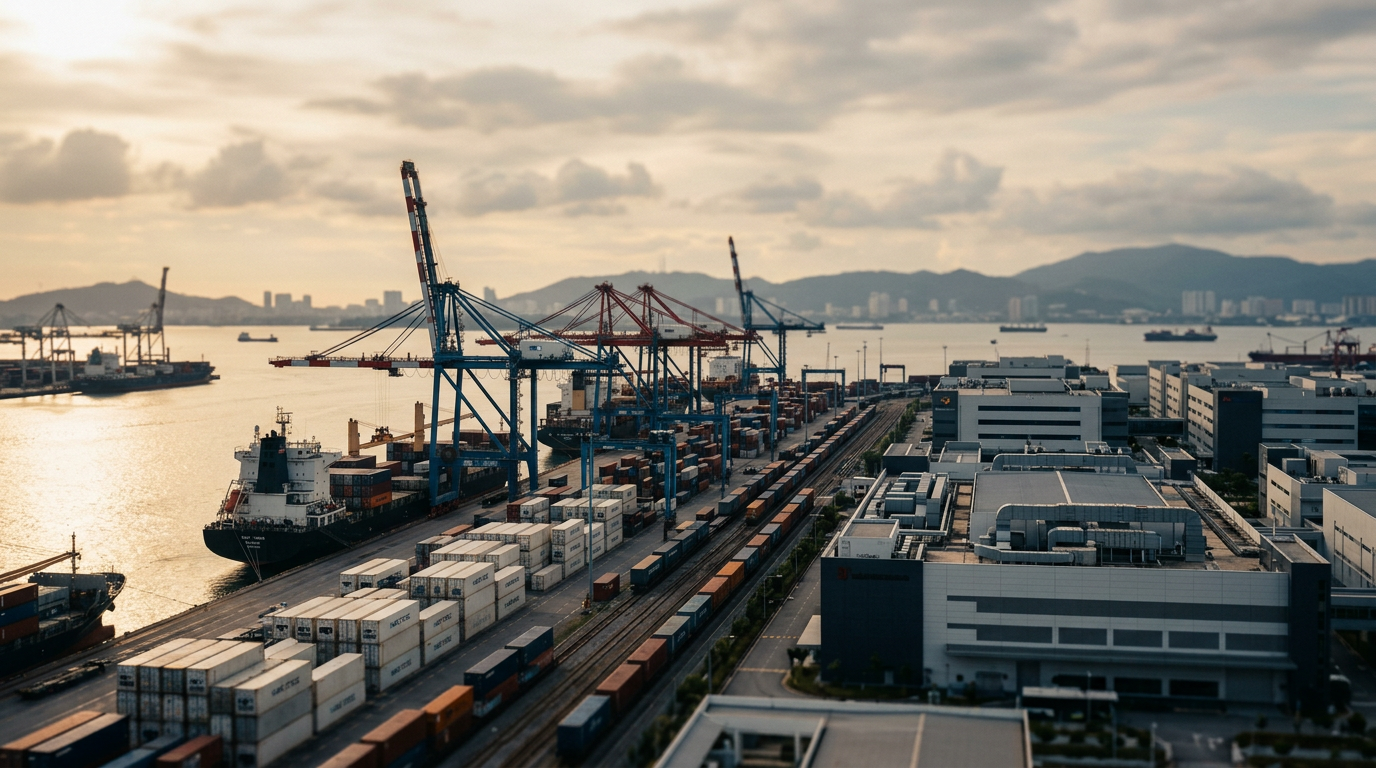
's E&E Export Boom and the China Question
Malaysia's semiconductor industry is thriving, posting record export forecasts. This success is commendable, but it also deepens the country's economic links with China, a structural reality that requires careful management to maintain strategic flexibility.
 Philippines
ASEAN Connectivity and the China Question
Recent ASEAN Connectivity Coordinating Committee discussions in the Philippines highlight the long-term project of building institutional and physical links. For member states, this is not just about logistics; it is a core part of managing economic dependency, particularly in.
 Indonesia
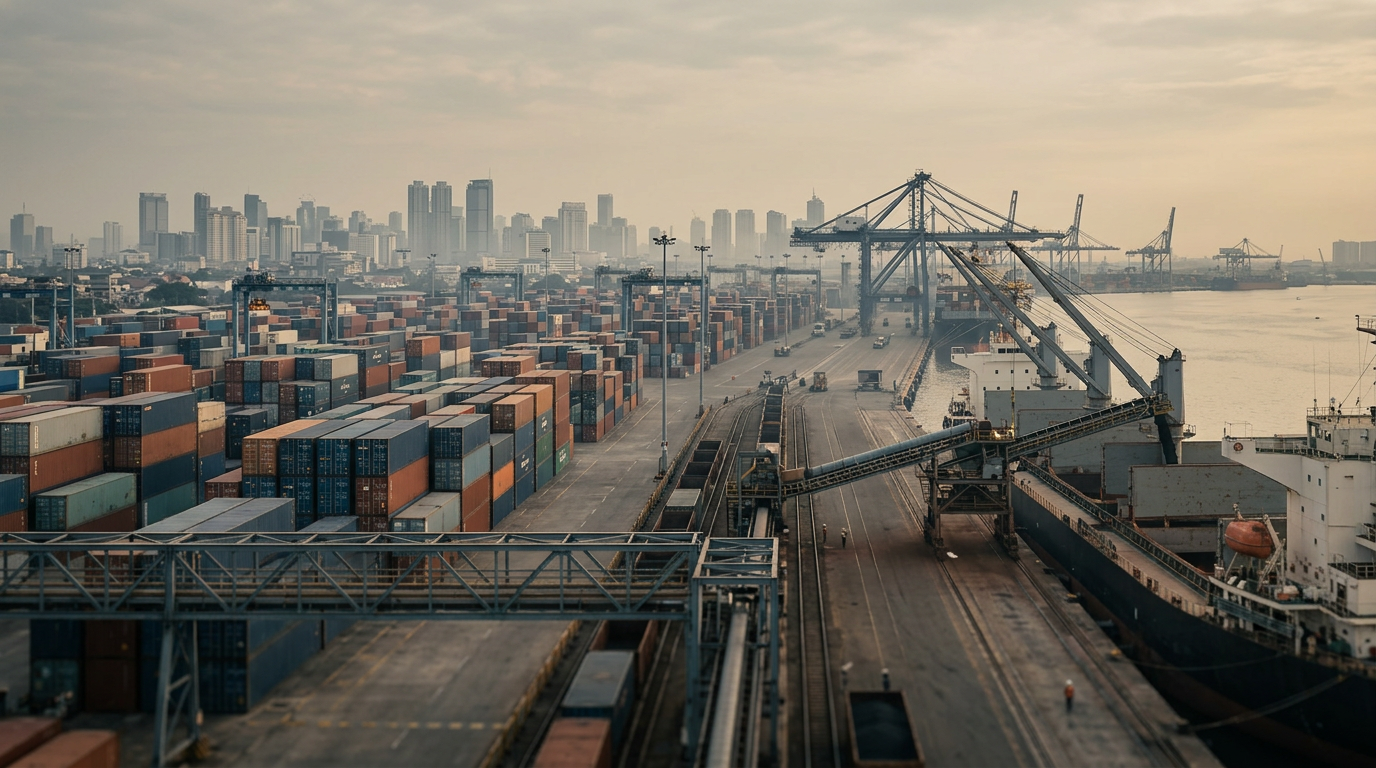
, China, and the Commodity Trade Tightrope
Jakarta's new state-run commodity export body is a bid to manage trade dependency, particularly on China, but its execution raises questions about institutional capacity and market trust.
 Indonesia
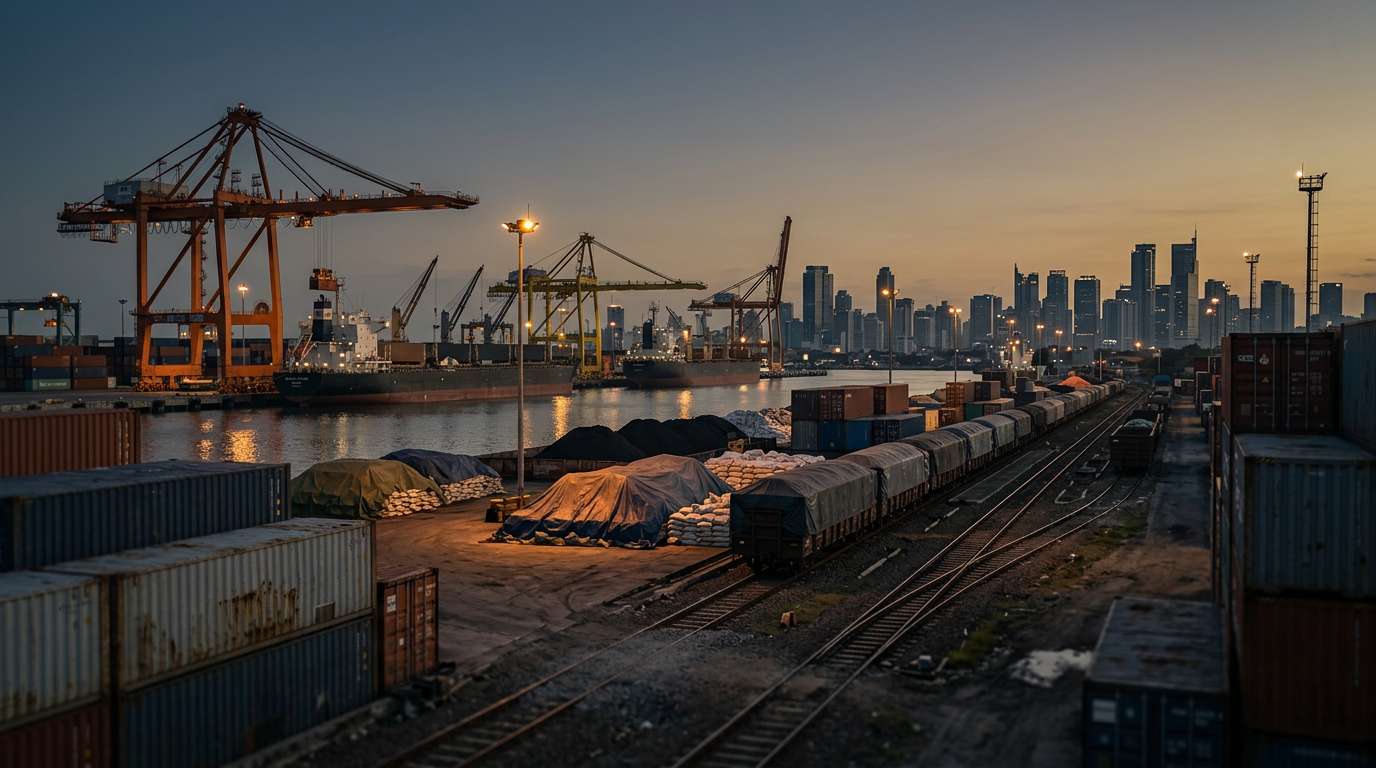
's Commodity Bourse and the Perils of Price Setting
Indonesia plans a new commodity exchange to set its own prices, but this move highlights the challenge of managing economic sovereignty while deeply integrated with global markets, particularly China.
 Brunei
Brazil Looks to ASEAN, But Talk is Cheaper Than Action
Secretary-General of ASEAN, Dr. Kao Kim Hourn, met with Ambassador Maria Luiza Lopes da Silva of the Brazilian Cooperation Agency to discuss deepening cooperation. The meeting highlights a growing interest between the two regions, but turning dialogue into tangible results.
 Indonesia
, Patchouli, and the Challenge of Value Addition
Indonesia wants to add more value to its patchouli oil exports. This mirrors a broader ASEAN challenge: how to move up the value chain from being a mere supplier of raw materials to a producer of finished goods, especially with China as the region's primary trade partner.
 Indonesia
, China, and the Commodity Supercycle: The Limits of 'One-Gate' Policy
Indonesia's plan to channel all strategic commodity exports through a single state-backed platform is an attempt to manage its deep trade relationship with China. This move highlights a core ASEAN dilemma: how to assert national interest in a market defined by Chinese demand.
 Philippines
The Philippines-Canada FTA as a Test of ASEAN Optionality
The ongoing trade negotiations between the Philippines and Canada are more than a simple bilateral exercise. They represent a tangible expression of a broader ASEAN strategic imperative: to build a diversified network of economic partners to manage the structural dependency on.
 Vietnam
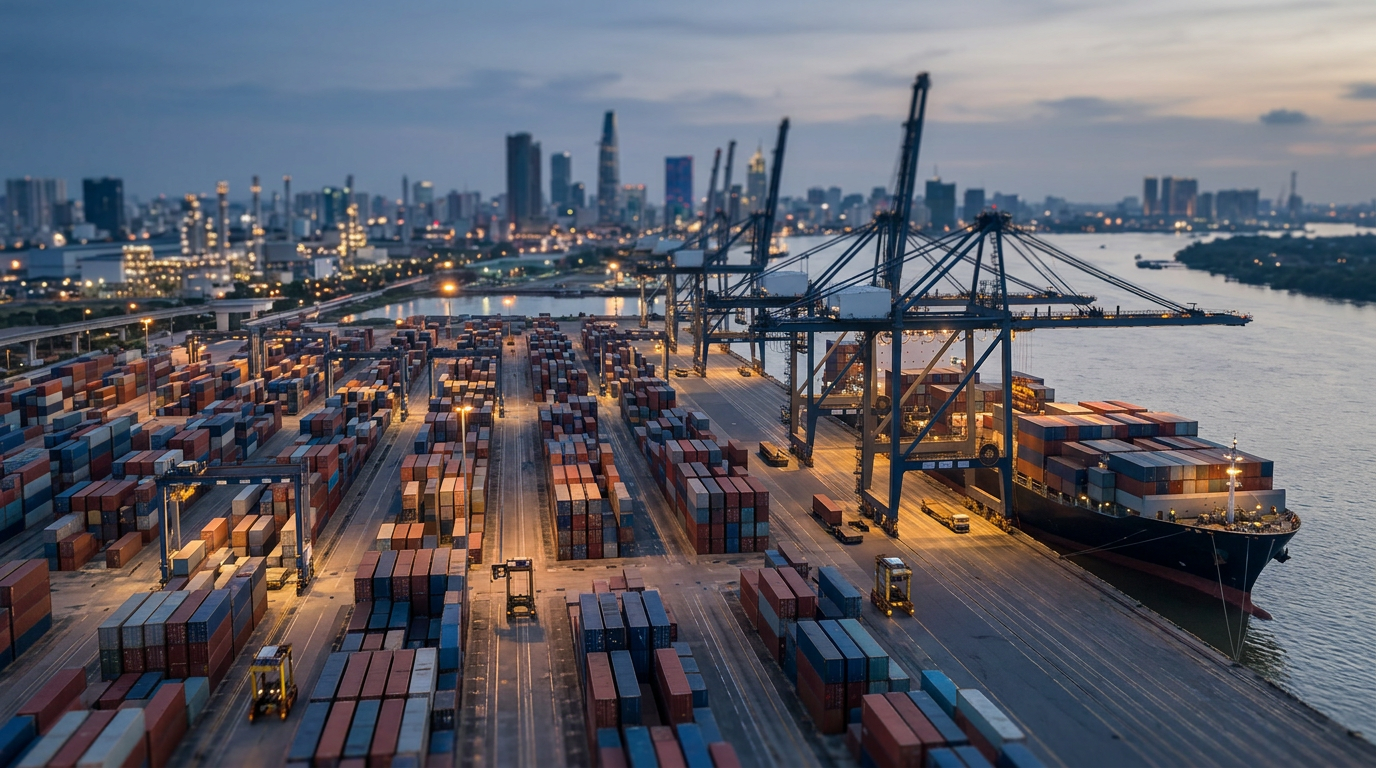
's Logistics Push and the ASEAN Doctrine of Optionality
A recent summit on U.S.-Vietnam trade is more than a routine business event. It is a clear example of a region-wide strategy: managing deep economic dependency on China by building the institutional and physical infrastructure for genuine economic choice.
 Indonesia
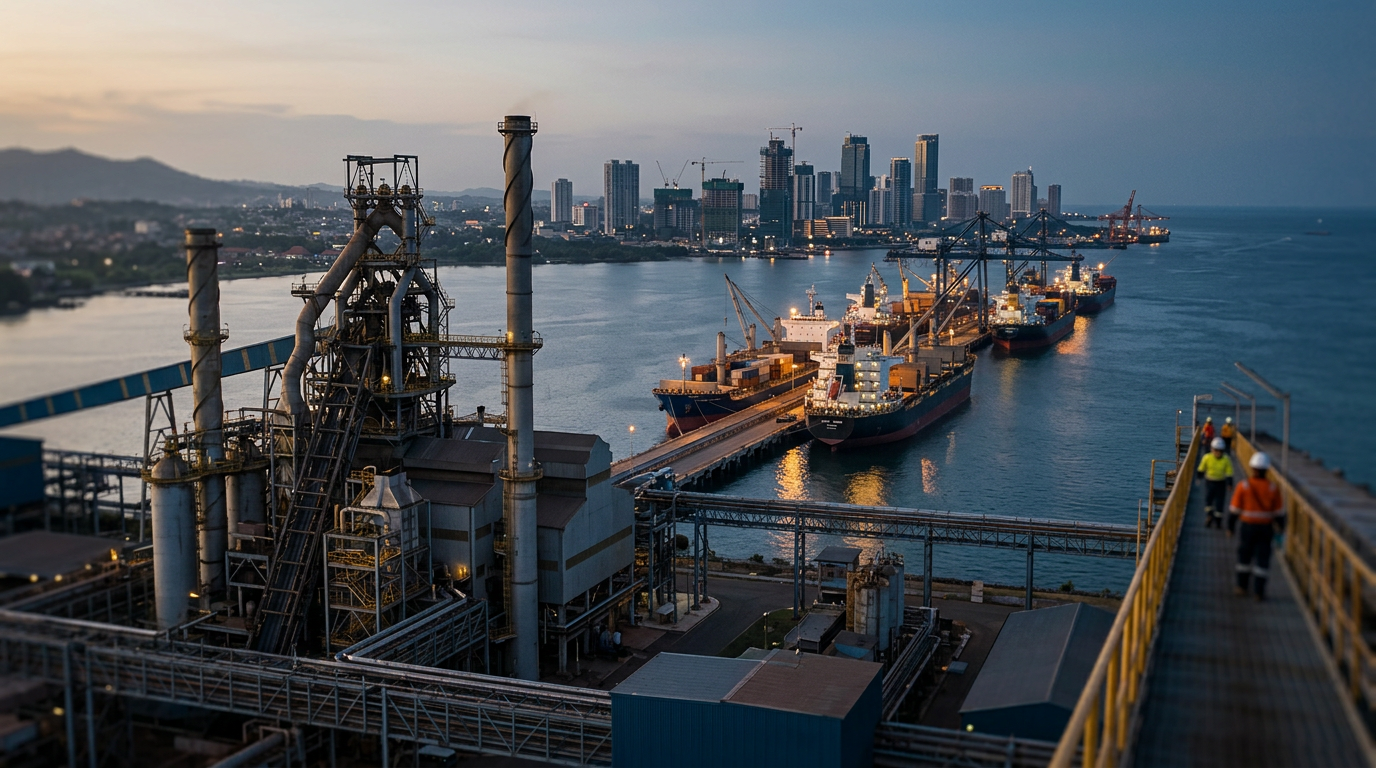
's Mineral Policy and the Test of Strategic Dependency
Indonesia's move to refine its mineral export ban is a clear example of an ASEAN state attempting to move up the value chain. This reflects a broader regional effort to manage economic relationships, particularly with China, by changing the terms of trade dependency.
 Thailand
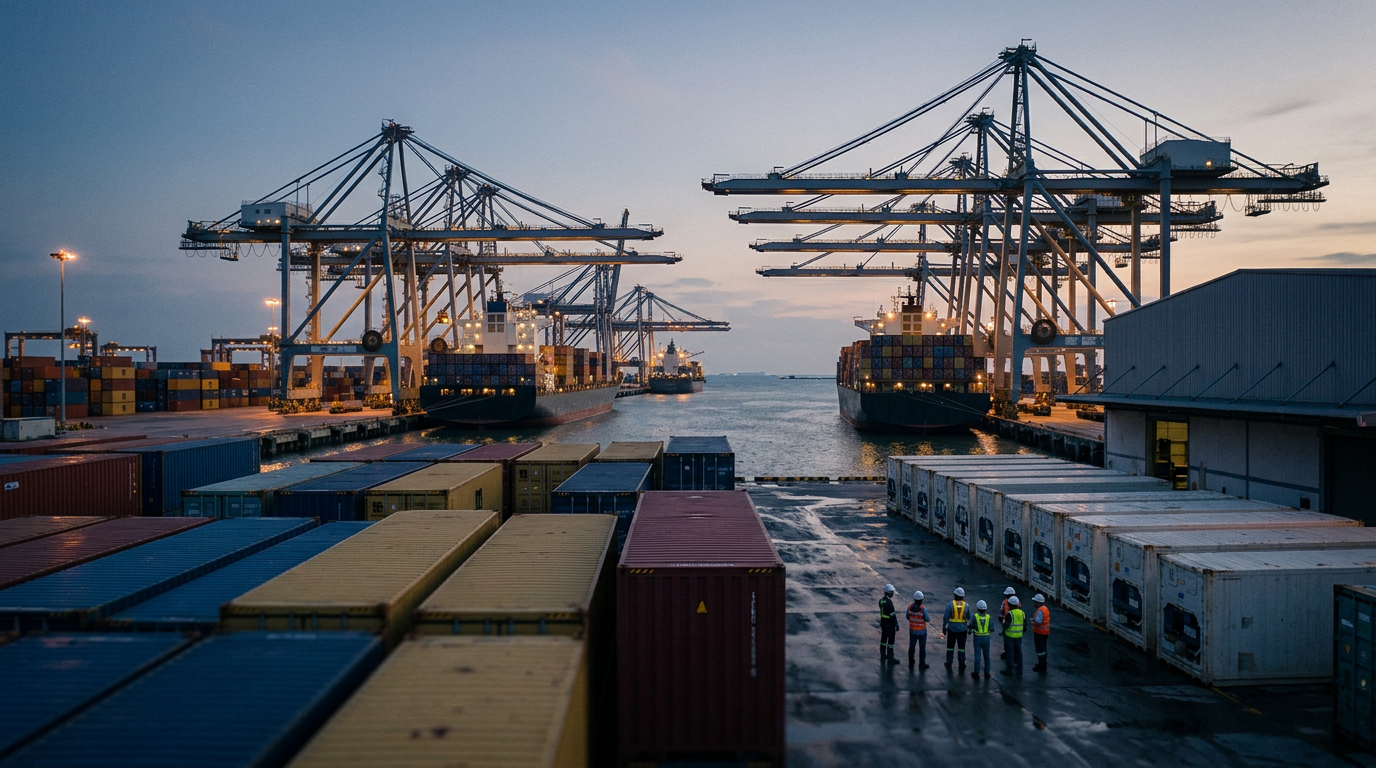
's EU Trade Push and ASEAN's Hedging Imperative
Renewed trade negotiations between Thailand and the EU highlight a core ASEAN strategic challenge: diversifying economic partnerships beyond China while navigating the complex institutional and labor standards that Western partners require.
 Timor-Leste
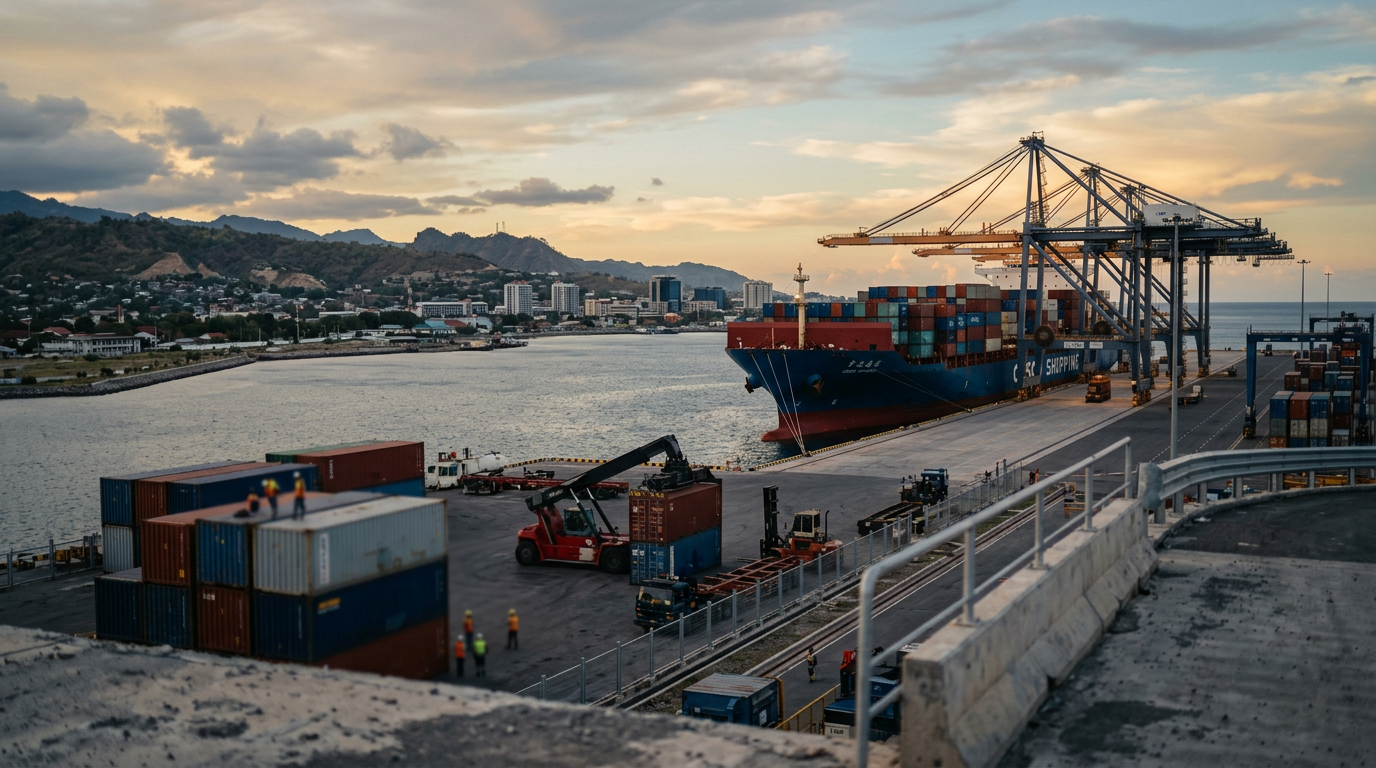
's ASEAN Entry and the China Question
Timor-Leste's path to ASEAN membership is not just about institutional alignment; it's about inheriting the bloc's most significant structural challenge: managing deep economic ties with China while preserving strategic independence.
 Malaysia
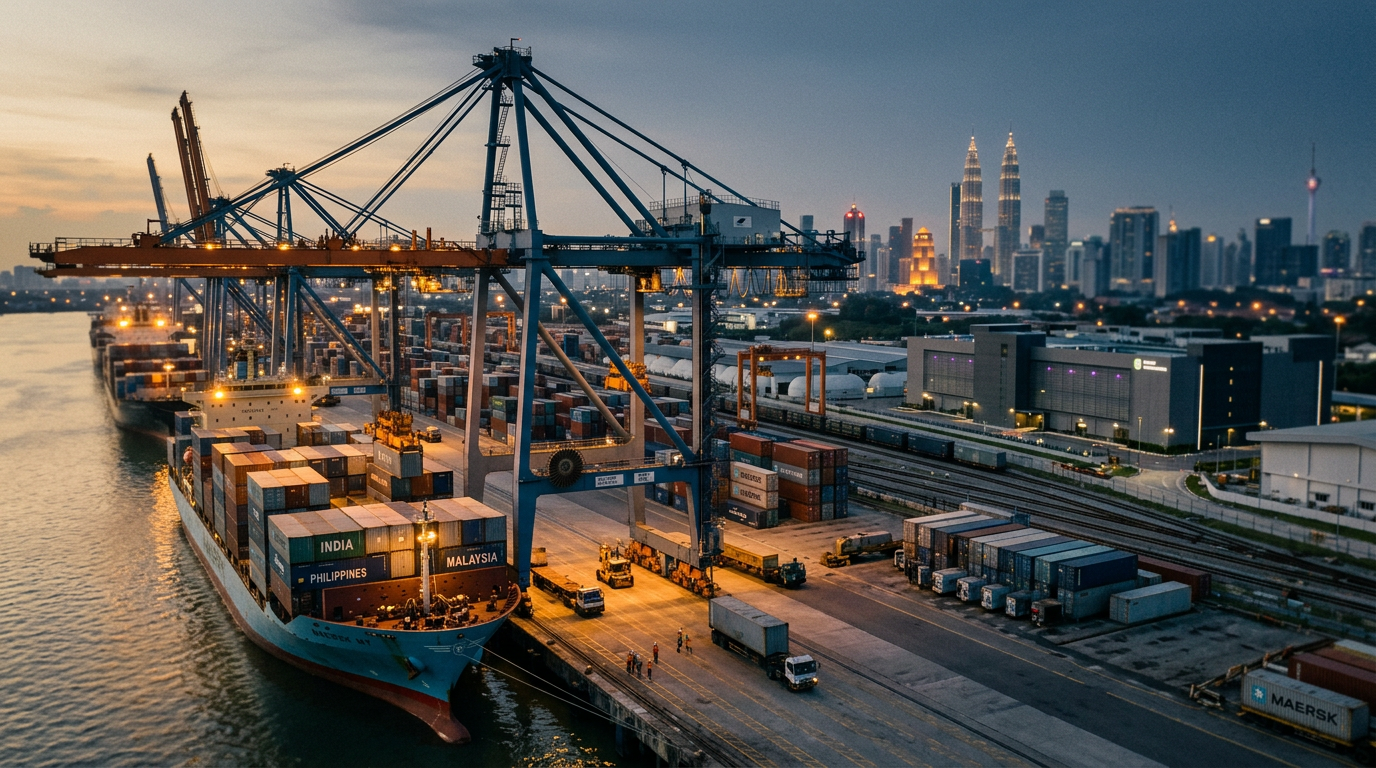
Philippines-India Trade and the ASEAN Search for Optionality
A new trade push between the Philippines and India highlights a broader ASEAN strategy: managing economic dependency on China by building deeper ties with other major partners. Success requires more than agreements; it demands execution, capital, and trust.
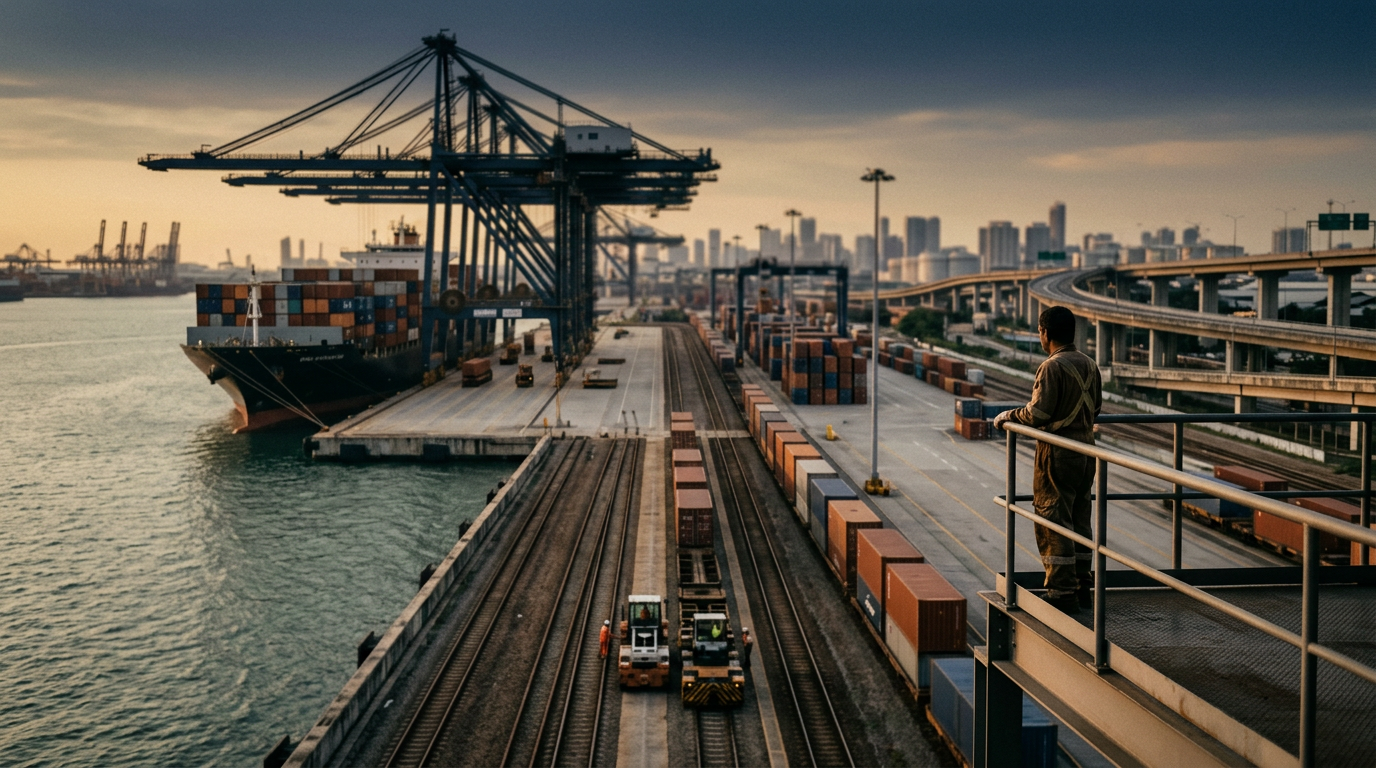
RCEP's Rules and ASEAN's China Strategy
Japan's recent call for stronger rules within the RCEP trade bloc has spotlighted a quiet but persistent question for Southeast Asian nations: how to best use institutional frameworks to manage strategic trade relationships, particularly with China.
 Thailand
's China Jewelry Deal: A Study in Managed Dependency
A new trade deal between Thailand and China for gemstones and jewelry highlights a core ASEAN dilemma: how to deepen economic ties with Beijing while managing the strategic risks of dependency.
 Thailand
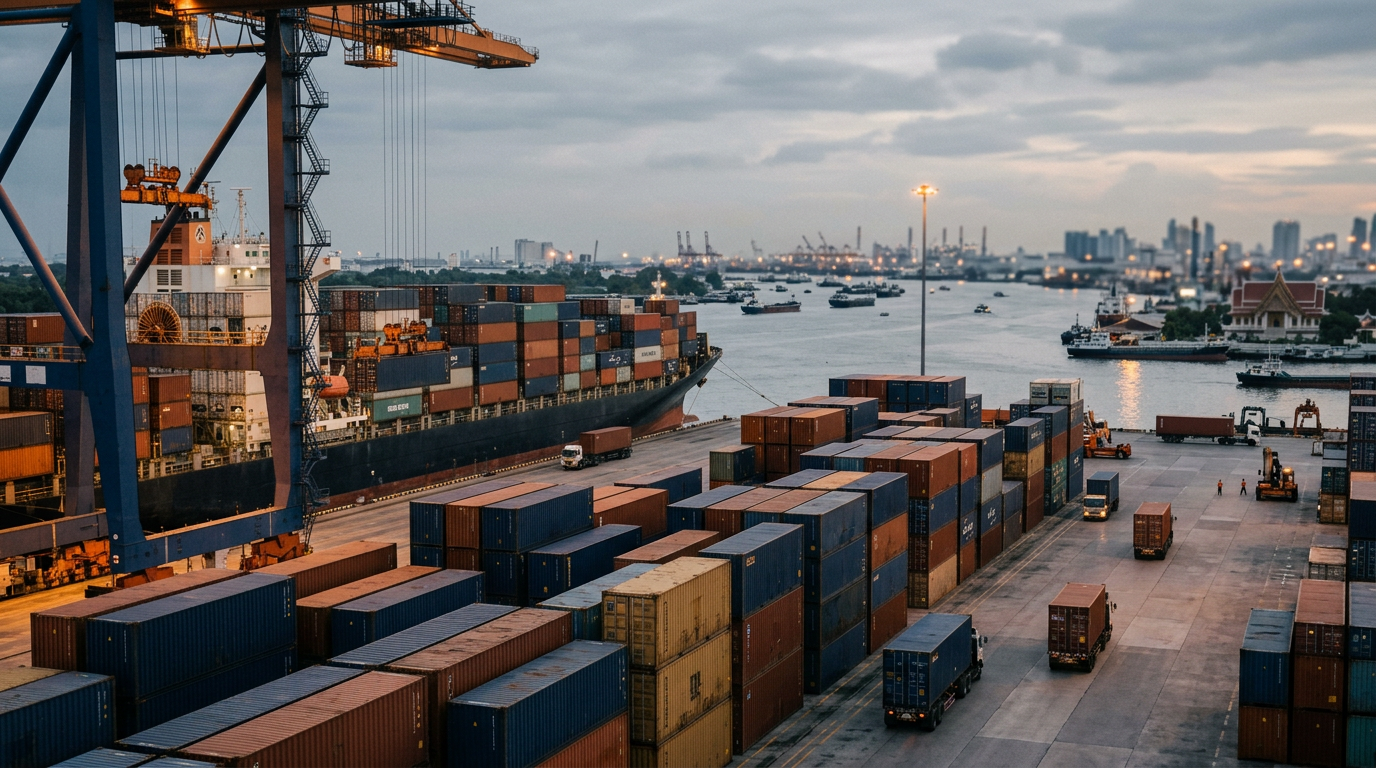
US Tariffs on Thai Goods Underscore a Structural Reality
New US tariffs on Thai exports create near-term economic pressure. They also expose a deeper, long-term strategic challenge for Thailand and its ASEAN neighbors: managing deep economic integration with China amid enduring reliance on Western markets.
 Malaysia
's AI Windfall and the China Question
Malaysia's rising growth forecast, driven by an AI-related export boom, highlights a structural reality for ASEAN nations: economic opportunities are deeply intertwined with China, requiring careful management of trade dependency.
 Malaysia
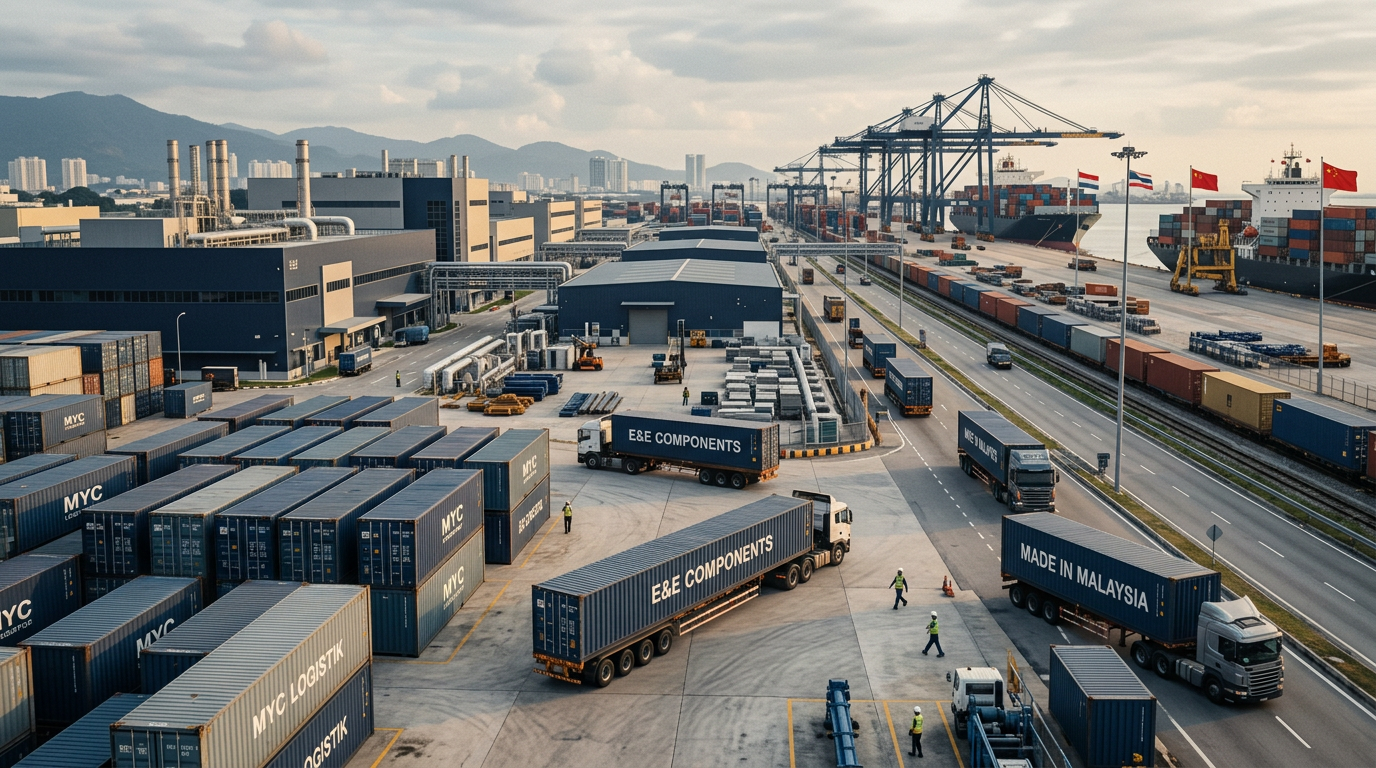
's E&E Export Boom Sharpens China Dependency Question
A strong new GDP forecast for Malaysia, driven by its electronics sector, puts a spotlight on the country's deep trade links with China and the strategic challenge of managing that dependency.
 Malaysia
's Chip Strategy Tests ASEAN's Strategic Optionality
Malaysia's efforts to shield its semiconductor industry from US trade measures highlight a core ASEAN dilemma: how to navigate the US-China rivalry while maintaining economic sovereignty and investment appeal.
 Vietnam
's Currency Pressure and the China Question
A strengthening US dollar highlights a structural challenge for Vietnam and its neighbors: how to manage deep economic ties with China while navigating global financial volatility. The answer lies in building institutional resilience and securing economic optionality.
 Indonesia
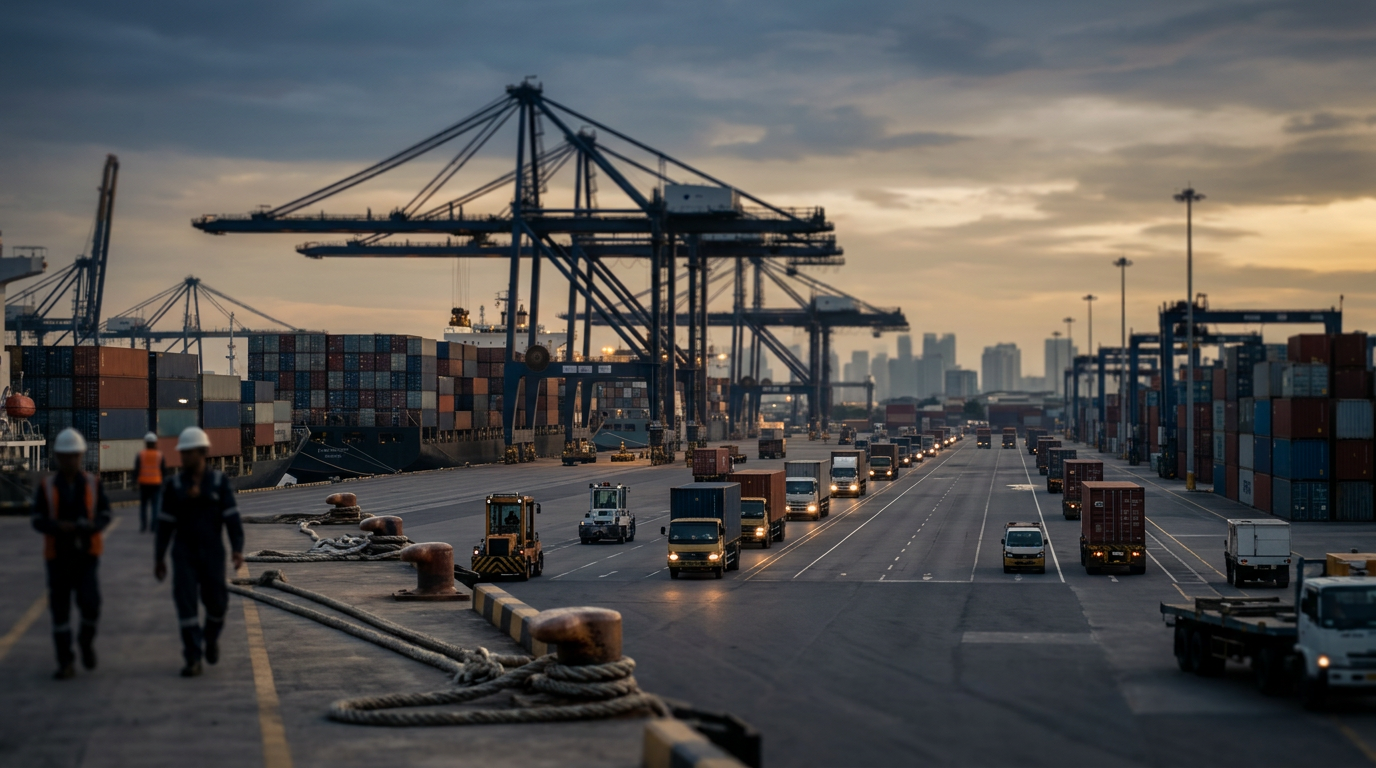
's Export Overhaul: A New Strategy for an Era of Chinese Trade Dominance
Indonesia's new one-stop export policy is a test case in how an ASEAN state can attempt to manage its deep economic dependency on China, a structural feature of the region's economy.
 Malaysia
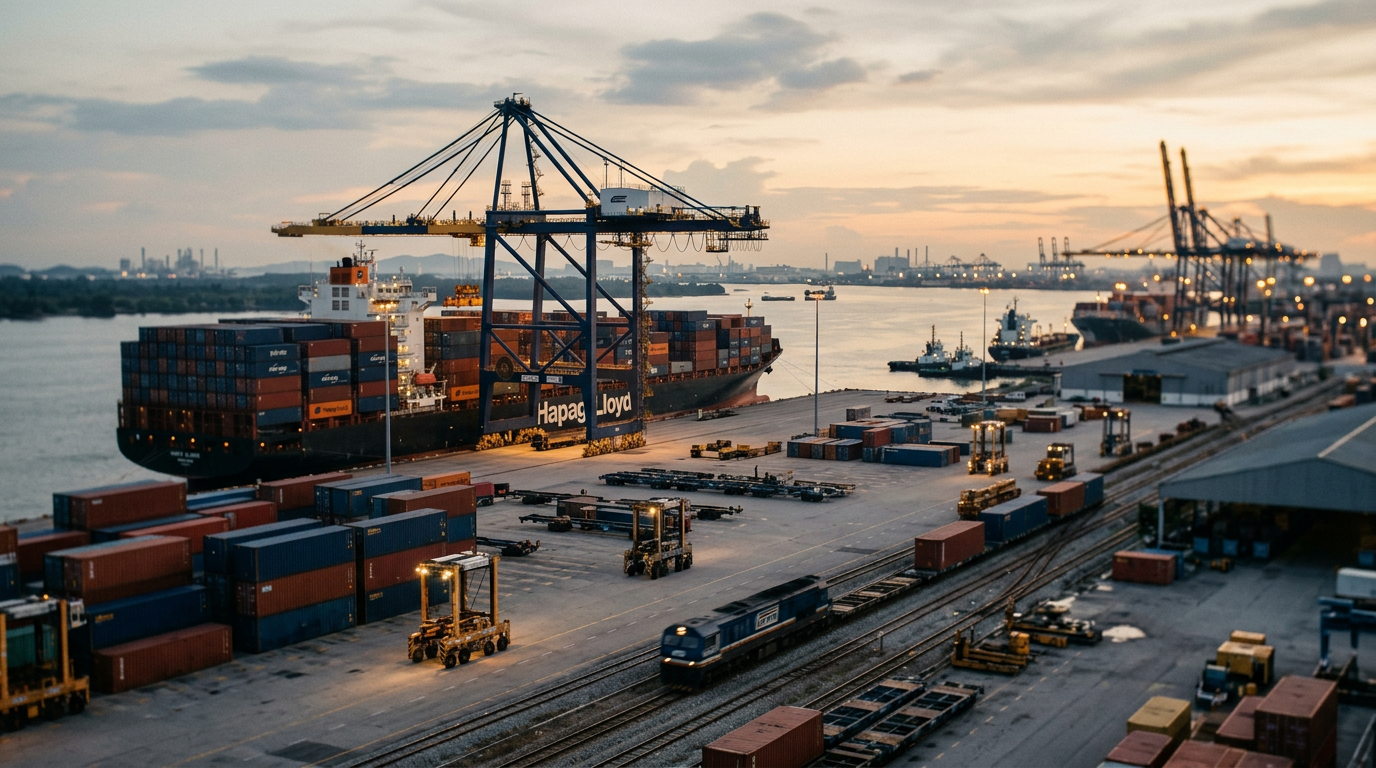
's Export Slowdown and the China Question
A forecast of moderating exports in Malaysia highlights a deeper structural issue for all of ASEAN: how to manage deep economic dependency on China while preserving strategic options.
 Cambodia
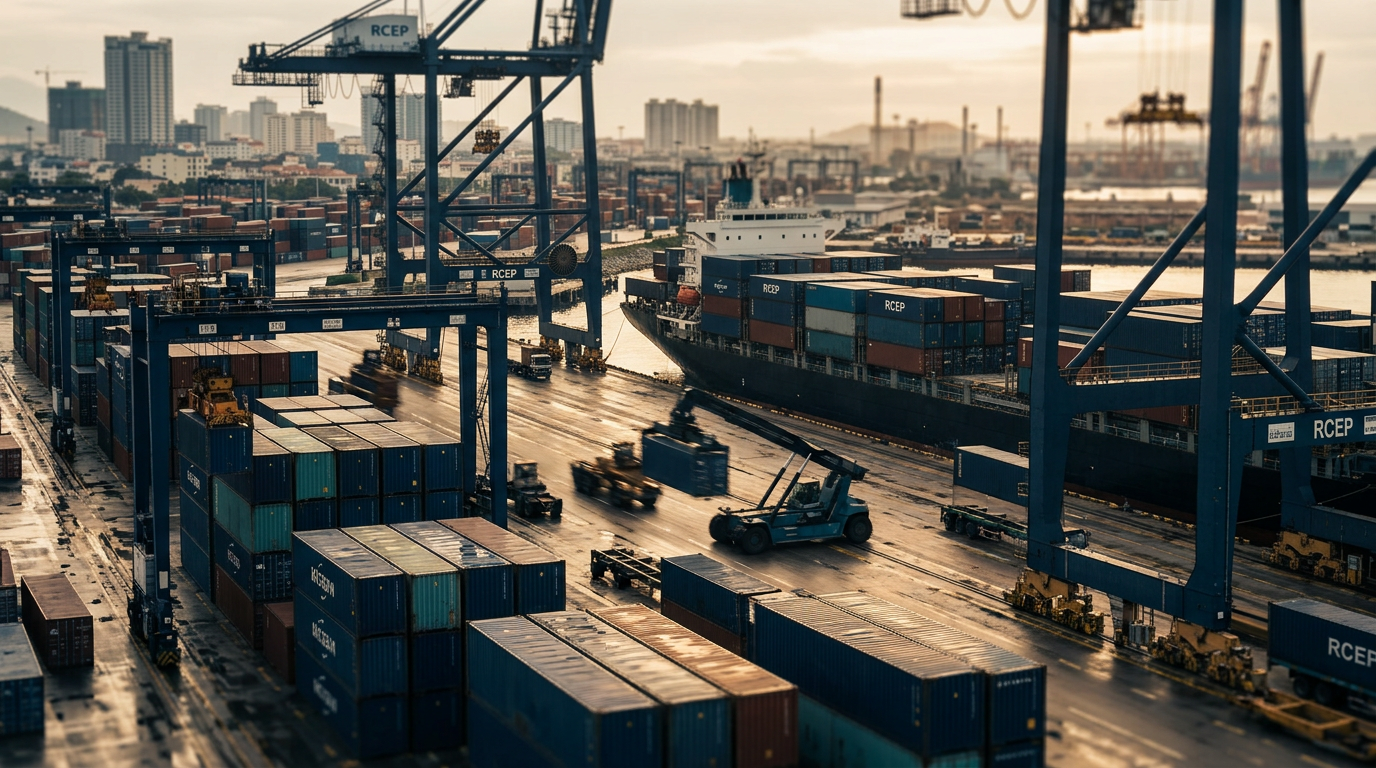
's RCEP Gains Underscore a Regional Dilemma
A 24% surge in Cambodia's trade with RCEP nations is a major economic win, but it also reflects a structural reality for the entire region: how to manage deep economic ties with China while maintaining strategic flexibility.
 Indonesia
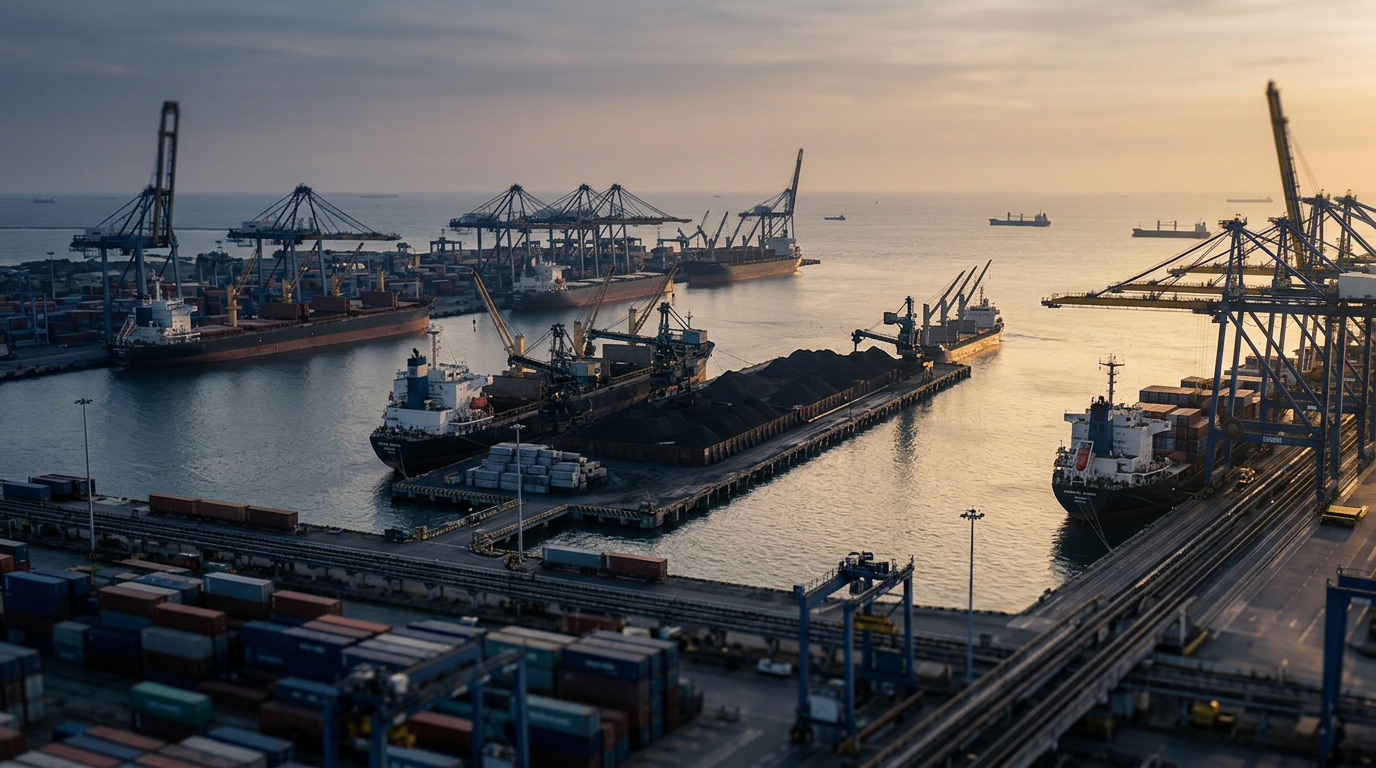
's Commodity Strategy: A Test of ASEAN's Balancing Act
Indonesia, a top exporter of palm oil, coal, and nickel, is tightening export controls by centralizing trade through a state-run agency. This move reflects a broader ASEAN trend of managing economic dependency while seeking strategic autonomy, a core theme analyzed in "ASEAN Risi