Malaysia
Malaysia's AI Windfall and the China Question
Malaysia's rising growth forecast, driven by an AI-related export boom, highlights a structural reality for ASEAN nations: economic opportunities are deeply intertwined with China, requiring careful management of trade dependency.
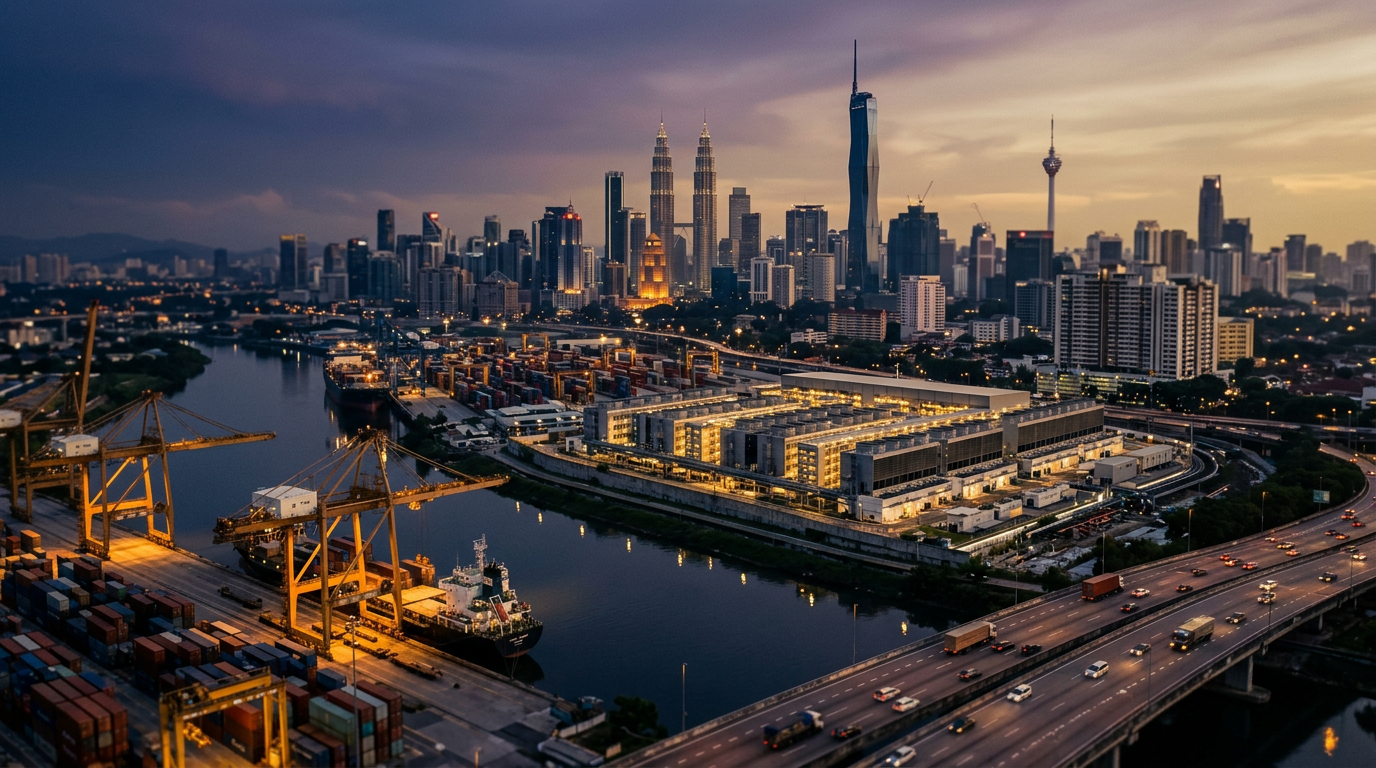
An improved growth forecast for Malaysia, driven by a global boom in artificial intelligence, has drawn positive attention. The Asean+3 Macroeconomic Research Office (AMRO) recently lifted its outlook for the country on the back of strong exports, as reported by The Star. This development is a testament to Malaysia's established role in global electronics supply chains. However, it also brings a long-term strategic question into sharper focus: how does this growth fit within the country's deep economic relationship with China?
Technology Exports and Supply Chains
Malaysia's economic strength has long been linked to its manufacturing and export capacity, particularly in electronics. The current AI boom amplifies this. The country is a significant producer of semiconductors and other components that are fundamental to building the data centers and hardware powering AI applications. This export strength is the result of decades of industrial policy, targeted infrastructure development, and the successful attraction of foreign capital into high-tech manufacturing.
The capital flowing into Malaysia to build and expand these facilities is a core component of the growth story. International firms, recognizing the country's stable manufacturing environment and skilled talent pool, continue to invest. This creates jobs and drives exports. Yet, the supply chain for these advanced electronics is global and complex. The raw materials, specialized equipment, and final markets for these components often involve multiple countries, creating a web of interconnections that defines Malaysia's position in the global economy.
A Structural Feature
The geography of these supply chains leads directly to China. While a Malaysian-made chip may be destined for a server in the United States or Europe, its journey often involves assembly and integration within China. Alternatively, Malaysian factories may rely on specialized materials or sub-components sourced from Chinese firms. This deep-seated economic integration is not a temporary or cyclical trend. As the book ASEAN Rising notes, this trade depth is now a structural reality for the region's economies.
The question for governments is no longer about whether to engage with China, but how to do so strategically. The economic benefits, as seen in Malaysia's current export performance, are clear. The challenge comes from ensuring that this inter-reliance does not limit the country's strategic or economic options. The reliance on a single, dominant trade partner in key growth sectors creates vulnerabilities, whether from shifts in that partner's economic policy, industrial strategy, or from external geopolitical pressures.
Dependency and Optionality
The central task for Malaysian policymakers is to "manage dependency without losing optionality." This means capitalizing on the AI-driven export boom without becoming overly reliant on the Chinese market or Chinese-controlled portions of the supply chain. Execution is everything. It requires robust institutions that can navigate complex trade relationships and vet inbound capital, ensuring it aligns with national interests.
One path involves a concerted effort to diversify. This includes not only the destinations for Malaysia's exports but also the sources of foreign direct investment. Attracting capital from a wide array of partners-including Japan, South Korea, the United States, and the European Union-can provide a counterbalance and reduce vulnerability. It also means investing in talent and domestic innovation to move Malaysian industry up the value chain, from component manufacturing to design and system integration. By doing so, Malaysia can build a more resilient economic structure that is less susceptible to external shocks and maintains greater control over its economic destiny.
What to watch
What to watch is how Malaysian industrial and trade policy evolves to address this dynamic. Observers should monitor the sources of foreign direct investment into its technology sector and whether the government actively promotes export destination diversification for its AI-related products. The balance between maximizing immediate growth from the current boom and ensuring long-term economic sovereignty will define Malaysia's strategy in the coming years.