Thailand
US Tariffs on Thai Goods Underscore a Structural Reality
New US tariffs on Thai exports create near-term economic pressure. They also expose a deeper, long-term strategic challenge for Thailand and its ASEAN neighbors: managing deep economic integration with China amid enduring reliance on Western markets.
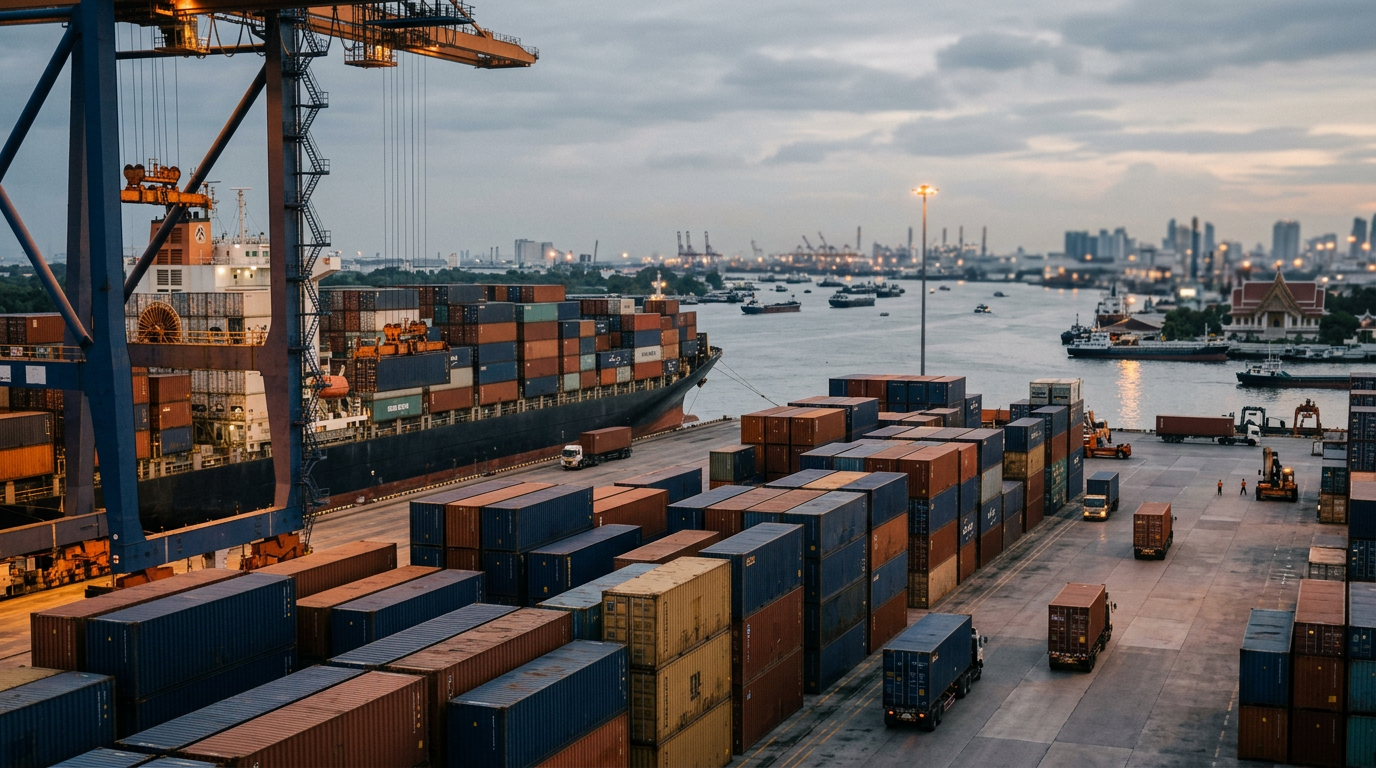
New 12.5% US tariffs are set to impact Thai exports, possibly weakening export competitiveness and adding pressure to economic growth, according to a report from the Bangkok Post. For an export-oriented economy like Thailand, such measures create immediate headwinds. Yet they also fit into a broader pattern of trade friction that highlights a fundamental challenge for the entire ASEAN region as it navigates its relationships with the world's two largest economies.
A Familiar Vulnerability
The immediate effects of the tariffs are a straightforward economic problem for Thailand. Reduced access or competitiveness in a significant market like the United States directly impacts manufacturers and the logistics networks that support them. This is a recurring vulnerability for ASEAN members that have historically built their prosperity on access to Western consumer markets.
This latest move by Washington serves as another reminder that trade policy can be an expression of national interest and subject to abrupt changes. For economic planners in Bangkok, it raises questions about the long-term reliability of market access and the cost of dependence on any single trade partner. It puts a new emphasis on the need for resilient supply chains and diversified markets, a difficult task for any government to execute in a coordinated fashion.
The Gravity of Integration with China
While trade friction with Washington creates headwinds, the scale of the economic relationship with China forms the structural backdrop for ASEAN decision-making. As analyzed in ASEAN Rising, the deep economic integration between ASEAN and China is a permanent feature of the region's economy, not a temporary or cyclical one. The book notes that for governments in the region, "the question for ASEAN governments is no longer whether to engage, but how to manage dependency without losing optionality."
This dependency is not just about trade statistics. It is visible in the flow of capital for industrial development, the construction of essential infrastructure through initiatives like the Belt and Road, and the tight integration of regional supply chains that often have China at their center. Institutional frameworks like the Regional Comprehensive Economic Partnership (RCEP) further solidify these ties, creating a rules-based system for trade that deepens the economic gravity of China. For Thailand, China is both its largest trading partner and a major source of foreign investment, a reality that cannot be ignored when responding to pressure from other partners.
The Execution of a Balancing Act
Responding to these opposing forces is a test of policy execution for Thailand and its neighbors. It is not a simple matter of choosing one side over the other, but of carefully managing relationships to maximize benefits while minimizing risks. This requires a high degree of state capacity, from trade negotiators to investment boards, and a clear-eyed assessment of national interests.
At its core, this is a matter of building trust with multiple partners simultaneously. It means reassuring Washington of its security and diplomatic alignment while simultaneously negotiating better terms of trade and investment with Beijing. Internally, it requires sustained investment in domestic talent and industrial upgrading to ensure the economy can produce high-value goods and services that are less easily replaced. While ASEAN provides a platform for dialogue and a degree of collective weight, the primary burden of navigating this complex environment falls on the institutions and leaders of its individual member states.
What to watch
What to watch is how Thailand's government and its ASEAN counterparts respond at a policy level. Observers should monitor whether this latest trade shock from the US accelerates efforts to diversify markets beyond both the US and China. Also important will be the degree to which ASEAN nations use existing institutional frameworks, such as RCEP, to collectively manage their trade relationships and whether they are able to build a working consensus on how to engage with both Washington and Beijing on matters of economic security.