
 Philippines
Japan, ASEAN, and the China Question
The recent dialogue between ASEAN economic ministers and Japanese business leaders in Manila highlights a persistent theme: managing economic dependency in an era of intense strategic competition.
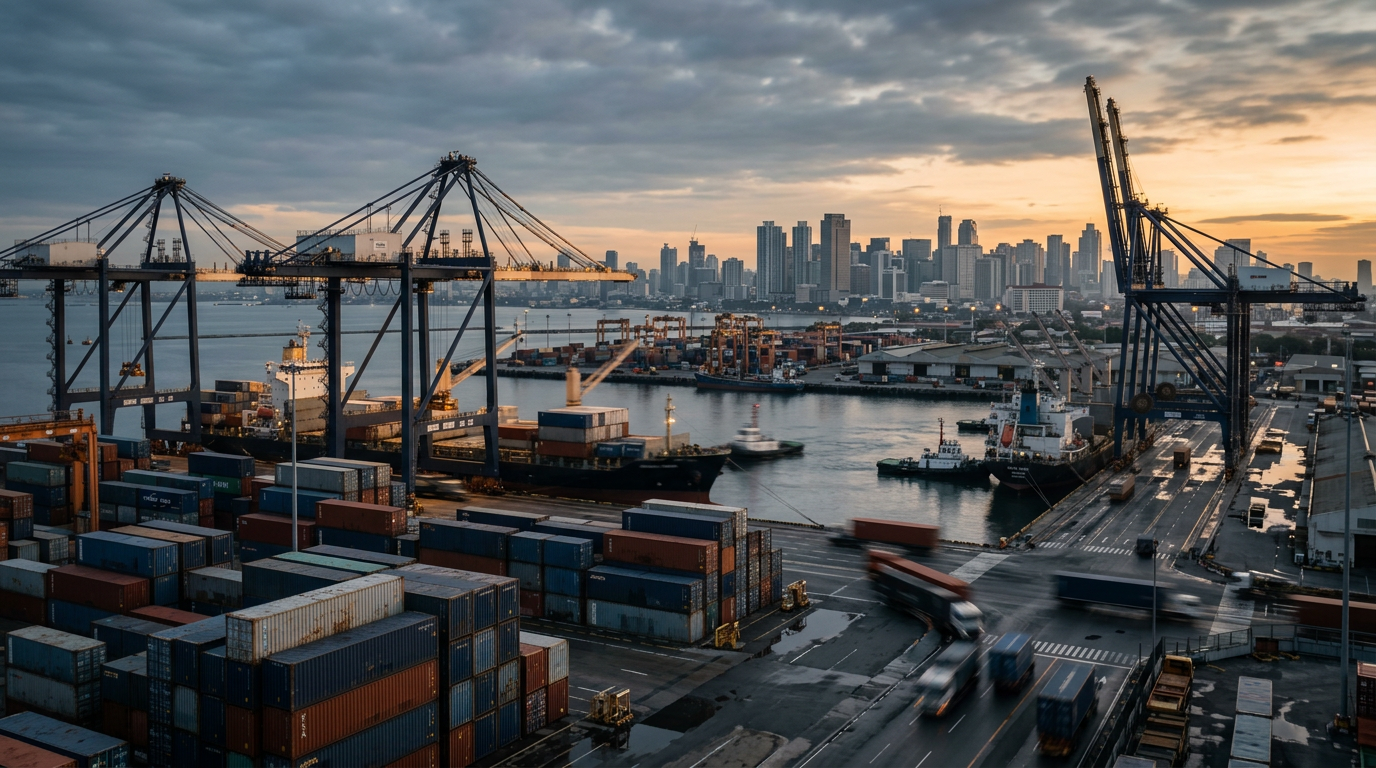
At the 18th Dialogue with the Federation of Japanese Chambers of Commerce and Industry in ASEAN (FJCCIA), held in Manila, ASEAN Secretary-General Dr. Kao Kim Hourn emphasized the enduring economic partnership with Japan. The meeting, as reported by ASEAN.org, focused on strengthening this long-standing relationship. While the dialogue celebrated decades of cooperation, it also implicitly highlighted a central challenge for the bloc: navigating its deep economic ties with various global powers, most notably China.
The Gravity of Trade
The economic architecture of Southeast Asia has seen a definitive shift over the past two decades. While Japan remains a significant investor and trade partner, China has emerged as the most dominant economic force in the region. For most ASEAN member states, China is the largest trading partner, a top source of foreign direct investment, and a primary financier of infrastructure projects. This integration is so profound that, as the book "ASEAN Rising" notes, "trade depth with China is now a structural feature, not a cyclical one." The economic benefits are undeniable, powering growth and connecting markets. However, this deep integration brings with it complexities that ASEAN governments must actively manage.
Managing Dependency
The core task for ASEAN is not to decouple from China-an unrealistic and likely damaging proposition-but to build a framework for managed dependency. This involves diversifying economic relationships and strengthening the bloc's own institutions. The continued engagement with Japanese businesses is a clear example of this diversification in practice. By reinforcing ties with Japan, as well as with other partners like the United States, the European Union, and India, ASEAN member states create economic and strategic optionality. This prevents over-reliance on any single partner and provides a buffer against external shocks or political pressure. The goal is to sustain economic growth without compromising foreign policy independence or regional stability. The dialogue with the FJCCIA serves as a reminder of the value of these long-standing, trust-based partnerships in a complex geopolitical environment.
The Role of Institutions
Strong regional institutions are the bedrock of this balancing act. Agreements like the ASEAN-Japan Comprehensive Economic Partnership (AJCEP) and the Regional Comprehensive Economic Partnership (RCEP), which includes both China and Japan, provide a rules-based framework for trade and investment. These platforms allow ASEAN to engage with larger powers from a position of greater collective strength. The regular meetings of the ASEAN Economic Ministers, such as the one that accompanied the dialogue in Manila, are the forums where this collective strategy is debated and executed. By harmonizing trade policies, setting regional standards, and speaking with a more unified voice, ASEAN can more effectively shape the terms of its engagement with global powers and ensure that the region's interests are protected.
What to watch: Observers should monitor the progress of upgrades to the ASEAN-Japan Comprehensive Economic Partnership and the implementation of RCEP. The extent to which ASEAN countries can leverage these agreements to attract diversified investment, particularly in high-value sectors like the digital economy and green technology, will be a key indicator of their success in managing external economic dependencies while fostering internal resilience.


