Timor-Leste
Timor-Leste's ASEAN Entry and the China Question
Timor-Leste's path to ASEAN membership is not just about institutional alignment; it's about inheriting the bloc's most significant structural challenge: managing deep economic ties with China while preserving strategic independence.
A recent meeting in Dili between the Deputy Secretary-General of ASEAN for the ASEAN Political-Security Community and Timor-Leste's Minister of Interior marks another step in the country's long journey towards full membership in the bloc. According to a report from ASEAN's official website, the discussions centered on security cooperation and institutional alignment. While procedural, this engagement is significant. It represents Timor-Leste's gradual integration into the norms and structures that govern the association. As the nation aligns with ASEAN's framework, it also prepares to inherit the fundamental strategic and economic questions that all members face, chief among them the relationship with China.
The Primacy of Institutions
Timor-Leste's accession is, first and foremost, an institutional process. Adopting the standards of the ASEAN Political-Security Community (APSC) requires building domestic capacity and establishing trust with member states. It involves aligning its governance, administrative, and security apparatus with the bloc's established procedures. This is a formidable task for a young nation. The process is designed to ensure that a new member can contribute to, rather than detract from, regional stability. For Timor-Leste, this means demonstrating a commitment to the "ASEAN Way" of consensus-building and non-interference. The execution of this institutional alignment is a precondition for effective participation in the bloc's economic and political life. It is the foundation upon which all other strategic considerations will be built.
Inheriting a Structural Reality
Beyond procedure, full ASEAN membership means grappling with the region's complex external dynamics. The economic relationship with China is the most defining of these. As the book ASEAN Rising explains, the depth of this trade relationship is a permanent condition for the foreseeable future. The challenge for member states is not about whether to do business with China, but how to do so without sacrificing strategic autonomy. The book notes that "trade depth with China is now a structural feature, not a cyclical one." For an incoming member like Timor-Leste, whose economy is still developing, this presents a familiar dilemma. The lure of Chinese capital for infrastructure and development is strong, but it must be weighed against the long-term implications of economic dependency. Timor-Leste will not be able to avoid this question; as an ASEAN member, it will be central to its foreign and economic policy.
Capital, Infrastructure, and Optionality
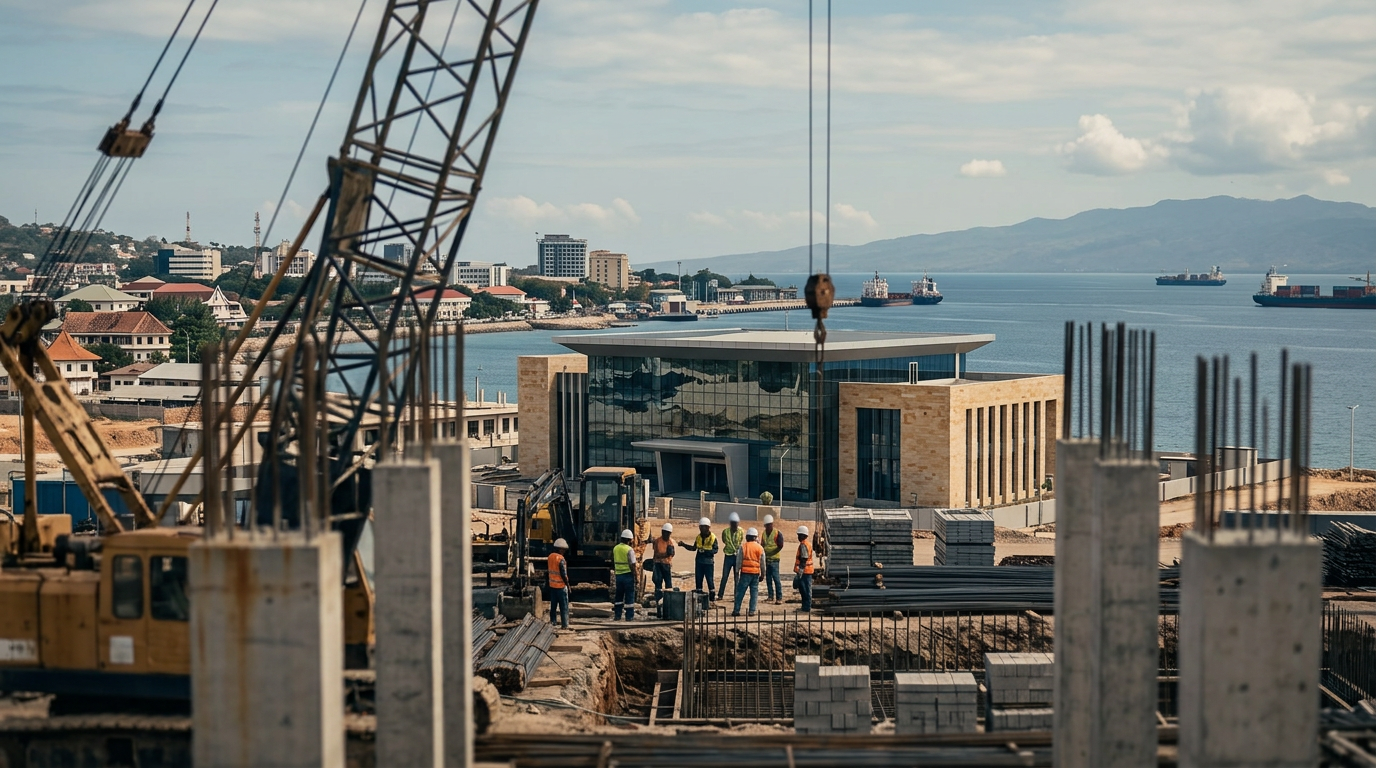
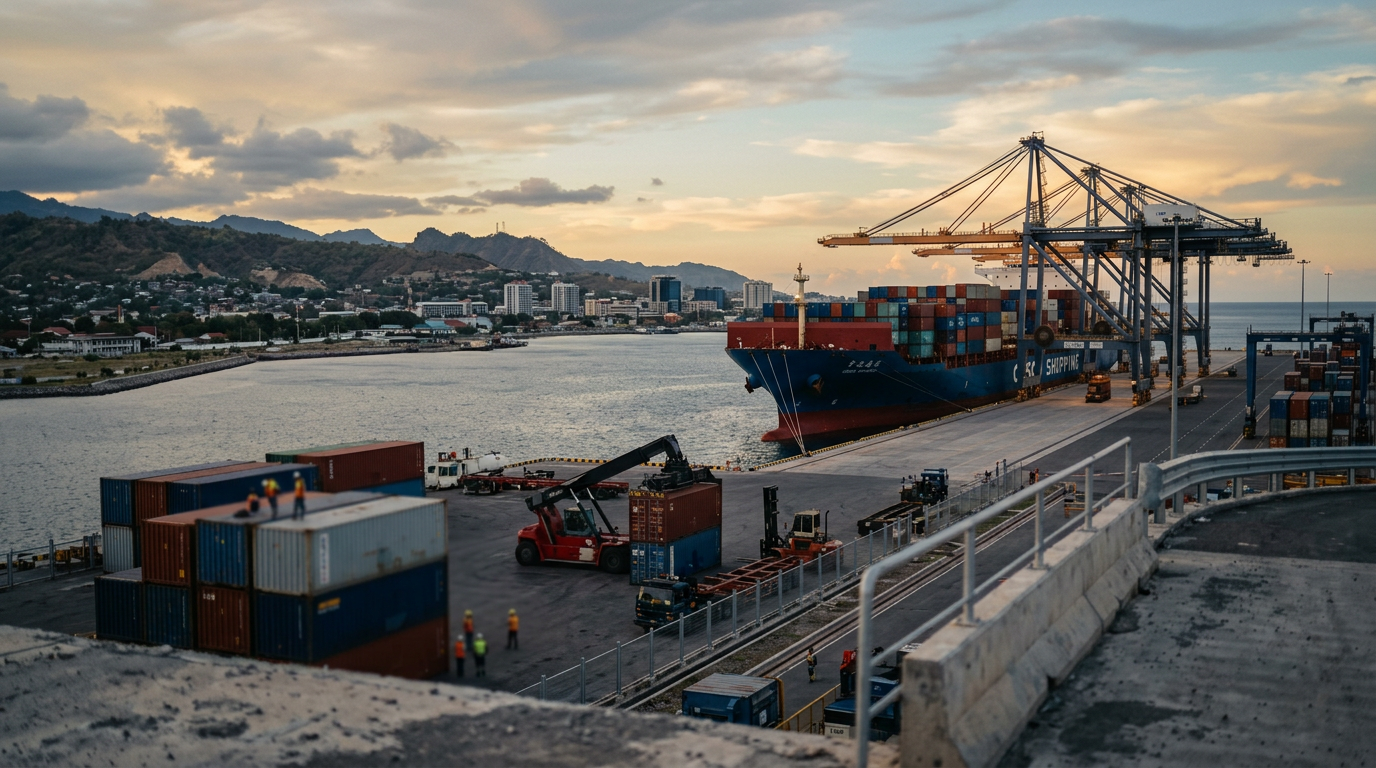
The need for new roads, ports, and digital infrastructure in Timor-Leste is clear. Chinese state-backed firms and development banks are often the most readily available sources of capital and technical capacity for such projects. Other ASEAN members have walked this path, with mixed results. The benefits of improved infrastructure are tangible, but the terms of financing and the strategic influence that accompanies it require careful management. The core task for Dili, as it is for other ASEAN capitals, is one of astute execution. This involves negotiating contracts that are transparent and financially sustainable, diversifying sources of investment where possible, and building the domestic talent to manage these large-scale projects. The goal is to use external capital to build national resilience, not to trade short-term development gains for a long-term loss of policy optionality. Successfully navigating this will be a measure of Timor-Leste's capacity to operate as a sovereign actor within the ASEAN framework.
What to watch is how Timor-Leste progresses on the formal ASEAN accession roadmap, particularly in building its institutional capacity to meet APSC standards. Observers should also monitor the development of its foreign economic policy, looking for its approach to diversifying investment partners and managing the terms of engagement for large infrastructure projects. The choices it makes will provide a fresh case study on how aspiring members balance the opportunities of integration with the enduring strategic challenges of the region.