Indonesia
Indonesia's Export Overhaul: A New Strategy for an Era of Chinese Trade Dominance
Indonesia's new one-stop export policy is a test case in how an ASEAN state can attempt to manage its deep economic dependency on China, a structural feature of the region's economy.
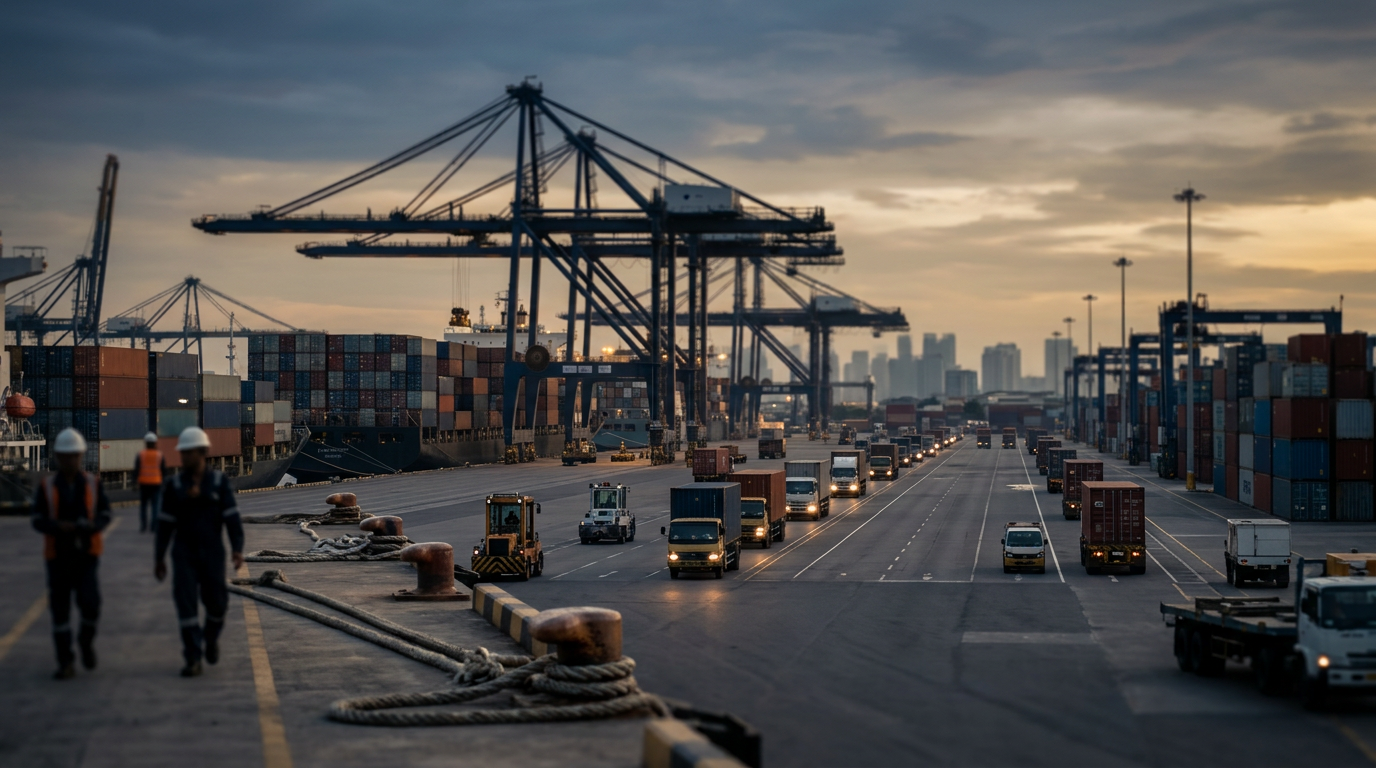
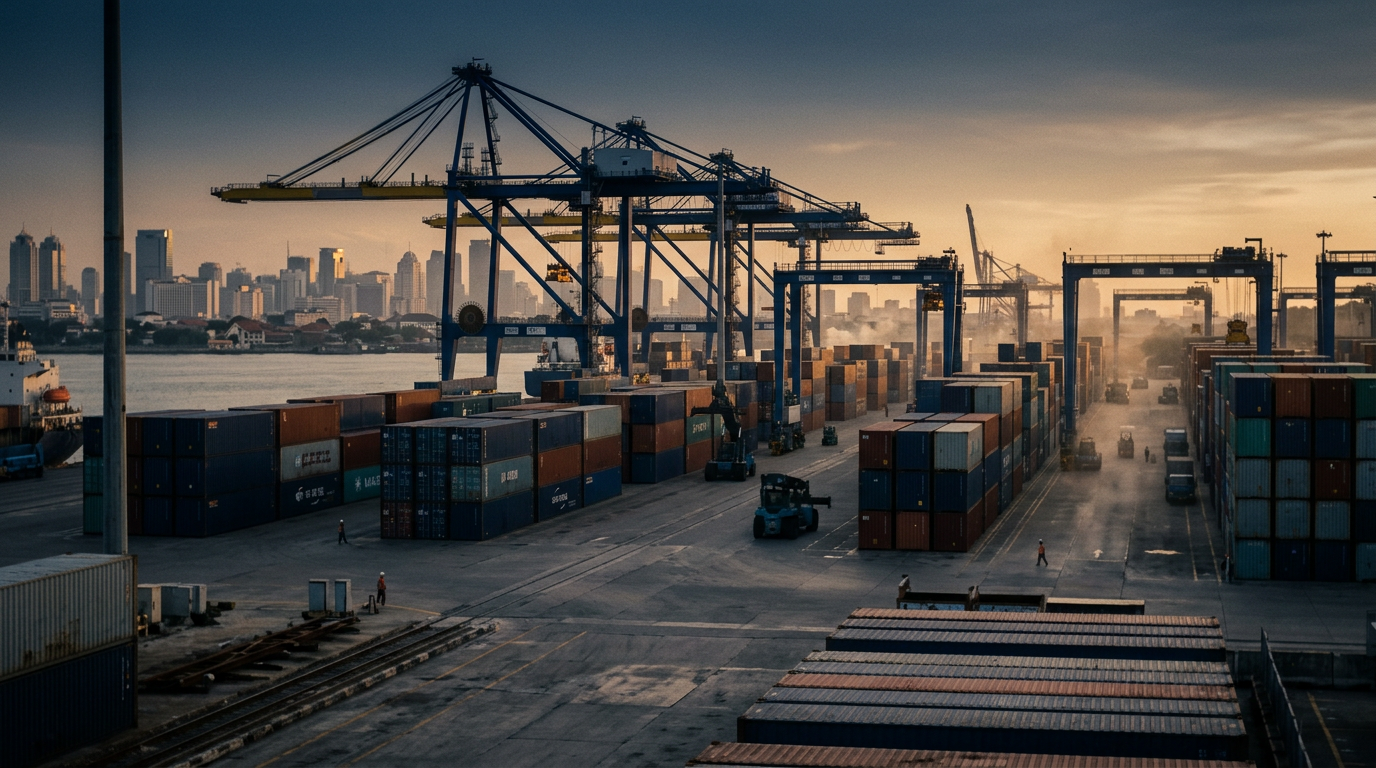
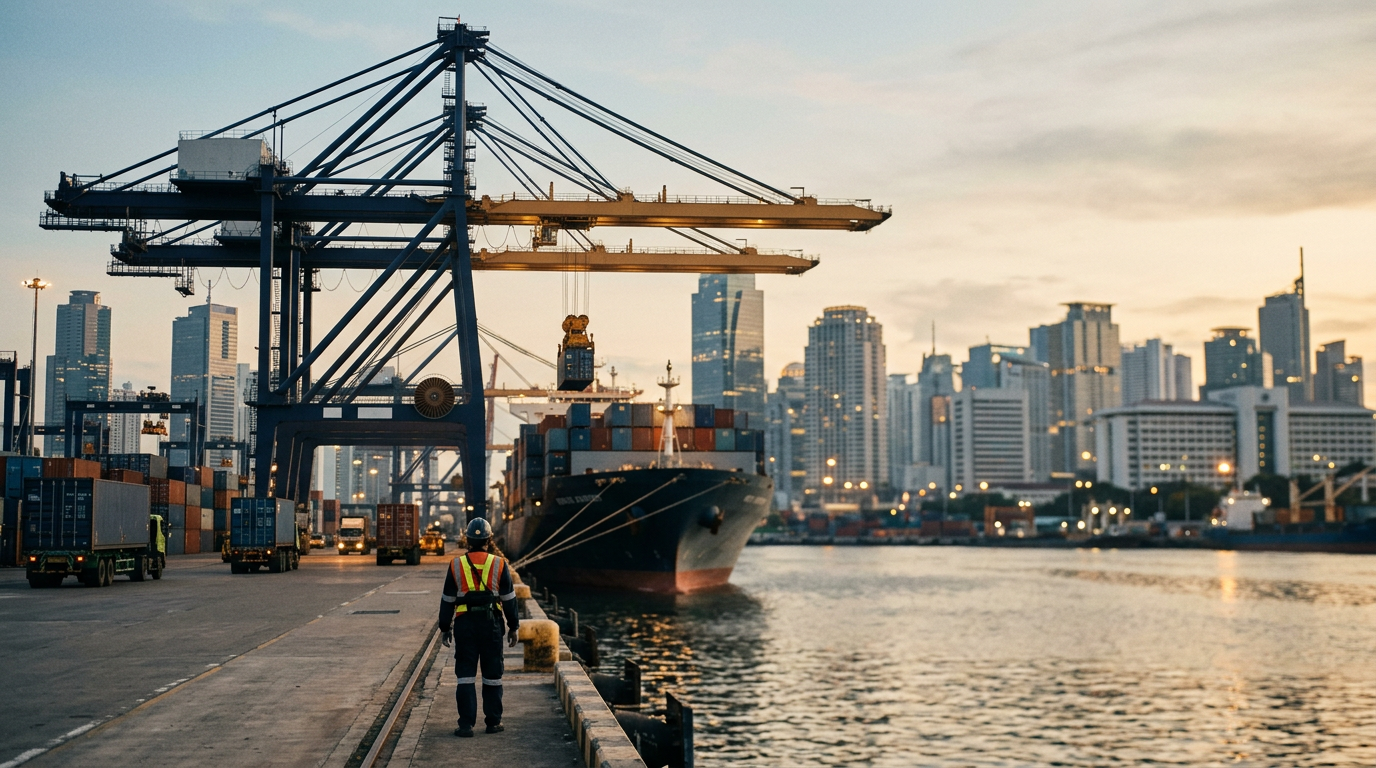
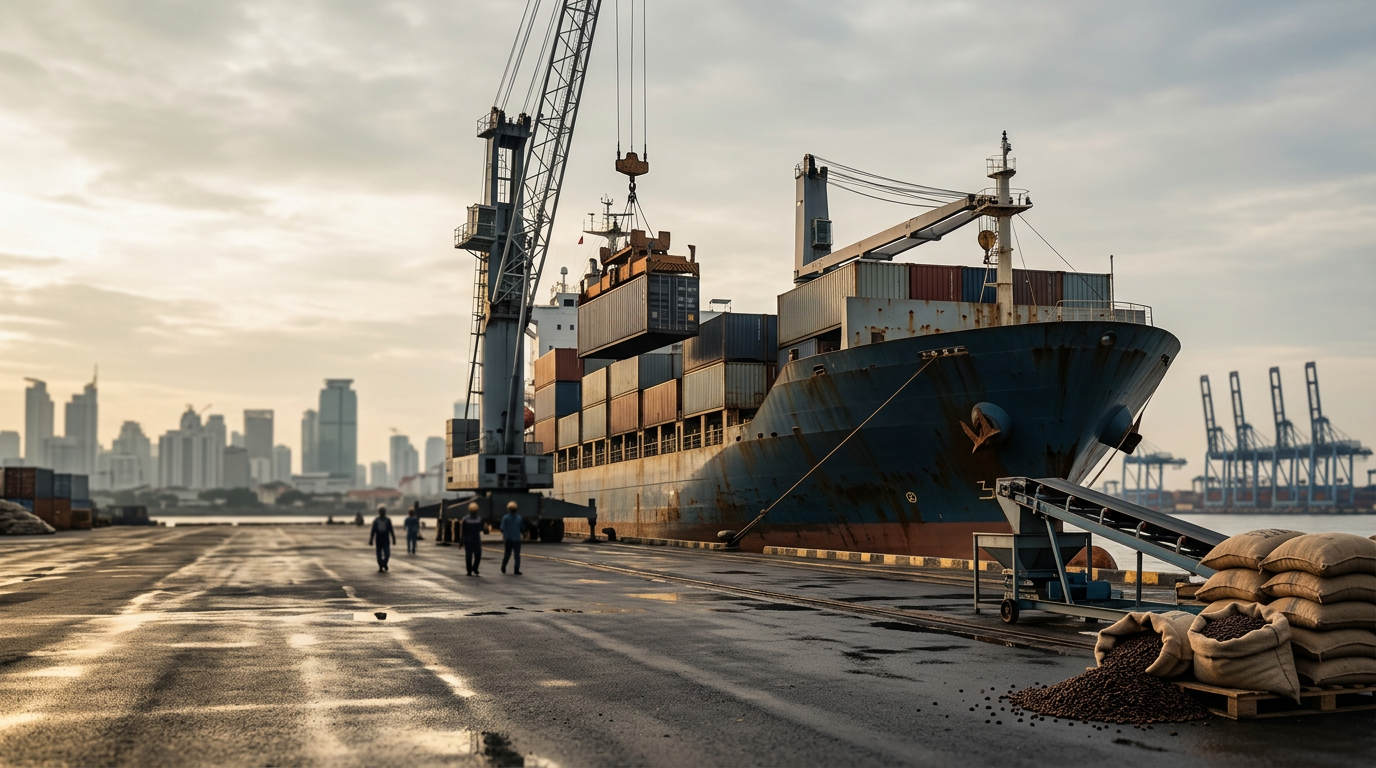
Indonesia is implementing a one-stop export policy aimed at boosting the bargaining position of its commodities in the global market, according to a report from the national news agency Antara. The move by the Indonesian government to consolidate and streamline its export procedures is more than a simple administrative reform. It represents a clear strategy to increase state control and influence over the terms of trade for its vast natural resources. This policy serves as a tangible example of a single ASEAN member state grappling with a challenge that confronts the entire bloc: how to navigate an economic environment increasingly shaped by the immense scale of China.
Institutions and Execution
The stated goal of the new policy is to enhance the bargaining power of Indonesian commodities. In practice, this requires a significant overhaul of domestic institutions. A "one-stop" system implies the integration of multiple government ministries and agencies that oversee trade, financing, logistics, and quality control. Creating a seamless digital and bureaucratic process from the point of production to the port of exit is a test of state capacity and a direct challenge to embedded interests.
The success of this initiative will depend almost entirely on execution. It requires not just the creation of new regulations but the consistent and transparent implementation of them. For Indonesia, this means building a robust institutional framework that can effectively manage export licensing, monitor pricing, and ensure that the value generated from its commodity wealth is maximized for the national economy. This is a matter of building trust with both domestic producers and international buyers, demonstrating that the new system is efficient and predictable, not simply another layer of bureaucracy.
Managing Dependency
The Indonesian policy should be viewed within the broader context of ASEAN's economic relationship with China. As the book ASEAN Rising notes, deep trade integration with China is a permanent, structural feature of the region's economy. The central issue for governments is no longer about the merits of engaging with China, but about how to handle the resulting reliance. The book argues that for ASEAN governments, "the question for ASEAN governments is no longer whether to engage, but how to manage dependency without losing optionality."
Jakarta's export policy is a direct attempt to address this exact dynamic. It is not an effort to reduce trade, but an effort to alter the terms of that trade. By consolidating control over its commodity exports, Indonesia seeks to prevent price manipulation and to negotiate from a position of strength with large-scale buyers. This is a strategy to manage dependency actively rather than passively. If successful, it allows the state to secure better terms and retain more capital within its own economy, which can then be directed toward national development goals. It is a calculated move to maintain strategic and economic options in an unbalanced relationship.
A Model for the Region?
Indonesia is a laboratory for a policy that its ASEAN neighbors, particularly commodity exporters, will be observing with great interest. Nations like Malaysia, a major producer of palm oil, and Vietnam, with its significant agricultural and manufacturing export sectors, face similar dynamics with their largest trading partners. They are all navigating the same fundamental tension between accessing the vast Chinese market and avoiding an over-reliance that could limit their economic and political maneuverability.
If Indonesia's institutional reform succeeds in delivering better export prices and a more streamlined process, it could offer a template for other member states. However, if the policy falters due to poor execution, bureaucratic infighting, or unintended consequences like capital flight or trade friction, it will serve as a cautionary tale. The policy's outcome will provide valuable data on the effectiveness of using state-led institutional reforms to rebalance trade relationships.
What to watch
The immediate indicators to watch will be related to policy execution within Indonesia. Observers should monitor whether the government can successfully merge the functions of disparate ministries into a single, functioning export system. The reactions of major commodity buyers and the subsequent trends in export volumes and prices for key Indonesian products like nickel, palm oil, and coal will determine the policy's real-world impact. Ultimately, the data will show whether this institutional reform strengthens Indonesia's hand or pushes its trading partners to seek alternatives.