Indonesia
Indonesia's Commodity Strategy: A Test of ASEAN's Balancing Act
Indonesia, a top exporter of palm oil, coal, and nickel, is tightening export controls by centralizing trade through a state-run agency. This move reflects a broader ASEAN trend of managing economic dependency while seeking strategic autonomy, a core theme analyzed in "ASEAN Risi
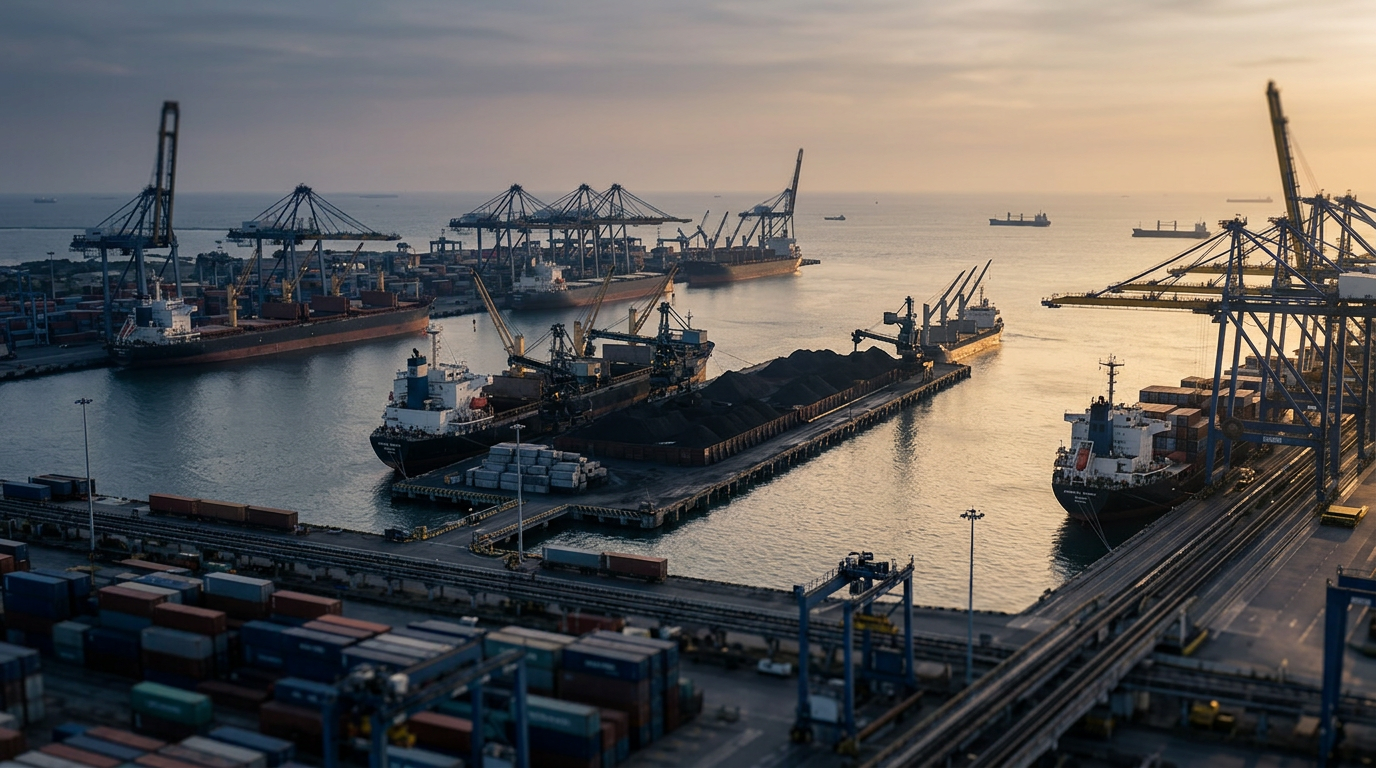
Indonesia, a global powerhouse in commodities, is set to tighten its export controls by centralizing trade through a new state-run agency, according to a report from the Financial Times.
A Shift in Commodity Strategy
Indonesia's plan to centralize export controls for key commodities represents a significant assertion of state authority over its most vital economic sectors. As the world's leading exporter of palm oil, thermal coal, and now a dominant force in nickel, Jakarta's move to channel these trades through a designated state agency is a deliberate effort to consolidate its market power. The government's intention is to gain greater control over pricing and ensure that the country captures more value from its natural resource wealth. This is not merely a tweak to trade policy but a fundamental restructuring of how Indonesia engages with global markets, shifting from a passive supplier to a more strategic player shaping its terms of trade.
The Managed Dependency Dilemma
This policy initiative in Indonesia can be seen as a direct response to a dilemma facing many economies in Southeast Asia. The deep, structural trade relationship with China is a permanent feature of the region's economic landscape. As the book ASEAN Rising notes, the primary question for governments is how to "manage dependency without losing optionality." Indonesia's centralization of commodity exports is a clear attempt to build sovereign capacity and exercise that optionality. By controlling the flow of its most sought-after resources, Jakarta aims to create a buffer against external pressures and enhance its negotiating position with major trading partners, including China, which is a massive consumer of Indonesian commodities. This strategy reflects a broader trend across ASEAN , where nations are exploring institutional mechanisms to navigate their economic interdependence with global powers without becoming passive recipients of externally set terms.
Execution is Everything
The success of Indonesia's new export framework will hinge entirely on execution. Establishing a new state-run agency is an institutional solution, but its effectiveness is not guaranteed. The agency must be capable, transparent, and efficient to avoid becoming a bottleneck that stifles the very trade it is meant to enhance. There is a risk that such centralization could introduce corruption, add bureaucratic layers, and ultimately make Indonesian exports less competitive if not managed with precision. The institutional design must prioritize market-oriented principles even as it serves a state-directed strategy. The capacity of the Indonesian government to build and manage a trusted, world-class trading entity will determine whether this policy strengthens its economic sovereignty or creates a self-inflicted obstacle to growth. The trust of global markets, partners, and domestic producers will have to be earned through performance.
What to watch
The immediate focus will be on the implementation details of the new state agency and the reaction from global commodity markets. Observers should watch how major buyers, particularly in China, respond to this consolidation of pricing power. Furthermore, it will be instructive to see if other resource-rich ASEAN nations consider similar institutional reforms to manage their own trade relationships. The ultimate barometer of success will be whether Indonesia can achieve its goals of greater value capture and strategic autonomy without disrupting its economic engine.