Indonesia
Indonesia, China, and the Commodity Supercycle: The Limits of 'One-Gate' Policy
Indonesia's plan to channel all strategic commodity exports through a single state-backed platform is an attempt to manage its deep trade relationship with China. This move highlights a core ASEAN dilemma: how to assert national interest in a market defined by Chinese demand.
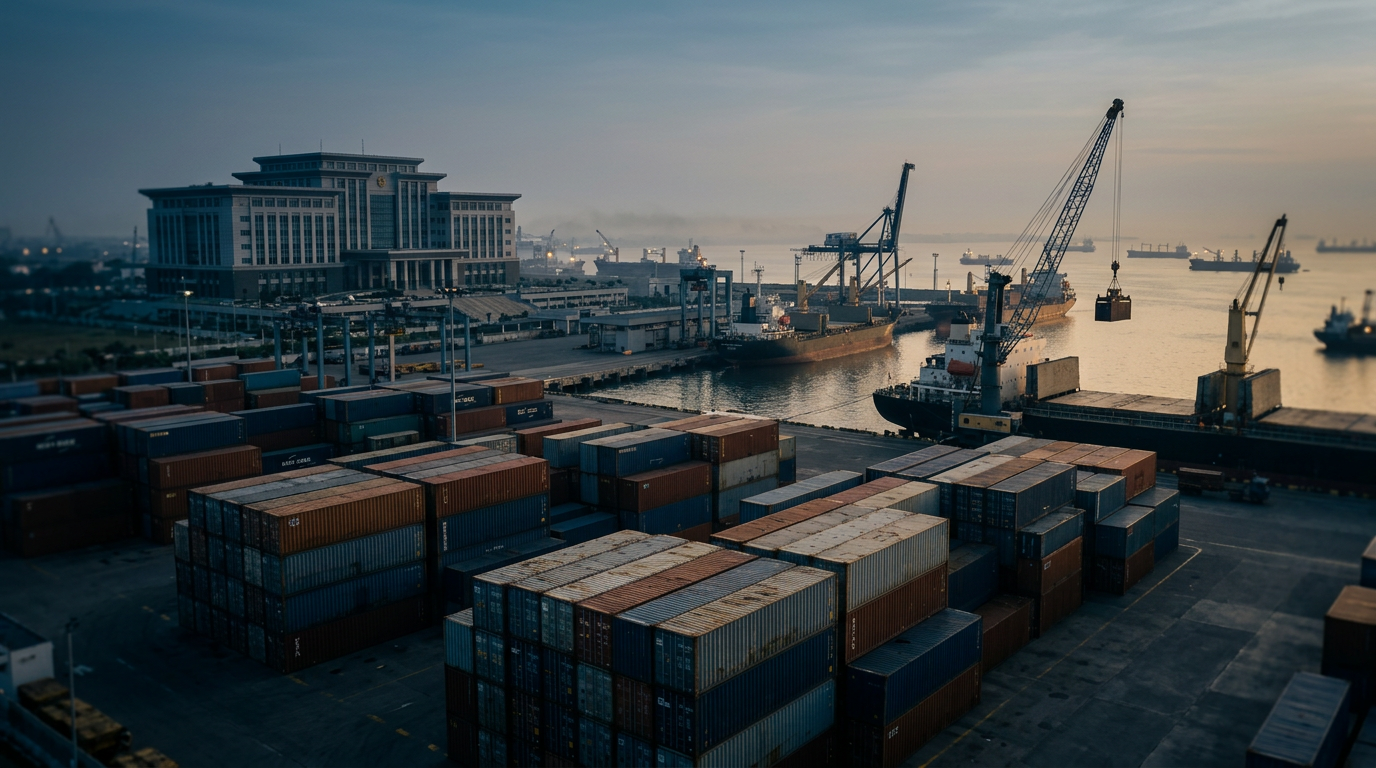
An August 14 report from the Jakarta Globe, "Indonesia's One-Gate Export to Cover All Strategic Commodities," outlines a plan to channel all of the country's strategic commodity exports through a single platform managed by Danantara Sumberdaya Indonesia (DSI). While presented as a move toward efficiency and transparency, the policy is better understood as an attempt to manage the country's deep, and increasingly dependent, trade relationship with China.
The Gravity of Chinese Demand
Indonesia, like many of its neighbors, is navigating a global economy where China is the most significant buyer for its most important products. From nickel and coal to palm oil, Chinese demand dictates prices and volumes. This gives Beijing immense structural leverage. As the book "ASEAN Rising" notes, for Southeast Asian governments, the primary question has evolved from whether to engage with China to how to manage the resulting dependency while preserving strategic options.
Jakarta's "one-gate" system is a clear assertion of state control over the terms of this engagement. By consolidating export flows, the government aims to improve its visibility into trade data, standardize quality, and, most importantly, strengthen its bargaining position. The stated goal is to capture more value from its natural resources, a long-standing ambition of Indonesian economic nationalism. The implicit goal is to create a buffer against the sheer scale of Chinese market power, preventing individual producers from being played off against one another and ensuring that the state remains the ultimate arbiter of who sells what, and at what price.
Execution and Institutional Capacity
The success of this policy will depend almost entirely on institutional capacity and execution. A single state-controlled export gateway for all strategic commodities is a monumental undertaking. It requires a sophisticated digital platform, robust regulatory oversight, and the ability to coordinate complex logistics across the archipelago. The designated operator, DSI, will need to build and maintain a system that is not only efficient but also resistant to corruption and political interference, significant historical challenges in Indonesia's resource sectors.
Furthermore, the policy risks introducing new bottlenecks. Private-sector exporters, who have spent years building their own supply chains and customer relationships in China and elsewhere, may view the mandate as an unnecessary layer of bureaucracy. If the DSI platform is inefficient, costly, or perceived as unfair, it could stifle the very commerce it is meant to regulate. The government's ability to execute this vision without hampering export competitiveness will be a direct test of its institutional strength.
Capital and Trust
Ultimately, the one-gate system is a strategy to rebalance a dependency that is now structural. Indonesia is not attempting to decouple from China; it is attempting to manage the terms of its reliance. "Trade depth with China is now a structural feature, not a cyclical one," and this policy is a direct response to that reality. It is a bet that by consolidating its national supply, Indonesia can command better terms from its largest customer.
This requires building trust, not only with domestic producers but also with international buyers. For China, a single, state-sanctioned counterparty might offer predictability. However, it also concentrates risk and creates a single point of failure. Beijing will likely watch this development closely, assessing whether the new system facilitates trade or becomes a tool for overt economic statecraft. The flow of investment capital into Indonesia's downstream processing industries, a key priority for Jakarta, will signal whether China and other international partners view this as a credible institutional reform or a new form of resource nationalism.
What to watch
Watch the implementation timeline and the phased inclusion of commodities beyond the initial focus. The reaction from Indonesia's powerful mining and plantation conglomerates will be a key indicator of domestic political feasibility. Also, monitor any responsive moves from Chinese buyers and statements from China's Ministry of Commerce, which will signal how Beijing perceives this shift in trade architecture and whether it views it as a cooperative or confrontational move.