Thailand
's 2026 IMF Showcase and the China Question
Thailand's plan to use the 2026 IMF-World Bank meetings to showcase its economy highlights a deeper strategic choice for all ASEAN nations: how to manage deep trade ties with China while preserving economic and strategic options.
The Thai government has announced plans to use the upcoming 2026 IMF-World Bank Group Annual Meetings in Bangkok as a platform to showcase its products and tourism, according to a report from the Bangkok Post. The event offers a global audience, but it also casts a light on the structural choices facing Thailand and its neighbors as they navigate a complex global economy dominated by entrenched powers, particularly China.
The Inescapable Trade Partner
For Thailand, as for most of ASEAN, deep trade integration with China is a fundamental economic reality. This is not a recent development but the result of decades of deliberate policy and market dynamics. The numbers are stark: China has been ASEAN's largest trading partner for over a decade. This relationship has fueled growth across the region, enabling the development of sophisticated supply chains and providing access to a vast market.
The challenge for ASEAN governments, as detailed in ASEAN Rising, is that this "trade depth with China is now a structural feature, not a cyclical one." The core issue is no longer about choosing whether to engage with China, but about how to structure that engagement. The goal is to leverage the economic benefits without becoming overly dependent, a task that requires careful management of national policy, from trade and investment rules to infrastructure development.
Managing Dependency
Thailand's showcase at the IMF meetings is an exercise in economic statecraft. By promoting its own industries and tourism sector, it seeks to attract a diverse range of international partners and investors. This strategy is a practical application of the principle of maintaining options. Diversifying sources of foreign direct investment, technology transfer, and export markets is a primary tool for mitigating the risks of dependency on any single partner.
This balancing act involves institutions and execution. For Thailand, it means strengthening its own regulatory frameworks to ensure that foreign investments align with national development goals. It requires building the institutional capacity to negotiate favorable terms, protect local industries where necessary, and enforce contracts consistently. At the same time, attracting capital requires a predictable and transparent environment, a constant focus for the Thai government and its economic agencies.
Infrastructure and Strategic Alignment
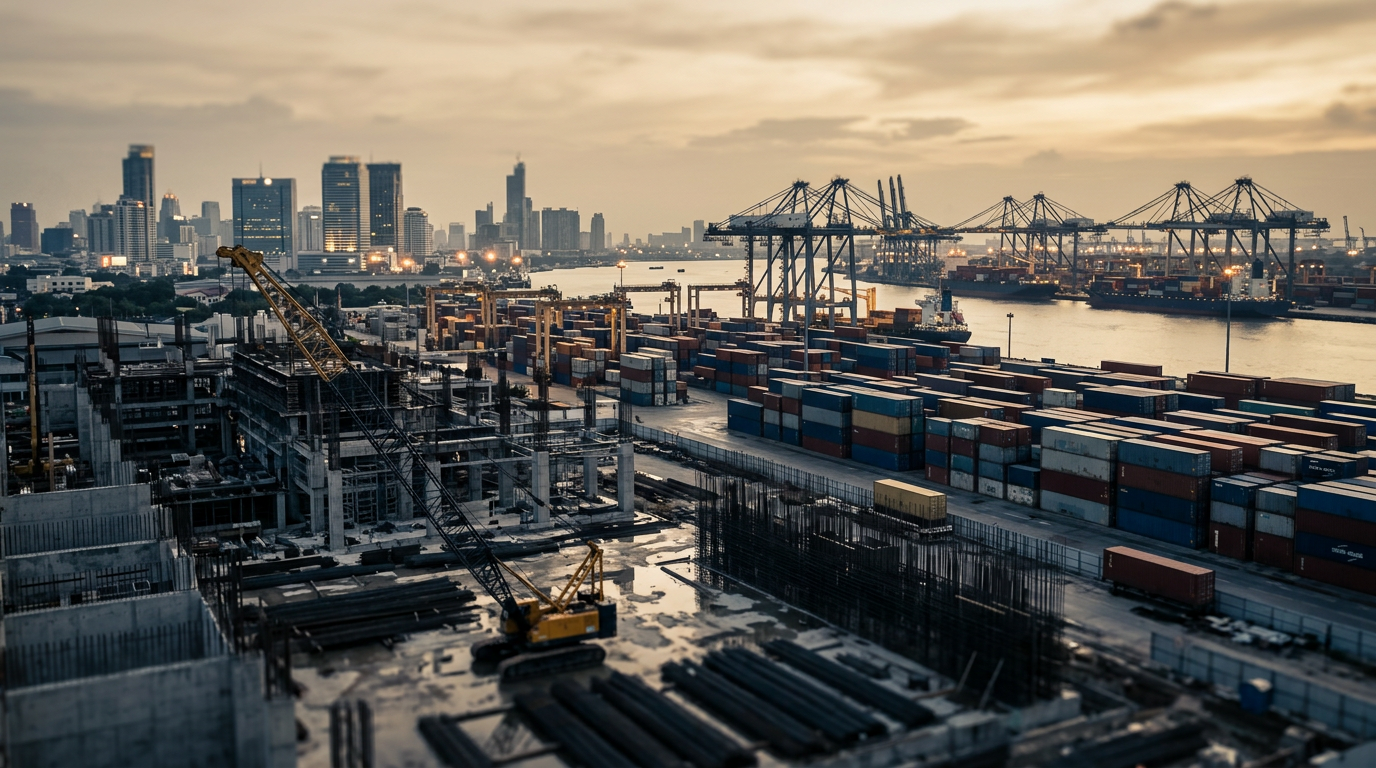
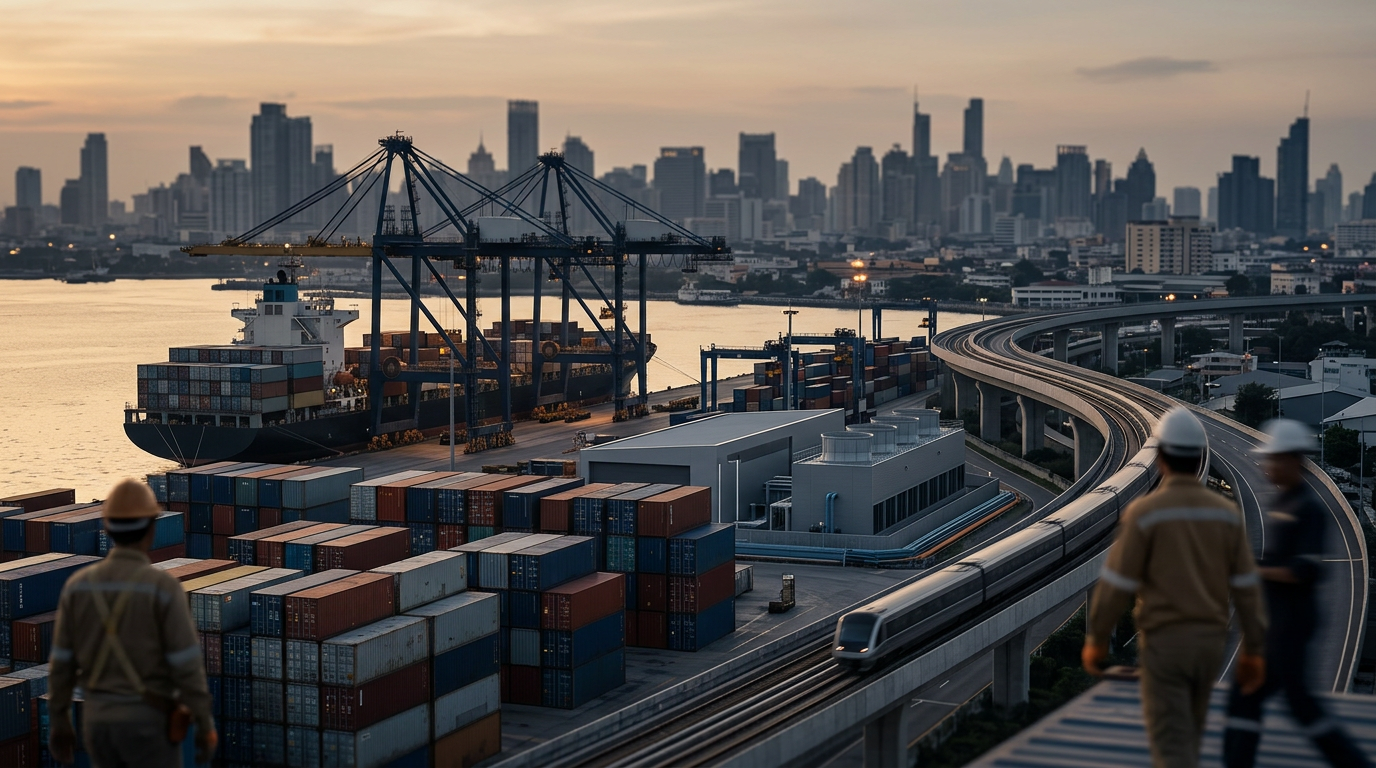
Infrastructure is a key area where these strategic considerations play out. Major projects, whether ports, railways, or digital networks, are long-term commitments that shape trade flows and economic allegiances for decades. For Thailand and its ASEAN peers, the choice of partners for these projects is critical. Aligning with multiple partners can help avoid being locked into a single ecosystem and maintain the flexibility to adapt to changing geopolitical and economic currents.
The emphasis on promoting tourism alongside products at the IMF meetings is also telling. Tourism is a significant source of foreign exchange and employment, and it is less subject to the kinds of supply chain dependencies that characterize manufacturing. By strengthening its tourism sector, Thailand diversifies its economic base and builds resilience. This requires investment in both physical infrastructure-airports and local transport-and human capital to ensure a high-quality service experience.
What to watch: Observe the composition of new investment pledges and trade agreements that Thailand secures following the IMF event. The geographic diversity-or lack thereof-of these new partnerships will be a telling indicator of the government's success in managing its dependency on China while building a more diversified and resilient economic future. Pay attention to the specific sectors targeted for promotion and how they align with the country's long-term industrial and talent development strategies.