Malaysia
ASEAN's US Trade Dialogue Is Also About China
The recent ASEAN-USTR dialogue sharpens focus on the region's core challenge: managing economic dependency on China while maintaining strategic options with other partners, a central theme of "ASEAN Rising".
Officials from ASEAN and the office of the United States Trade Representative (USTR) met in Manila on September 20, as noted in a joint media statement on the ASEAN Secretariat website. The consultation, a regular feature of the diplomatic calendar, is part of a standing effort to implement the 2006 ASEAN-U.S. Trade and Investment Framework Arrangement (TIFA). While the dialogue focuses on the direct economic relationship between the two parties, it also highlights ASEAN's broader strategy of maintaining a portfolio of international partnerships in an era defined by deep economic ties with China.
The Gravity of Trade
The discussion with the USTR is a useful reminder that diversification is a core component of economic strategy for the bloc and its member states. The United States remains a substantial economic partner for ASEAN, but the region's trade patterns have tilted decisively toward China over the past two decades. This is not a temporary or cyclical phenomenon. As the book "ASEAN Rising" notes, this "trade depth with China is now a structural feature, not a cyclical one" for the region's economies.
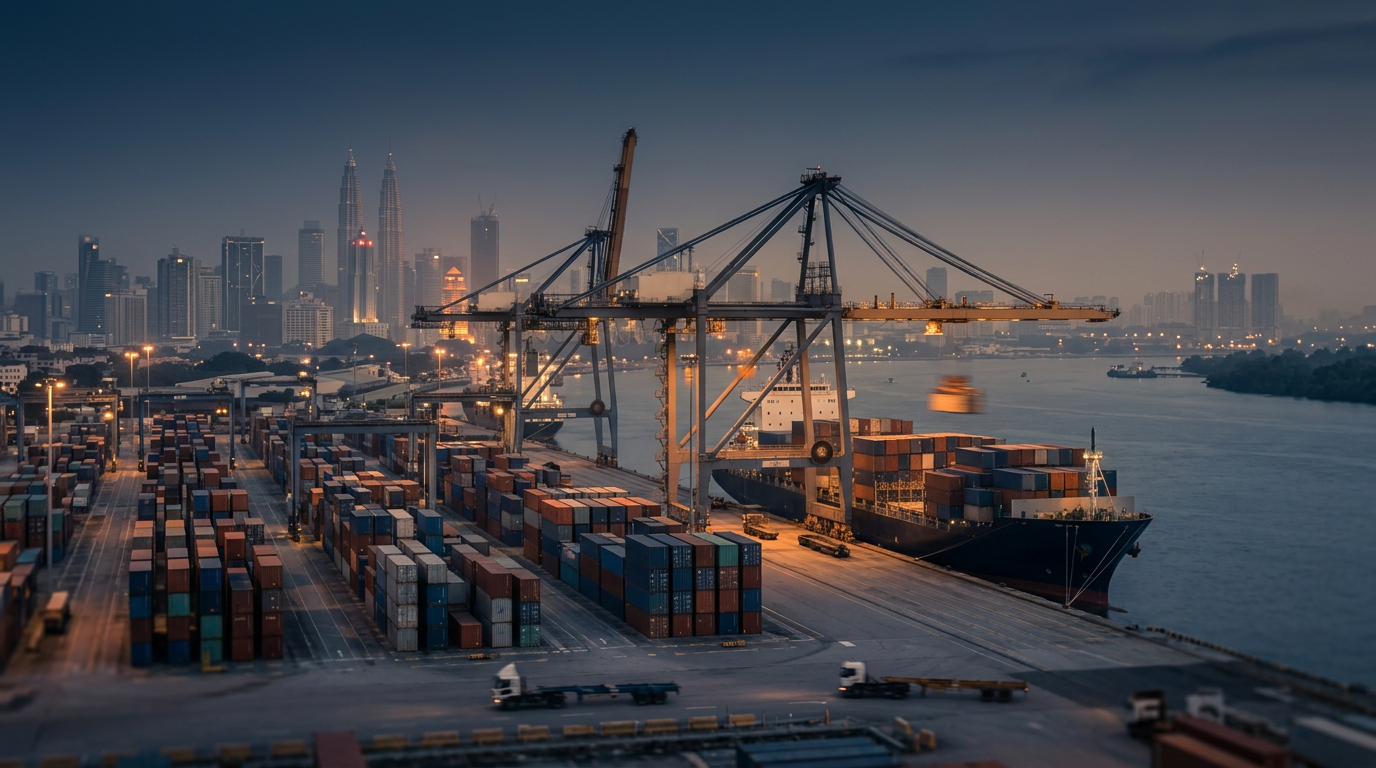
This structure has implications for investment, infrastructure, and supply chain configuration. Chinese capital is a significant factor in the development of ports, railways, and industrial estates across Southeast Asia. While this accelerates development and enhances connectivity, it also orients the region's physical and digital infrastructure toward standards and systems influenced by China. The USTR dialogue, and similar consultations with partners like the European Union and Japan, represent an effort to ensure that this process does not lead to a monolithic dependency. It is a quiet assertion of a multi-polar approach to economic statecraft, where market access and investment from a range of partners are cultivated to ensure a balance of influence.
Managing Dependency
The central task for ASEAN governments is managing this structural reality. The goal is not to decouple from China, which would be both unrealistic and economically damaging. Instead, the focus is on building institutional and technical capacity to engage with all partners from a position of strength and coherence. This includes initiatives discussed in the AEM-USTR meeting, such as cooperation on the digital economy, promoting sustainable and inclusive economic growth, and enhancing supply chain resilience.
These areas of cooperation with the United States are practical mechanisms for diversification. By aligning on digital economy standards, for example, ASEAN nations can ensure their regulatory frameworks remain interoperable with multiple global partners. By building resilient supply chains, they can reduce vulnerability to disruptions concentrated in a single geography. This is less about grand strategy and more about the patient, technical work of institution-building and regulatory alignment. It is about creating an economic environment where choices remain available and where dependency on any single partner is managed, not absolute.
What to watch
Attention should be paid to the specific working groups and technical assistance programs that emerge from the AEM-USTR dialogue. Progress in areas like digital trade standards, intellectual property rights, and labor and environmental standards will indicate how effectively ASEAN is using its partnership with the United States to build its own institutional capacity. The substance of these technical workstreams, more than any high-level communiqué, will reveal the true trajectory of ASEAN's strategy to balance its deep economic integration with China while preserving its economic and strategic autonomy.