Malaysia
Malaysia's E&E Export Boom Sharpens China Dependency Question
A strong new GDP forecast for Malaysia, driven by its electronics sector, puts a spotlight on the country's deep trade links with China and the strategic challenge of managing that dependency.
A recent forecast from Hong Leong Investment Bank (HLIB) raised Malaysia's projected 2026 GDP growth to 4.7 percent, citing a surge in the country's electrical and electronics (E&E) exports. The report, noted by Bernama, points to robust global semiconductor demand as a primary driver for this optimism. While this is welcome economic news for Malaysia, it also illuminates a structural reality for its economy and for many of its neighbors: the deep and complex trade relationship with China.
The E&E Engine and its Supply Chain
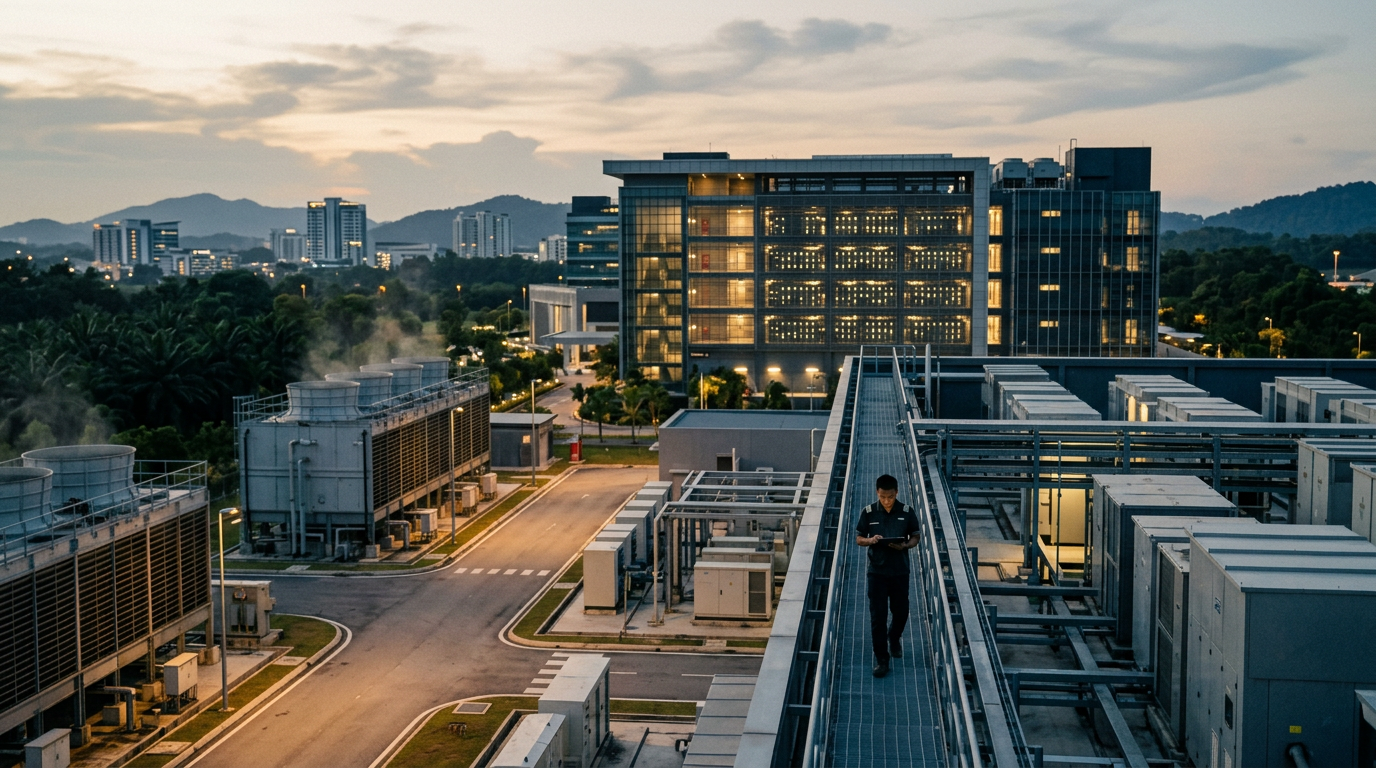
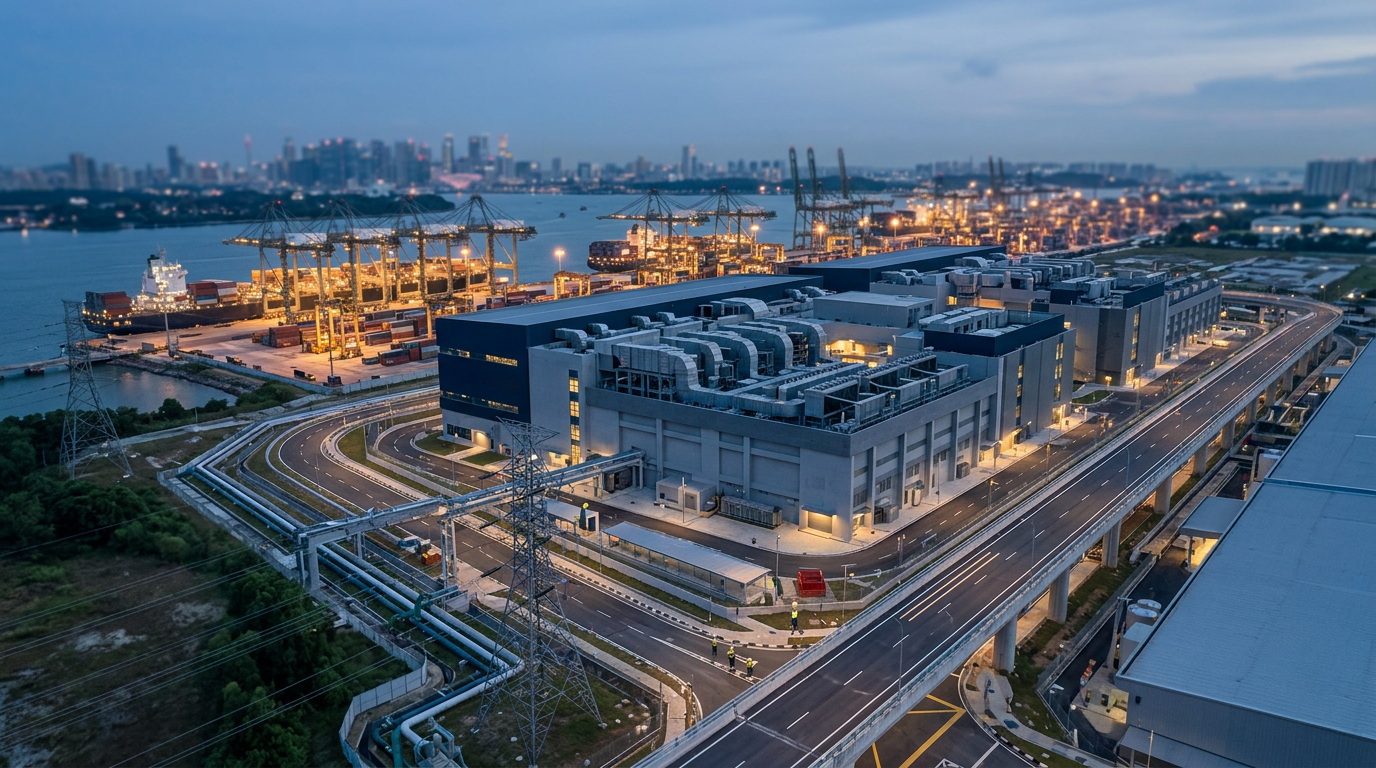
Malaysia has for decades been a cornerstone of the global semiconductor supply chain. Capital investment in the sector has been significant, building on established infrastructure in industrial zones in states like Penang and Kedah. The country has specialized in assembly, testing, and packaging, a critical mid-stream part of the electronics value chain. The upgraded GDP forecast reflects the success of this long-term industrial policy. Strong demand for everything from smartphones to automobiles translates directly into orders for Malaysian factories.
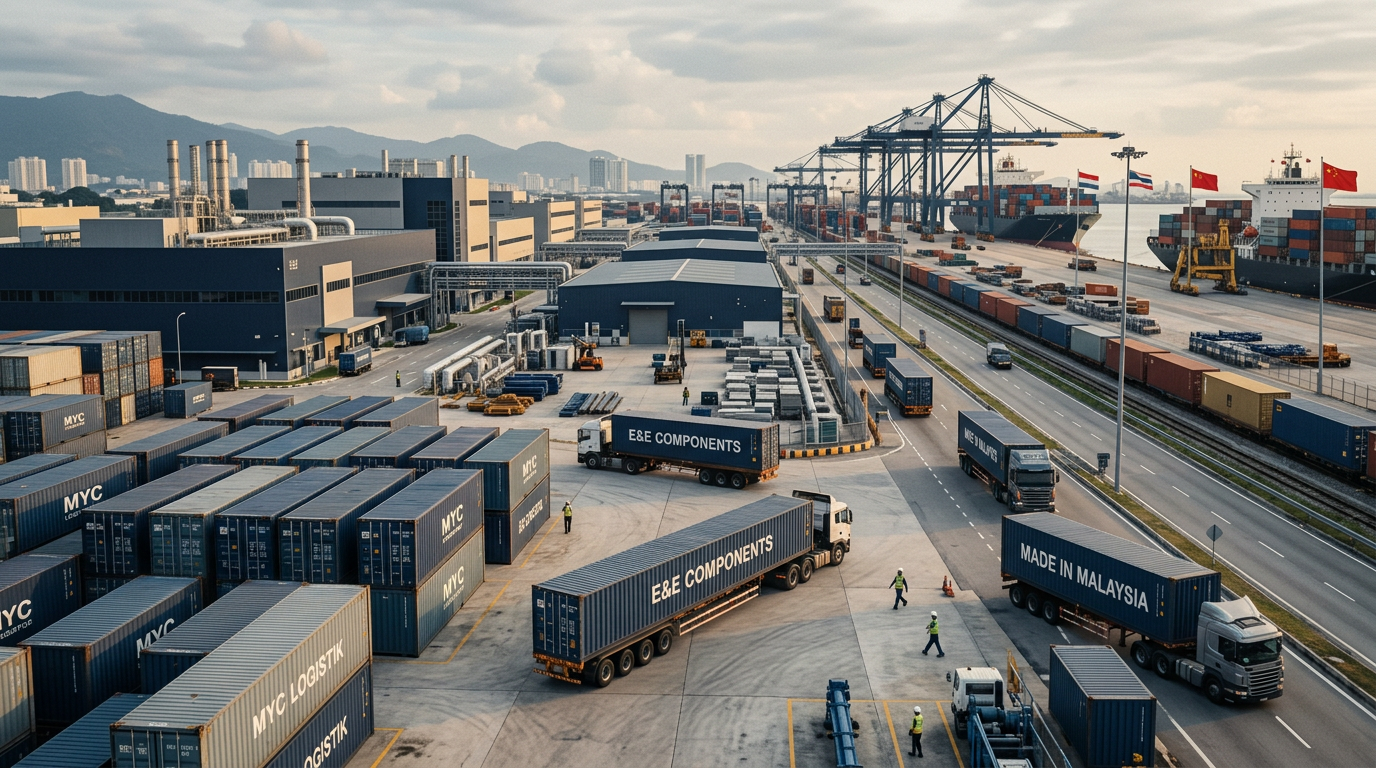
However, a substantial portion of these E&E components are integrated into supply chains that are anchored in China. Components are either exported to China for final assembly or assembled in Malaysia for Chinese brands. This integration has been a powerful engine for growth, allowing Malaysian firms to tap into the scale of China's vast manufacturing ecosystem. The current export strength is, in part, a reflection of the strength of that ecosystem. The challenge is that this close integration creates economic dependencies that require careful management.
Execution and Strategic Optionality
This dynamic is a central theme of regional economic strategy. As the book ASEAN Rising notes, the discussion is no longer about whether to engage with China, but how to structure that engagement. The deep trade relationship is a structural feature of the region's economy. The core task for governments is to maintain strategic and economic options even as this integration deepens. For Malaysia's E&E sector, this is not an abstract concept; it is a daily reality for corporate and national policymakers.
Executing a strategy to manage this dependency involves several elements. One is a focus on moving up the value chain. This requires a sustained investment in talent-developing the engineers and technicians who can move the country from assembly and testing to higher-value activities like chip design and research and development. Another element is market diversification. While the China market is indispensable, a deliberate strategy to increase E&E trade with other major markets like the United States, the European Union, and India provides a buffer against demand shocks or shifts in the geopolitical landscape. "The question for ASEAN governments is no longer whether to engage, but how to manage dependency without losing optionality."
Institutions and Trust
The frameworks that govern trade and investment are essential tools for managing this complex relationship. Multilateral agreements such as the Regional Comprehensive Economic Partnership (RCEP) can provide a common set of rules and standards, creating a more predictable environment for all parties. On a national level, institutions like the Malaysia Investment Development Authority (MIDA) play a role in attracting diversified foreign investment, including from non-traditional sources, to balance the country's portfolio of capital.
Ultimately, the resilience of these trade relationships rests on trust. For Malaysian exporters, this means trust that supply chains will remain open and that contracts will be honored. For international partners, it means trust in the stability of Malaysia's investment environment and the quality of its institutions. Building and maintaining this trust, both bilaterally with China and within the broader ASEAN framework, is fundamental to converting trade depth into sustainable prosperity without sacrificing economic autonomy.
What to watch
Moving ahead, observers should monitor the composition of Malaysia's E&E exports. A geographic diversification of export destinations would suggest that strategies to broaden market access are taking hold. Also important will be domestic policy initiatives and investment in research and development and talent development, which are prerequisites for moving up the semiconductor value chain. The manner in which Malaysia and its ASEAN partners use regional institutional frameworks to regulate and stabilize their trade relationship with China will continue to shape the economic trajectory of the entire region.