Malaysia
Malaysia's Export Slowdown and the China Question
A forecast of moderating exports in Malaysia highlights a deeper structural issue for all of ASEAN: how to manage deep economic dependency on China while preserving strategic options.
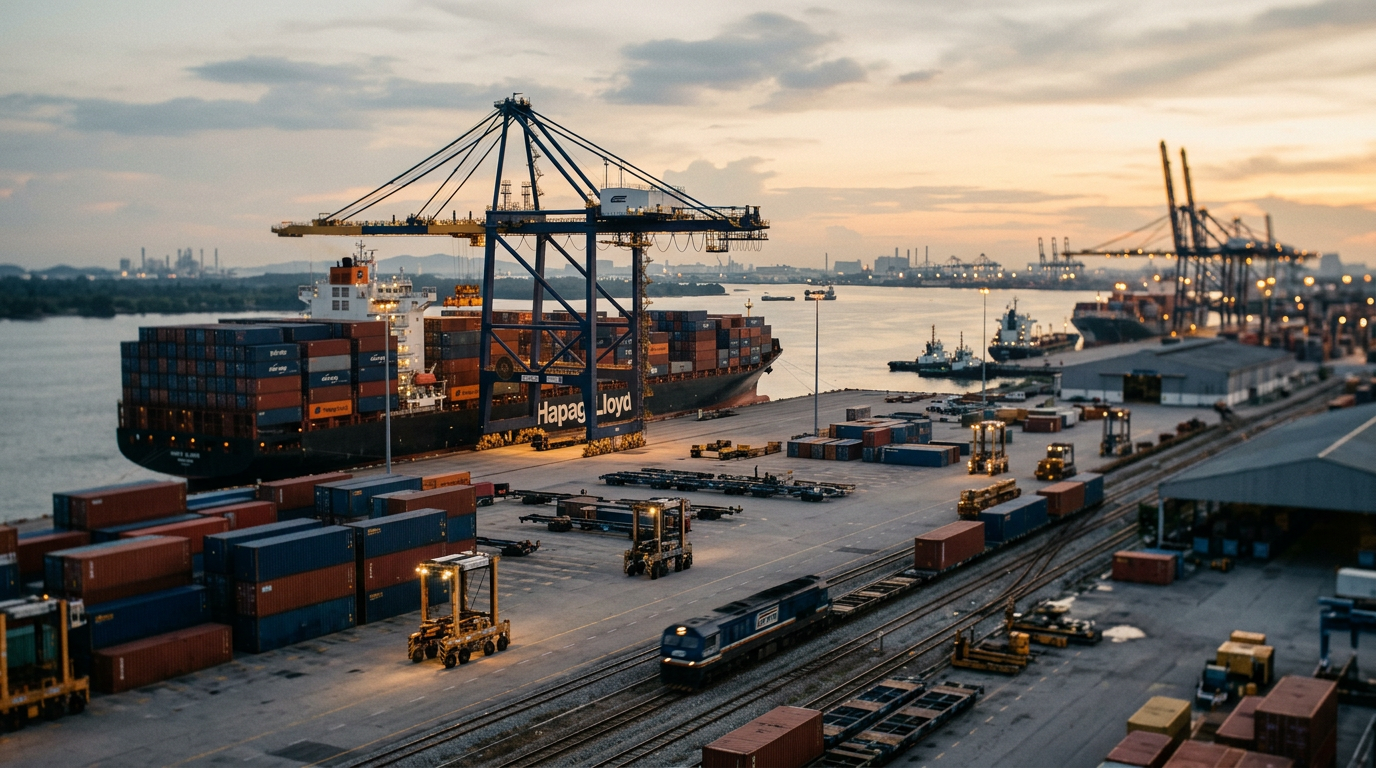
A recent report in Malaysia's Star newspaper suggests that the country's exports are set to moderate through the rest of 2026 after a robust first half. While national economic planners and businesses will process this forecast, it points to a much broader and more durable condition for Malaysia and its neighbors. The expected slowdown is not just a domestic issue but is tied to the demand cycles of its largest trading partner, China. This connection illustrates a fundamental challenge for the entire region, where deep economic integration with China is a permanent reality. The essential question for governments is how to navigate this relationship.
A Structural Economic Reality
The economic architecture of Southeast Asia has been reshaped over the past two decades. For most ASEAN members, China is now the top trading partner, a primary source of foreign investment, and a lynchpin in regional supply chains. The current moderation in Malaysian export growth, tied to shifts in the Chinese economy, is a symptom of this deep integration. As the book ASEAN Rising outlines, this trade depth is a structural feature of the regional economy, not a cyclical trend that is likely to reverse.
This structure was built on a foundation of sound logistics, decades of investment in infrastructure, and increasingly sophisticated financial networks that connect China with the factories and markets of Southeast Asia. Malaysian firms, like their counterparts in Vietnam or Thailand, are enmeshed in production networks that often have their origin or destination in China. While this integration has fueled decades of growth, it also creates vulnerabilities. A downturn in Chinese consumer demand, a shift in its industrial policy, or a disruption to its ports can send immediate shockwaves through the region. The challenge is not to undo this integration, which is both impractical and undesirable, but to manage its consequences.
The Question of Management
If deep trade with China is a given, the focus must turn to execution and strategy. The core task for governments, as the book notes, is figuring out "how to manage dependency without losing optionality." This is not about choosing between China and the West, but about building a more balanced and resilient economic model. One primary strategy is the diversification of export markets. This involves concerted efforts to increase trade with other major economies, from India to the European Union, and to boost intra-ASEAN trade, which remains below its full potential.
Another key strategy involves moving up the value chain. For a country like Malaysia, this means shifting from exporting basic commodities and low-end manufactured goods to producing high-value, specialized products that are less susceptible to price competition and substitution. This requires significant investment in talent- a skilled workforce capable of innovation- and the creation of an environment that attracts long-term, high-quality capital. Effective government institutions are needed to execute these industrial policies, ensuring that incentives are well-placed and that infrastructure development supports next-generation industries. This strategy of deliberate economic evolution is the most direct path to reducing vulnerability.
Trust and Collective Action
Managing the China relationship extends beyond the economic domain into the realm of diplomacy and trust. Economic dependency can translate into strategic leverage, a fact that is not lost on policymakers in ASEAN capitals. Building a reservoir of trust among ASEAN members is a prerequisite for any meaningful collective action. A more unified ASEAN can engage with China on a more equal footing, whether on trade rules, investment standards, or regional security issues. Multilateral frameworks like the Regional Comprehensive Economic Partnership (RCEP) provide a platform for this engagement, but the effectiveness of these institutions depends on the political will of the member states.
Preserving optionality also means ensuring a diverse inflow of capital and investment. While Chinese capital is a major contributor to infrastructure projects across the region, an over-reliance on a single source is unwise. Actively cultivating investment from Japan, South Korea, the United States, and Europe is a form of strategic hedging. For this to happen, ASEAN nations must demonstrate institutional stability and regulatory predictability-core components of a trustworthy investment climate. This approach creates a more balanced portfolio of foreign partners, reinforcing both economic resilience and strategic autonomy.
What to watch
The forecasted moderation of Malaysian exports serves as a reminder of a permanent condition. Going forward, observers should watch for concrete policy shifts designed to build resilience. This includes looking for new trade promotion initiatives targeting non-Chinese markets and tracking the share of intra-ASEAN trade in national statistics. Also important will be government budgets and programs aimed at workforce development and industrial upgrading, as these are the long-term investments needed to navigate an era defined by deep economic ties with China.