Vietnam
Vietnam's Logistics Push and the ASEAN Doctrine of Optionality
A recent summit on U.S.-Vietnam trade is more than a routine business event. It is a clear example of a region-wide strategy: managing deep economic dependency on China by building the institutional and physical infrastructure for genuine economic choice.
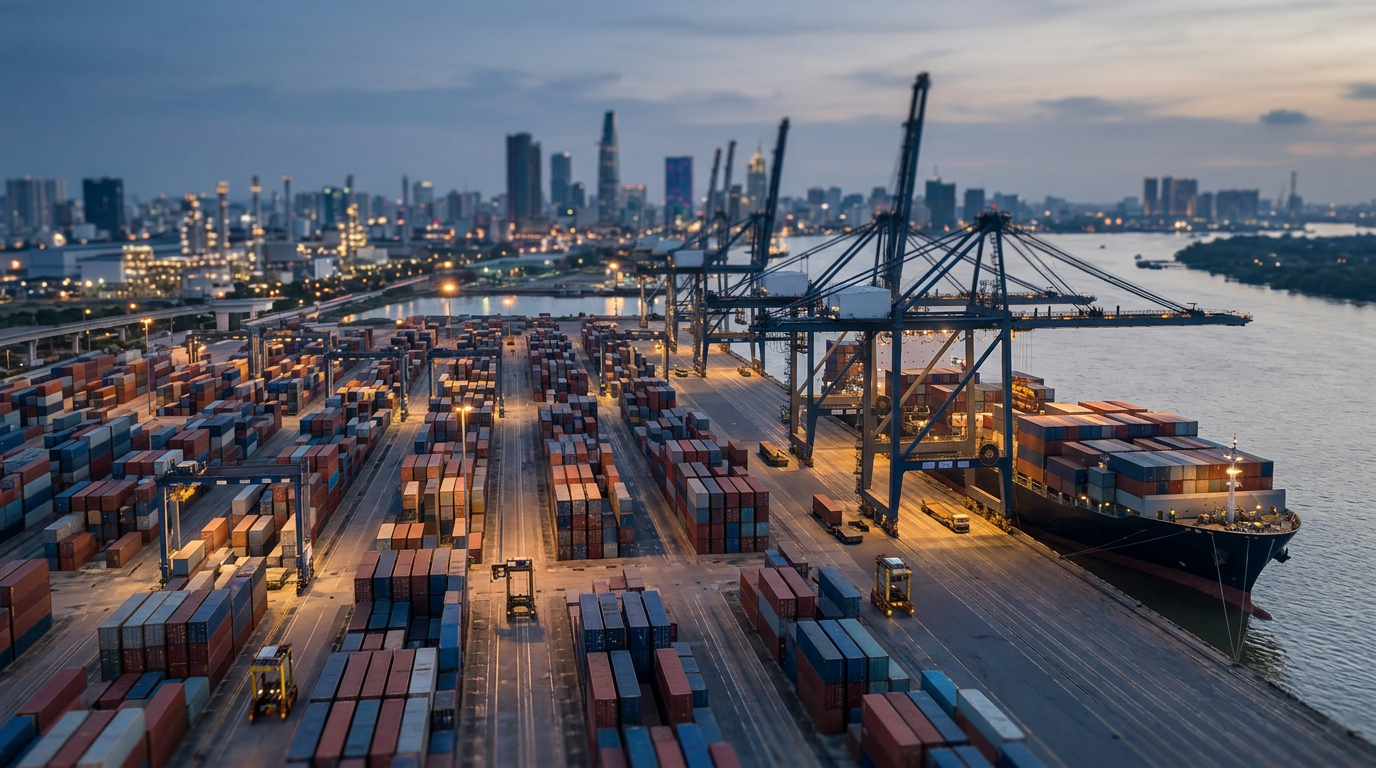
Discussions at the recent Gori Global Logistics Summit 2026 in Ho Chi Minh City centered on strengthening Vietnam's cross-border trade with the United States, as reported by VNExpress. The focus on digital adoption, logistics, and market entry strategies points to a deliberate national policy. More broadly, it is a clear illustration of a balancing act that all Association of Southeast Asian Nations (ASEAN) members are performing: how to benefit from deep economic ties with China while actively cultivating other options.
This is not a matter of turning away from China. It is about building resilience and maintaining strategic autonomy in a world of complex dependencies. The core of the issue for governments is no longer about choosing partners, but about managing relationships.
The Structural Reality of China Trade
The economic integration between ASEAN and China is profound and permanent. For decades, Chinese capital and demand have shaped the region's development, creating integrated supply chains and enabling massive infrastructure projects. As the book ASEAN Rising argues, this economic relationship is a "structural feature, not a cyclical one." It is a baseline condition that regional governments must operate within, not a temporary trend they can wait out.
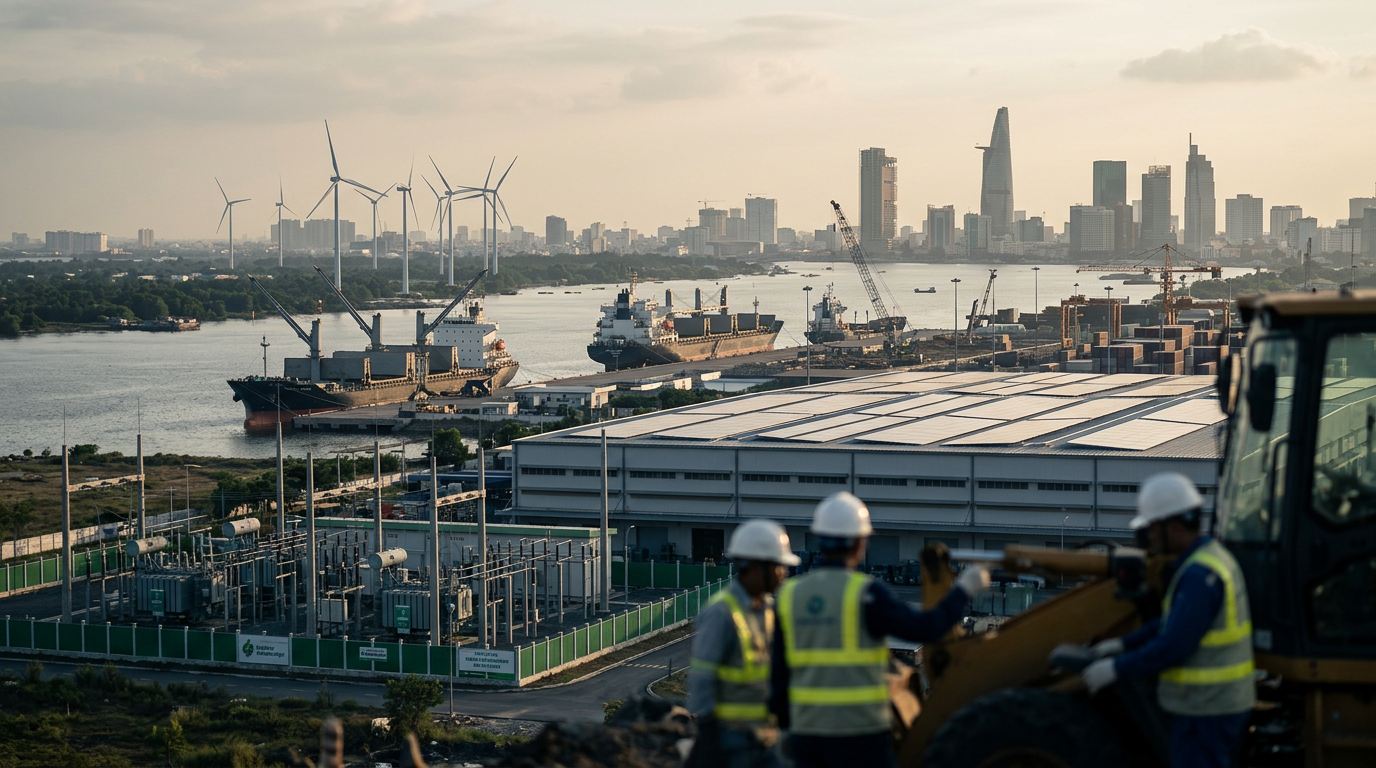
This structure is visible in the network of ports, railways, and industrial zones that connect the region to China. It is also evident in the flow of capital and components that feed ASEAN's manufacturing hubs. For nations like Vietnam, which shares a border with China, this integration is both a source of immense economic energy and a significant strategic consideration. The challenge, as articulated in the book, is how to manage this deep dependency without surrendering the freedom to make independent economic and political choices.
Vietnam's Execution of Optionality
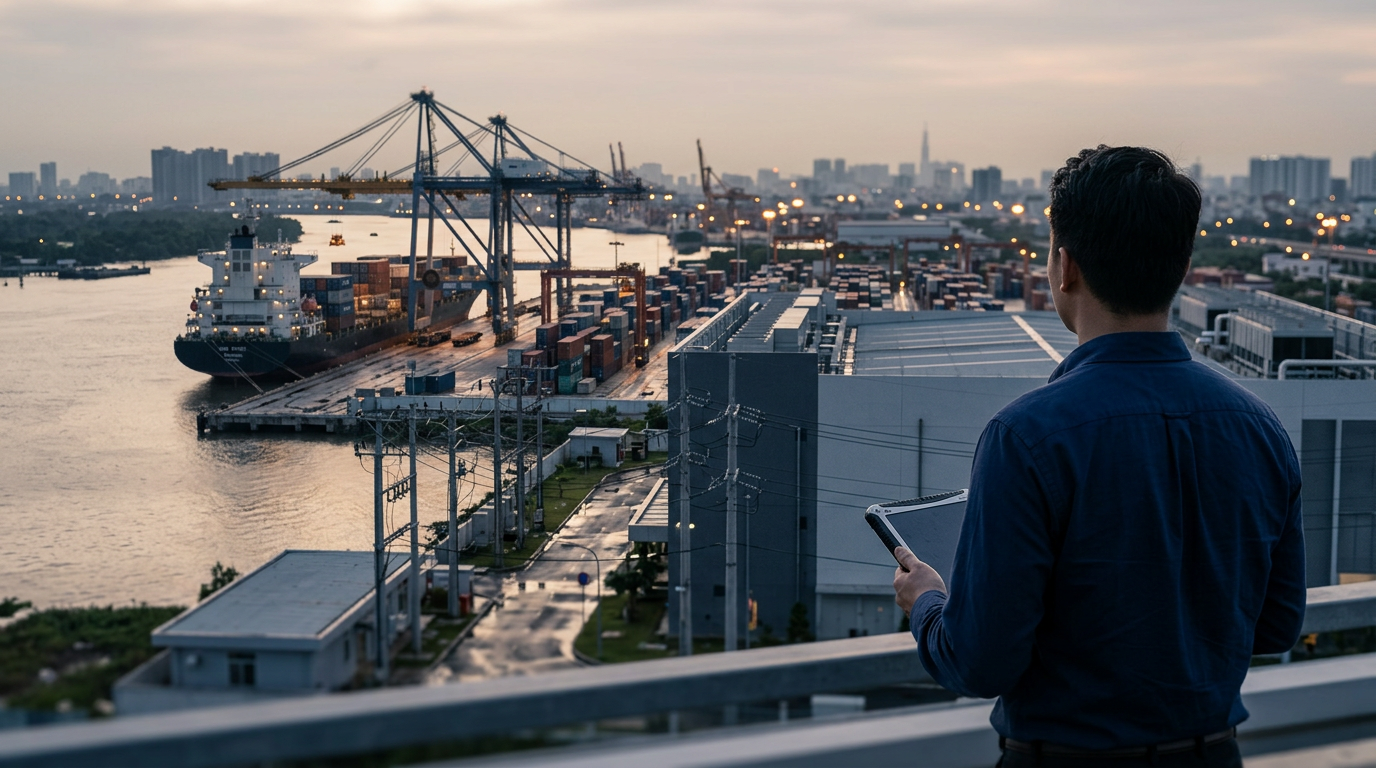
Vietnam's focus on improving trade with the U.S. is a textbook case of managing dependency through practical execution. The summit's emphasis on logistics and digital adoption is not abstract. It represents the hard work of building the physical and institutional capacity needed to make trade with distant partners more efficient and cost-effective. By smoothing the path for goods to enter the U.S. market, Vietnam is actively building a counterweight to its reliance on its northern neighbor.
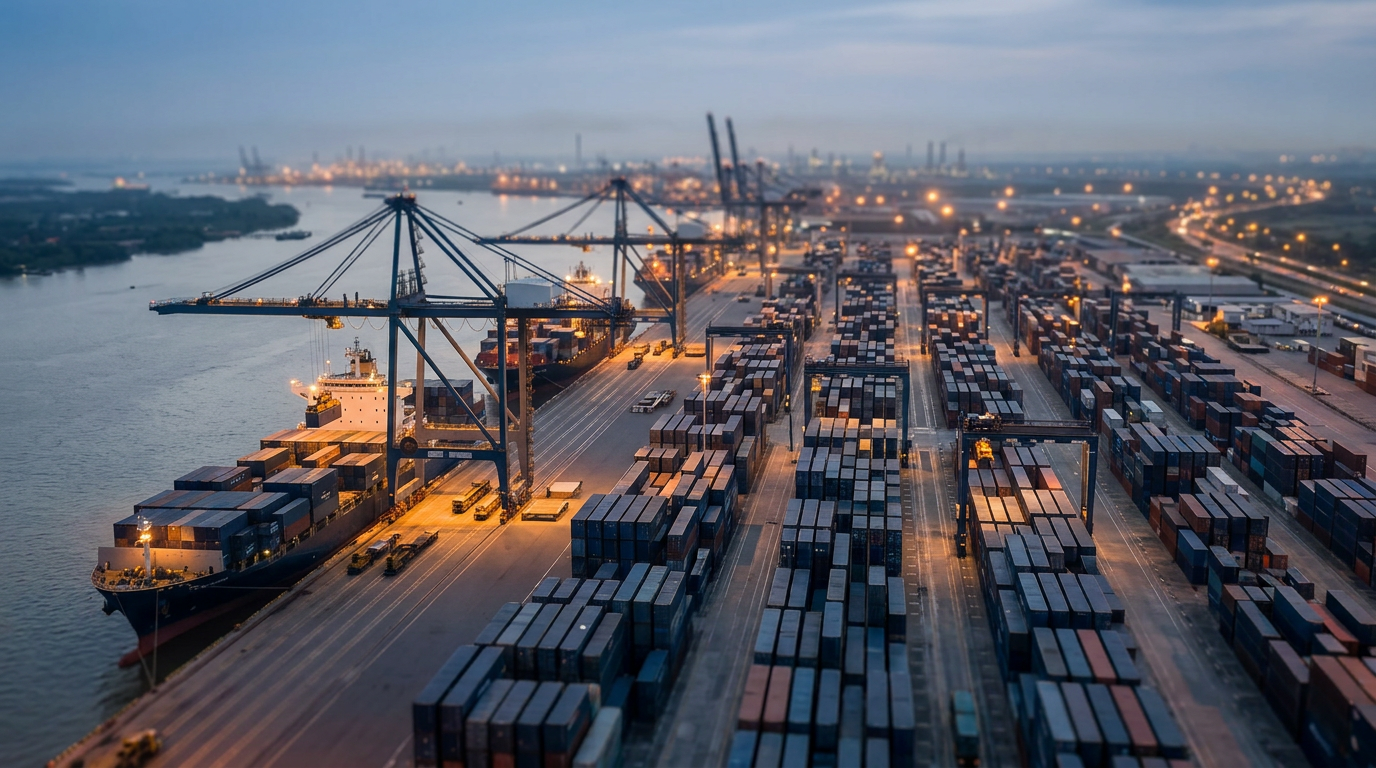
This is a strategy of addition, not subtraction. It requires sustained investment in infrastructure- from modernizing ports to building more efficient customs clearance systems. It also demands a focus on talent, developing a workforce skilled in digital logistics and international trade compliance. This deliberate, long-term effort to build capacity demonstrates an understanding that genuine strategic optionality is not the result of high-level declarations, but of on-the-ground execution and a commitment to building trust with a diverse set of economic partners.
An ASEAN-Wide Endeavor
While Vietnam provides a sharp example, it is not alone. Across the region, other ASEAN members are pursuing similar strategies tailored to their own circumstances. Some are strengthening ties with Japan, South Korea, India, or the European Union. Others are focusing on intra-regional trade to build a more self-sufficient economic bloc. ASEAN, as an institution, plays a role in this process by negotiating trade agreements and harmonizing standards, which provides a framework for diversification.
These efforts are fundamentally about building trust- trust in institutions to enforce contracts, trust in infrastructure to deliver goods reliably, and trust in the stability of the policy environment. By investing in these areas, ASEAN nations are not only making themselves more attractive to a wider range of partners but also strengthening their collective ability to manage the gravitational pull of any single economic power.
What to watch
What to watch are the investments in both physical and digital infrastructure that are required to make these trade links efficient. Observers should also monitor the institutional progress on trade facilitation within ASEAN and how member states balance their participation in different economic frameworks, as this will determine their ability to manage dependencies and maintain strategic choice. The development of human capital to staff these more complex and diversified supply chains will be another direct indicator of success.