Philippines
ASEAN Connectivity and the China Question
Recent ASEAN Connectivity Coordinating Committee discussions in the Philippines highlight the long-term project of building institutional and physical links. For member states, this is not just about logistics; it is a core part of managing economic dependency, particularly in.

The ASEAN Connectivity Coordinating Committee (ACCC) met in the Philippines in late August to assess progress on the bloc's long-term connectivity goals, according to a report from ASEAN.org. The meeting covered the implementation of the Master Plan on ASEAN Connectivity (MPAC) 2025 and partnerships that support it. While these discussions are part of a long-running process, they gain significance in the context of the region's deepening economic integration with China.
Infrastructure and Institutions
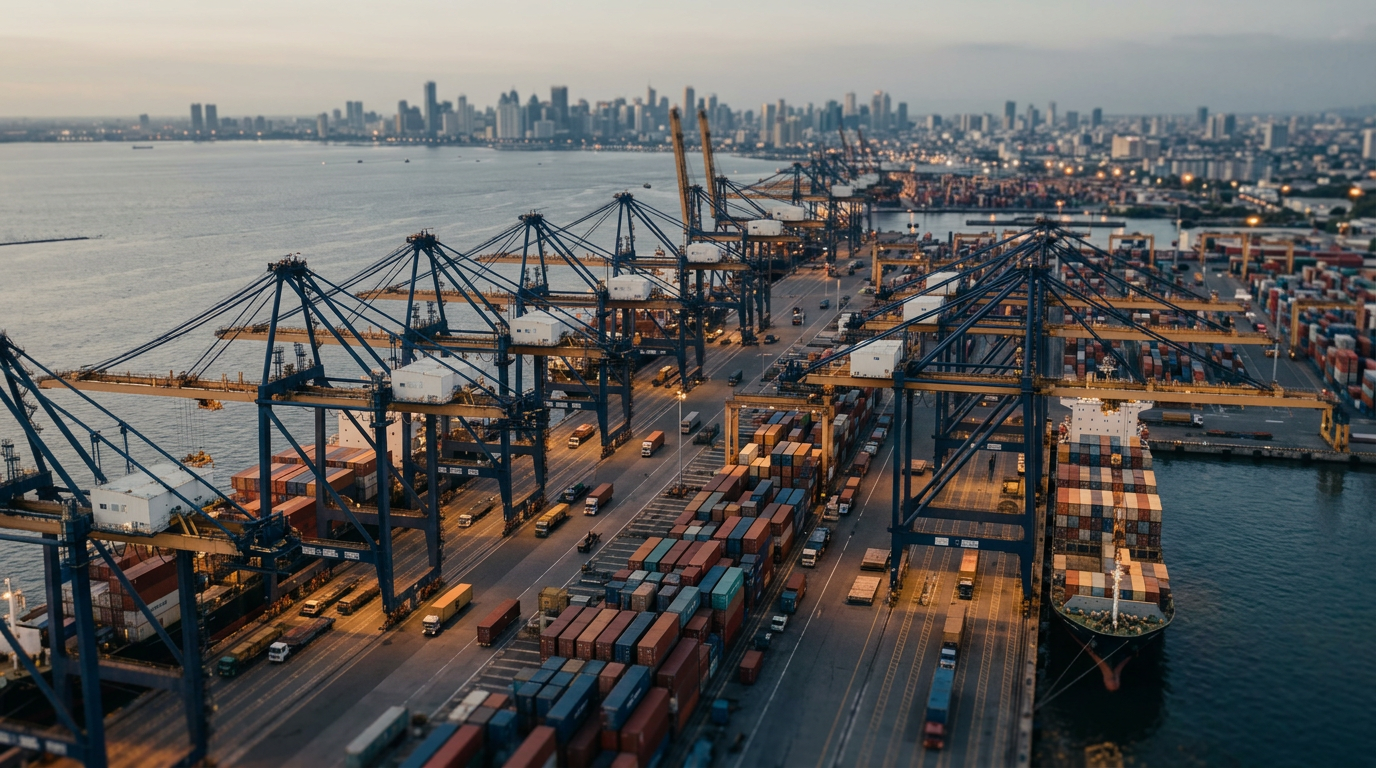
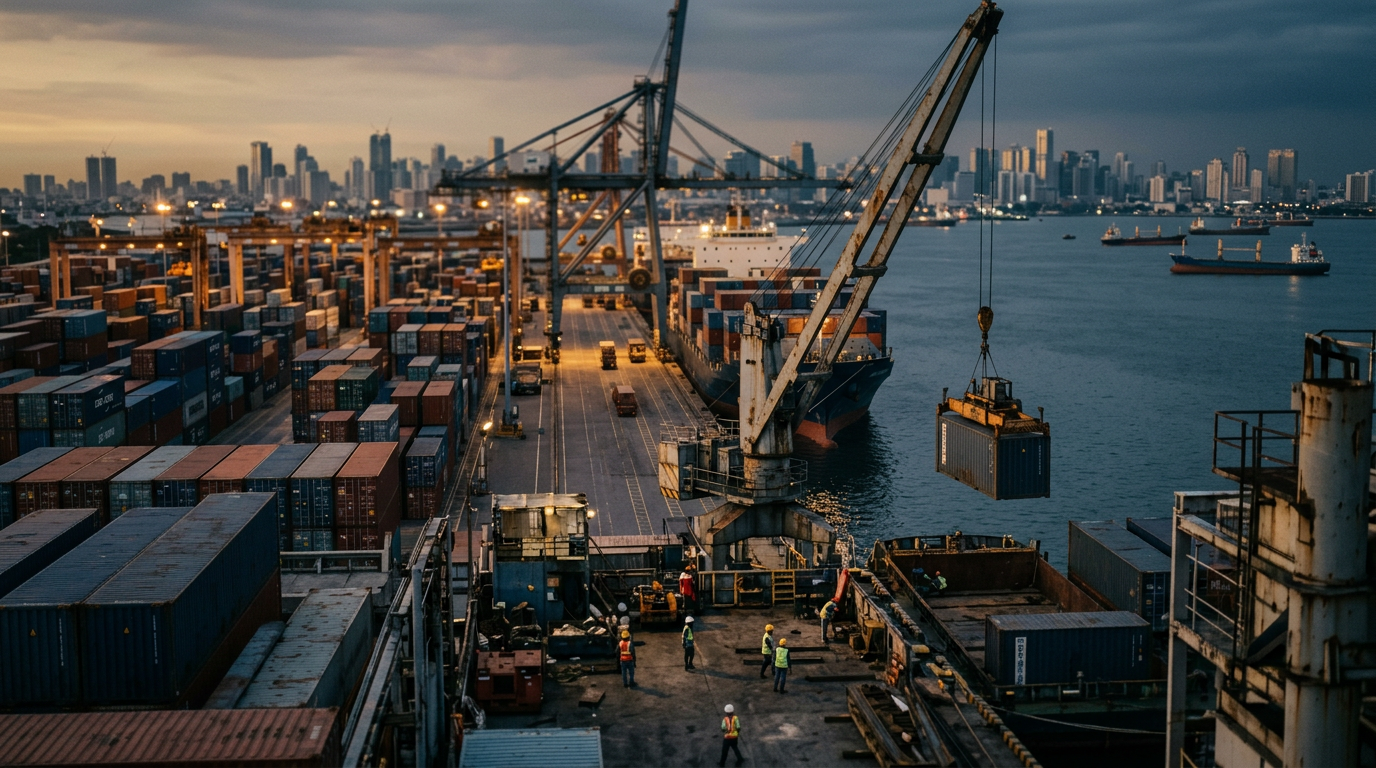
Connectivity is a core pillar of the ASEAN Community, but its implementation is complex and requires sustained institutional effort. The ACCC's work focuses on coordinating the sprawling initiatives under MPAC 2025, which span physical infrastructure, digital innovation, and people-to-people exchanges. Building these linkages is not merely a technical exercise in logistics or construction; it is a strategic imperative. The goal is to create a more resilient and integrated regional economy, one where internal ASEAN markets are as accessible and efficient as external ones. This requires harmonizing regulations, streamlining customs procedures, and mobilizing substantial capital for projects ranging from new ports to regional data networks. Stronger internal connectivity provides a foundation for ASEAN to engage with larger economic partners from a position of greater collective strength.
The China Factor
Discussions about ASEAN's infrastructure and economic architecture invariably involve China. As the book ASEAN Rising notes, deep trade integration with China is now a permanent structural feature of the region's economy. The focus for governments has shifted from debating the merits of engagement to managing the dependencies that come with it. China is a primary source of capital for infrastructure projects and a dominant trade partner for every ASEAN member state. This economic relationship offers significant benefits but also concentrates risk. The challenge for ASEAN is to absorb Chinese investment and maintain trade flows without compromising its strategic autonomy. The book argues that the core question is "how to manage dependency without losing optionality." Stronger internal connectivity, as pursued by the ACCC, is a direct answer to this question. By improving its own internal markets and supply chains, ASEAN can reduce its relative reliance on any single external partner.
From Plans to Execution
The ultimate success of ASEAN's connectivity agenda depends on execution. Grand plans like MPAC 2025 are only as good as their implementation on the ground. This requires member states to translate high-level commitments into national policy and tangible projects. It demands a sophisticated capacity to manage complex financing, navigate domestic political hurdles, and ensure that new infrastructure delivers broad economic benefits. The ACCC's role in reviewing progress and fostering partnerships is a mechanism for accountability and momentum. Mobilizing private capital is equally important, as public funds alone cannot meet the region's vast infrastructure needs. Effective execution will determine whether ASEAN's vision of a seamlessly connected economic community becomes a reality or remains an aspiration.
What to watch is how ASEAN member states balance the pursuit of nationally significant infrastructure projects, often funded by external partners like China, with the less visible but equally important work of regulatory harmonization and institutional capacity-building. The true measure of connectivity will not be the number of new bridges or ports, but the increase in intra-ASEAN trade and investment flows, which signals a more integrated and resilient regional economy capable of managing its external dependencies.