ASEAN, China, and the Value Creation Imperative
Trade with China is a structural feature of ASEAN economies. The question is how to manage this dependency while increasing value creation within the region.
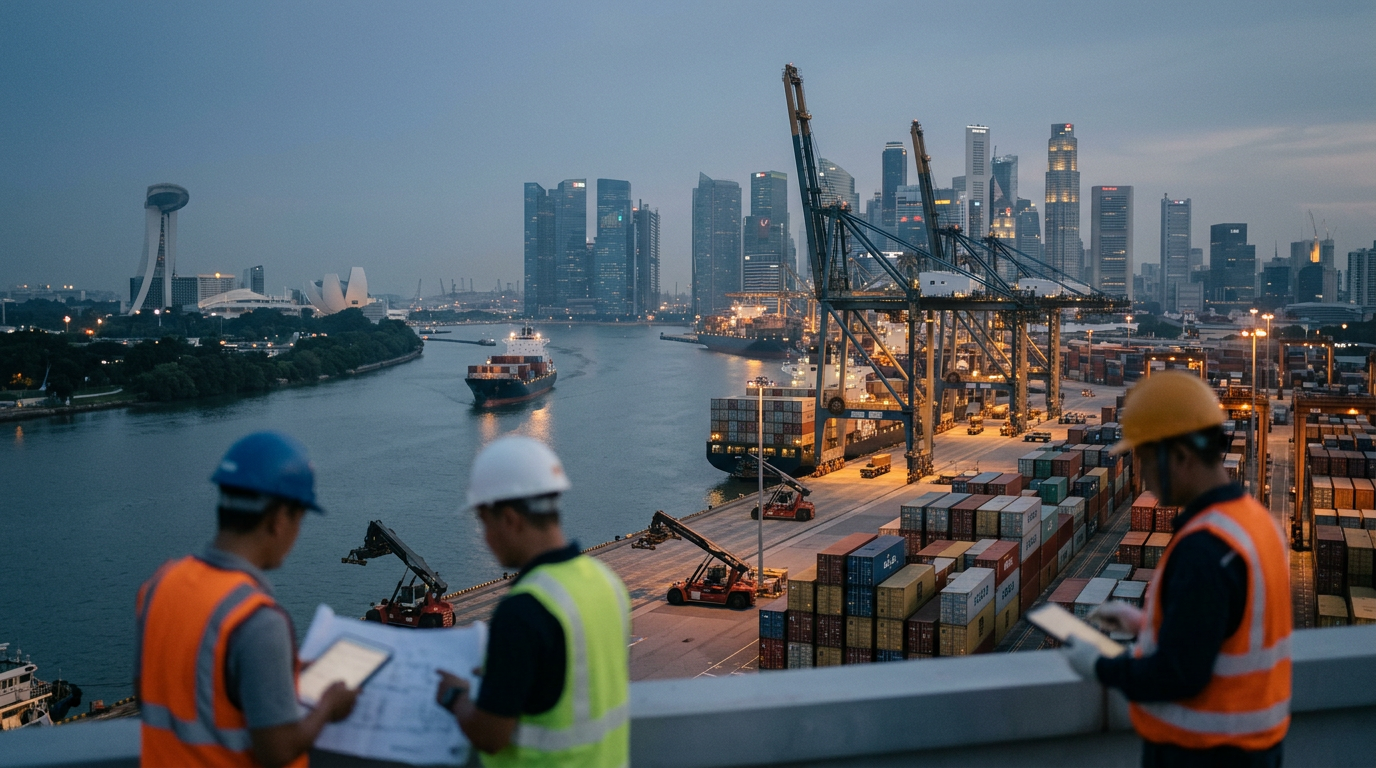
A recent analysis in The Diplomat questions whether ASEAN is evolving from a mere export hub for Chinese components into a genuine "Value Creation Hub" for the global economy. This framing, discussed in "ASEAN: From 'Circumvention Export Hub' to 'Value Creation Hub'", highlights a core challenge for the bloc. The deep trade integration with China presents both opportunities and dependencies that member states must navigate to move up the economic ladder.
The Gravity of Integration
Trade with China is not a temporary or cyclical phenomenon for ASEAN; it is a fundamental aspect of the region's economic structure. As detailed in "ASEAN Rising", the extensive supply chains, investment flows, and market access that define the relationship are here to stay. The book notes that for governments in the region, the operative question is "how to manage dependency without losing optionality." This means accepting the deep economic ties with Beijing while actively seeking to avoid over-reliance on a single partner.
This integration has been a powerful engine for growth, allowing ASEAN firms to tap into China's massive manufacturing ecosystem and consumer market. However, it also exposes the region to economic shocks originating in China and can constrain strategic autonomy. The current global trade environment, with its tariffs and geopolitical frictions, further complicates this dependency, pushing ASEAN to reassess its position.
From Re-Export to Local Value
The path from a "circumvention export hub"-a place for assembling and re-exporting goods with high Chinese content-to a "value creation hub" requires deliberate institutional and industrial policy. Moving beyond assembly requires more than just attracting foreign direct investment; it necessitates building the capacity to innovate, design, and produce higher-value goods and services domestically.
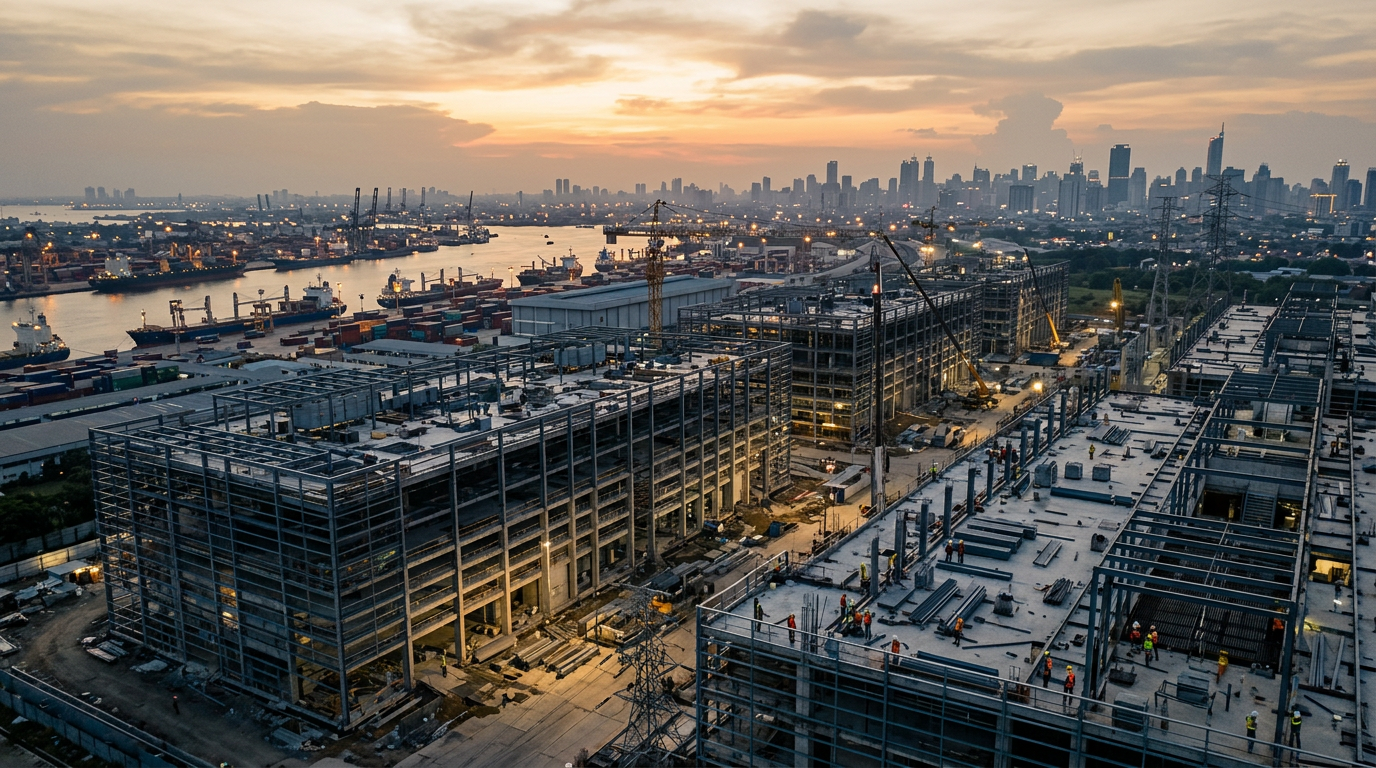
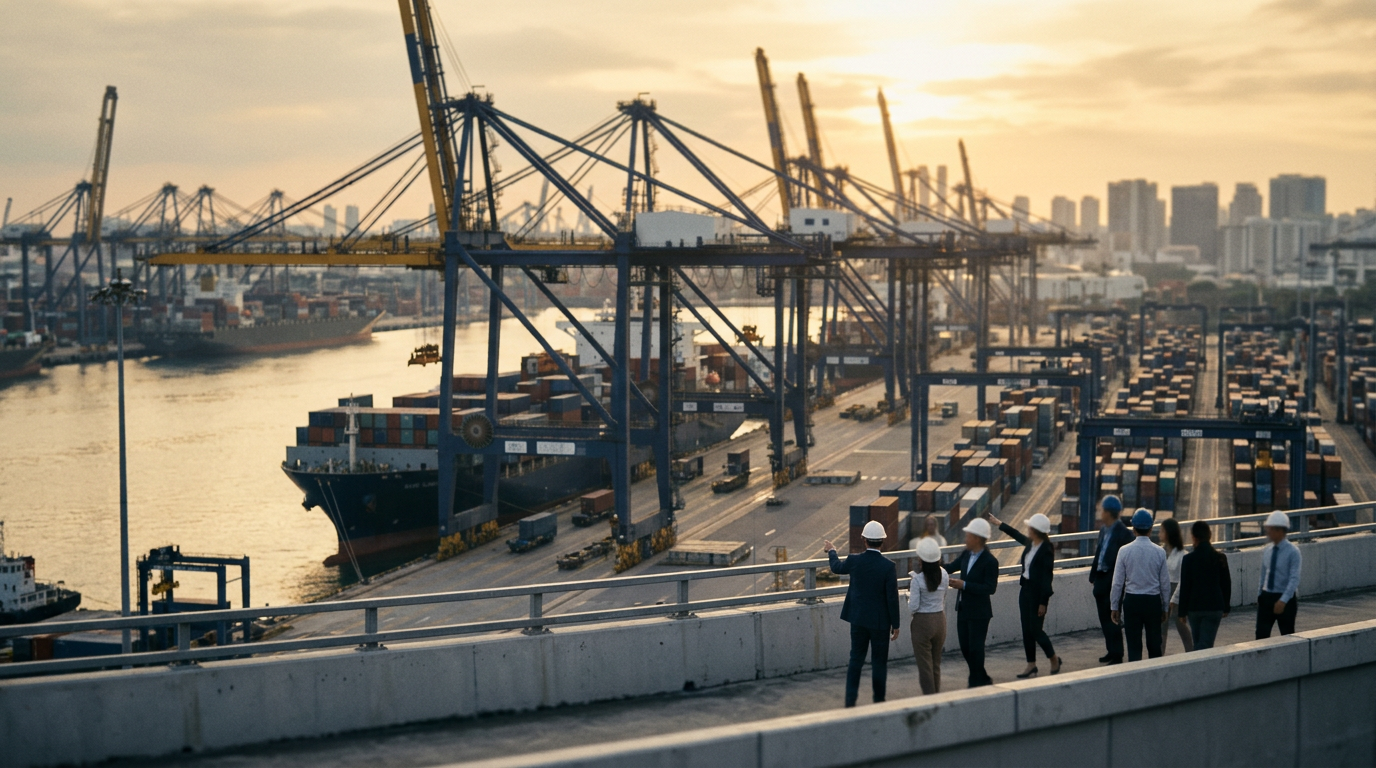
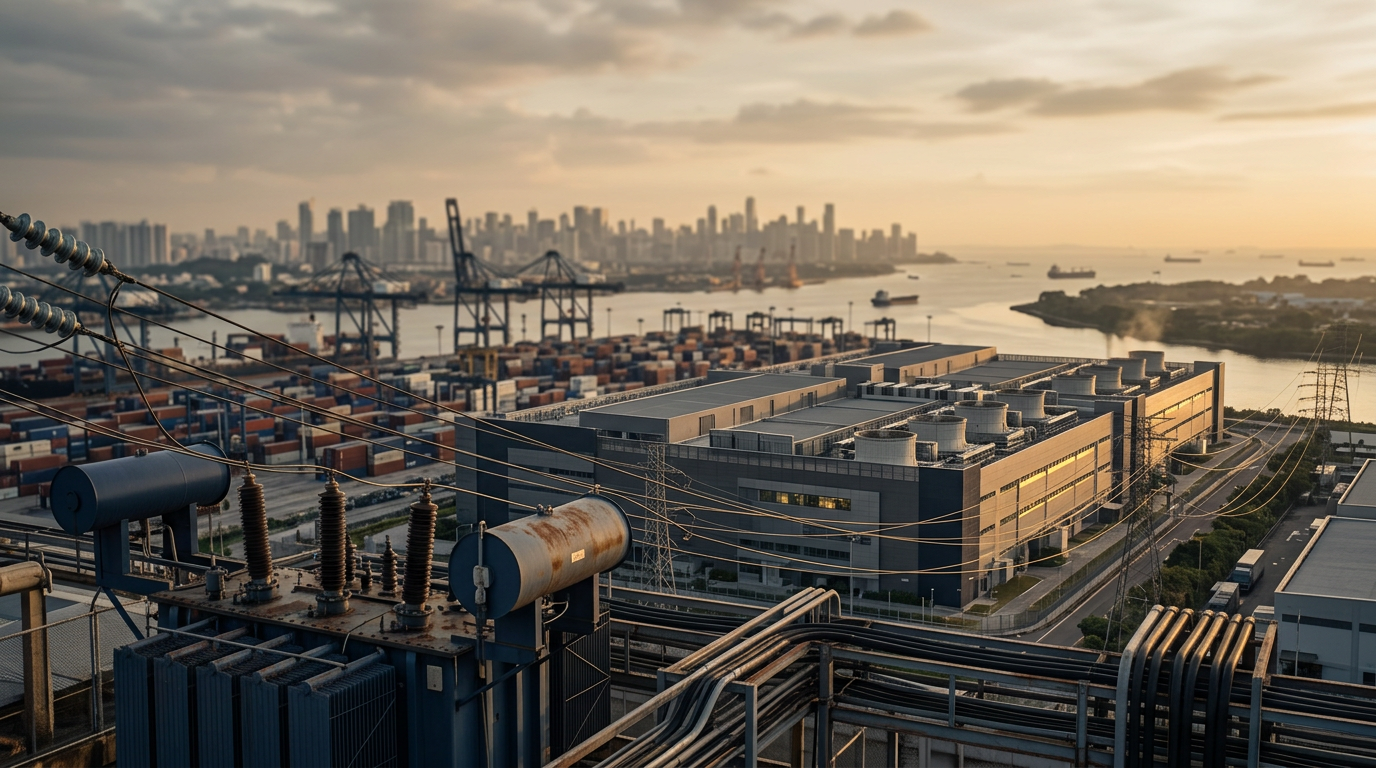
This involves significant investment in human capital and physical infrastructure. Talent development is paramount. A skilled workforce, from technicians to engineers and researchers, is the foundation for a knowledge-based economy. Likewise, efficient ports, reliable energy, and robust digital connectivity-core pillars of infrastructure-are essential to support more complex manufacturing and service industries. Without these foundational elements, ASEAN economies will struggle to capture a larger share of the value they help create.
Capital and Institutions
Transitioning up the value chain also depends on the availability and allocation of capital. Both public and private investment are needed to fund the necessary upgrades in infrastructure and skills. This is where the quality of institutions becomes a deciding factor. Strong, transparent, and predictable regulatory frameworks are essential to attract long-term capital, both domestic and foreign.
Effective institutions can help direct investment towards productive sectors, foster competition, and ensure that the benefits of economic upgrading are broadly shared. They build trust among investors, businesses, and the public. For ASEAN, strengthening regional institutions that promote regulatory coherence and facilitate cross-border investment can amplify the efforts of individual member states. The goal is to create a virtuous cycle where good governance attracts capital, which in turn fuels the development of talent and infrastructure needed for higher value creation.
What to watch: Observe whether ASEAN member states can coordinate industrial policies to build complementary value chains rather than engaging in a zero-sum competition for foreign investment. The ability to harmonize standards and regulations, particularly in emerging sectors like the digital economy and green technology, will be a key indicator of the region's progress toward becoming a true hub of value creation.