Cambodia
Cambodia's RCEP Gains Underscore a Regional Dilemma
A 24% surge in Cambodia's trade with RCEP nations is a major economic win, but it also reflects a structural reality for the entire region: how to manage deep economic ties with China while maintaining strategic flexibility.
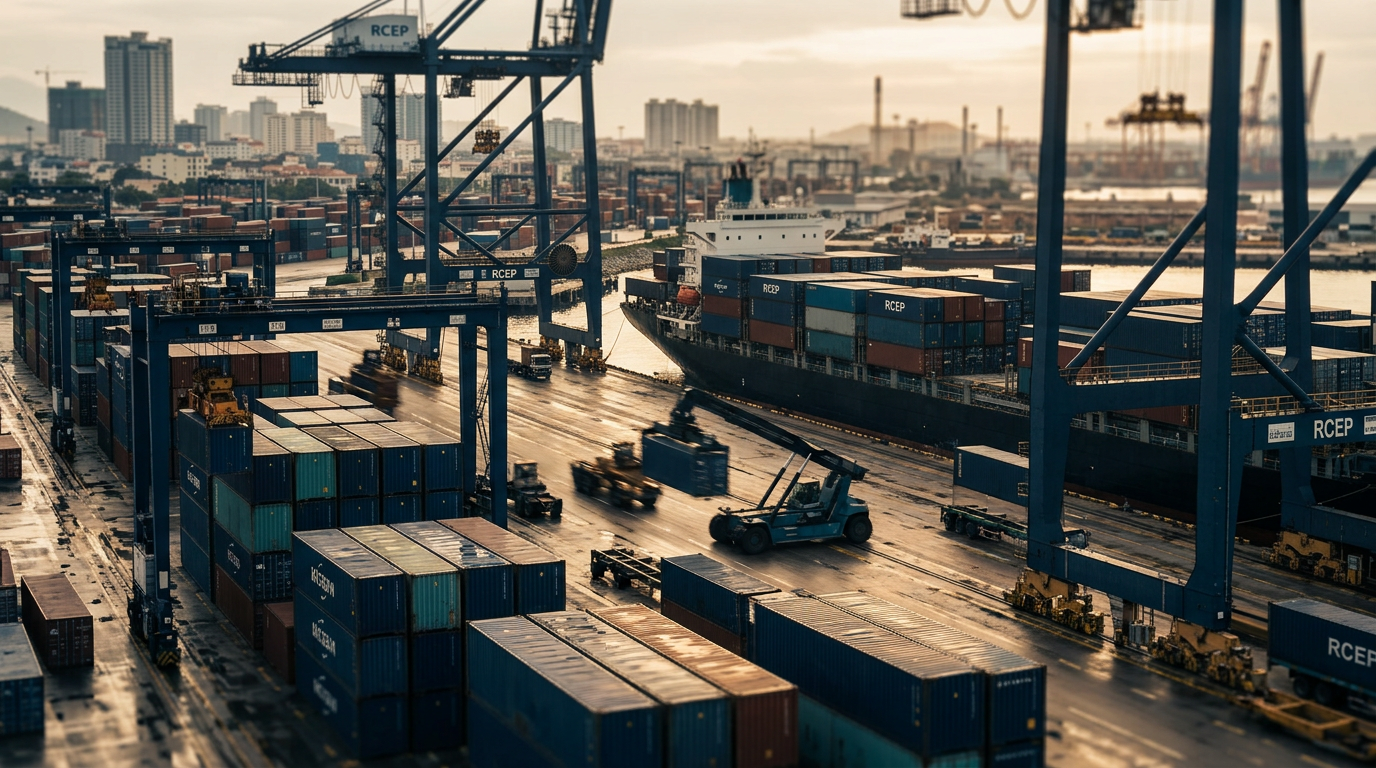
Cambodia's trade with the Regional Comprehensive Economic Partnership (RCEP) member states reached US$24.4 billion in the first half of 2026, a year-on-year increase of 24 percent, as reported by Bernama. This substantial growth is a welcome indicator of Cambodia's economic recovery and its ability to leverage new institutional trade frameworks. At the same time, it brings a regional dynamic into sharp relief: the deepening, structural economic relationship between ASEAN member states and China, and the strategic questions that follow.
RCEP as a Formalizing Institution
The RCEP agreement, which entered into force in 2022, is the world's largest free trade agreement. An ASEAN-led initiative, it was designed to place the bloc at the center of a trade network that includes China, Japan, South Korea, Australia, and New Zealand. The impressive growth in Cambodia's trade volume is a clear sign that the institutional mechanisms of RCEP are functioning, reducing tariffs and non-tariff barriers to facilitate commerce.
However, the agreement does not create new trade patterns from scratch. Rather, it tends to formalize and accelerate existing ones. For most ASEAN members, the most significant existing pattern is the strong trade and investment linkage with China. The surge in Cambodia-RCEP trade, therefore, is not an isolated event but a case study in how region-wide institutional architecture interacts with the gravitational pull of Asia's largest economy. The success of RCEP's execution is measured not just in total trade volume, but in how well member states can use the framework to diversify their economic relationships.
Managing Structural Dependency
The growth in commerce between Cambodia and the RCEP bloc reflects a permanent condition for the region. As Matthew Barsing puts it in ASEAN Rising, "trade depth with China is now a structural feature, not a cyclical one." The primary question for governments is no longer about the benefits of engagement with China, but about the practicalities of governance. The challenge is "how to manage dependency without losing optionality."
For Cambodia, this means ensuring that the influx of trade and investment translates into sustainable domestic capacity. The execution of a national economic strategy that leans into RCEP requires building genuine industrial value, rather than simply becoming a transshipment or assembly hub beholden to external supply chains. It involves a delicate balance of attracting capital while regulating its effects, and of building trust with a dominant economic partner without alienating others. This is the core task of economic statecraft that all ASEAN members now face.
Linking Trade to Infrastructure
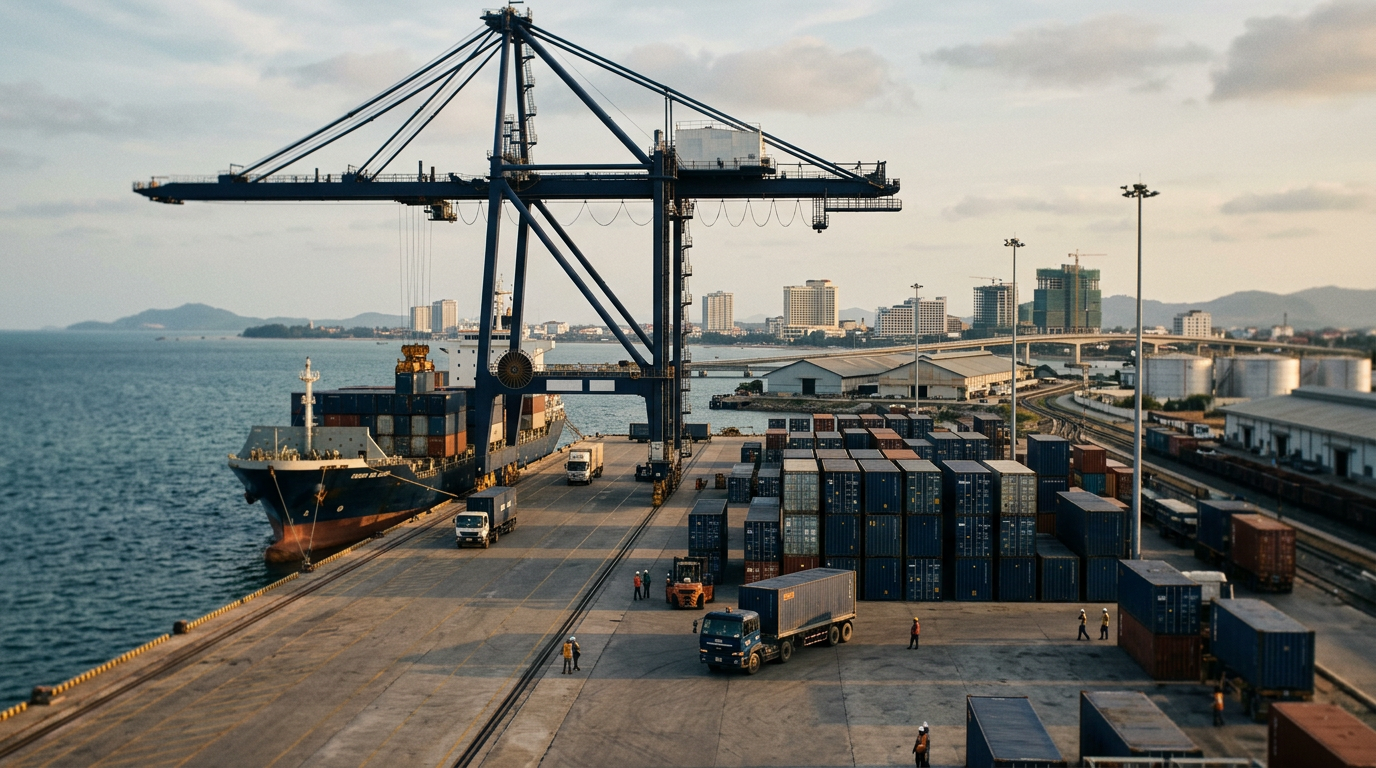
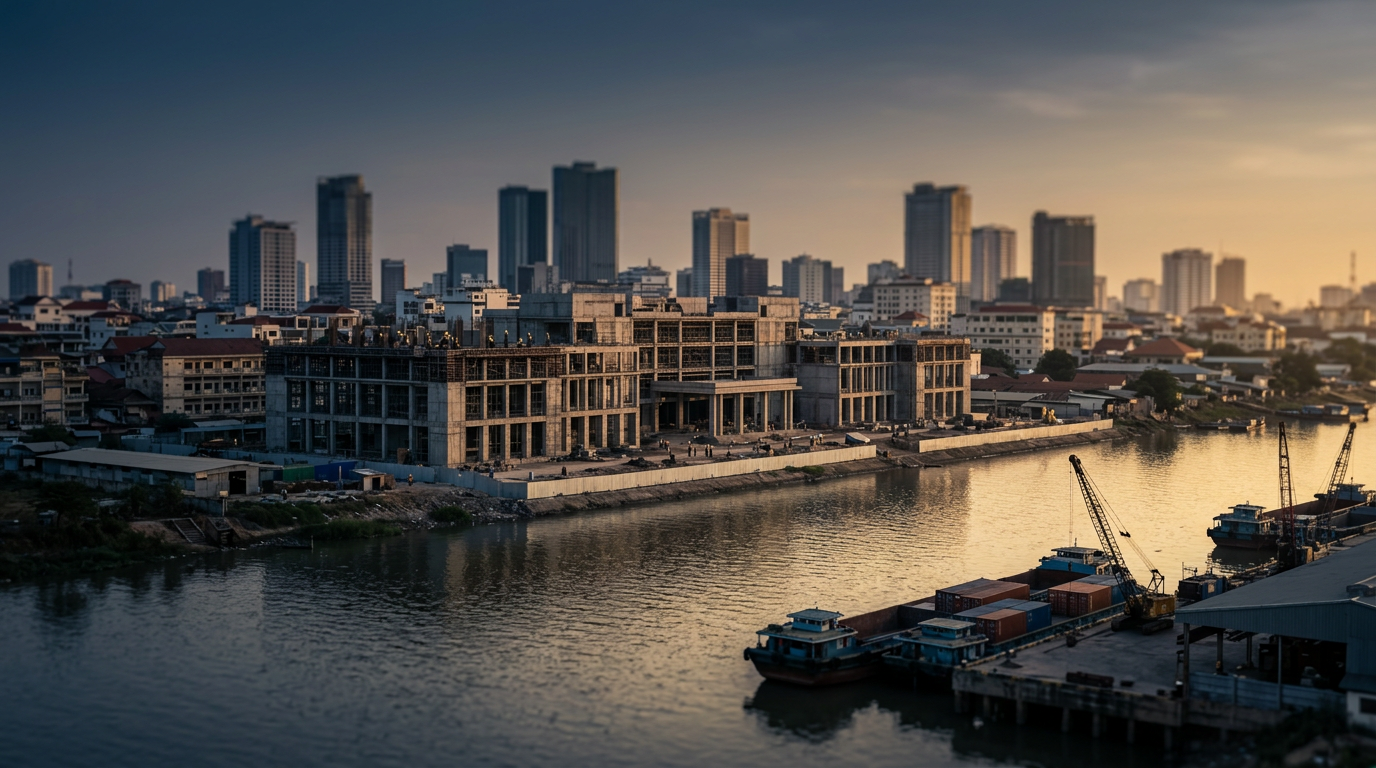
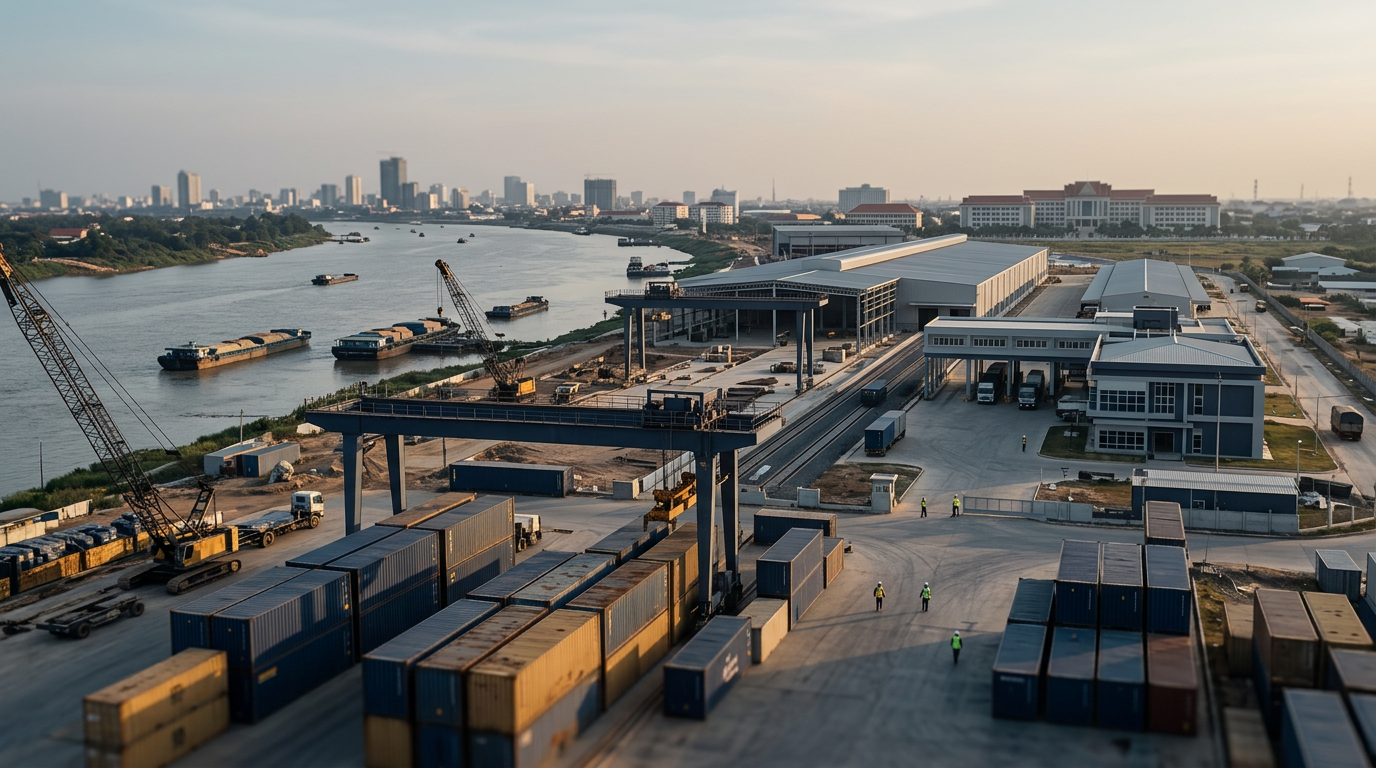
Trade on this scale is not possible without the corresponding physical infrastructure. In Cambodia, major projects, many financed and built via the Belt and Road Initiative, are the essential conduits for the goods now flowing under RCEP rules. The Sihanoukville Special Economic Zone and the Phnom Penh-Sihanoukville Expressway are prime examples of the capital and infrastructure nexus that underpins the country's trade performance.
These projects are facilitators of growth, but they also hard-wire patterns of dependency. When a nation's ports, roads, and industrial zones are predominantly financed and built by a single partner, its economic path gains momentum in one direction. The effective management of this dependency requires a sophisticated approach to infrastructure governance, ensuring projects serve the host country's long-term interests and are integrated into a national development plan that values resilience and a diversity of connections to the global economy.
What to watch
Looking ahead, the key indicator of Cambodia's success will be its ability to use the RCEP framework to broaden its trade relationships, particularly with partners like Japan, South Korea, and Australia. Observers should also watch whether the boom in trade volume is accompanied by a qualitative improvement in Cambodia's own industrial and export capacity. The development of local talent and the transparency of governance around major infrastructure and investment projects will ultimately determine whether Cambodia is successfully managing its integration into the regional economy or being subsumed by it.