Timor-Leste
Timor-Leste, ASEAN, and the China Question
As Timor-Leste moves towards full ASEAN membership, it must define its economic strategy, particularly concerning China. This involves balancing immediate infrastructure needs with the long-term goal of building a resilient, diversified economy aligned with ASEAN standards.
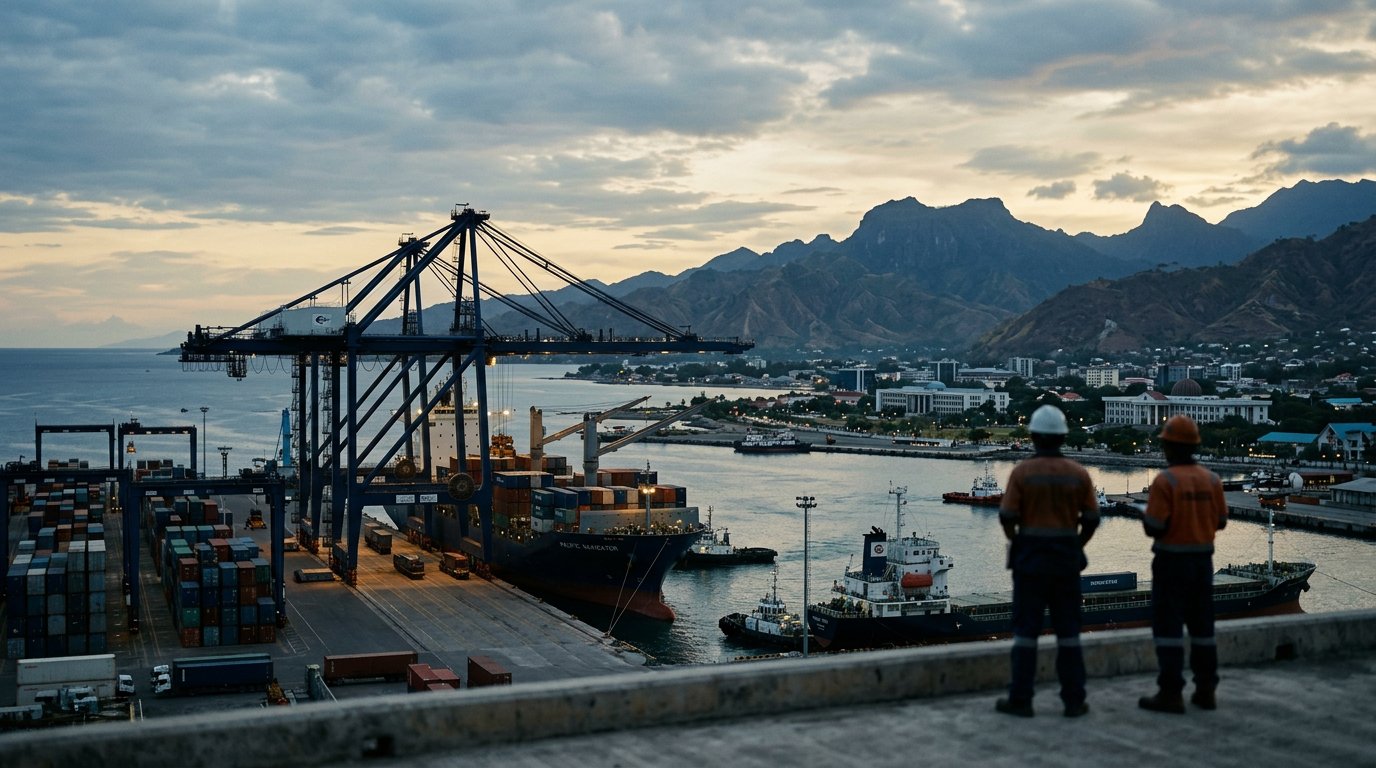
A recent meeting between ASEAN's Secretary-General and Timor-Leste's Permanent Representative, reported by ASEAN.org, signals continued progress toward the nation's full membership in the bloc. While the discussions were routine, they highlight a deeper question for the half-island state: how it will align its economic and institutional frameworks with ASEAN, particularly concerning its relationship with China.
The China Factor in Timor-Leste's Development
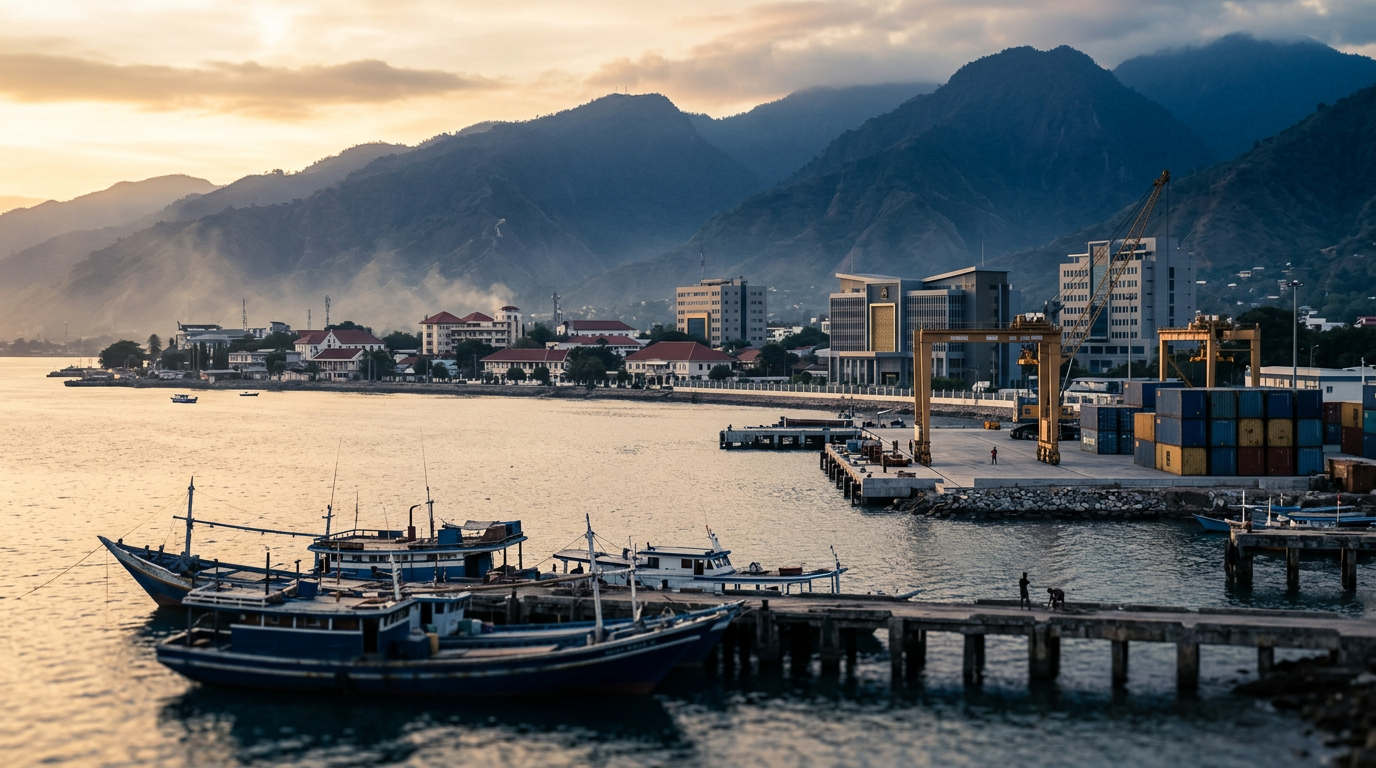
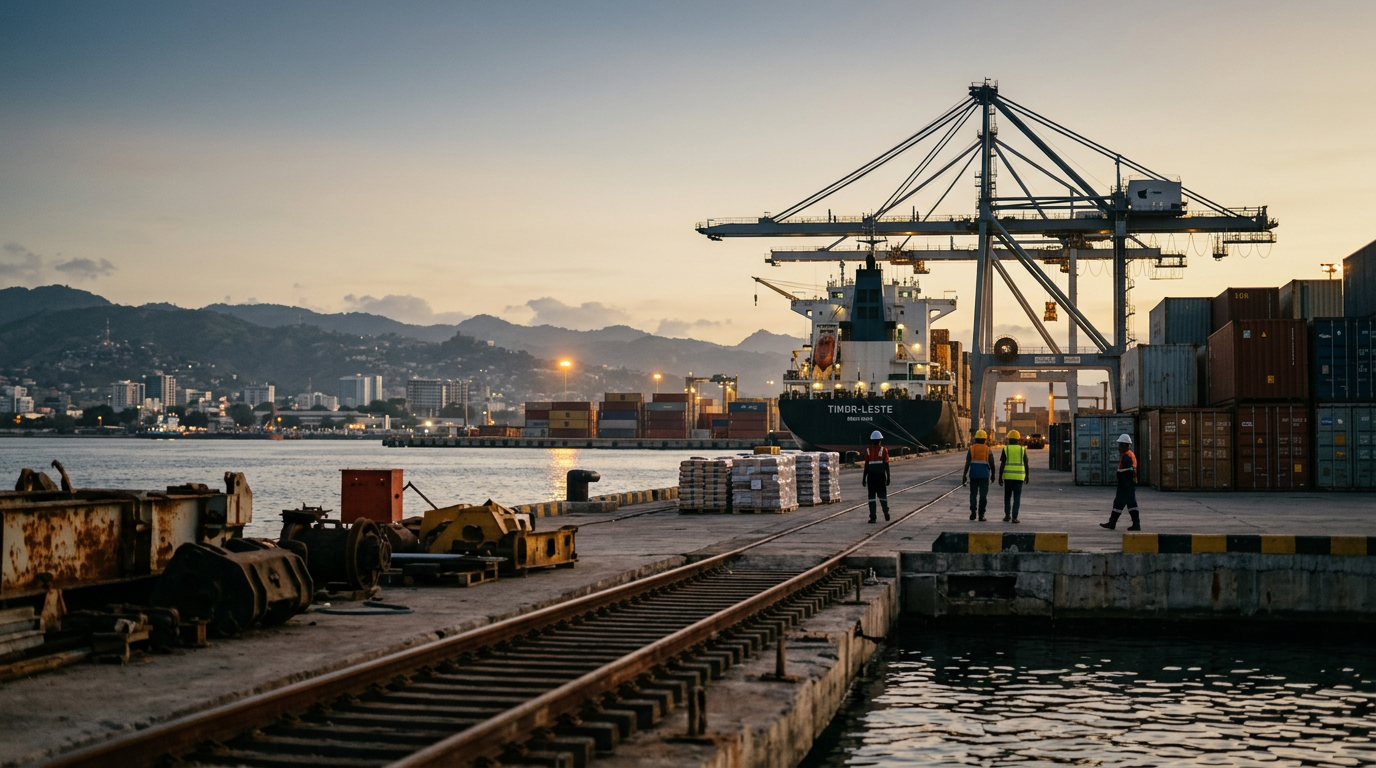
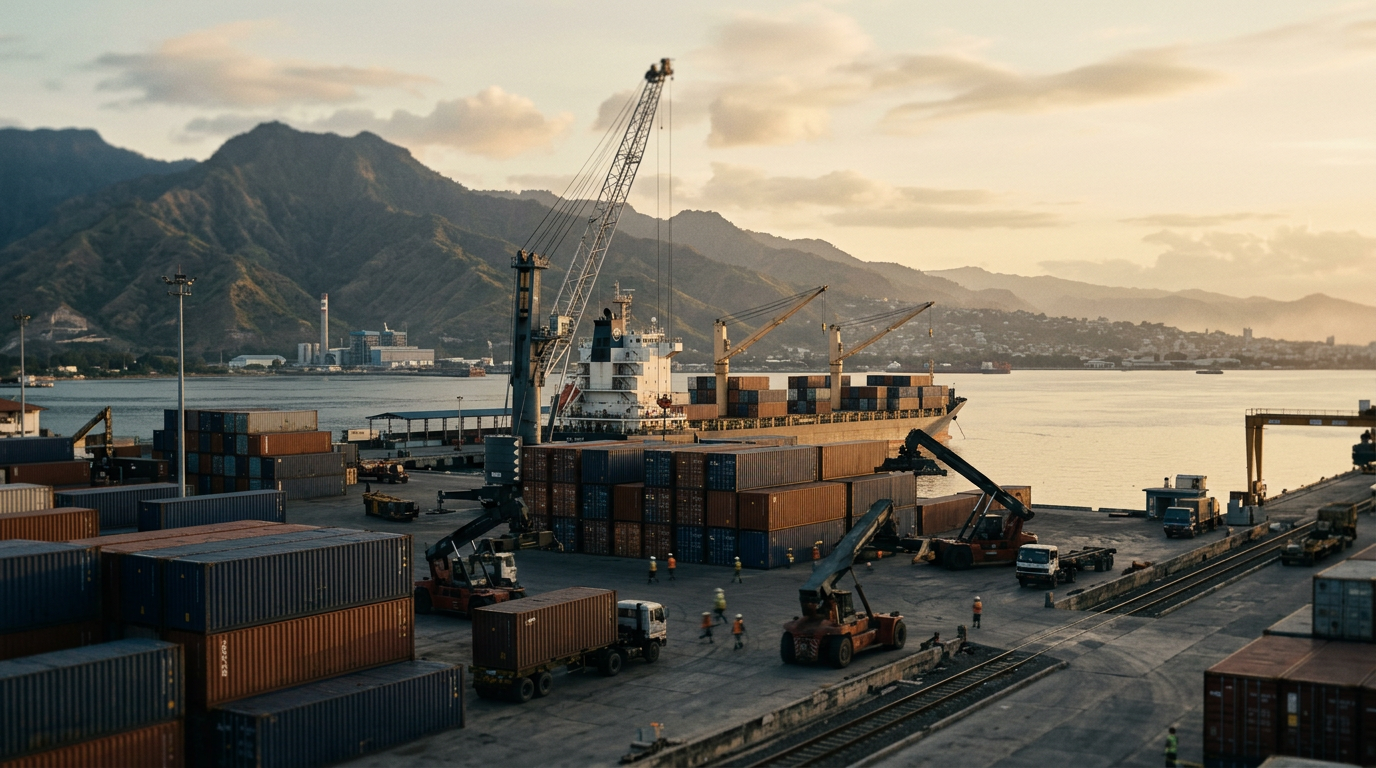
Timor-Leste faces a monumental task in developing its infrastructure and diversifying its economy away from oil and gas revenues. China has emerged as a significant partner in this process, funding and building essential projects such as the national power grid and the Suai highway. This engagement is consistent with a broader pattern across Southeast Asia where Chinese capital and construction capacity have accelerated development timelines.
However, this partnership comes with inherent complexities. As detailed in "ASEAN Rising," the depth of economic ties with China is a structural reality for the region. The core issue for governments is "how to manage dependency without losing optionality." For an aspiring ASEAN member like Timor-Leste, this challenge is immediate. The country must weigh the benefits of Chinese-led development against the long-term risks of economic over-reliance and the political influence that often accompanies it. Crafting a sustainable economic strategy requires a clear-eyed assessment of these trade-offs.
Aligning with ASEAN Norms
Joining ASEAN involves more than just diplomatic representation; it requires substantive alignment with the bloc's economic agreements, institutional practices, and strategic outlook. For Timor-Leste, this means developing the institutional capacity to implement the ASEAN Comprehensive Investment Agreement, the ASEAN Trade in Goods Agreement, and various other frameworks that govern regional commerce and investment.
This process of institutional strengthening is where the benefits of ASEAN membership become most tangible. The bloc provides a framework for building robust, transparent regulatory systems. Adopting these standards can help Timor-Leste attract a more diverse range of foreign investment, reducing its dependency on any single partner. By integrating into ASEAN's economic architecture, Timor-Leste can build a more resilient and diversified economic base, better positioning it to manage external pressures. The country must invest in the talent and institutions required to meet these commitments, which will be a primary focus during its accession period.
What to watch
As Timor-Leste proceeds with its accession, the key indicator to watch will be its policy choices regarding foreign investment and major infrastructure projects. Observers should note whether the government successfully diversifies its economic partners and strengthens its domestic institutions in line with ASEAN standards. The evolution of its trade and investment patterns will reveal much about its long-term strategic alignment and its capacity to balance its relationship with China while integrating into the regional bloc.