
ASEAN Analysis & Commentary
Every analysis published on ASEAN Rising is sourced, datestamped and signed. We're more interested in being right in 12 months than first in 12 minutes.
Foundation pieces
Start here. The three pieces below set out the lens ASEAN Rising uses to read every story.
ASEAN Rising's core lens. Execution Economics is the study of whether countries, companies and institutions can convert obvious potential into delivered outcomes - and which six pillars decide the answer.
The region has capital, demographics, location and policy ambition. None of that has ever been the binding constraint. The next decade is an execution test, not a potential test - and it is already being scored.
Malaysia is the test case for whether ASEAN's middle powers can turn FDI, semiconductors and data centres into compounding domestic capability. Read the live coverage and execution scorecard.
Analysis tagged #institutions
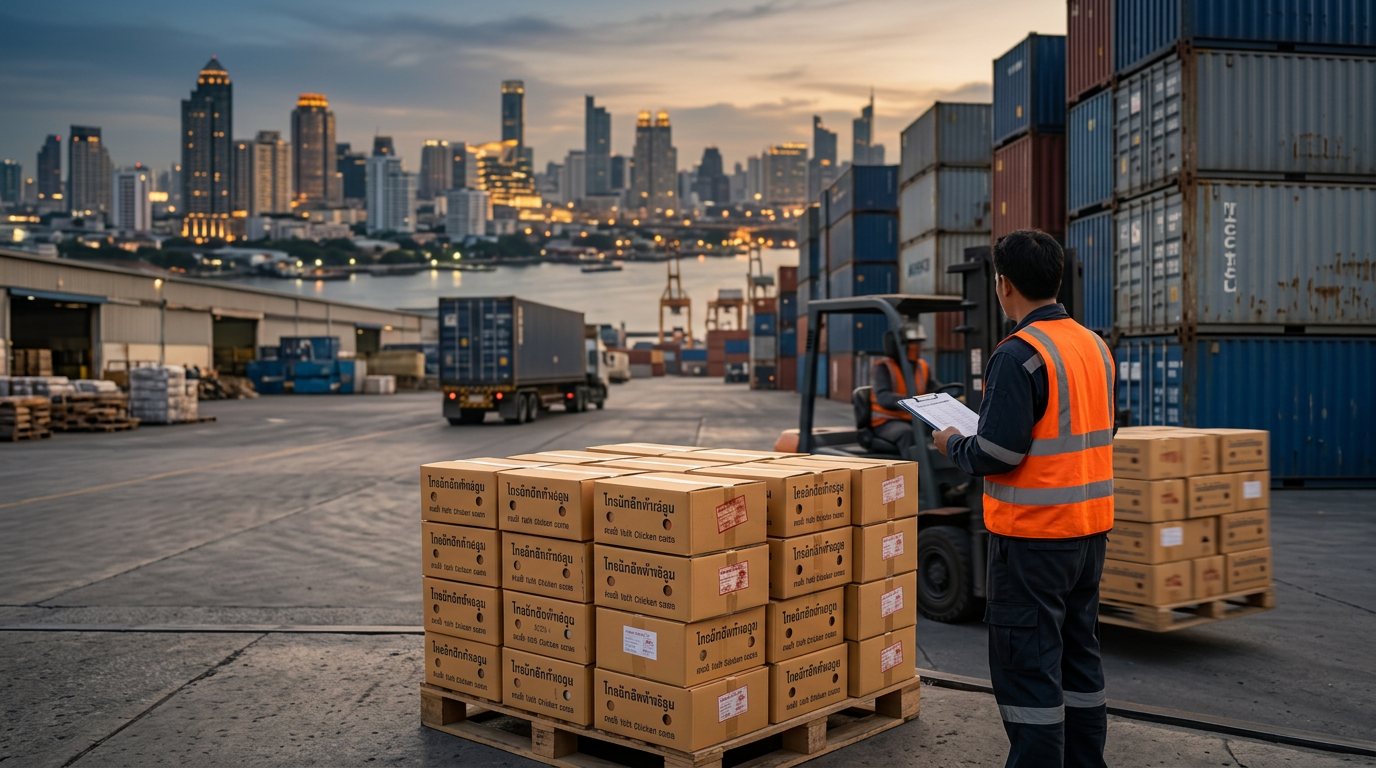
 Thailand
's Egg Export Curbs: A Lesson in Execution
Thailand's recent move to curb egg exports highlights a persistent challenge across ASEAN: turning policy into reality. The gap between announced goals and on-the-ground execution remains a drag on the region's economic integration and growth potential.
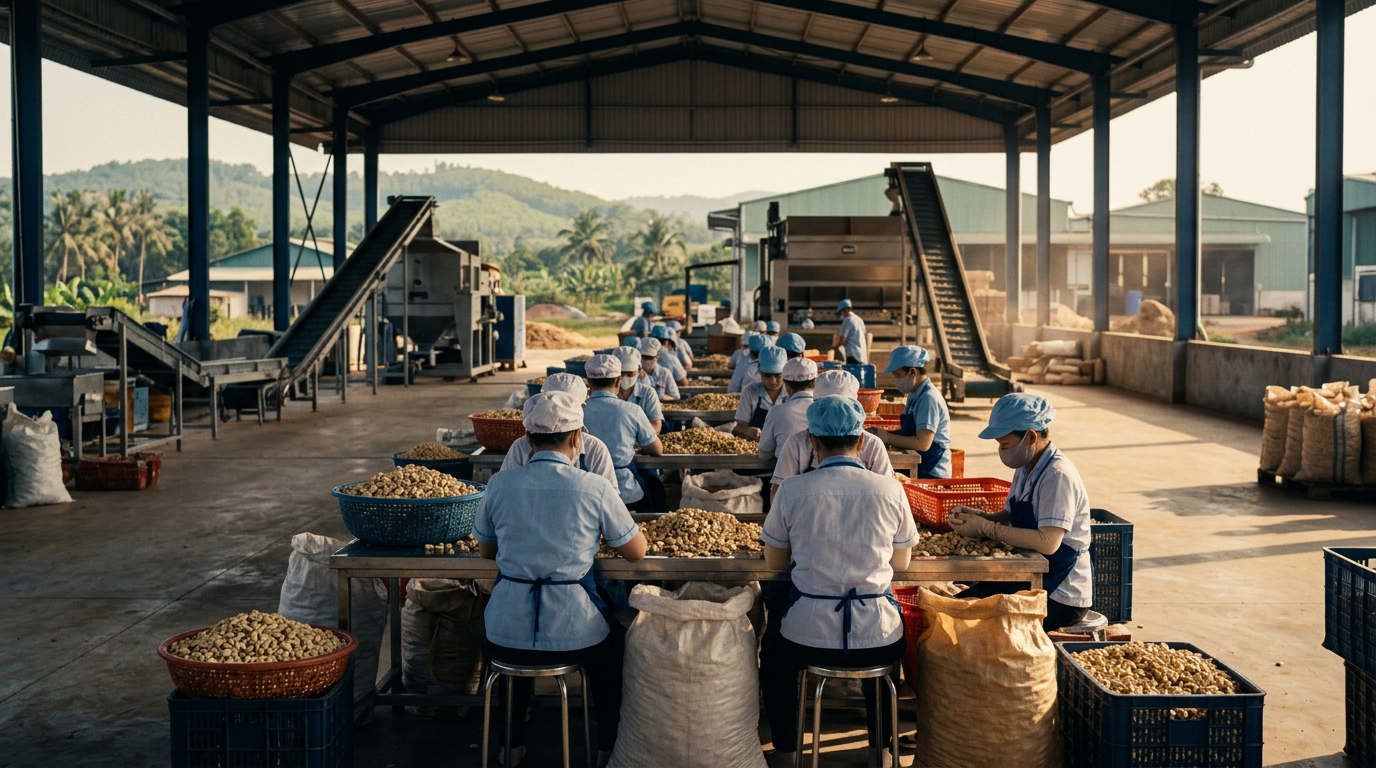
 Vietnam
A Ghana-Vietnam cashew processing partnership is about more than just trade. It
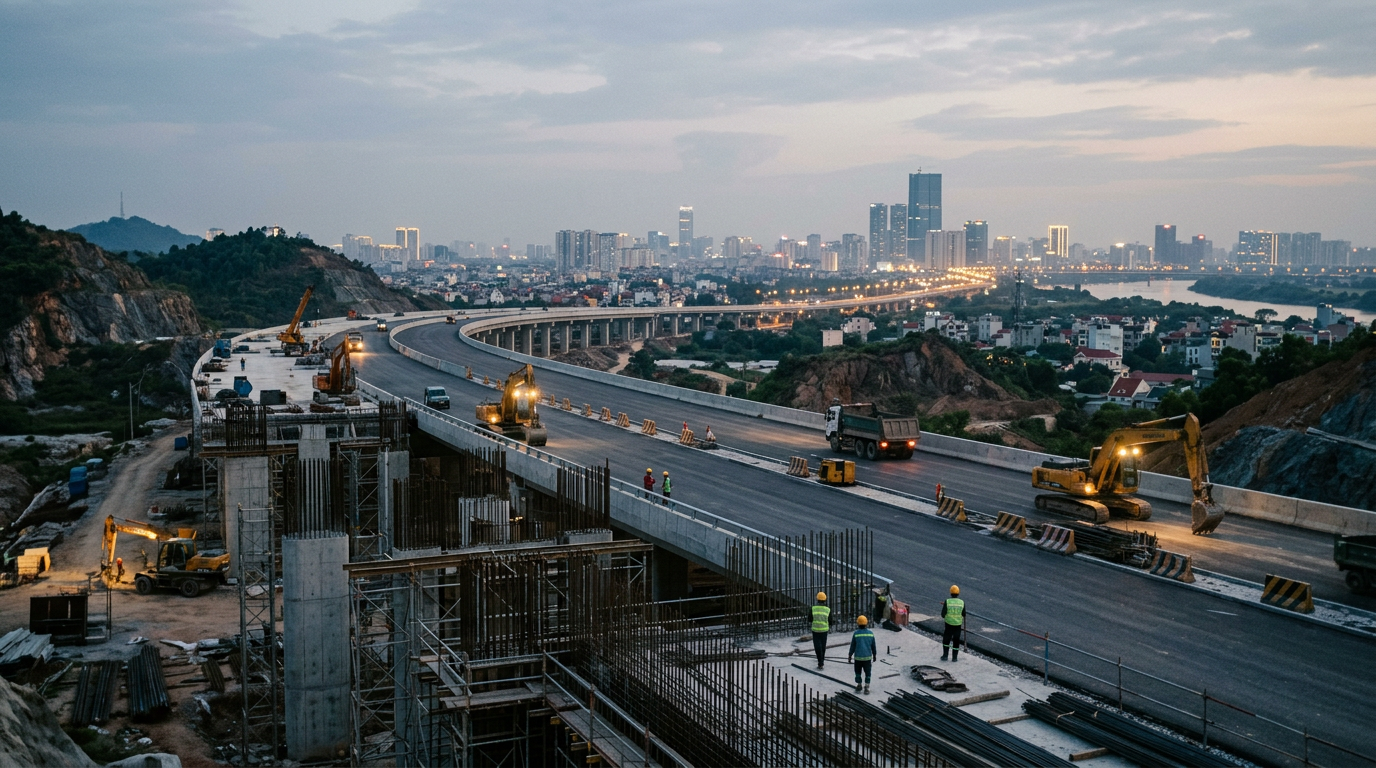 Vietnam
's Infrastructure Push Tests State Capacity
Hanoi is looking for new ways to fund its ambitious expressway buildout. Execution will be a test of institutional reliability.
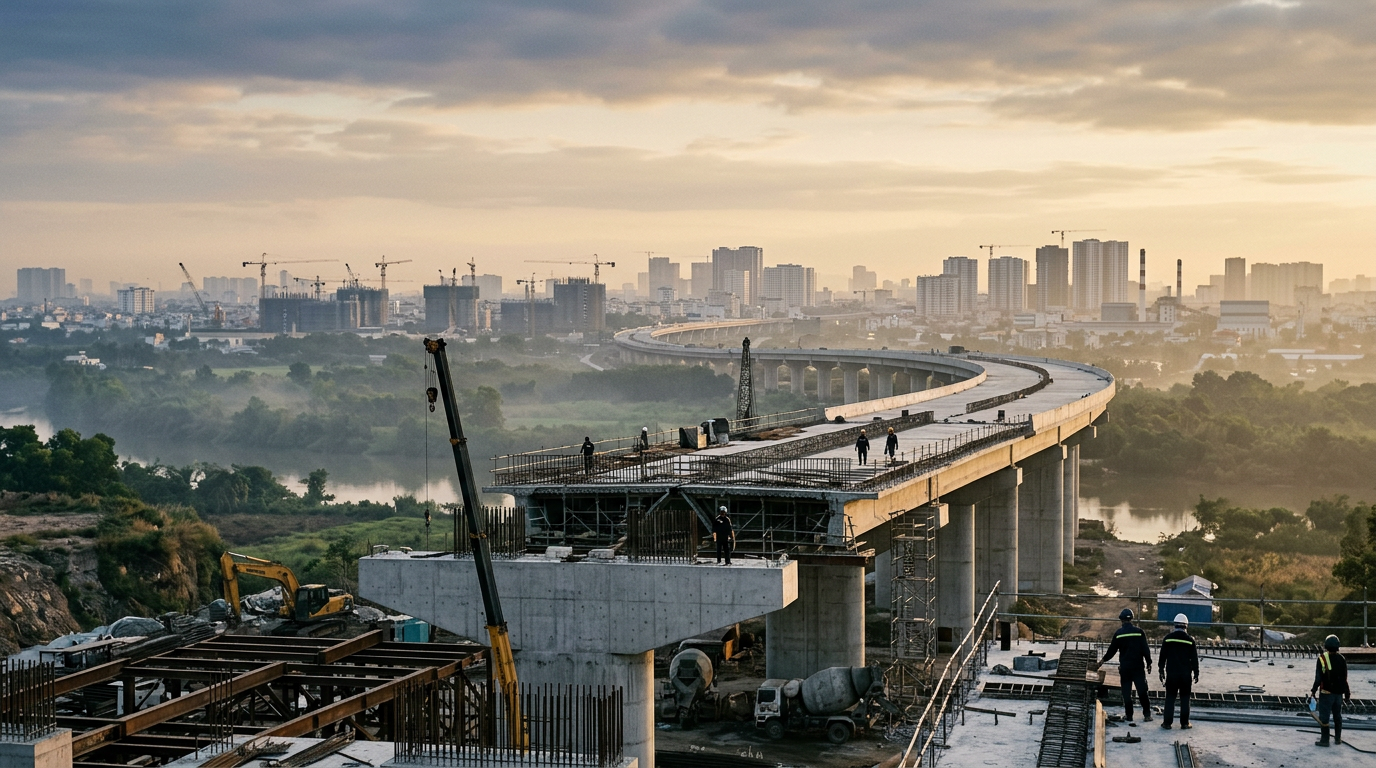 Vietnam
's Expressway Push Tests its State Capacity
Hanoi wants to double the length of its expressway network by 2030, but mobilizing private capital is proving a hard test of institutional reliability.
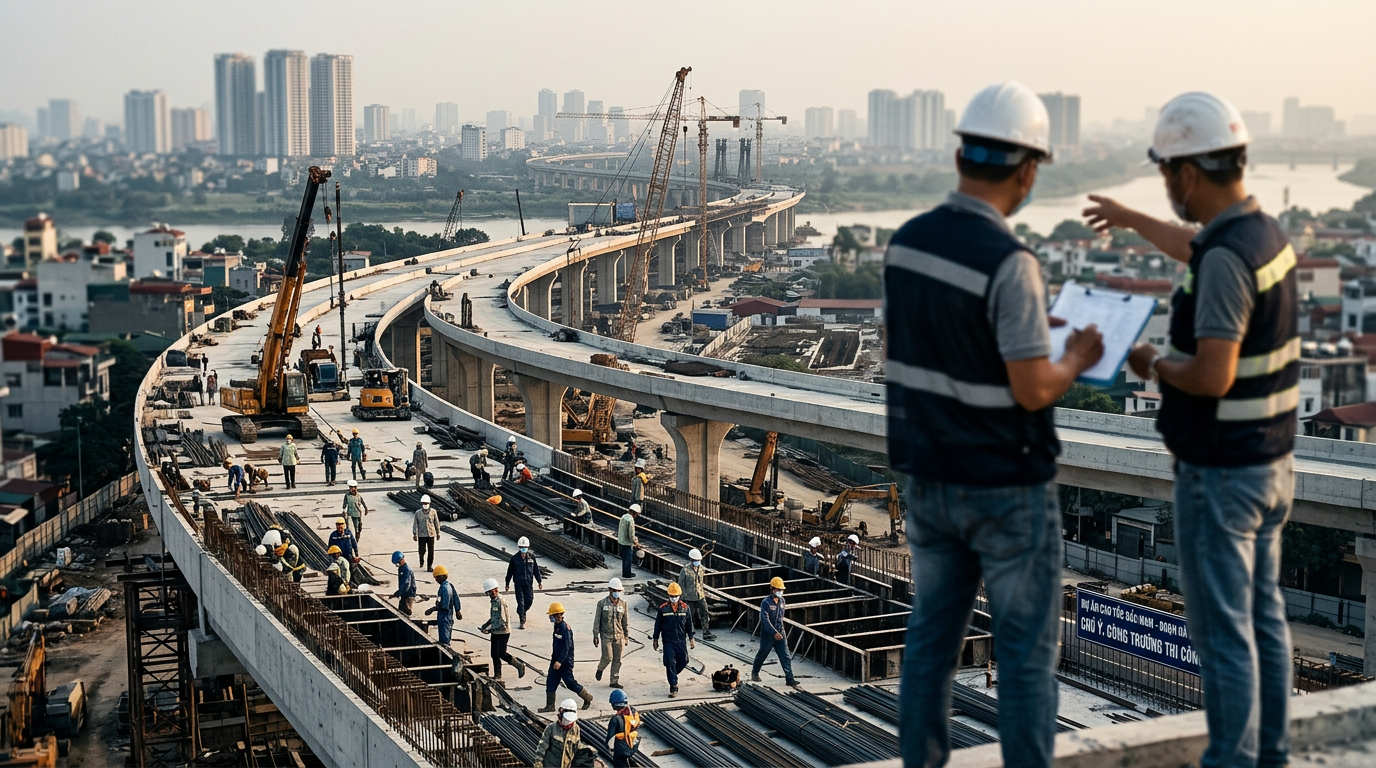 Vietnam
's Infrastructure Push Tests its Institutions
Hanoi is trying to bring more private capital into its ambitious expressway buildout. The real test is not in the announcement, but in the execution and the reliability of the institutions that oversee these complex projects.
 Thailand
 Bets on Bioenergy to Bolster Energy Security
Thailand plans to elevate bioenergy in its new Power Development Plan, but turning strategy into reality will depend on institutional capacity and execution.

 Singapore
, AI, and the Value of a Usable State
Singapore has an opportunity to position itself as a critical node in robotics and adjacent industries, preparing for the future of AI and its physical manifestations.
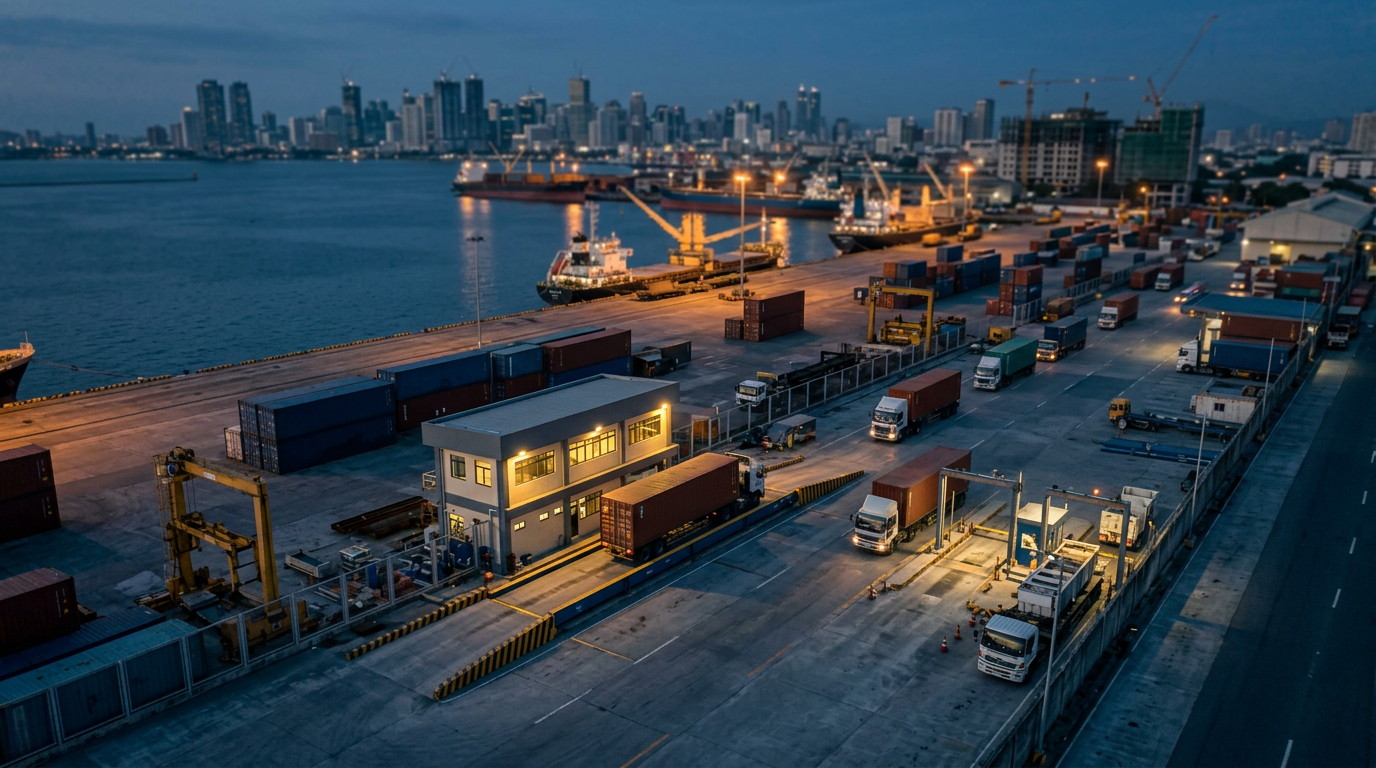
 Philippines
The Quiet Work of ASEAN Integration
The recent regional training on smart weighing systems is a small but telling example of how ASEAN is building the institutional capacity needed for a truly integrated economic community.
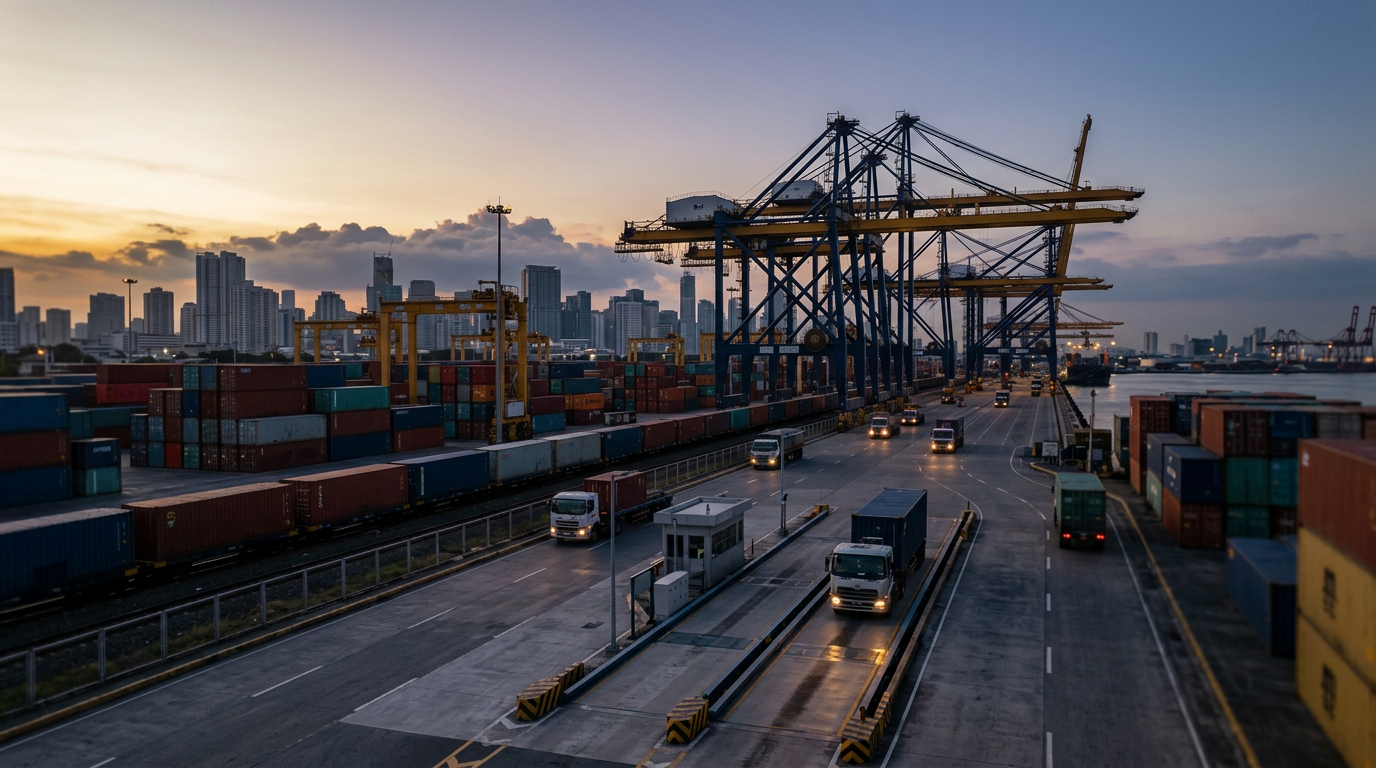 Philippines
The Quiet Work of ASEAN Integration
A recent ASEAN training on smart weighing systems shows how the bloc is quietly building the institutional capacity needed for a truly integrated market.
 Philippines
Manila's Cruise Port Plan and the Value of a Usable State
A planned P5-billion cruise port in Manila highlights the difference between announcing infrastructure and delivering it, a core theme in ASEAN's development.
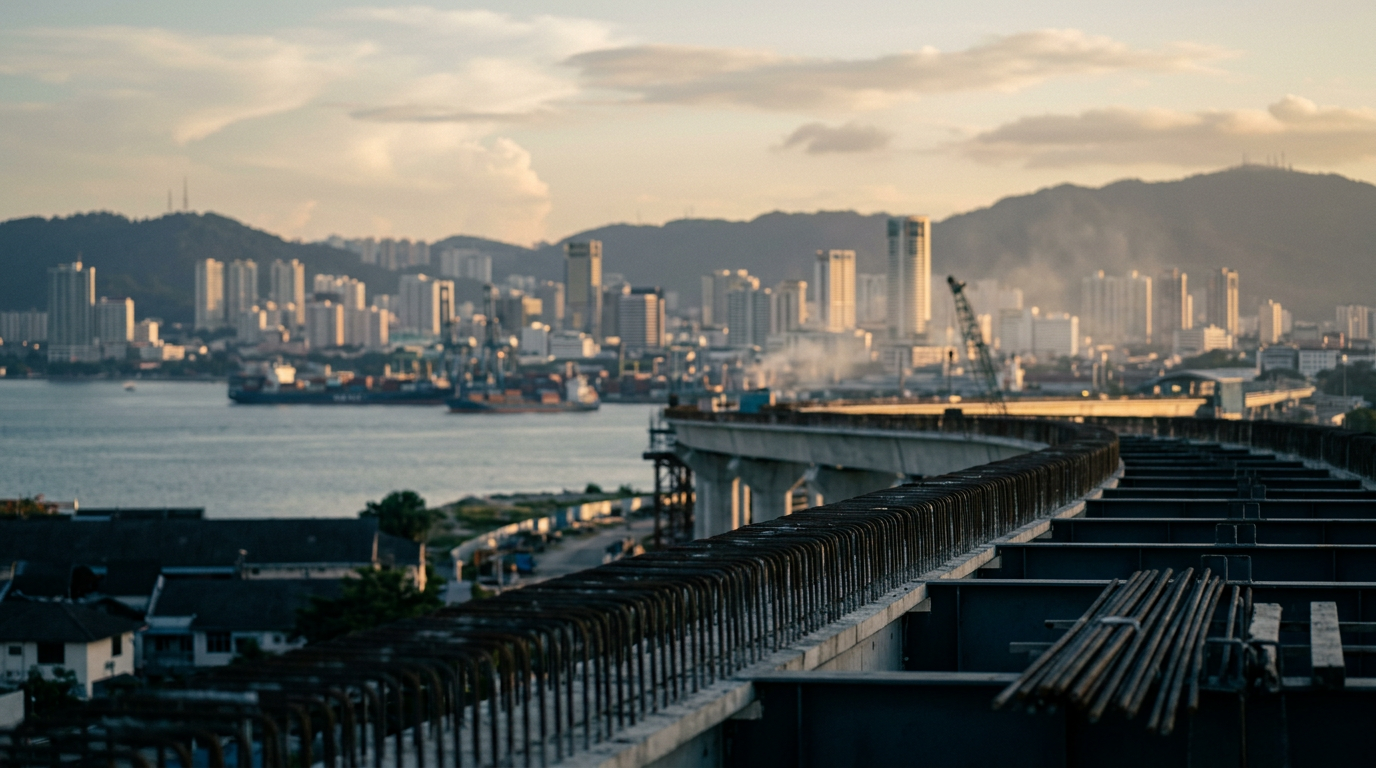
 Malaysia
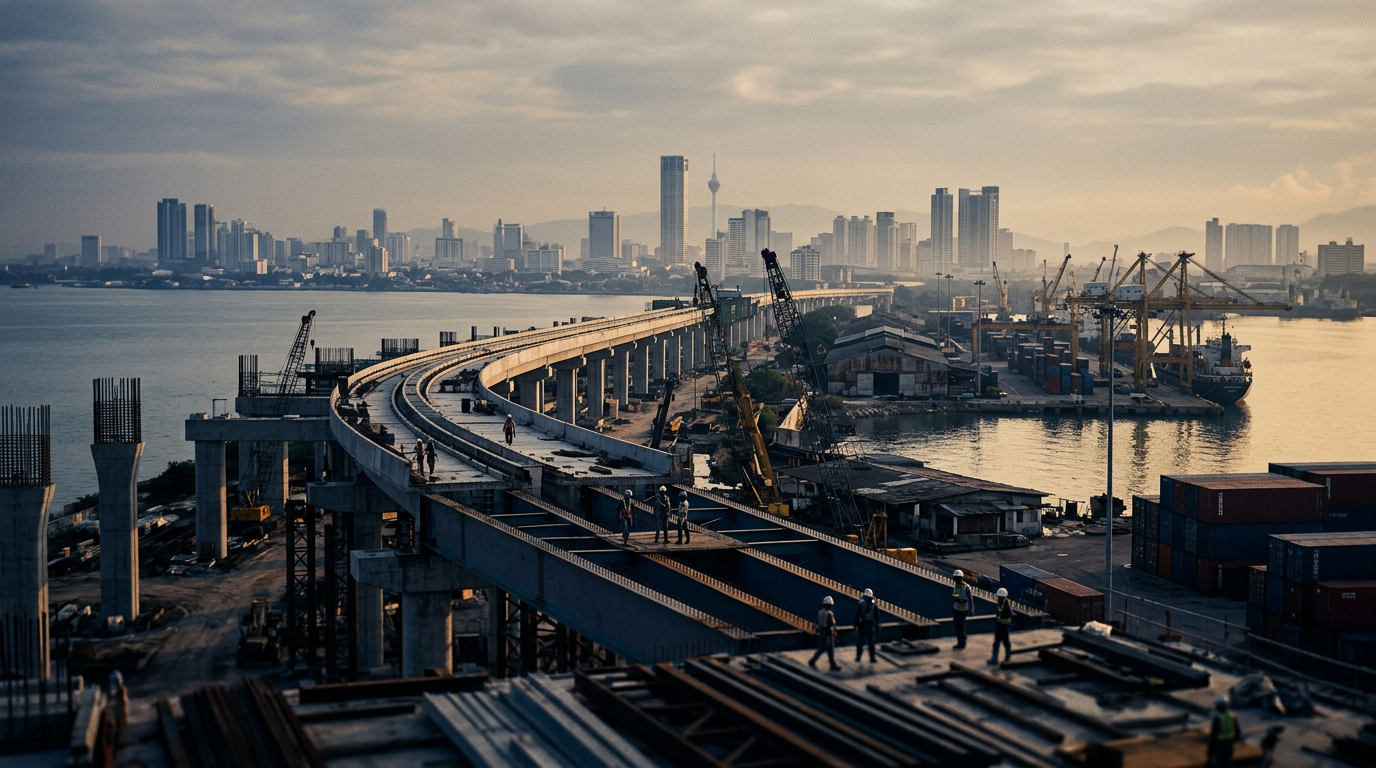
Penang LRT Signals a New Phase in Malaysia's Infrastructure Push
Penang's new LRT Mutiara Line shows how Malaysia is moving to execute complex transport projects. Institutional capacity, not just vision, is the core of the challenge.
 Malaysia
Penang
Penang's Mutiara Line is a case study in the long, difficult work of building the infrastructure that underpins a modern economy. The friction is the point.
 Malaysia
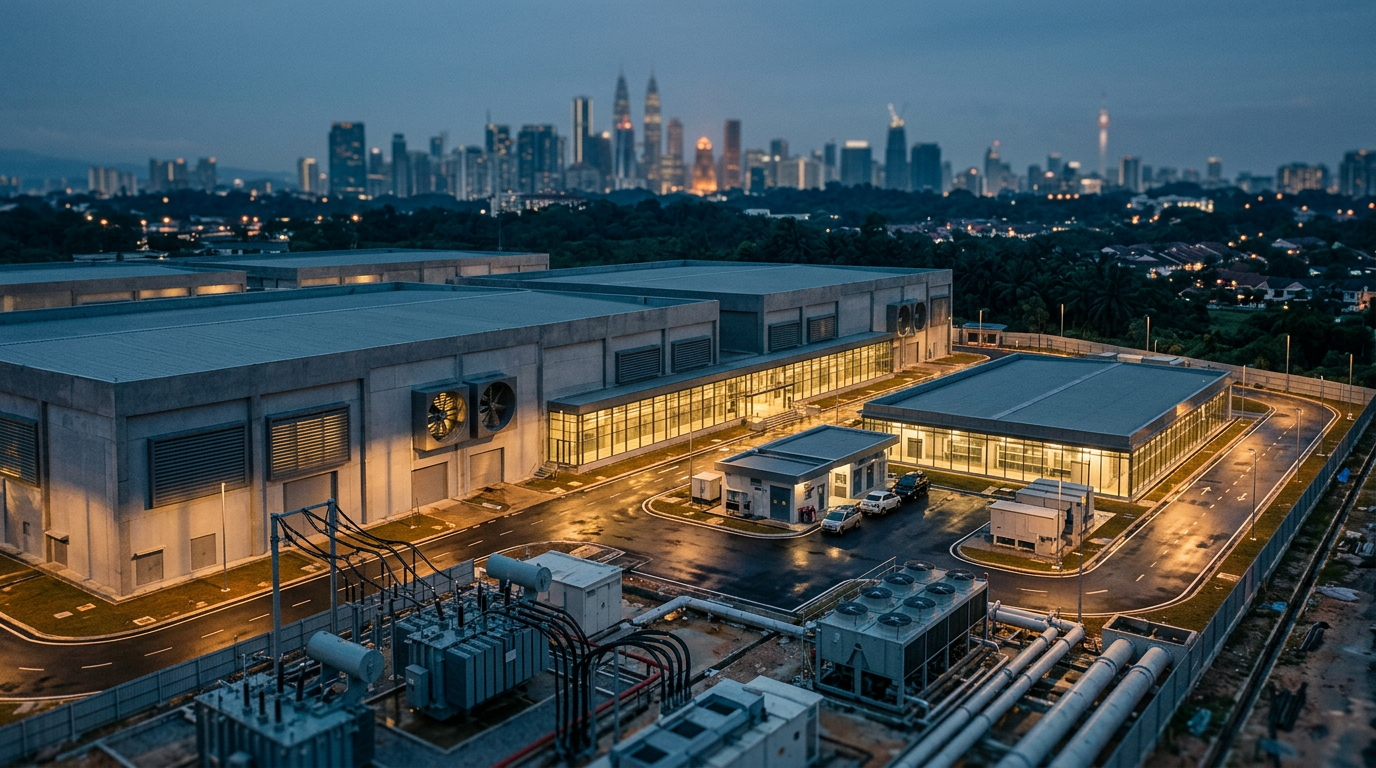
's Data Centre Boom Tests Its Foundations
Malaysia is attracting record FDI in data centres. Execution on land, power, and talent will determine if this translates into sustained growth.
 Malaysia
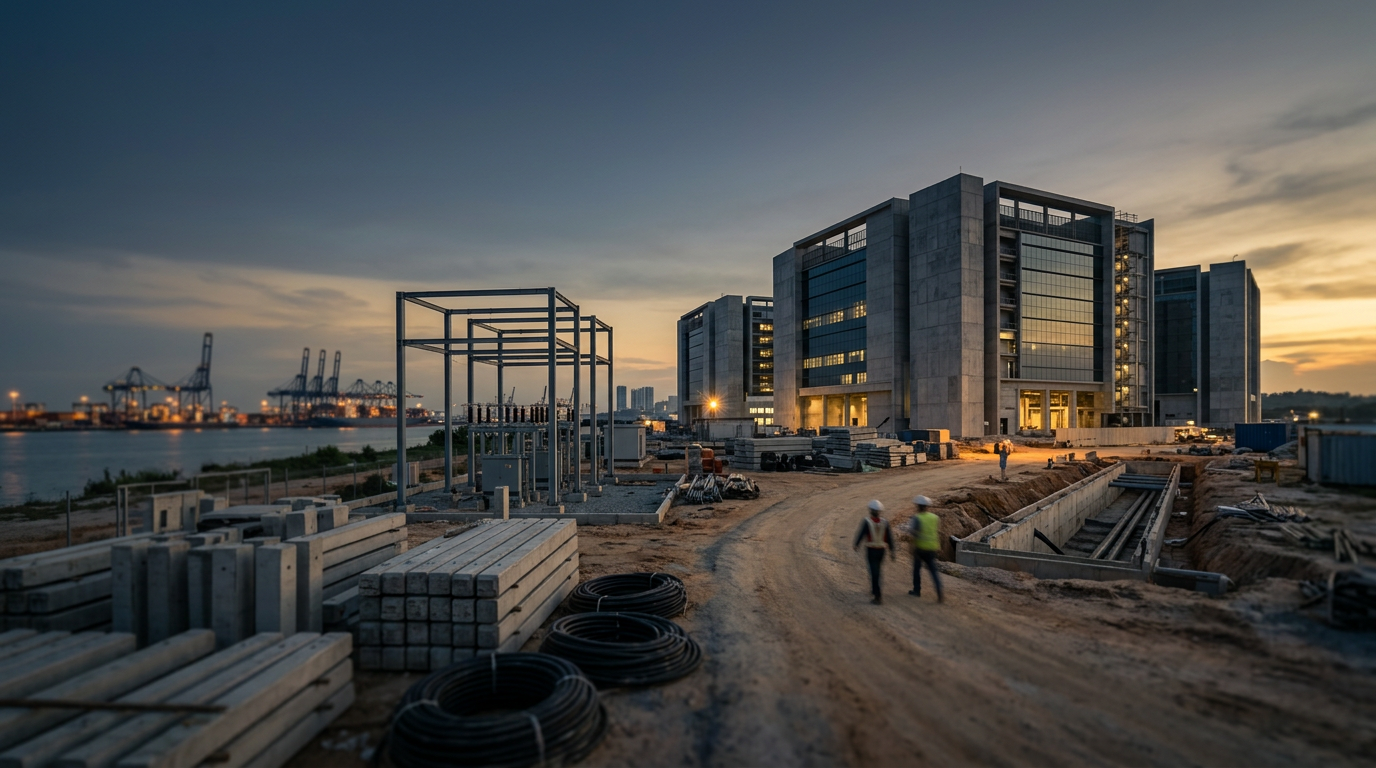
's Data Centre Boom Tests Its Foundations
Malaysia's data centre boom is attracting significant foreign investment. But growth depends on the slower work of land, permits, power and talent.
 Singapore
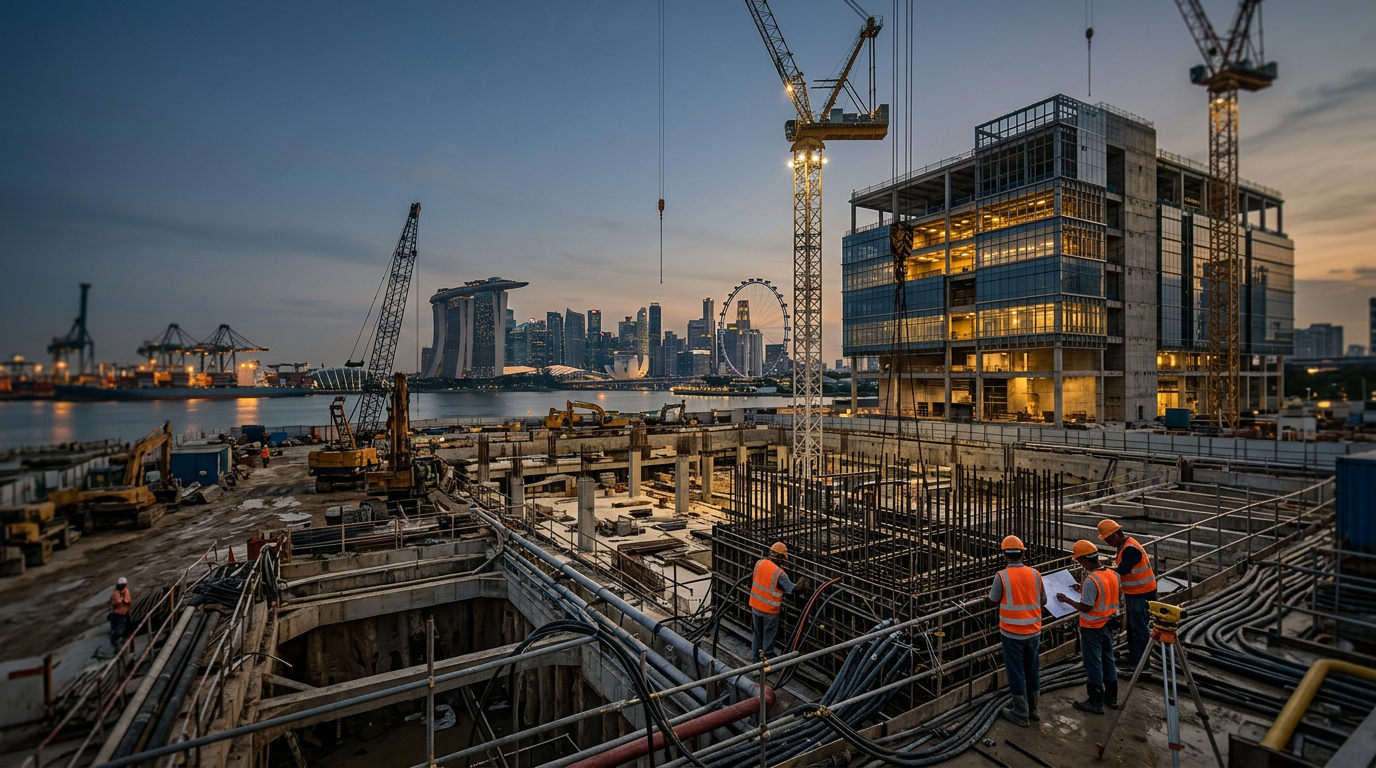
Foreign Capital and Local Execution in ASEAN
A high-profile Singapore property deal is a useful reminder that foreign investment depends on the slower work of land, permits, power, and talent.
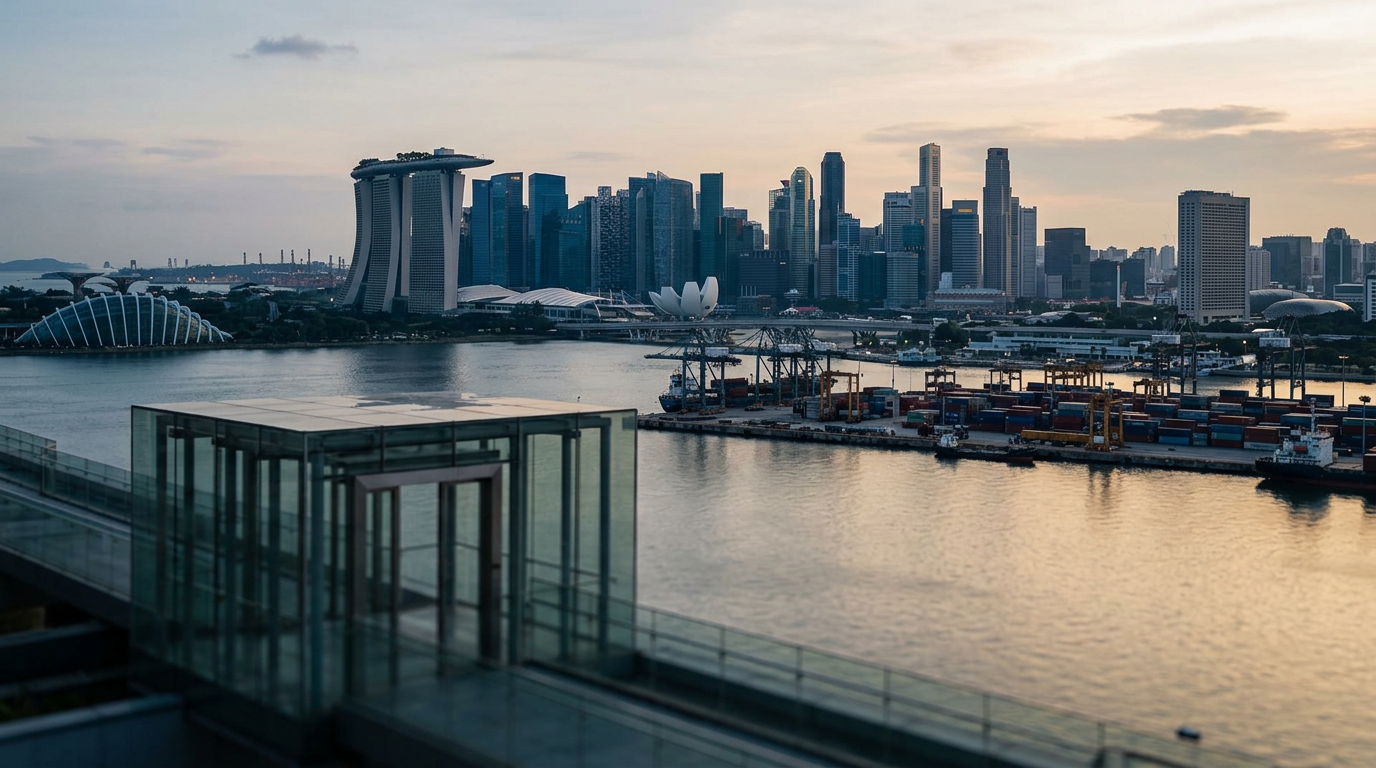 Singapore
, Not Just One City
Can Singapore's model for institutional excellence be replicated or extended? The city-state's role as a platform for regional investment is well-established, but its next phase of growth may depend on deeper integration with its neighbours.
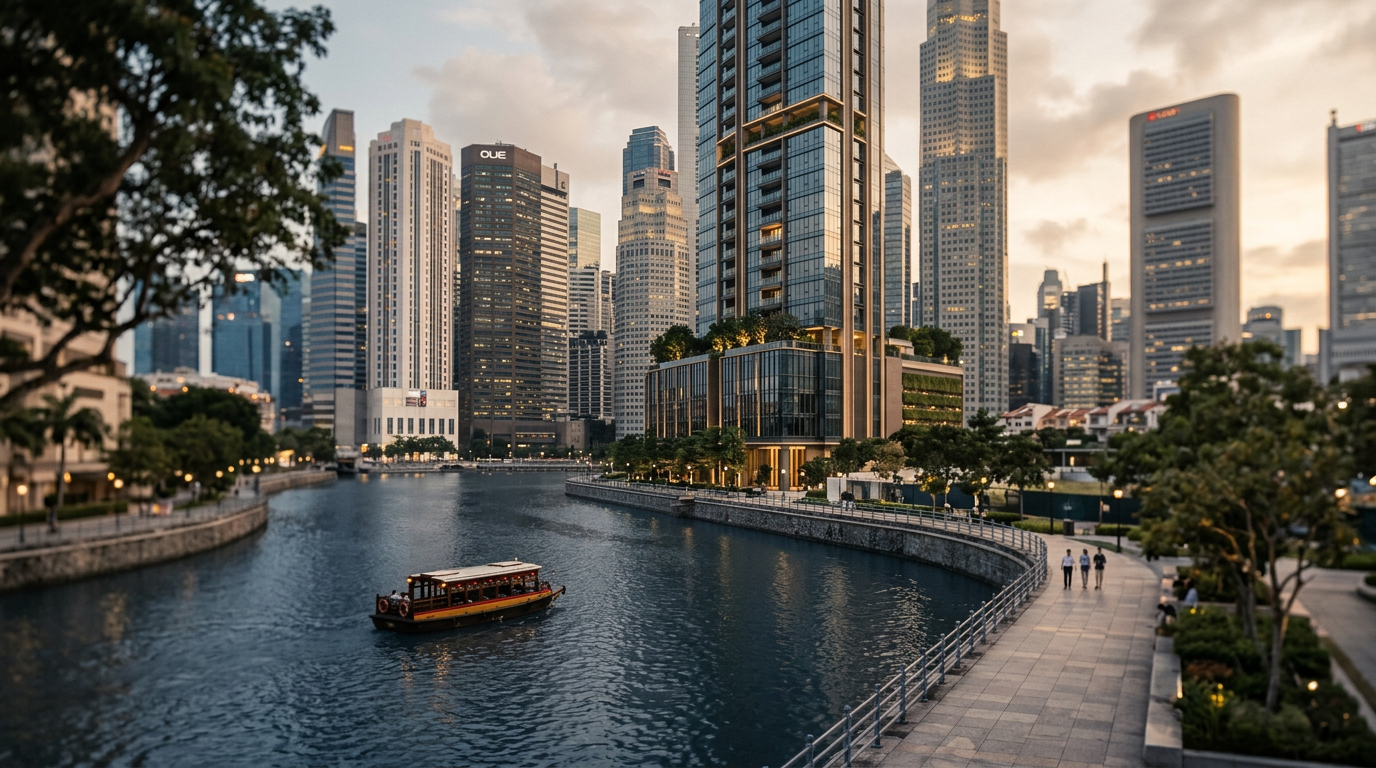 Singapore
, the Enduring Hub for ASEAN Capital
Foreign investment announcements travel fast. Realised projects depend on the slower work of execution. A new luxury development on the Singapore River shows how the city-state still leads the region in turning plans into reality.
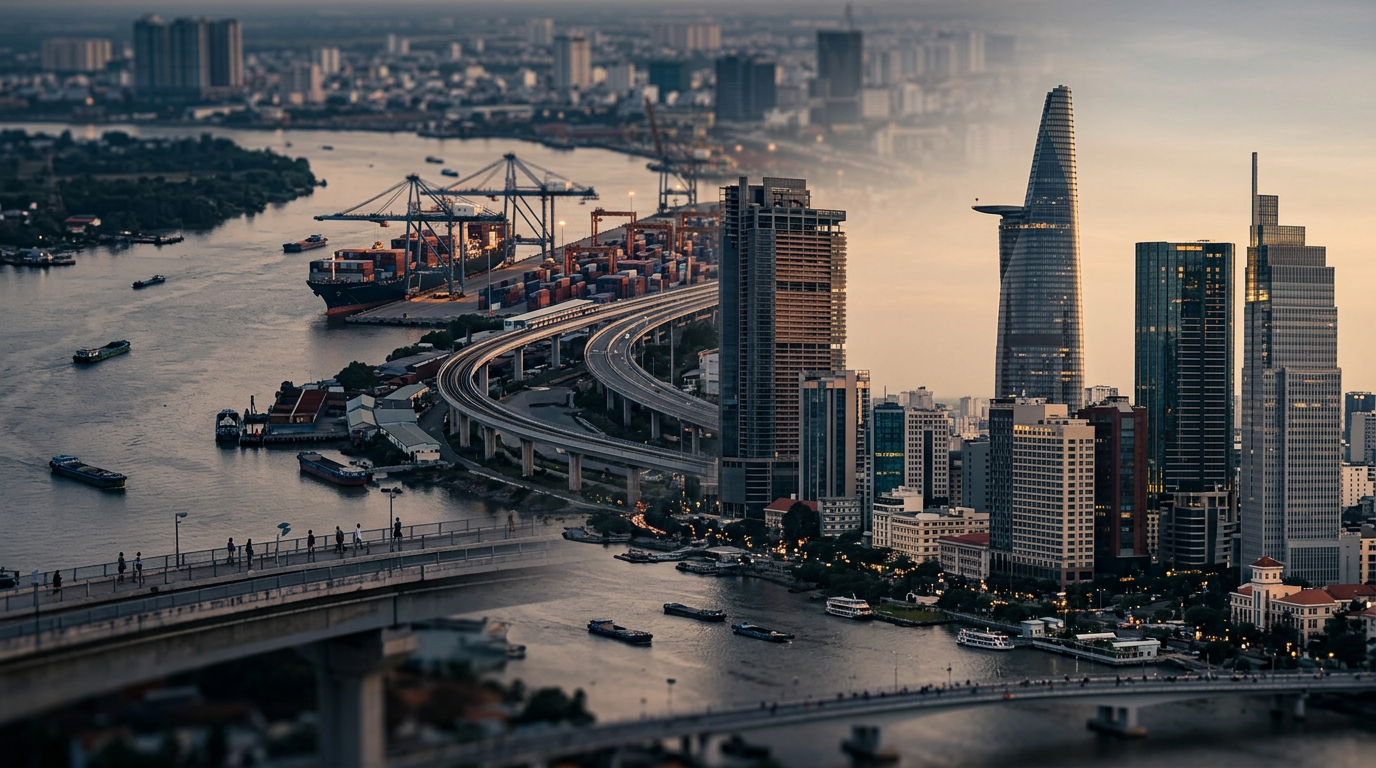 Vietnam
's Growing Wealth and the Test of Institutions
While Vietnam's rising number of wealthy individuals is a sign of economic dynamism, the country's ability to translate this wealth into broad-based, sustainable development will depend on the strength of its institutions.
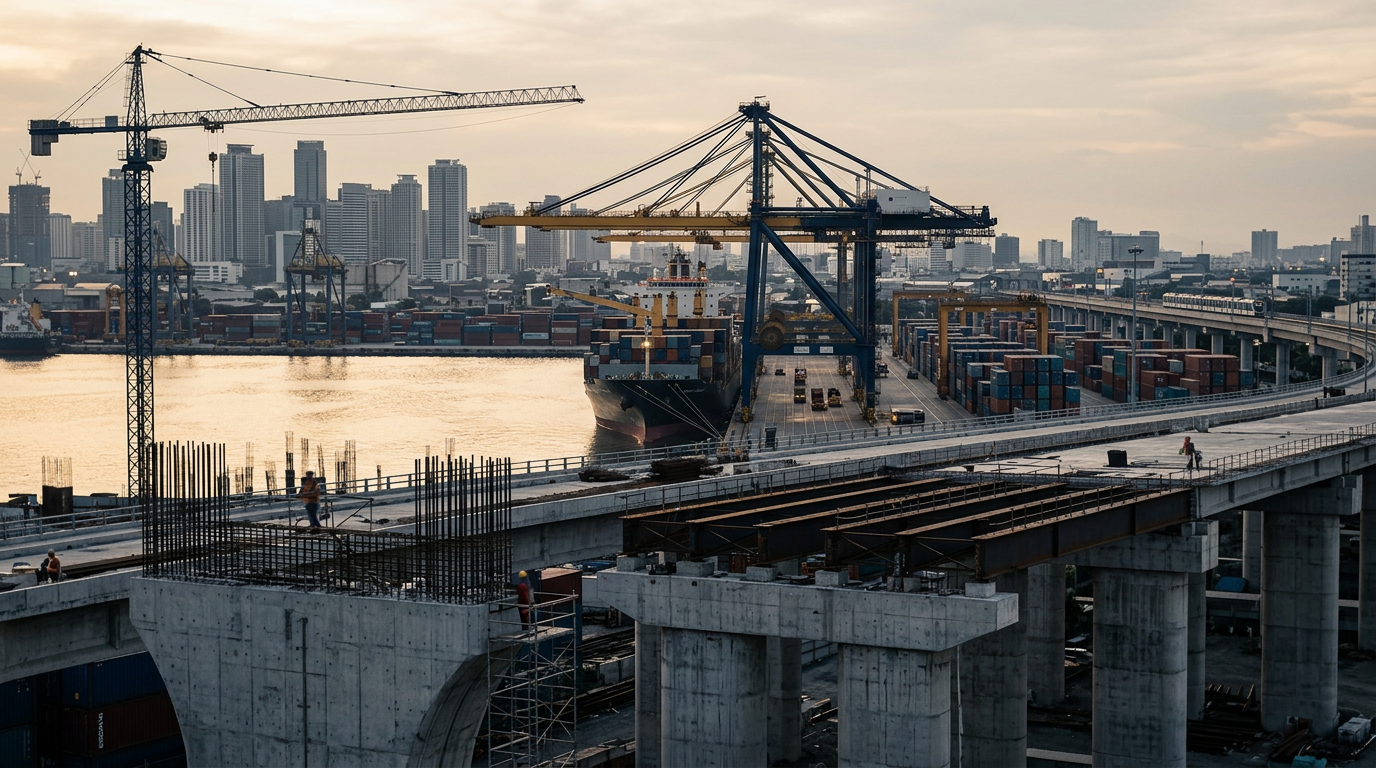 Philippines
The Philippines: Bank Credit, State Capacity, and the Cost of Friction
A usable state is often more valuable than an exciting one. Infrastructure that arrives on time signals more than infrastructure that is merely announced.
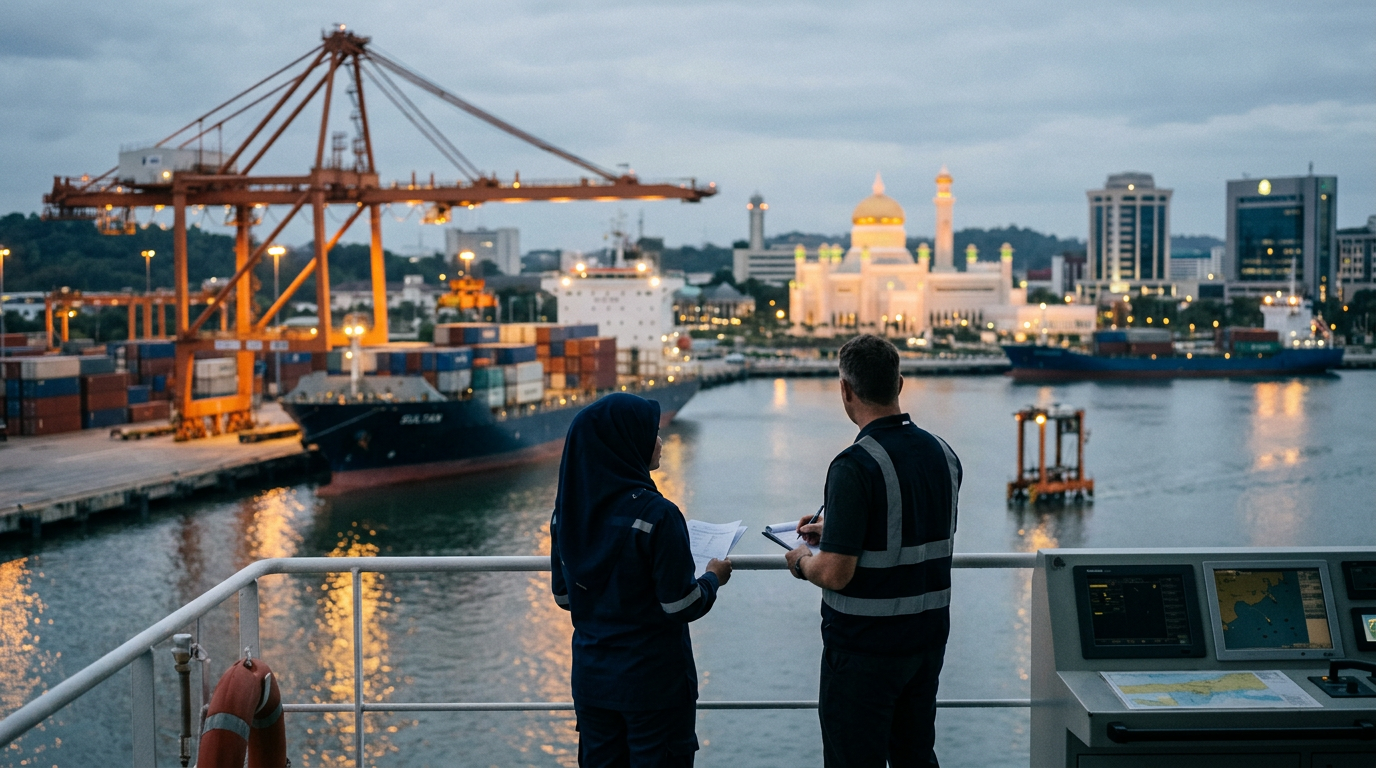
 Brunei
ASEAN and Australia: A Partnership Built on Practical Cooperation
The recent interview with ASEAN's Secretary-General highlights a partnership with Australia that is less about grand pronouncements and more about the steady, practical work of building institutions and delivering on commitments.
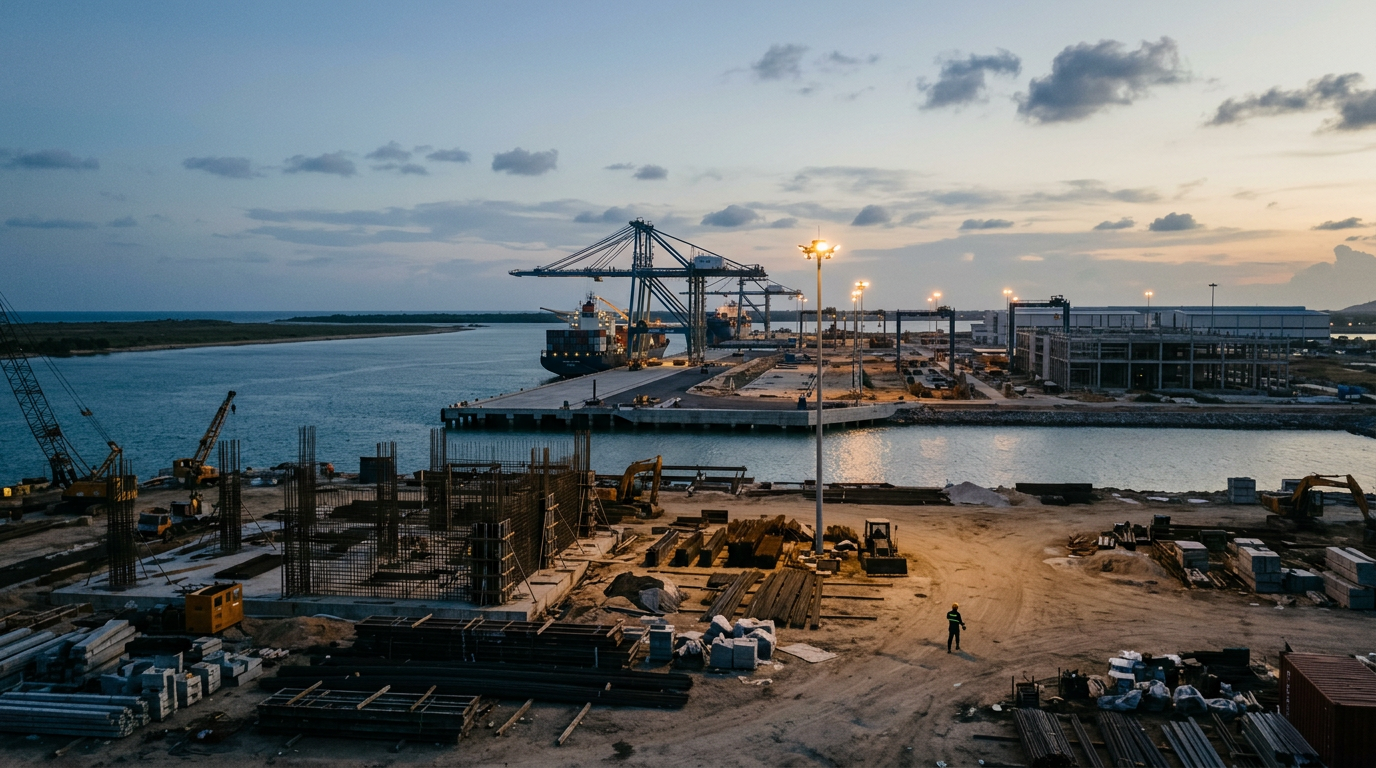 Vietnam
The Hard Work of ASEAN Biodiversity
High-level statements on biodiversity are easy. The execution is not. ASEAN needs more than summits to protect its natural capital.
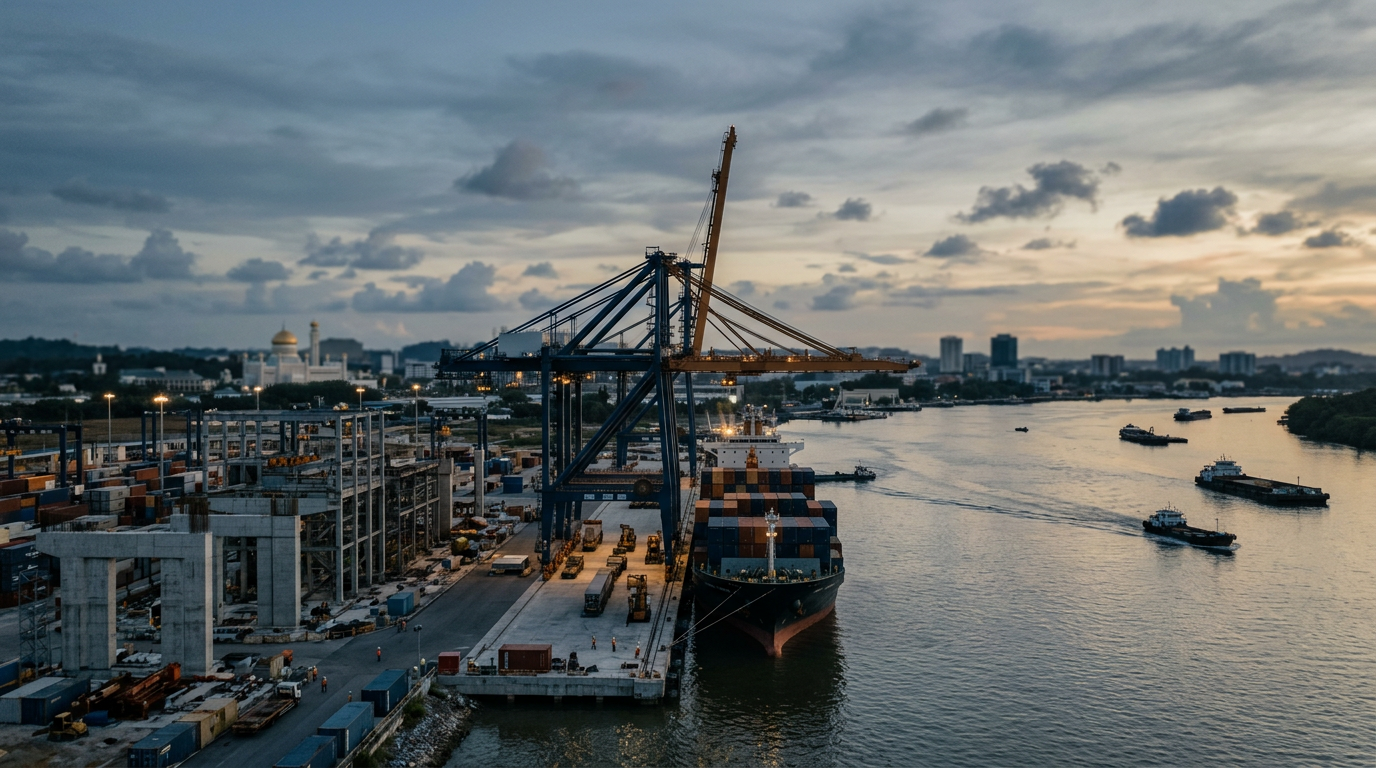 Brunei
ASEAN and Australia: Beyond Announcements
The recent ASEAN-Australia summit highlights a persistent theme in regional development: the gap between stated intentions and on-the-ground execution. For ASEAN, turning high-level agreements into tangible infrastructure and economic integration is the core task.
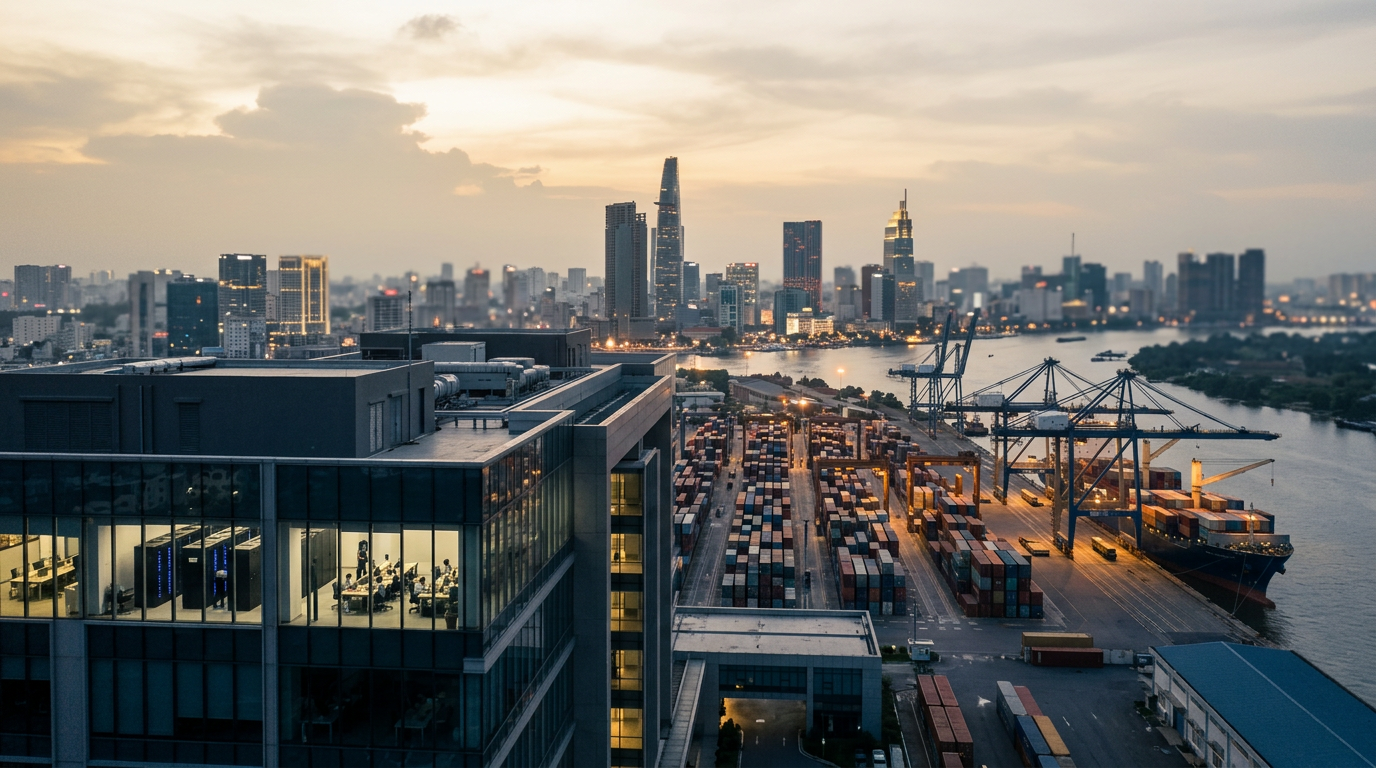 Vietnam
ASEAN Biodiversity Action and the Science of State Capacity
The ASEAN Centre for Biodiversity demonstrates the concrete benefits of institutional capacity. Reliable execution is a form of comparative advantage.
 Vietnam
The Hard Work of ASEAN Biodiversity
High-level statements on biodiversity are easy to make. The hard work is in the execution, which demands institutional capacity and follow-through.
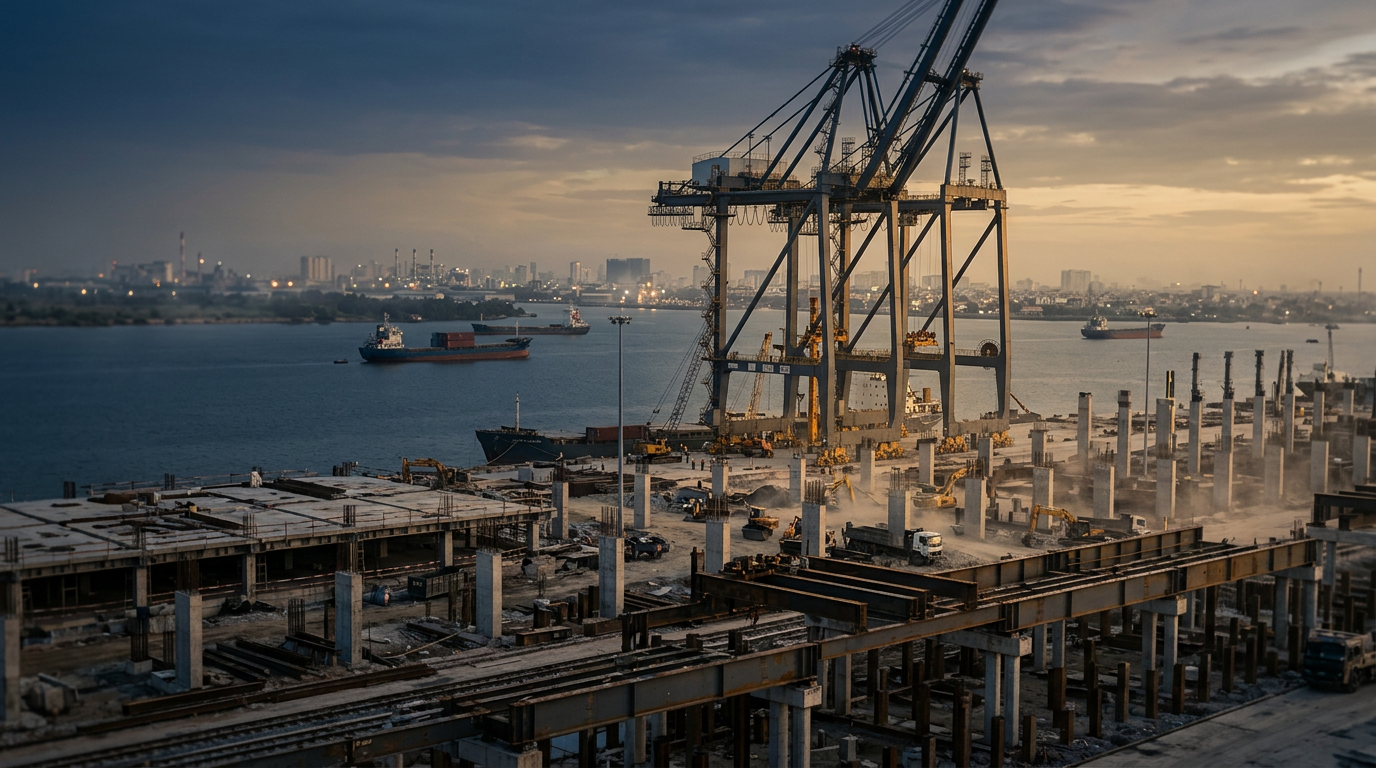 Vietnam
The Hard Work of ASEAN Biodiversity
ASEAN's biodiversity goals depend on more than high-level commitments. The region's success will be determined by the patient work of building institutional capacity and delivering reliable infrastructure.
 Vietnam
ASEAN Biodiversity Action and the Reliability Test
The ASEAN Centre for Biodiversity is a good first step, but the real measure of success is institutional reliability and consistent execution.
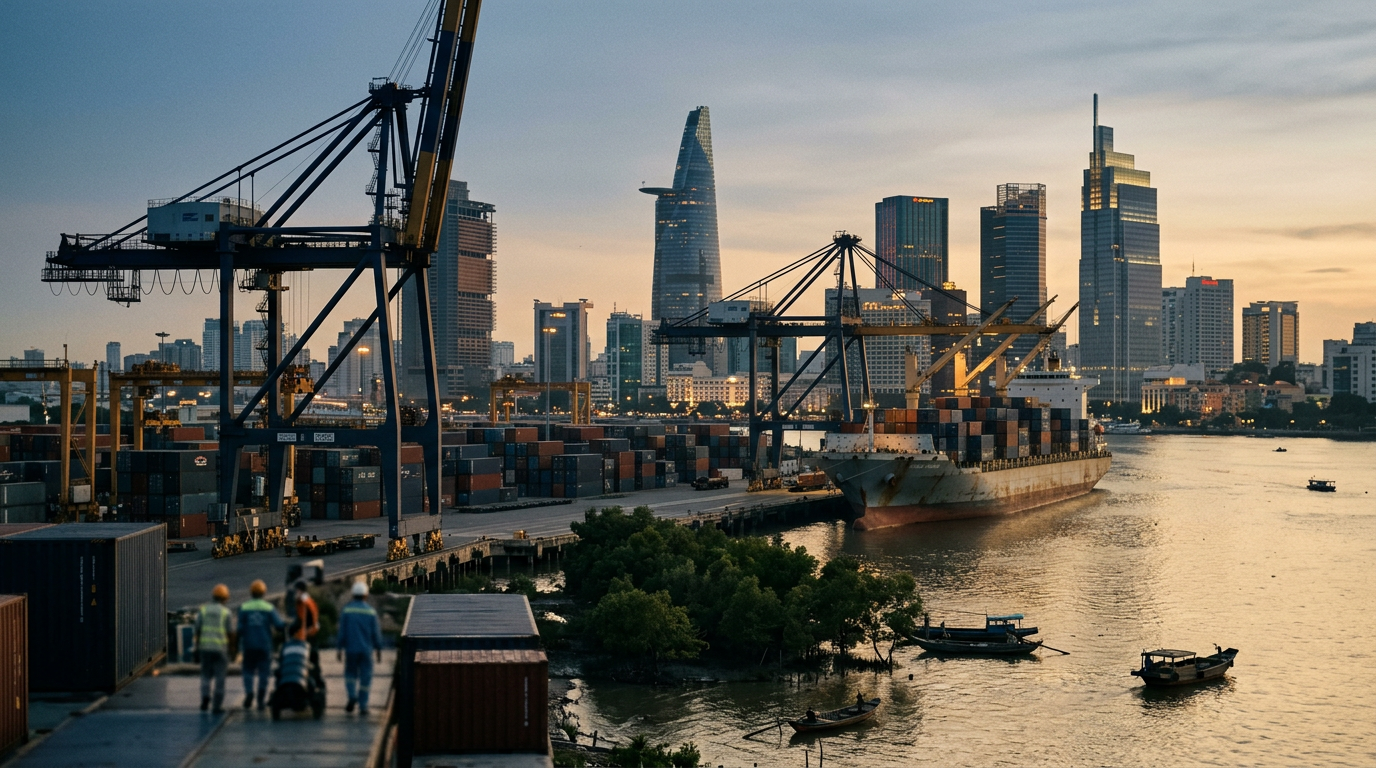 Vietnam
ASEAN Biodiversity Action and the Usable State
ASEAN biodiversity initiatives are a case study in the gap between high-level pronouncements and the institutional capacity required for execution.
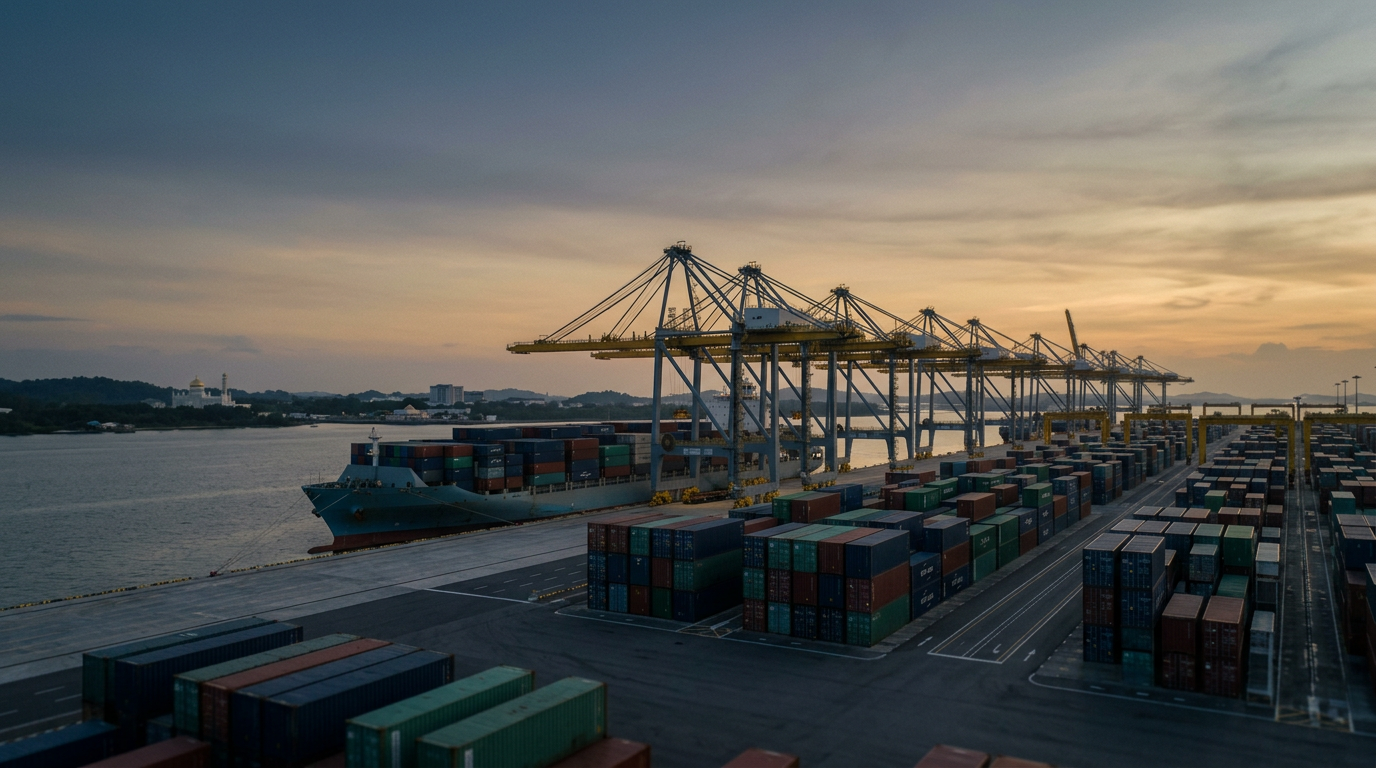 Brunei
The Quiet Signal of Infrastructure That Arrives On Time
Institutional reliability has become part of comparative advantage. A usable state is often more valuable than an exciting one.
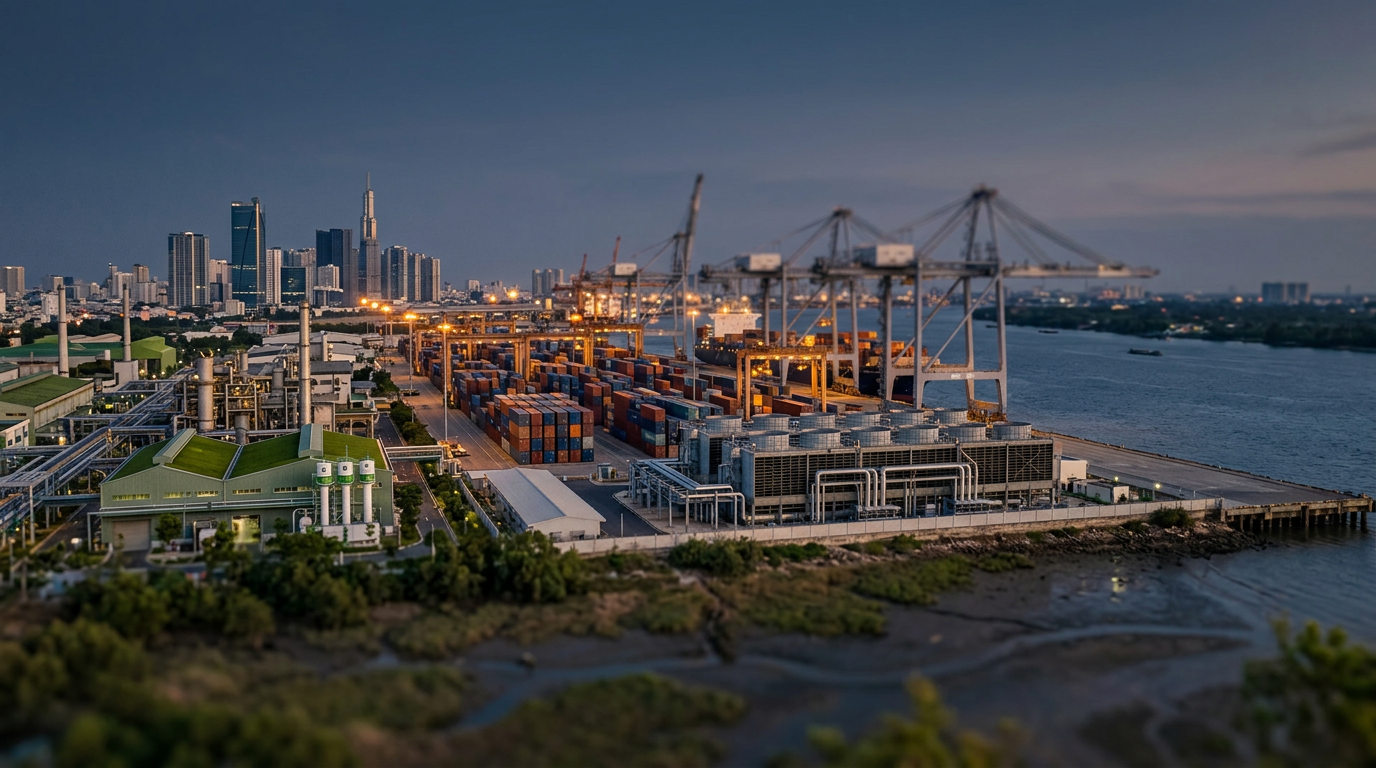 Vietnam
The Hard Work of ASEAN Biodiversity
Translating high-level biodiversity commitments into concrete action requires robust institutional capacity and a focus on execution, a theme central to sustainable development as outlined in "ASEAN Rising".
 Thailand
The Quiet Signal of Infrastructure That Arrives On Time
In Southeast Asia, the link between reliable state capacity and economic reality is becoming clearer. Infrastructure that is delivered on time signals more than just project completion; it is a direct indicator of institutional reliability and a foundation for durable growth.
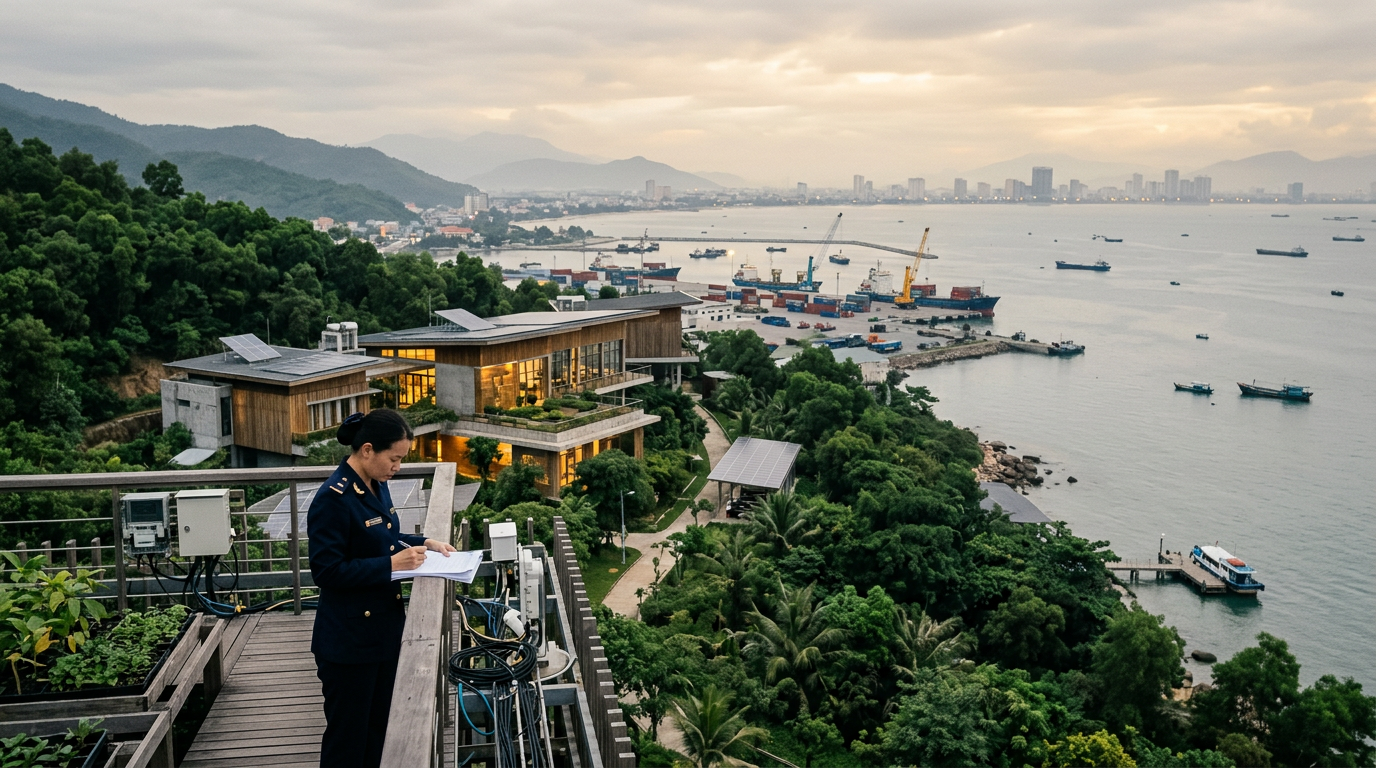 Vietnam
ASEAN Biodiversity: From Words to Action
Translating high-level commitments on biodiversity into tangible results requires a focus on institutional execution and state capacity. ASEAN has a framework, but its effectiveness depends on what happens after the speeches.
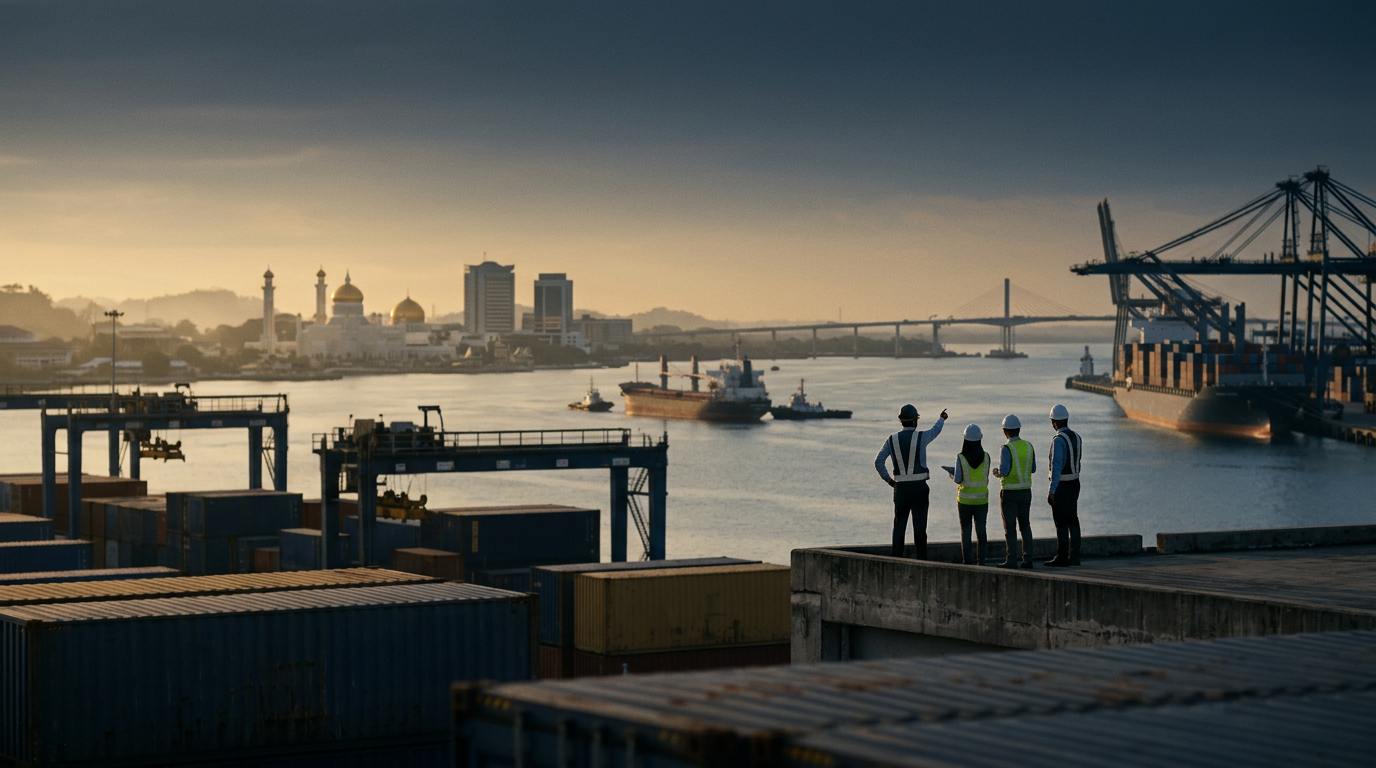 Brunei
ASEAN-Australia: The Quiet Power of Getting Things Done
As ASEAN and Australia celebrate 50 years of partnership, the focus is shifting from grand announcements to the practical, daily work of building institutions and infrastructure. For investors, a usable state is more valuable than an exciting one.
 Singapore
 Draws Thai Capital for Waterfront Development
A high-profile Singaporean property development backed by Thai capital is a reminder that successful FDI is about more than just announcements; it requires a deep foundation of reliable institutions and tangible assets.
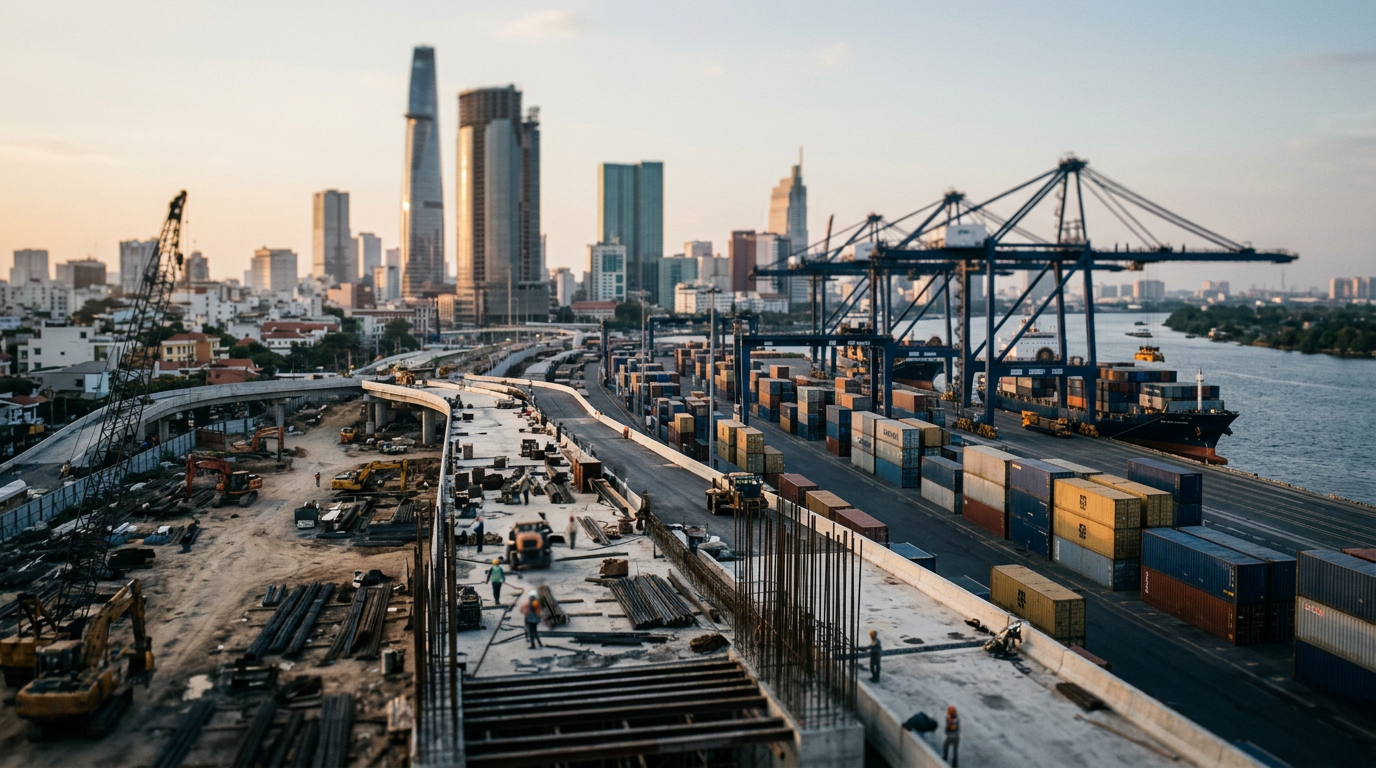 Vietnam
's Growing Wealth and the Test of Institutions
A rising number of ultra-high-net-worth individuals in Vietnam is a positive signal, but sustained economic development depends on translating capital into tangible infrastructure and broad-based opportunities.
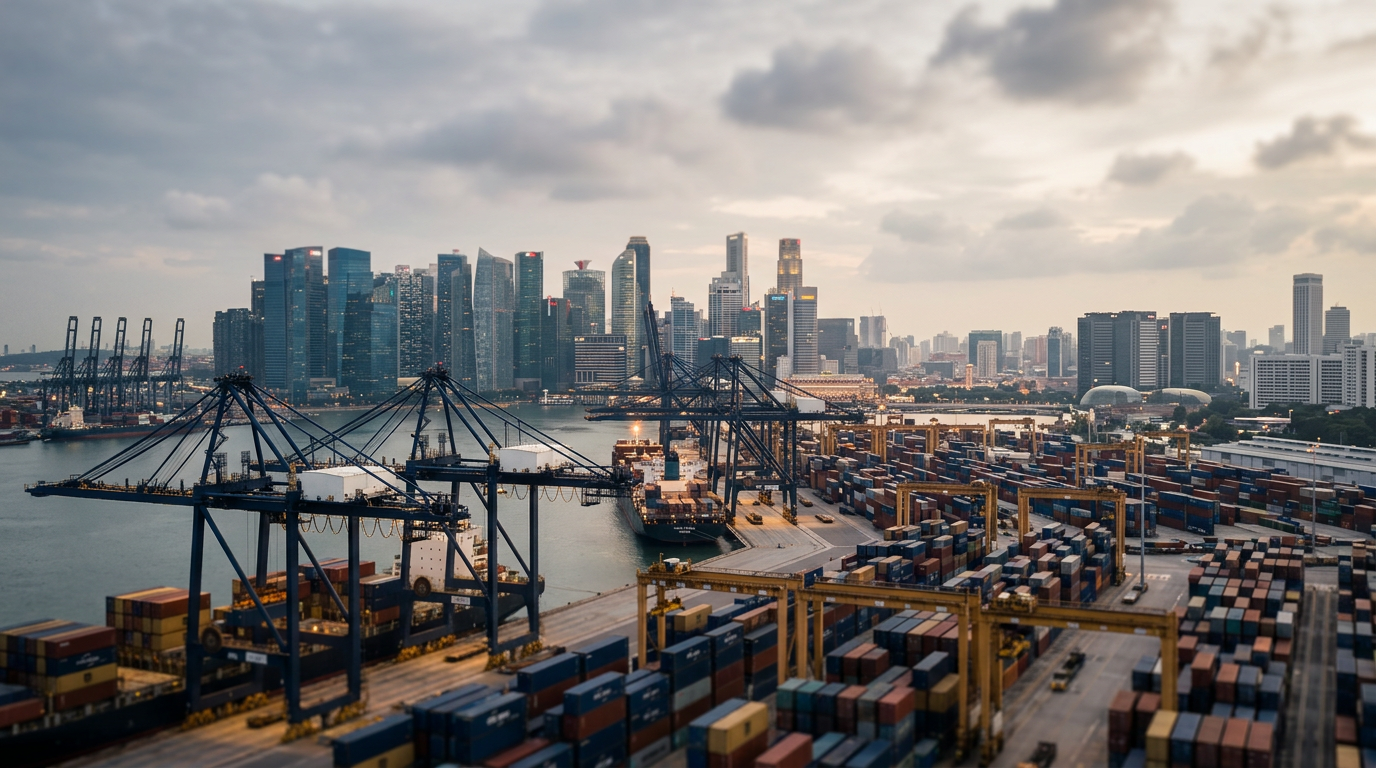 Singapore
, not scale, is still the model for ASEAN FDI
FDI announcements travel quickly. Realised flows depend on the slower work of land, permits, power and talent reaching the ground.
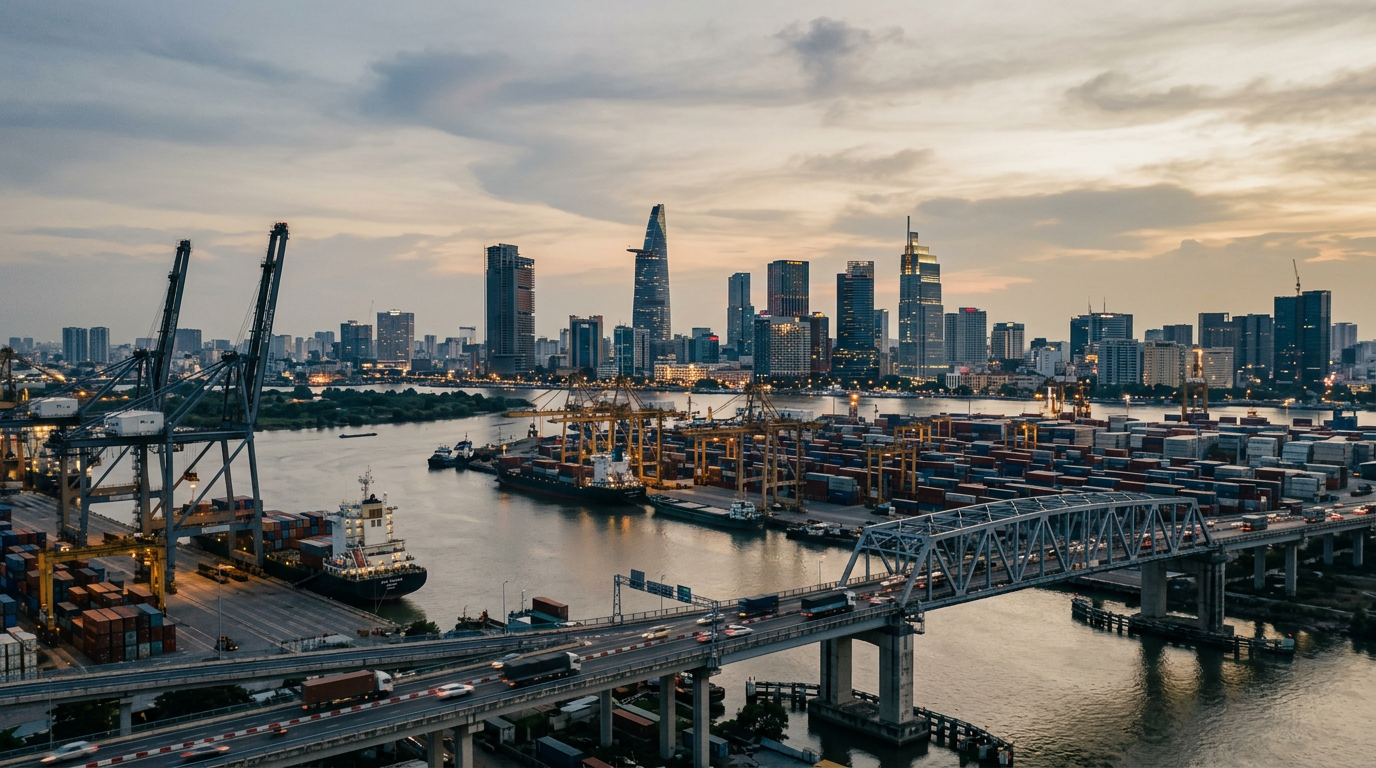 Vietnam
's Growing Wealth and the Test for Institutions
The rapid rise in Vietnam's ultra-high-net-worth population is a signal of its economic dynamism. Yet, this growth story will depend on whether its economic and governance institutions can effectively translate this new capital into broad, sustainable development.
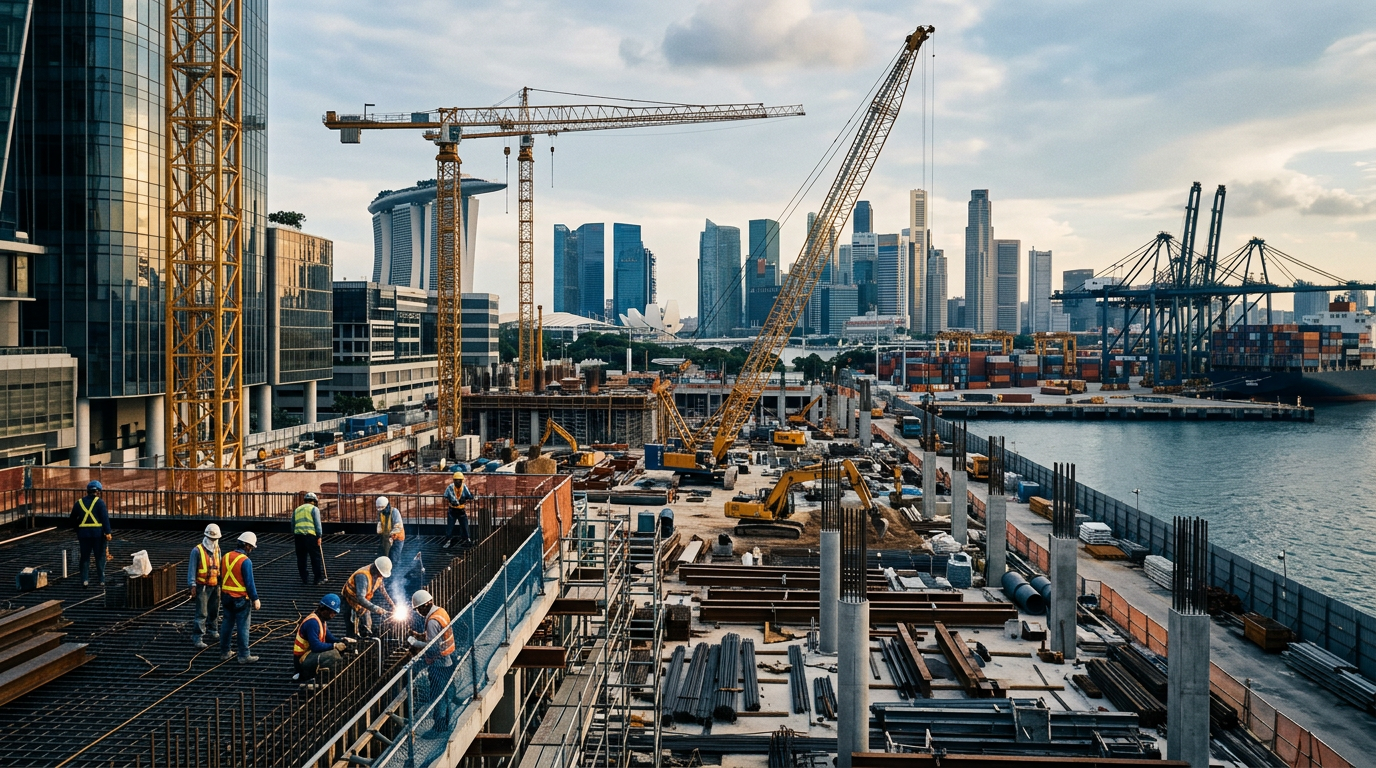 Singapore
Beyond the Deal: FDI and the Hard Work of Building
FDI pledges are only the first step. The real measure of success is turning those announcements into tangible assets through the slower work of improving institutions and developing talent.
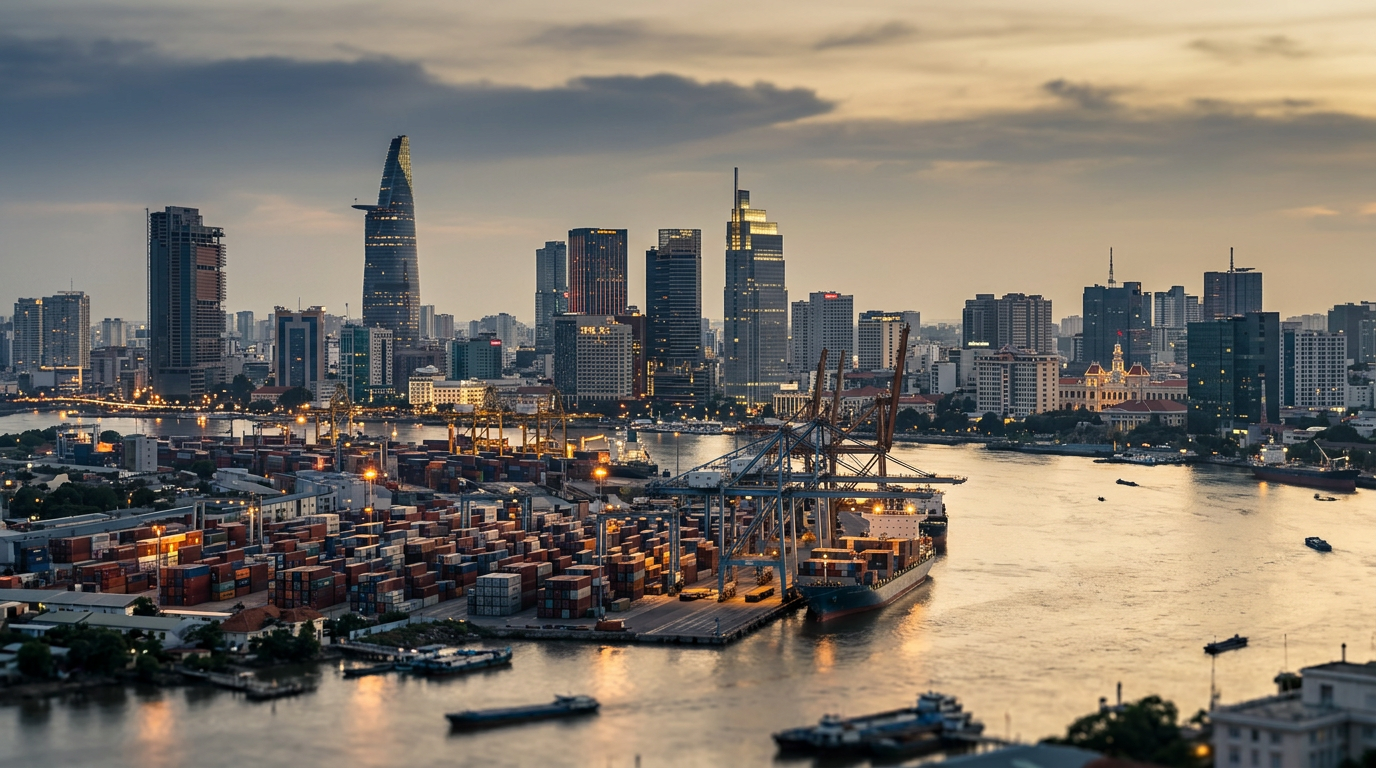 Vietnam
's Growing Wealth and the Test of Institutions
Vietnam's fast-growing number of ultra-rich individuals is a positive economic signal, but translating this wealth into broad-based, sustainable development depends on the strength of its underlying institutions.
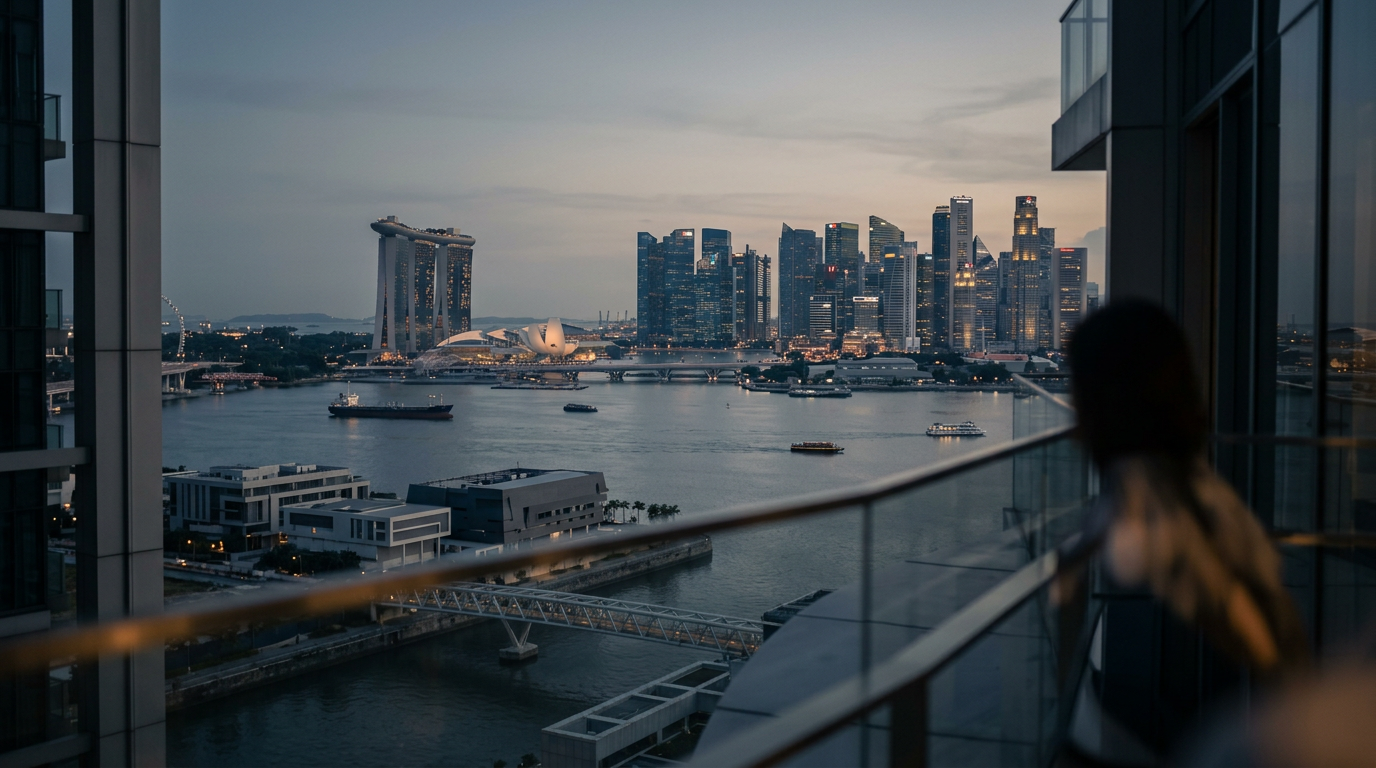 Singapore
: Execution Over Scale
A major property investment by a Thai billionaire in Singapore is a reminder that successful FDI is about more than just market size. Execution, institutions, and trust are what turn announcements into assets.
 Vietnam
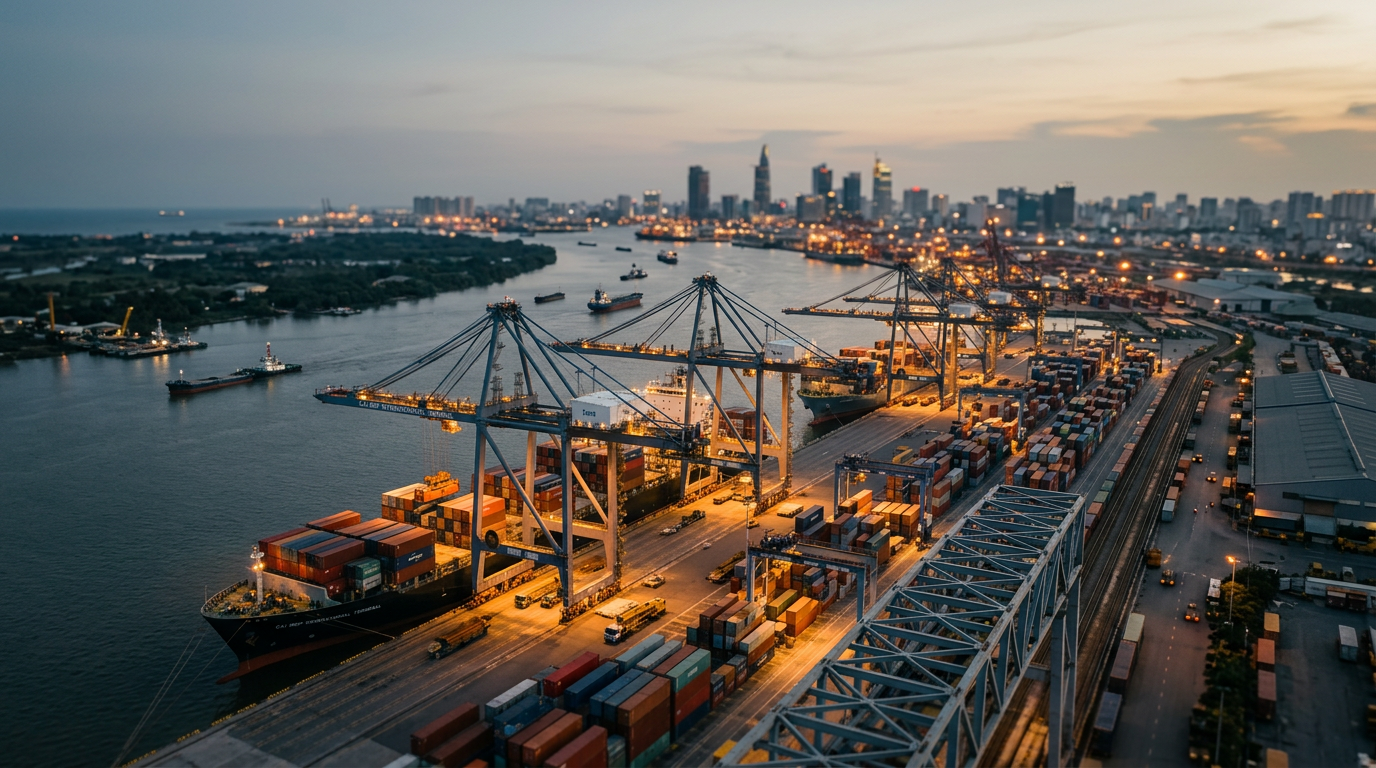
Beyond the Headlines: Translating Vietnam's Wealth Growth into FDI
Vietnam's fast-growing cohort of ultra-rich individuals is a positive signal, but sustained foreign direct investment will depend on the country's ability to build out its institutional and physical infrastructure.
 Singapore
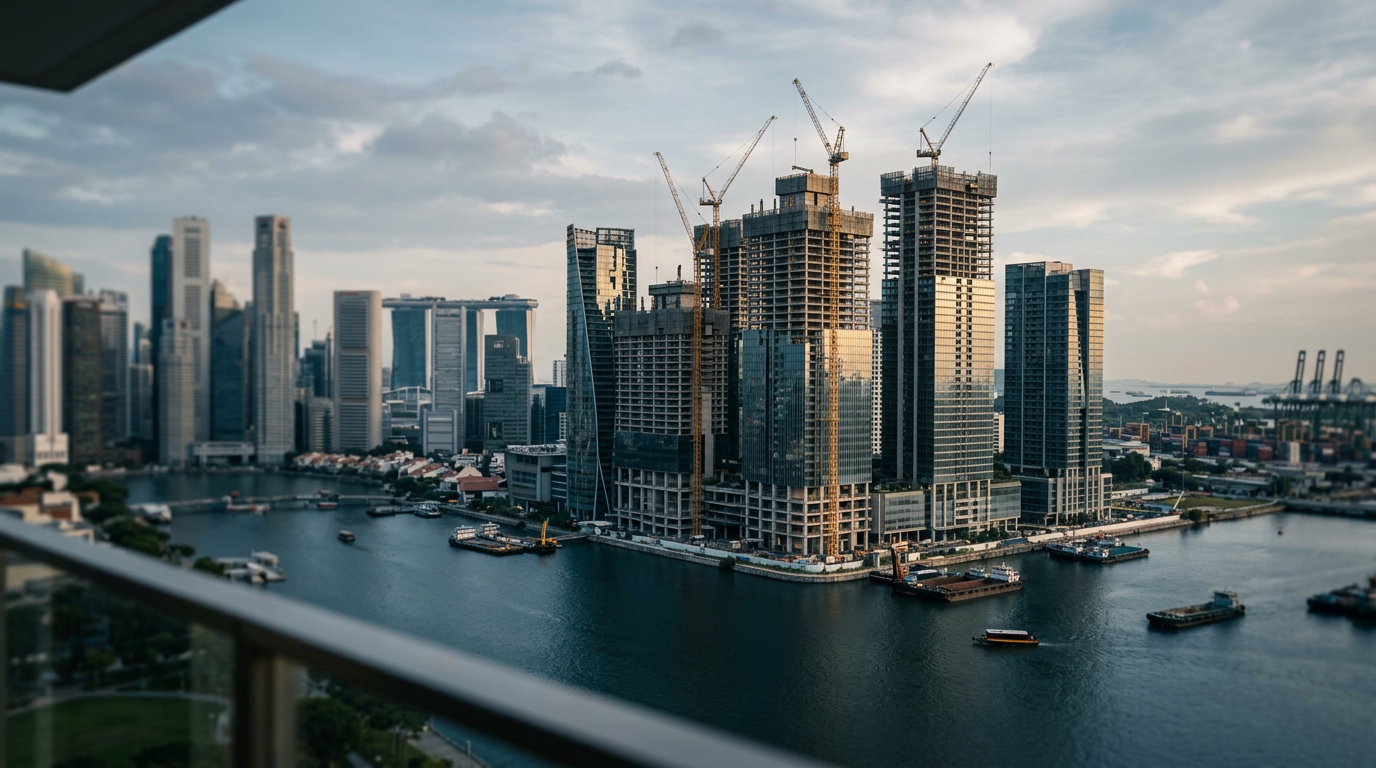
, Thailand, and the Power of Predictability
The launch of a luxury mixed-use project in Singapore, backed by a prominent Thai billionaire, illustrates a core ASEAN theme: the quiet power of reliable institutions to attract and deploy long-term capital.
 Vietnam
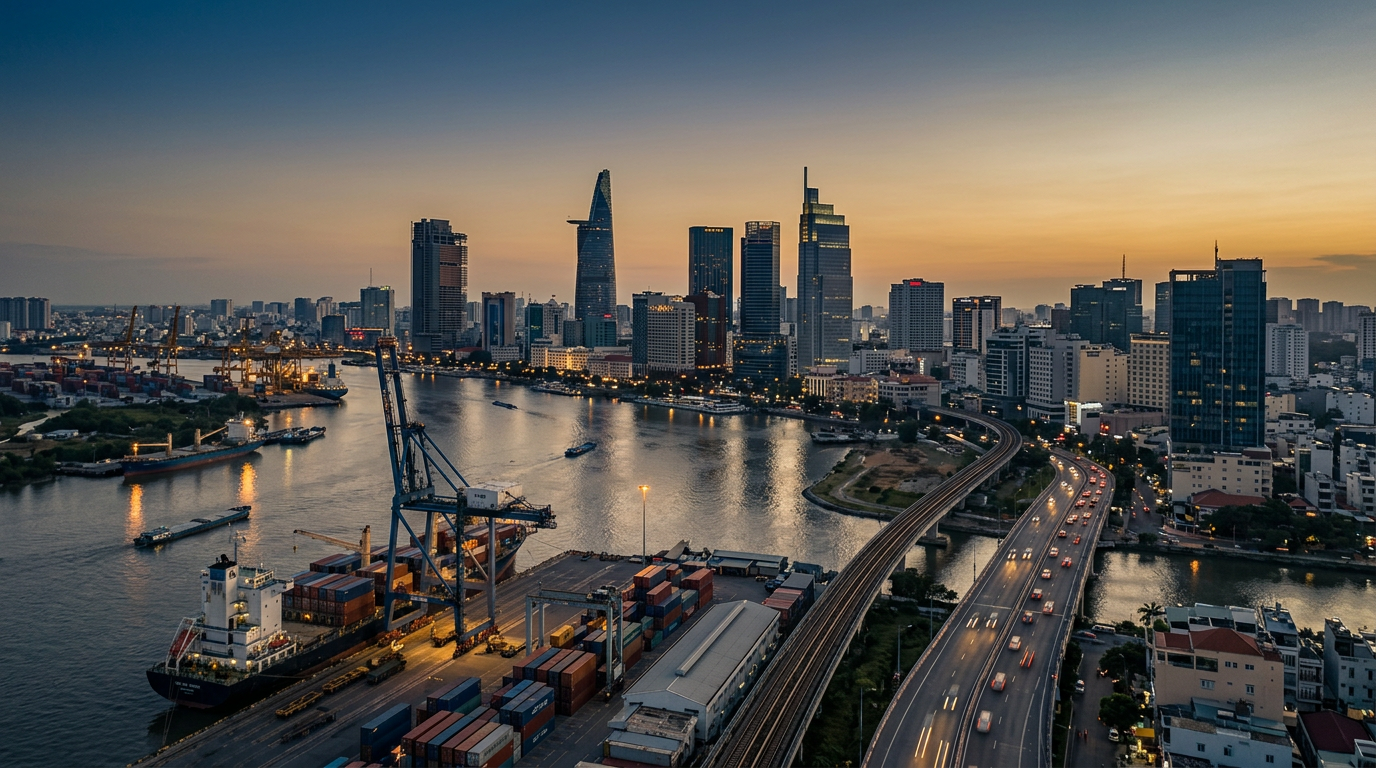
's Growing Wealth: From Affluence to Institutions
Vietnam's rising number of ultra-rich individuals is a marker of economic dynamism. The next step is to translate this affluence into durable, broad-based economic strength through institutional reform.
 Vietnam
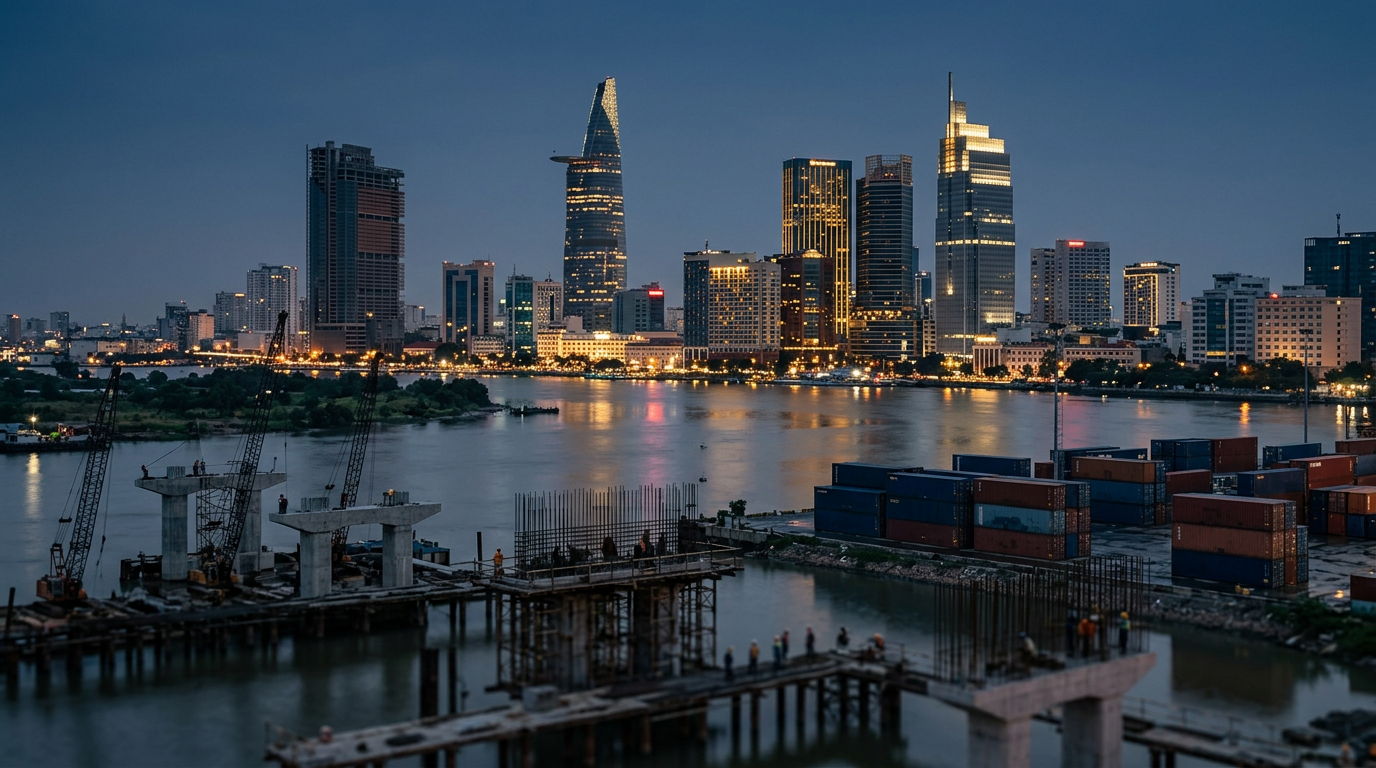
's Growing Wealth and the Test of Institutions
A rising count of ultra-rich individuals in Vietnam is a positive signal, but the country's next phase of growth depends on translating this wealth into broad-based economic capacity.
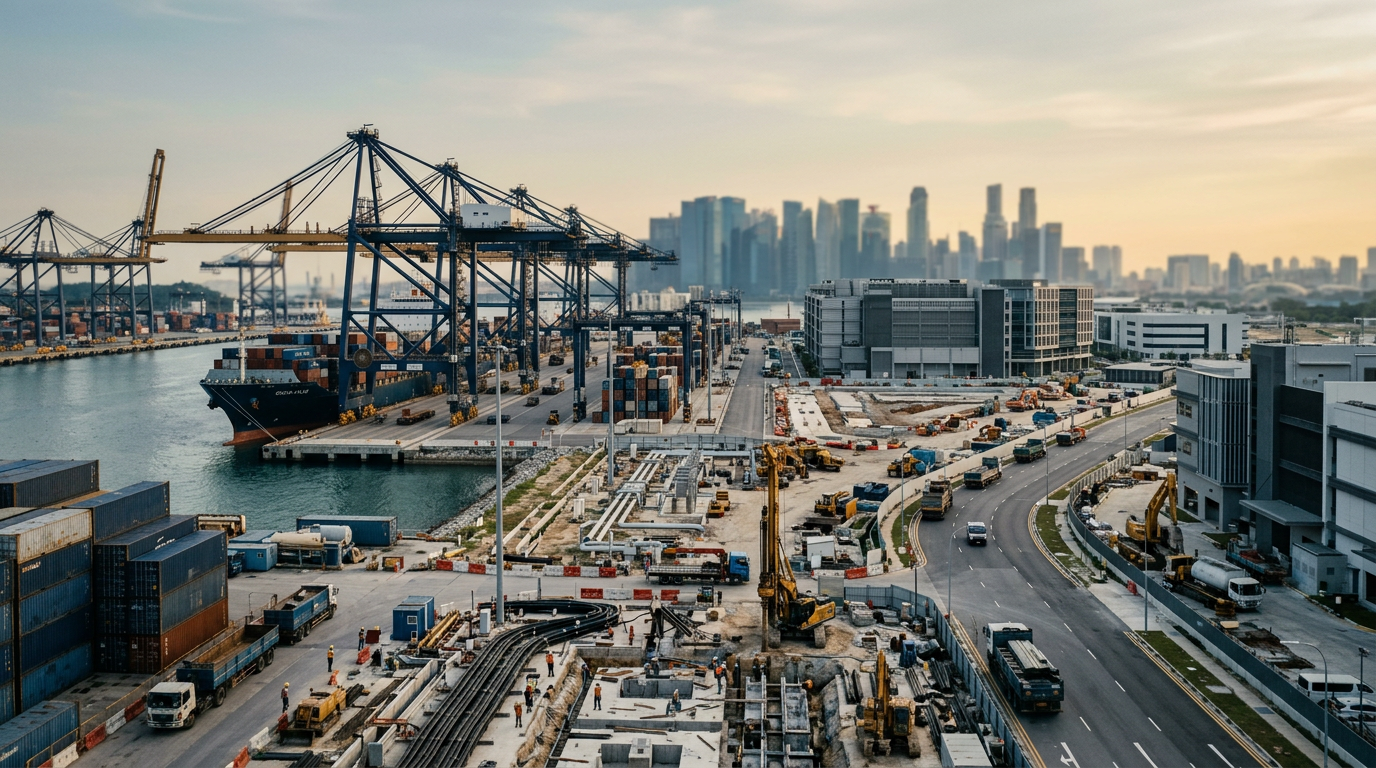 Singapore
, Not Just a Safe Harbour
FDI announcements travel quickly. Realised flows depend on the slower work of land, permits, power and talent reaching the ground.
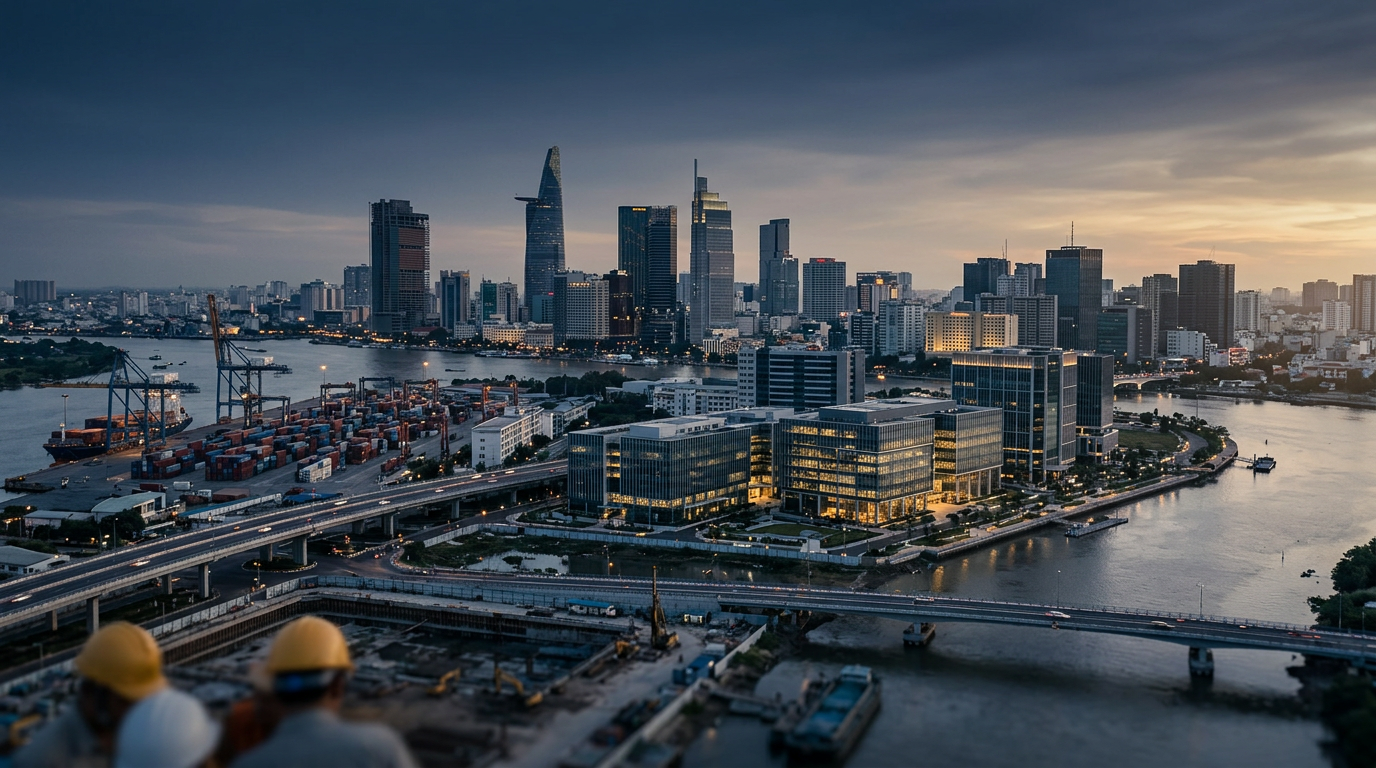 Vietnam
's Growing Wealth: From High Net Worth to Investable Depth
A recent report highlights the rapid growth of Vietnam's ultra-high-net-worth population. While a sign of economic dynamism, this growth in private wealth must be channeled into productive, long-term investment to sustain the country's development trajectory.
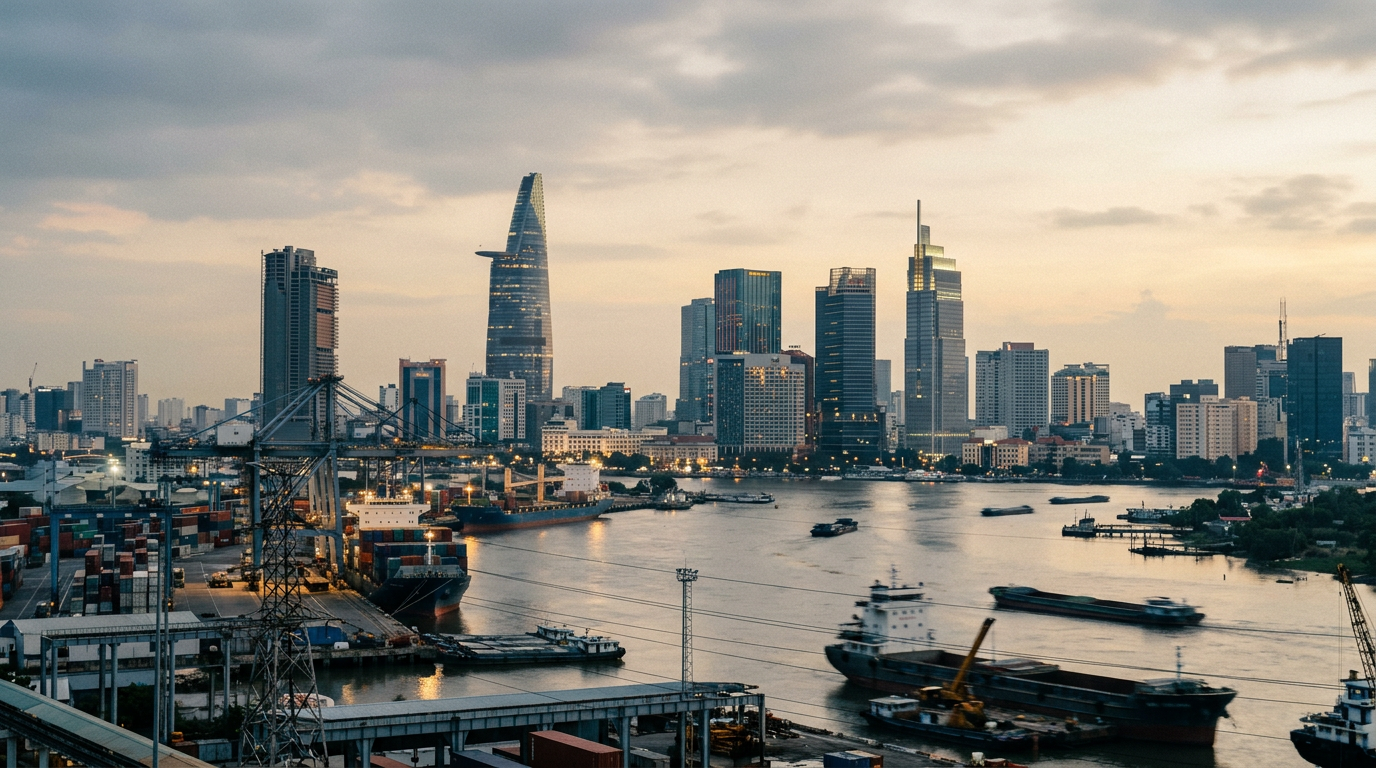 Vietnam
Capital in Vietnam: From Wealth to Investable Depth
Vietnam's expanding class of ultra-rich individuals is a sign of economic dynamism. The next step is translating that capital into broad, investable economic depth through institutional reform.
 Vietnam
's Private Capital Surge Tests Institutional Capacity
A rapid rise in private wealth is a positive indicator for Vietnam, but channeling this new capital into productive, long-term national assets requires robust institutional and regulatory frameworks.
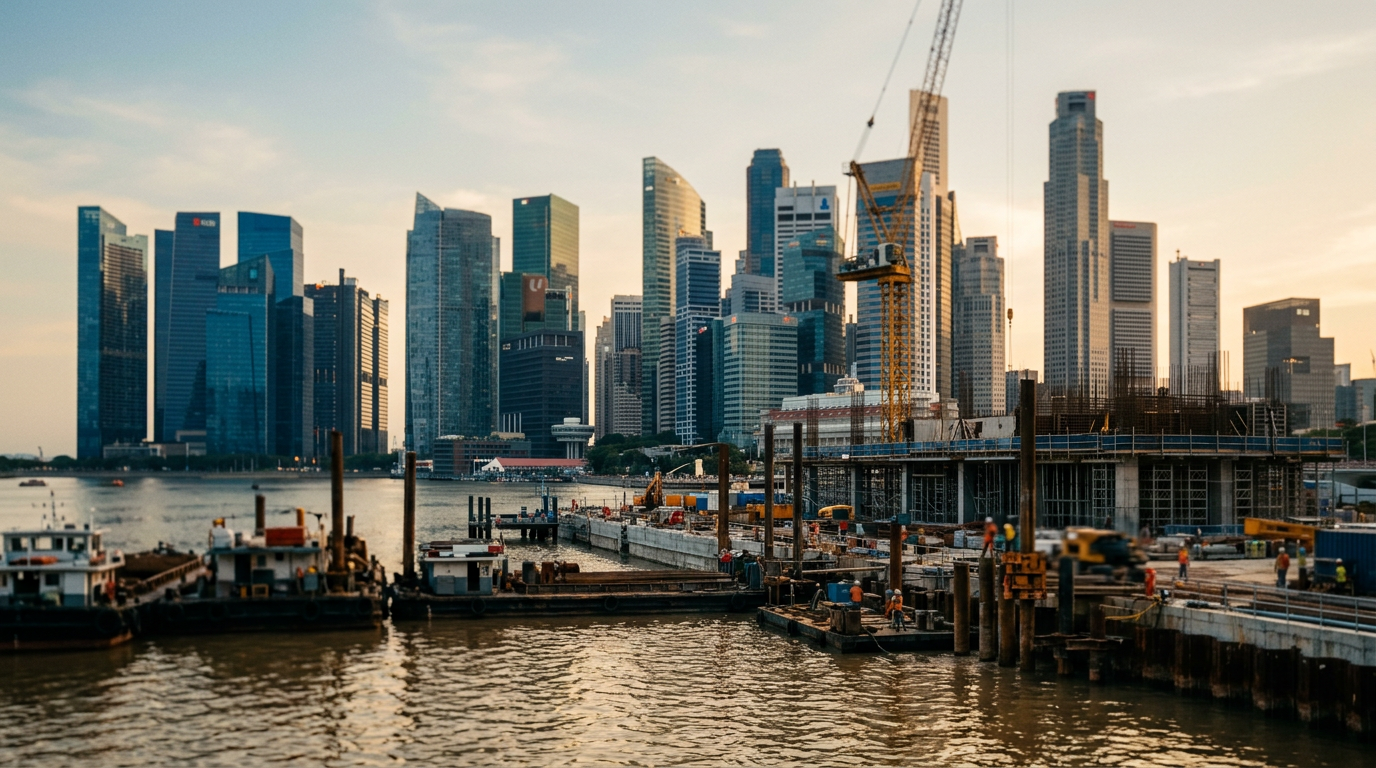 Singapore
 Draws Thai Capital for Waterfront Development
A new luxury mixed-use project on the Singapore River, backed by a prominent Thai investor, shows how the city-state's institutional quality continues to attract foreign capital.
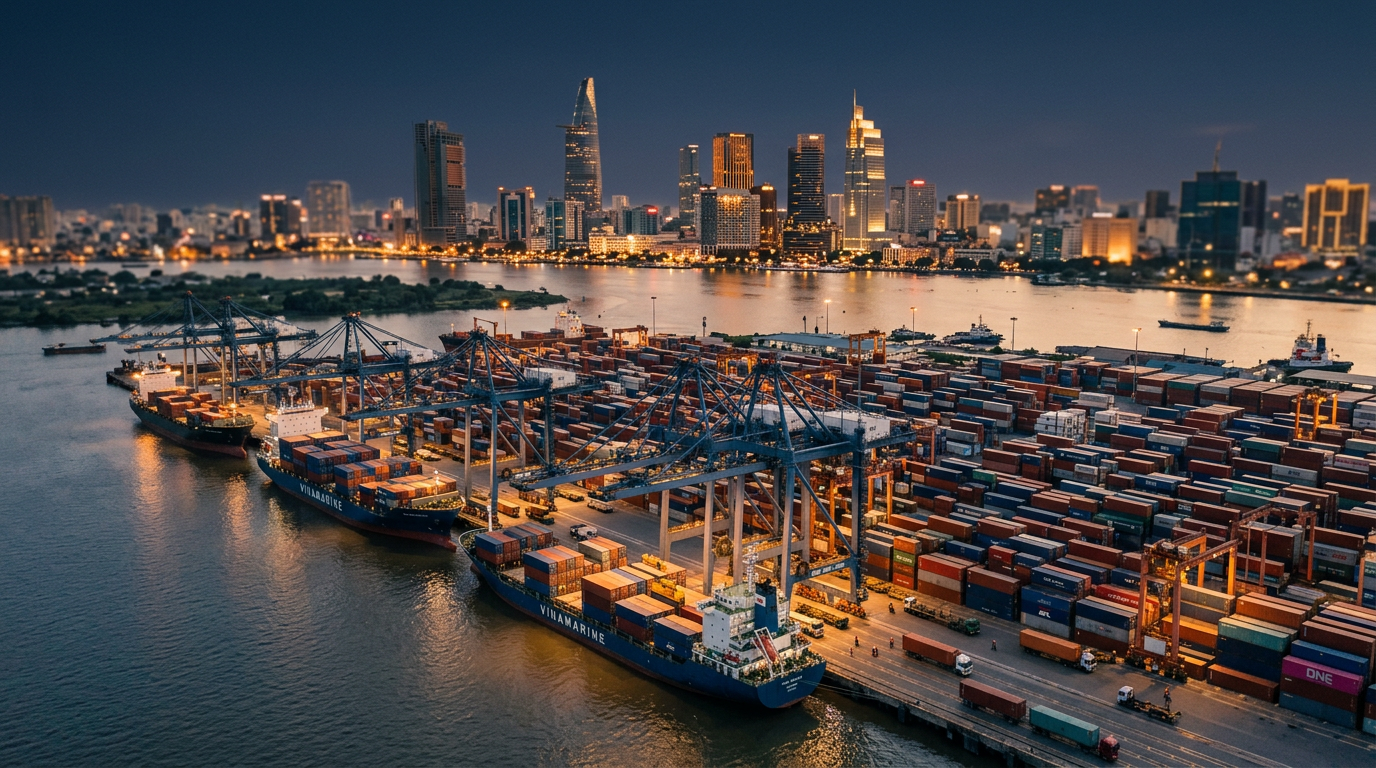 Vietnam
Capital and Institutions in Vietnam
Vietnam's fast-growing cohort of wealthy individuals is a sign of economic dynamism, but converting this domestic capital into durable national assets requires stronger institutional frameworks.
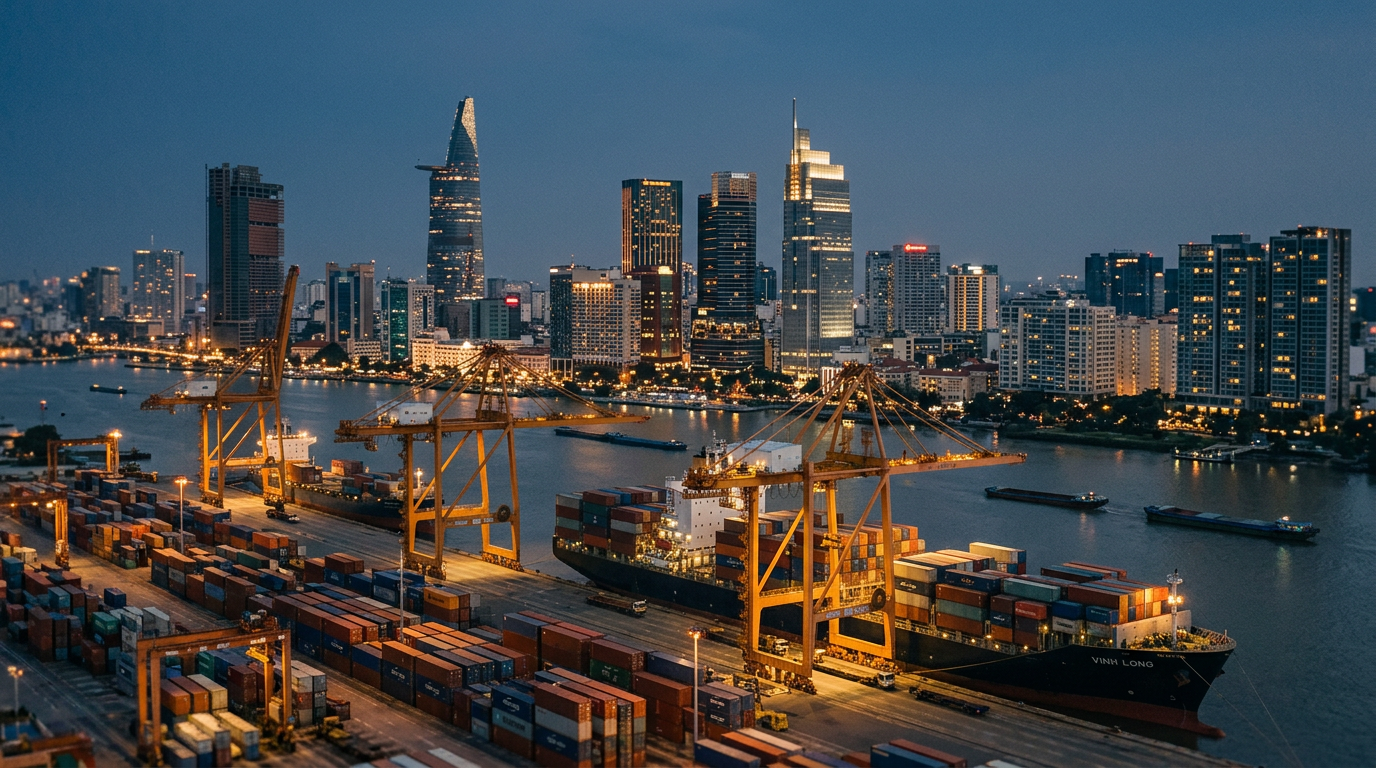 Vietnam
's Growing Wealth: From Affluence to Investment
The rapid growth in Vietnam's ultra-rich population is a notable headline, but translating this domestic capital into productive, long-term investment requires institutional strengthening and a focus on execution.