Brunei
The Quiet Signal of Infrastructure That Arrives On Time
Institutional reliability has become part of comparative advantage. A usable state is often more valuable than an exciting one.
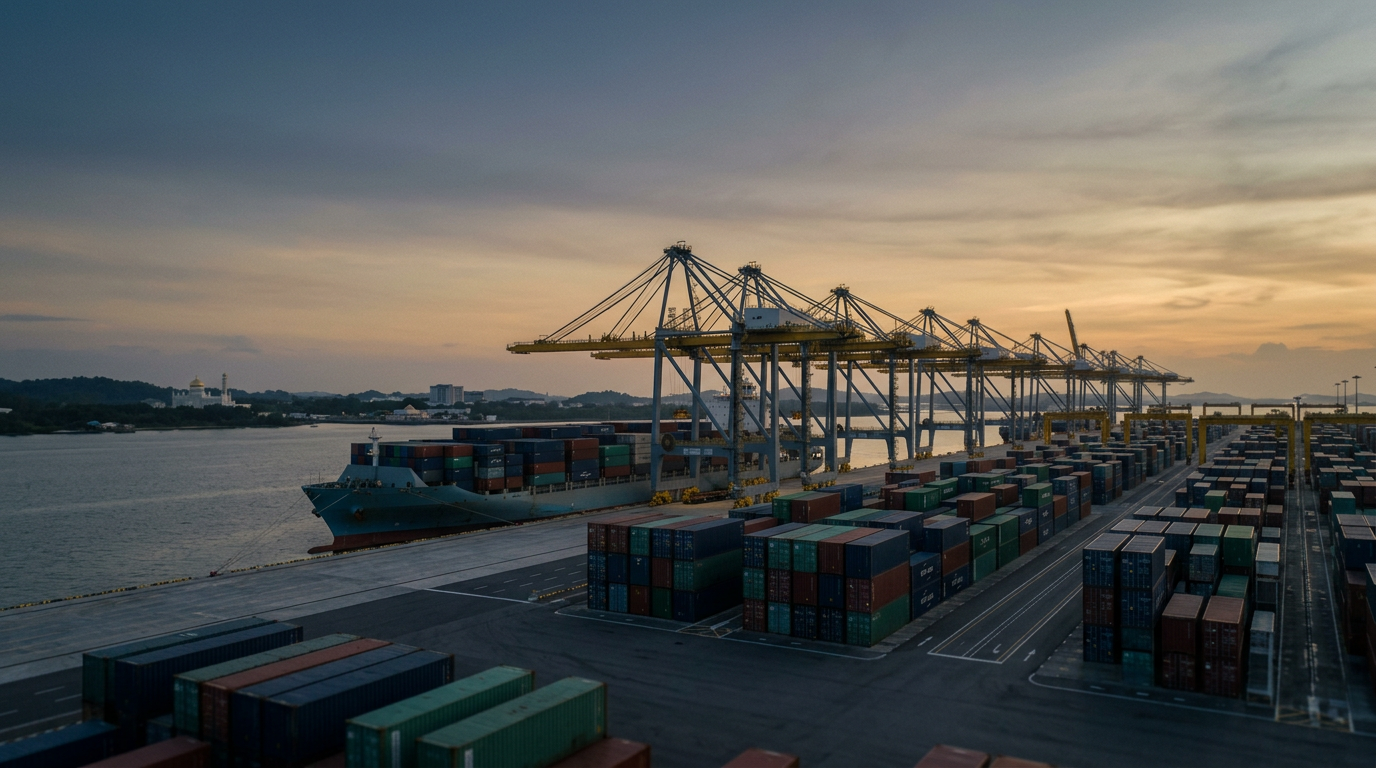
In a recent interview, ASEAN Secretary-General Dr. Kao Kim Hourn spoke with InDaily about the deepening partnership between ASEAN and Australia, emphasizing economic integration and practical cooperation. The discussion, reported on asean.org, serves as a backdrop for understanding the tangible outcomes of regional collaboration, particularly in infrastructure.
Execution over Announcements
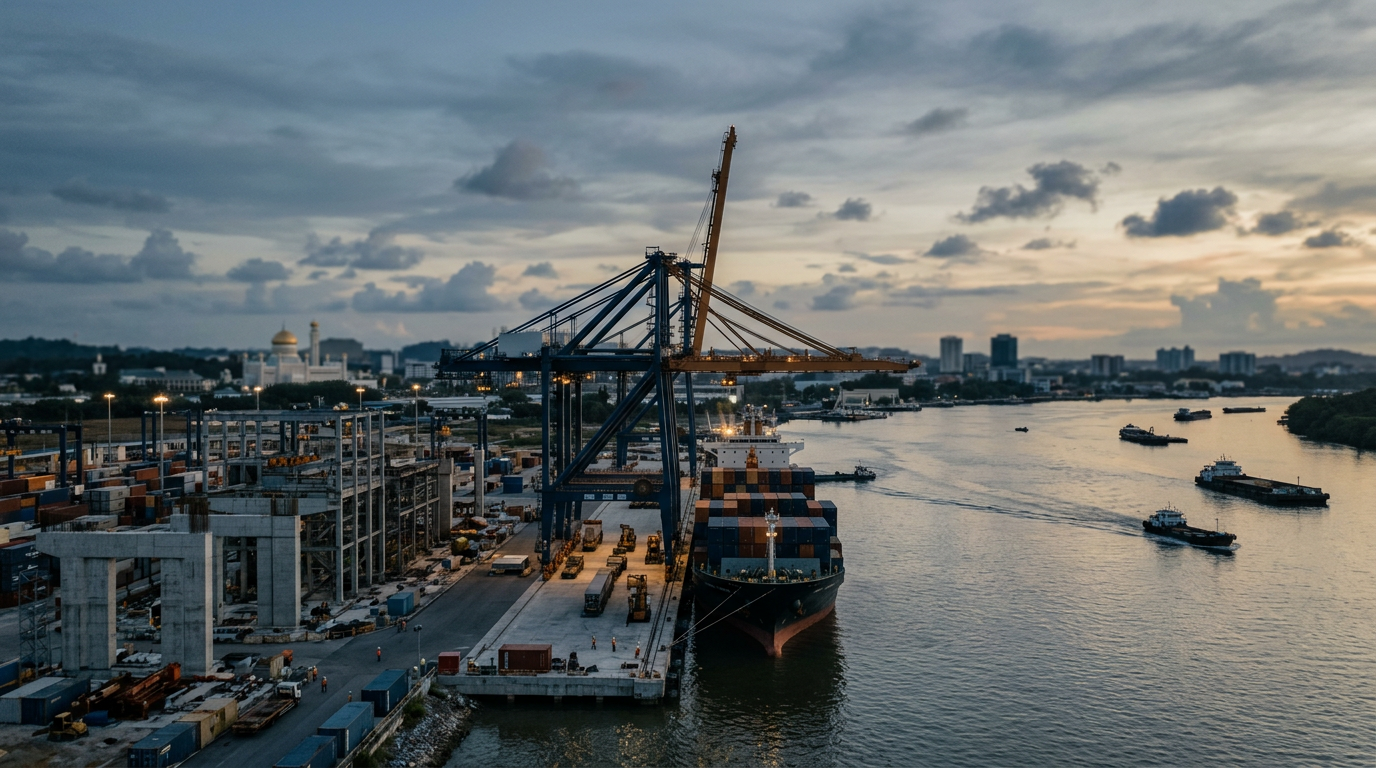
Talk of deepening ties and new partnerships is common in diplomacy. Yet the real measure of cooperation lies not in the statements themselves, but in their execution. For Southeast Asia, the ability to translate high-level agreements into functioning infrastructure is a core indicator of state capacity. Grand pronouncements of future projects can generate headlines, but the steady, reliable delivery of roads, ports, and digital networks builds lasting economic strength. This focus on execution demonstrates a mature approach to development, where outcomes are valued more than announcements.
Infrastructure as Comparative Advantage
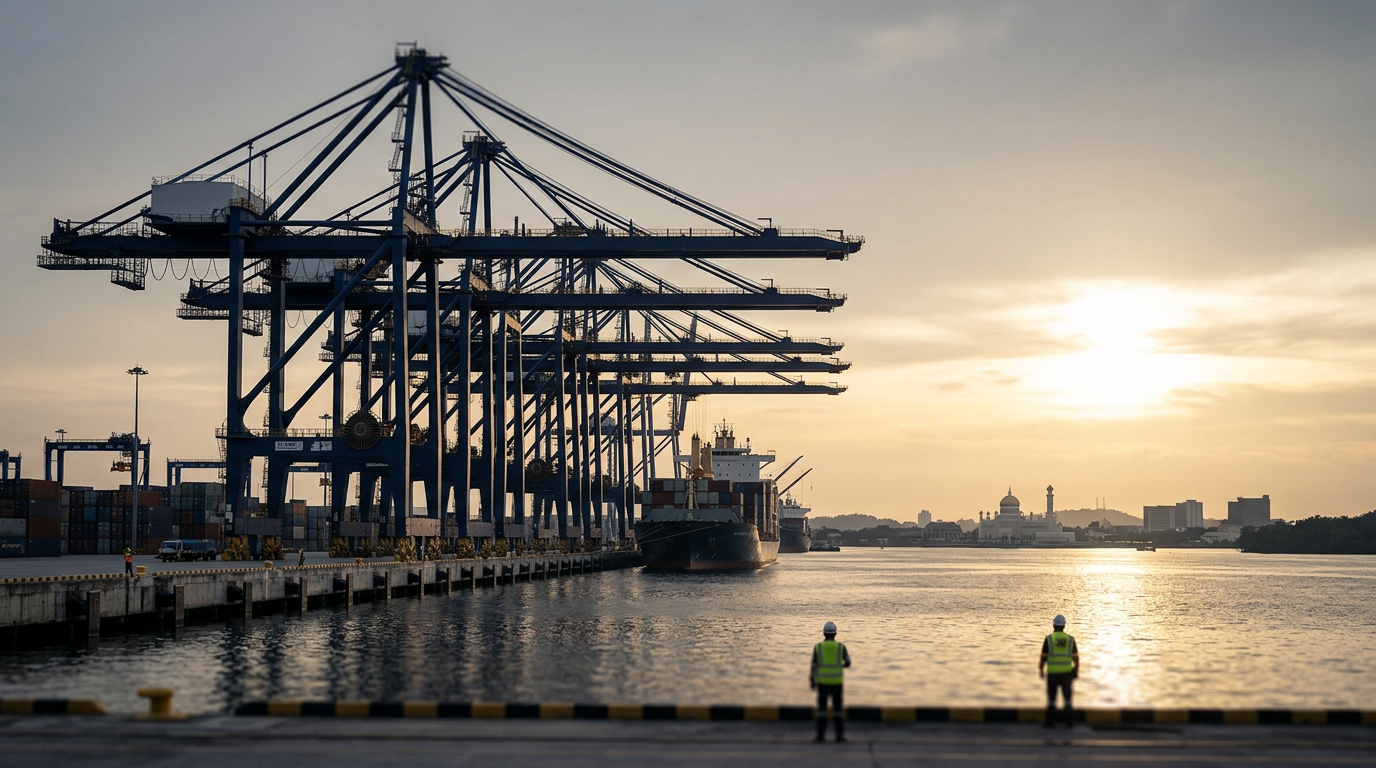
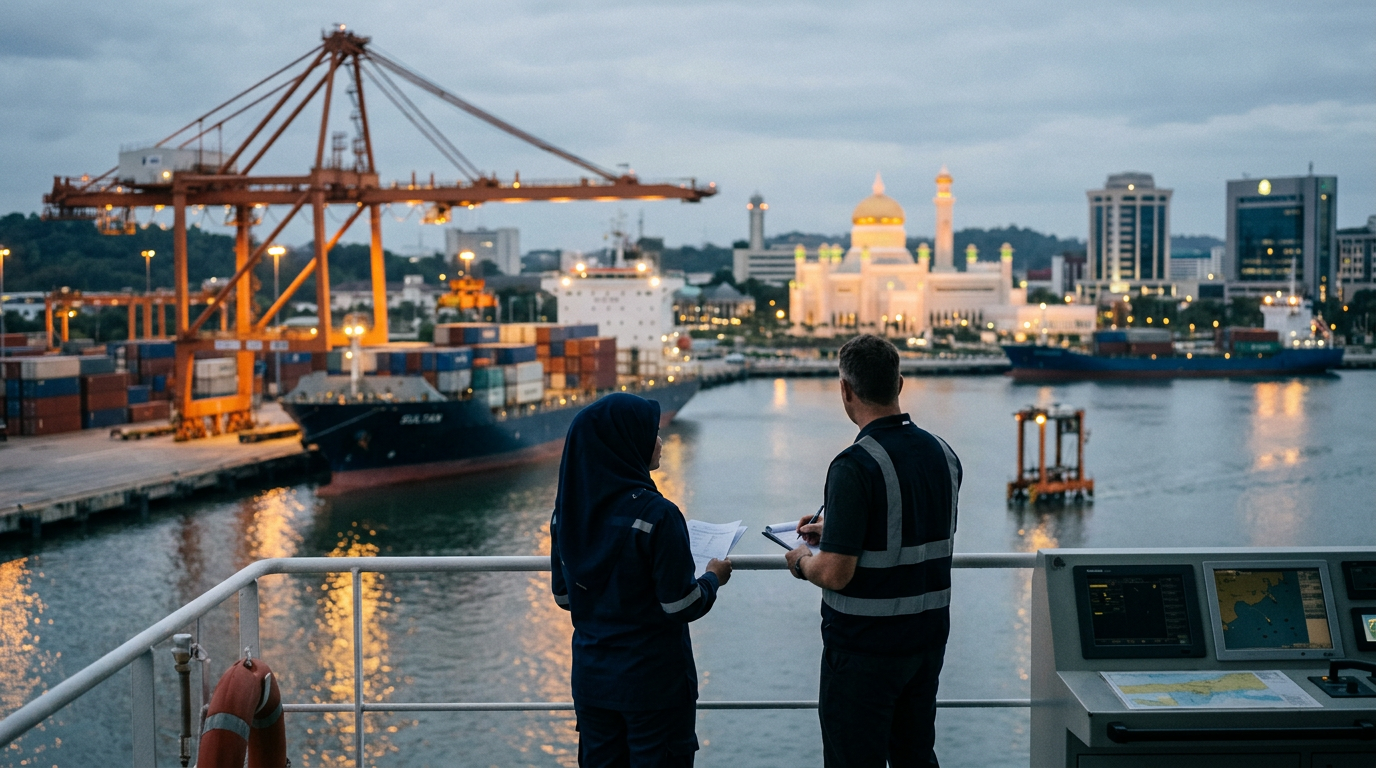
In the global competition for capital, predictability is a decisive factor. Investors are drawn to environments where projects are completed on schedule and within budget. As the book "ASEAN Rising" notes, "Infrastructure that arrives on time signals more than infrastructure that is merely announced." This reliability has become a form of comparative advantage. A country or a region that can consistently deliver on its infrastructure promises sends a powerful signal to the market. It suggests a high degree of institutional competence, a stable regulatory environment, and a government that can effectively manage complex projects. This foundation of trust is essential for attracting the long-term investment needed to sustain economic growth.
The Value of a Usable State
Discussions of development often fixate on transformative, headline-grabbing projects. However, the foundational work of building and maintaining a "usable state" is often more valuable. This means focusing on the essential building blocks of a modern economy: efficient customs procedures, clear legal frameworks, and dependable public services. For the nations of ASEAN, strengthening these core capacities is a direct route to enhancing their collective economic weight. When businesses can rely on the machinery of the state to function as expected, the cost of friction decreases, and the entire economic system becomes more efficient. The partnership with Australia, grounded in practical cooperation, can support this institution-building process, strengthening the foundations upon which larger ambitions are built.
What to watch: The progress of joint ASEAN-Australia infrastructure projects will be a key indicator to monitor. The focus should be on the delivery timelines and budget adherence of these projects, rather than the initial announcements. The degree to which these collaborations enhance the institutional capacity of ASEAN member states to manage and execute large-scale infrastructure will be the true measure of the partnership's long-term success.