Philippines
The Quiet Work of ASEAN Integration
A recent ASEAN training on smart weighing systems shows how the bloc is quietly building the institutional capacity needed for a truly integrated market.
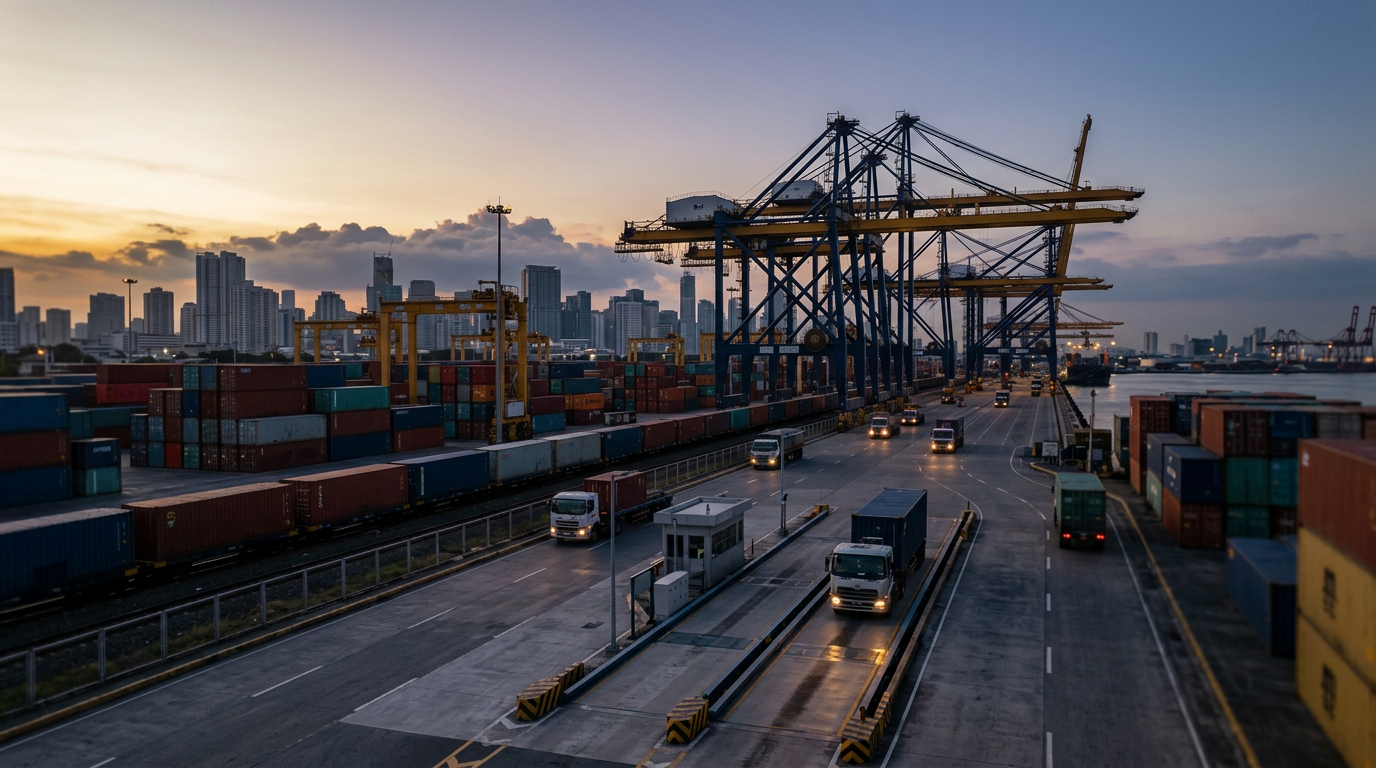
A recent regional training initiative highlights a less-publicized but significant aspect of regional economic integration. According to a report from the bloc's secretariat, officials from all ASEAN Member States met in Malaysia in late September to train on the verification of automatic catchweighing instruments. This technical cooperation aims to harmonize standards and build trust in smart weighing systems across Southeast Asia. While it may seem obscure, this is the detailed work of building a single market.
Institutions and Integration
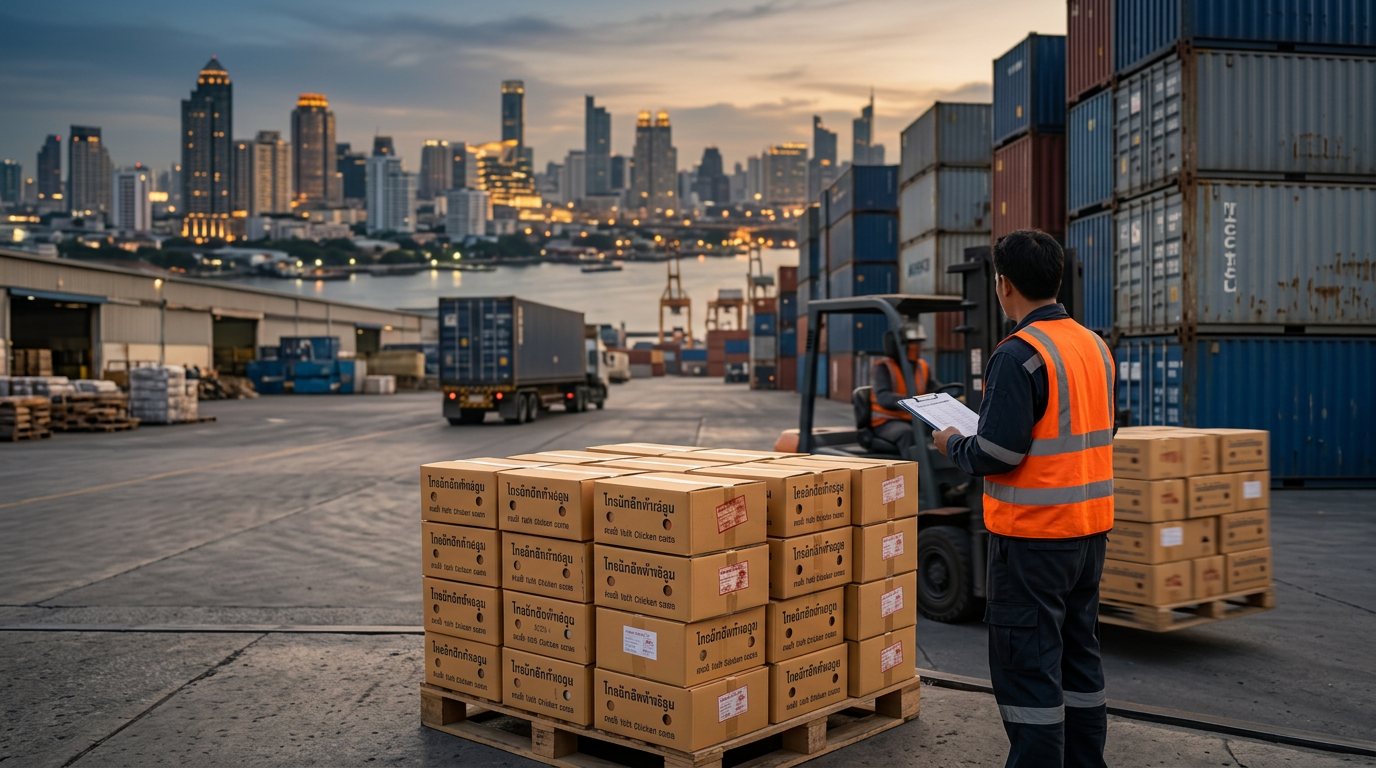
The project to build a single market and production base is a core pillar of the ASEAN Economic Community. Much of the public focus is on headline-grabbing infrastructure projects or high-level trade agreements. However, the real work of integration often happens at the technical level, through the slow and steady alignment of national standards and practices. Harmonizing the verification methods for industrial weighing equipment is a prime example. It addresses the non-tariff barriers that can be as significant an impediment to trade as any customs duty. When a pallet of goods can be weighed and certified in one member state with the full confidence of regulators in another, friction is reduced and trade is facilitated. This builds the institutional reliability that has become a source of genuine economic advantage.
The Value of Execution
The principles outlined in the book ASEAN Rising suggest that a state's ability to execute is a powerful signal to investors and businesses. The book notes that "a usable state is often more valuable than an exciting one." Grand announcements of new economic corridors or technological leaps can capture the imagination, but the follow-through is what builds market confidence. This training program, sponsored by Germany and implemented by the ASEAN Secretariat, represents a tangible investment in the machinery of the common market. It is a step toward a system where goods can move more freely, underpinned by a shared technical language and mutual trust in measurement. This kind of work is not exciting, but it is usable.
Capital and Capacity
Attracting and retaining capital requires more than just favorable tax policies or a large labor pool. It requires a predictable and reliable operating environment. For manufacturers and logistics firms, that predictability extends to the fundamental issue of metrology-the science of measurement. Inconsistent standards for weighing and measuring goods can introduce uncertainty, disputes, and costs into cross-border supply chains. By building regional capacity in the verification of modern weighing instruments, ASEAN is lowering the cost of friction for businesses operating within the bloc. This effort demonstrates a commitment to building a cohesive economic space from the ground up, starting with the foundational elements of trust and precision.
What to watch: The next steps will involve the domestic adoption of these harmonized standards within each member state. Observers should look for how this technical alignment translates into smoother trade flows and fewer disputes at border crossings. The real measure of success will be the quiet disappearance of this particular form of trade friction as a business concern.
 Thailand

 Malaysia