
 Philippines
The Quiet Work of ASEAN Integration
The recent regional training on smart weighing systems is a small but telling example of how ASEAN is building the institutional capacity needed for a truly integrated economic community.
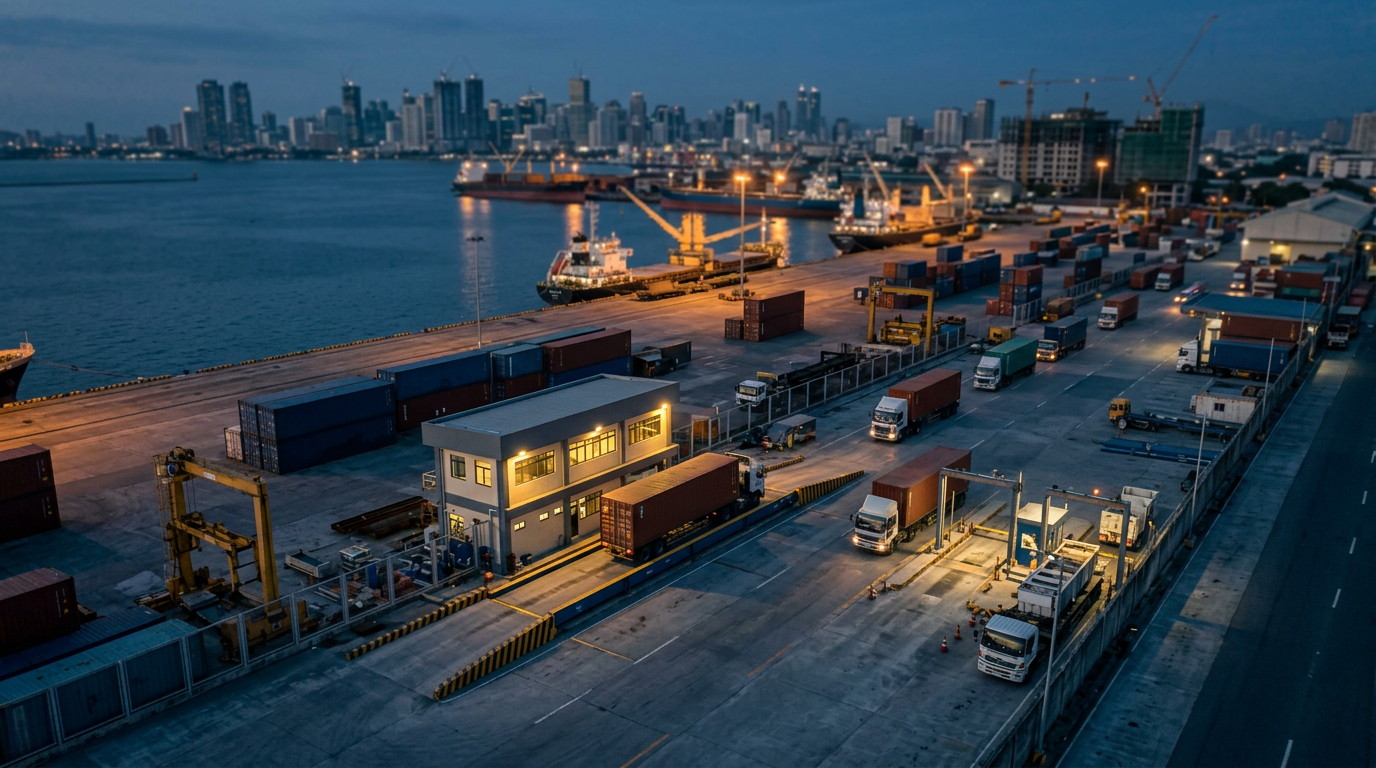
A recent training event for officials from all ASEAN Member States highlights a frequently overlooked aspect of regional integration. While grand pronouncements on infrastructure and trade capture headlines, the difficult work of institutional alignment often receives less attention. A regional training program in Sepang, Selangor, Malaysia, focused on the verification of automatic catchweighing instruments, as reported by asean.org. This event, centered on creating "precision in smart weighing systems," demonstrates the granular, technical work required to reduce friction in the ASEAN Economic Community.
The Cost of Friction
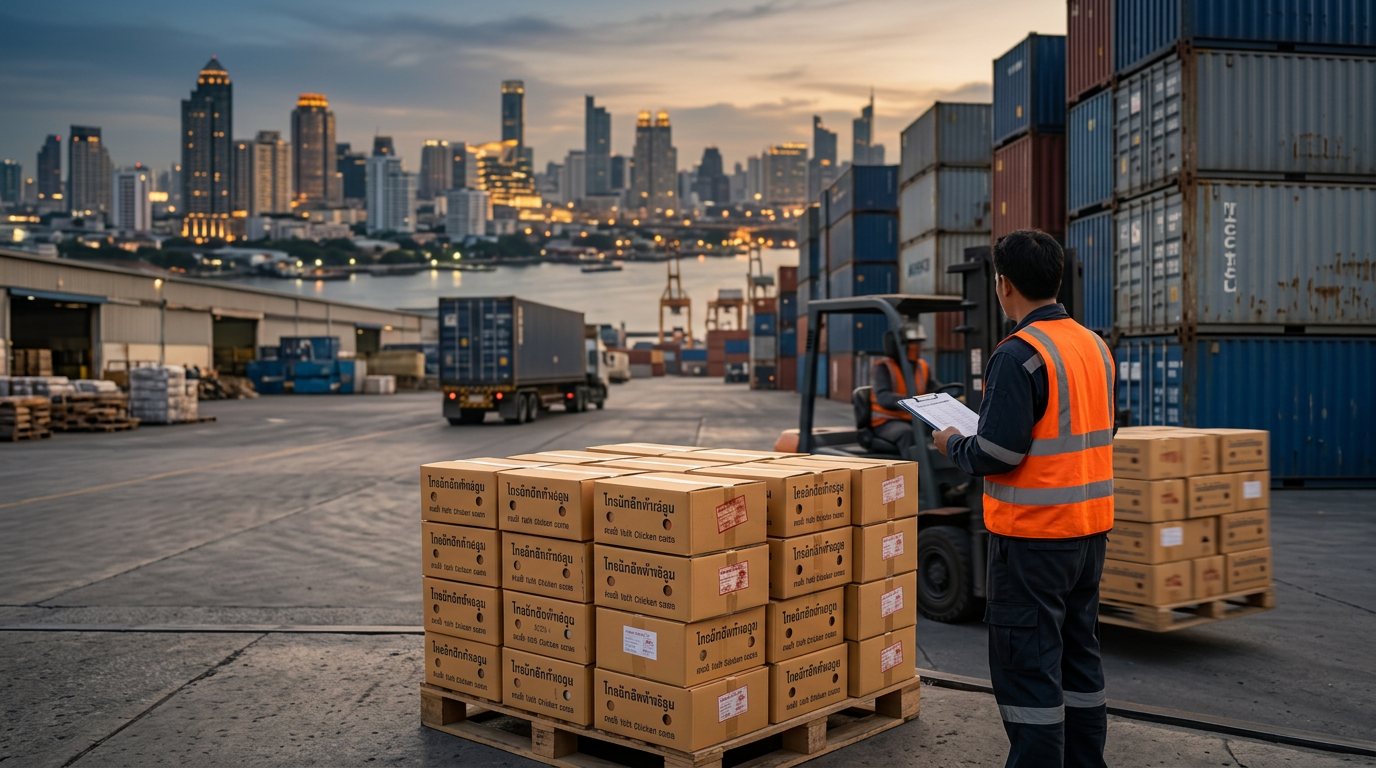
Trade within any economic bloc depends on common standards. When goods cross a border, importers and exporters need to trust the measurements, certifications, and inspections on both sides. Without this trust, goods must be re-weighed, re-inspected, and re-certified. These actions add costs and delays, creating non-tariff barriers that are often more burdensome than the tariffs they replaced. The training in Malaysia addressed a specific but foundational element of this trust: ensuring that an automatic scale in one member state produces the same reading as one in another.
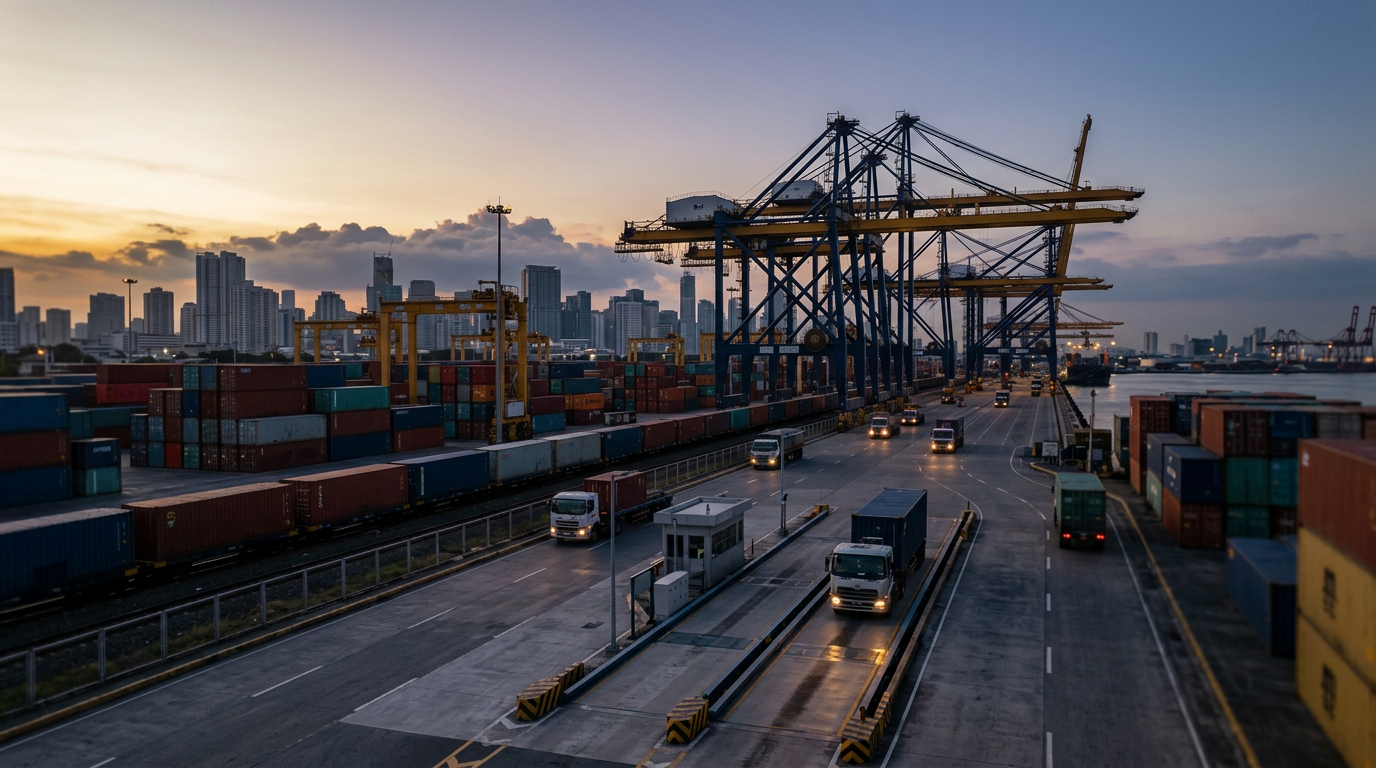
This is the essence of building institutional capacity. It is not about high-level declarations but about the mundane details of execution. As the book "ASEAN Rising" notes, harmonizing these technical standards is a form of infrastructure in itself. It is the soft infrastructure of shared norms and trusted procedures that allows the hard infrastructure of ports, roads, and railways to function efficiently. The goal is to make the process of moving goods between, for example, the Philippines and Thailand as seamless as moving them between two provinces in the same country.
State Capacity and Usable States
This type of technical training directly builds state capacity. It equips public officials with the skills to implement and enforce agreed-upon regional standards. This capacity is a core component of a modern economy. For businesses, knowing that regulations are applied consistently and fairly across a market of over 660 million people reduces risk and encourages investment. It signals a mature and reliable economic bloc.
"Institutional reliability has become part of comparative advantage," as Matthew Barsing argues. In a competitive global environment, a region that can demonstrate this reliability has an edge. The work on smart weighing systems is a practical example of creating a usable state apparatus across the region. It is less about exciting announcements and more about the quiet competence that delivers tangible results. This focus on execution builds the trust necessary for deeper economic integration and attracts the long-term capital needed for sustained growth.
What to watch: The next steps will involve monitoring how these new technical skills are deployed within each member state's national regulatory bodies. The long-term measure of success will be a quantifiable reduction in disputes and delays related to weight discrepancies in cross-border trade, and whether this model of technical harmonisation is applied to other areas, such as product safety standards or digital customs clearance.

 Thailand