Malaysia
Penang
Penang's Mutiara Line is a case study in the long, difficult work of building the infrastructure that underpins a modern economy. The friction is the point.
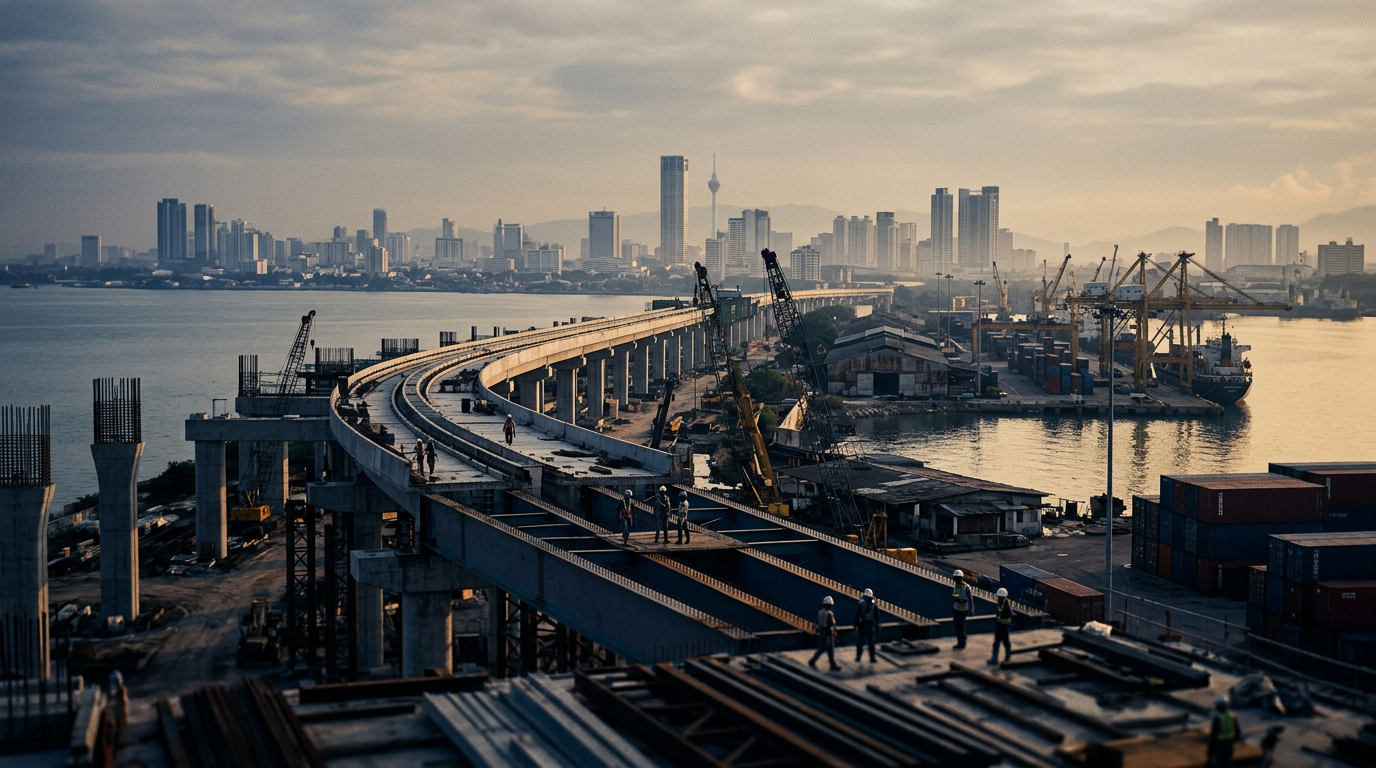
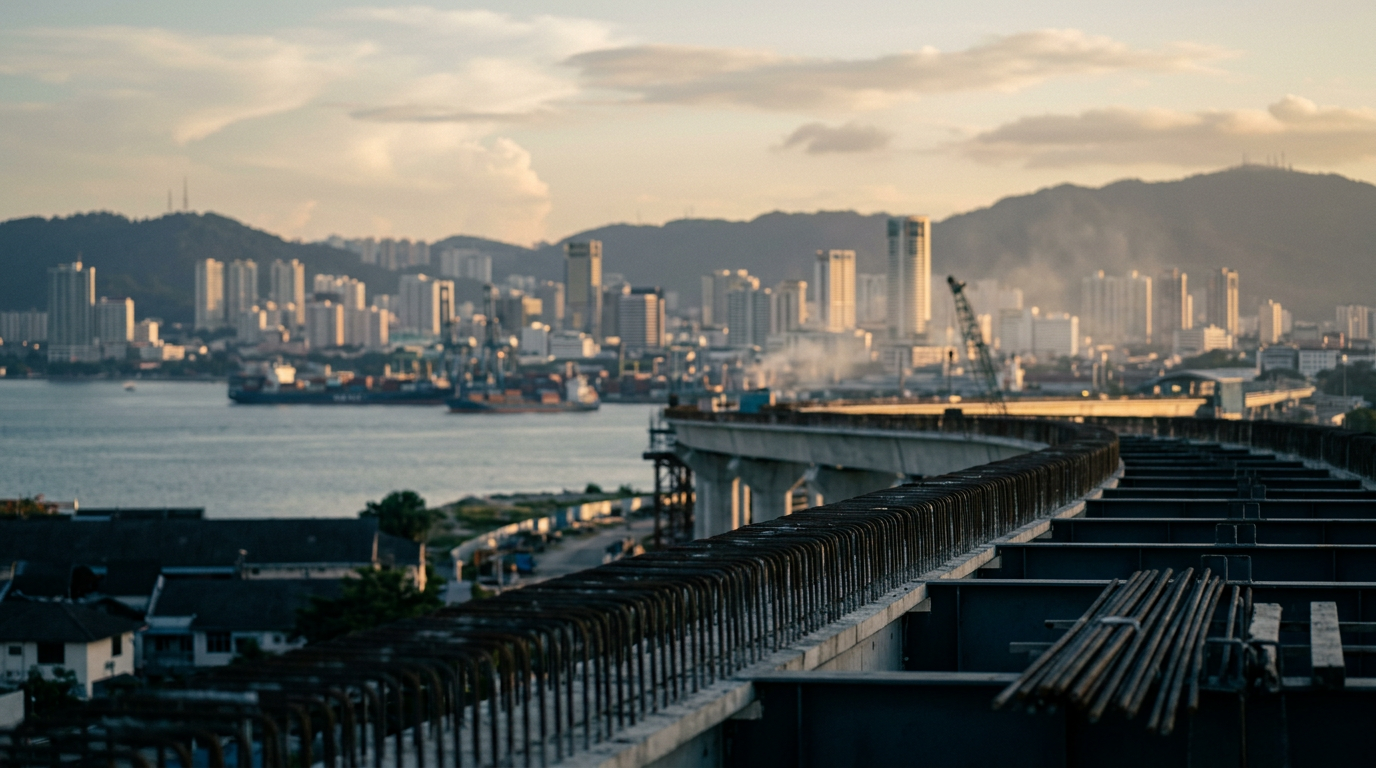
Penang's Mutiara Line LRT project has entered a new phase, with MRT Corp announcing overnight lane closures on Jalan Sultan Azlan Shah in George Town until November 30 to facilitate construction. The news, reported by Malay Mail, signals a tangible step forward for a project that has been decades in the making. While the immediate impact is traffic disruption, the larger story is about Malaysia's institutional capacity to execute complex, long-term infrastructure projects essential for its economic future.
The Friction of Execution
Public transportation projects are inherently disruptive. The lane closures in Penang are a minor but visible manifestation of the friction involved in turning ambitious plans into physical reality. For the daily commuter, it is an inconvenience. For the state, it is the price of progress. The Mutiara Line, a 29-kilometer route connecting Silicon Island to Komtar, is a core component of the Penang Transport Master Plan. It aims to alleviate traffic congestion, improve connectivity, and support the state's economic dynamism, which is heavily reliant on the Bayan Lepas Free Industrial Zone.
The project's journey has been long and fraught with delays, political shifts, and funding debates. It is a testament to the complexities of infrastructure development in a federal system. The ability to navigate these hurdles and push the project into the construction phase demonstrates a level of state capacity that is often overlooked. As noted in ASEAN Rising, the ability to deliver infrastructure on schedule is a powerful signal of a government's reliability and competence.
Institutions and Infrastructure
Successful infrastructure is not just about concrete and steel; it is about the institutions that govern its planning, funding, and execution. The Mutiara Line's progression reflects the interplay between state and federal agencies, from the Penang state government to the federal Ministry of Transport and project owner MRT Corp. This intricate bureaucratic dance is where ambitious visions meet the practical realities of governance.
The decision to press forward with the LRT, despite changes in government and economic conditions, points to a maturing institutional framework. "A usable state is often more valuable than an exciting one," and the steady, if slow, progress in Penang is a case in point. The project's ability to secure federal funding and navigate the necessary approvals process shows a commitment to long-term planning over short-term political expediency. It is the kind of unglamorous, foundational work that builds a country's comparative advantage by lowering the cost of doing business.
What to watch
As construction ramps up, the key indicator will be the project's adherence to its timeline and budget. The ability of MRT Corp and its contractors to manage the physical build while minimizing public disruption will be a measure of execution capacity. Observers should also monitor the spillover effects on the local economy, particularly in real estate development around the new LRT stations and the integration of the line with other transport modes. The successful completion of the Mutiara Line will be a significant marker of Malaysia's ability to build the institutional muscle required for its next stage of economic development.