
ASEAN Analysis & Commentary
Every analysis published on ASEAN Rising is sourced, datestamped and signed. We're more interested in being right in 12 months than first in 12 minutes.
Foundation pieces
Start here. The three pieces below set out the lens ASEAN Rising uses to read every story.
ASEAN Rising's core lens. Execution Economics is the study of whether countries, companies and institutions can convert obvious potential into delivered outcomes - and which six pillars decide the answer.
The region has capital, demographics, location and policy ambition. None of that has ever been the binding constraint. The next decade is an execution test, not a potential test - and it is already being scored.
Malaysia is the test case for whether ASEAN's middle powers can turn FDI, semiconductors and data centres into compounding domestic capability. Read the live coverage and execution scorecard.
Analysis tagged #Institutions

 Malaysia
Green Pledges and Ground Realities in ASEAN
The recent ESG Symposium 2026 highlighted pathways for a green transition in ASEAN. Yet, turning these ambitions into reality requires a focus on the institutional nuts and bolts that translate announcements into actual investment and industrial capacity.
 Malaysia
Green Transition: From FDI Pledges to Investable Depth
ASEAN's green transition requires more than just ambitious FDI pledges. It needs the institutional capacity to translate those commitments into realised projects on the ground.

 Singapore
, ASEAN, and the Architecture of Capital
Big ticket FDI is a good headline, but the real test is how investment flows through the region. Singapore remains a key hub, but its success rests on the health of the entire ASEAN bloc.
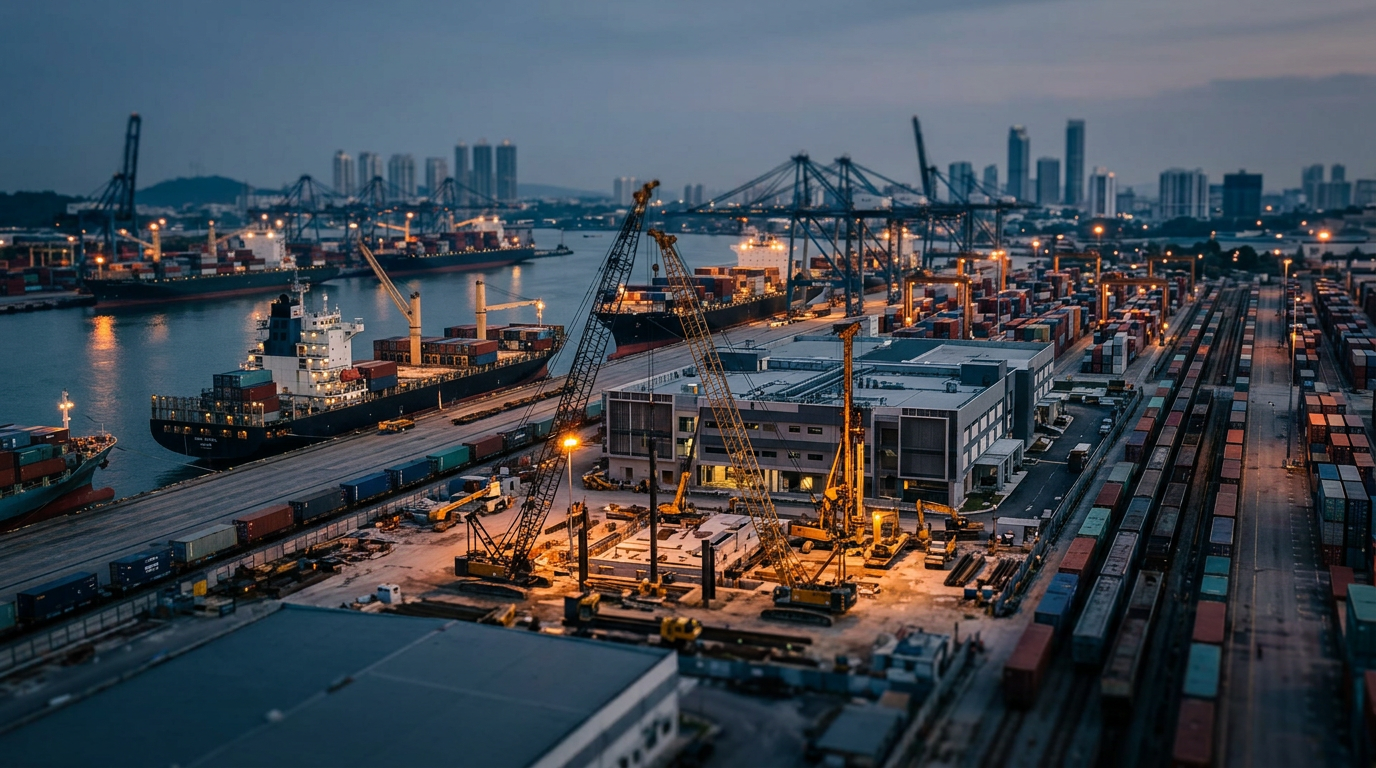 Malaysia
's FDI Ambitions Face an Execution Test
Foreign investment announcements are one thing, but converting them into realised flows depends on the slower, harder work of improving institutions and infrastructure on the ground.
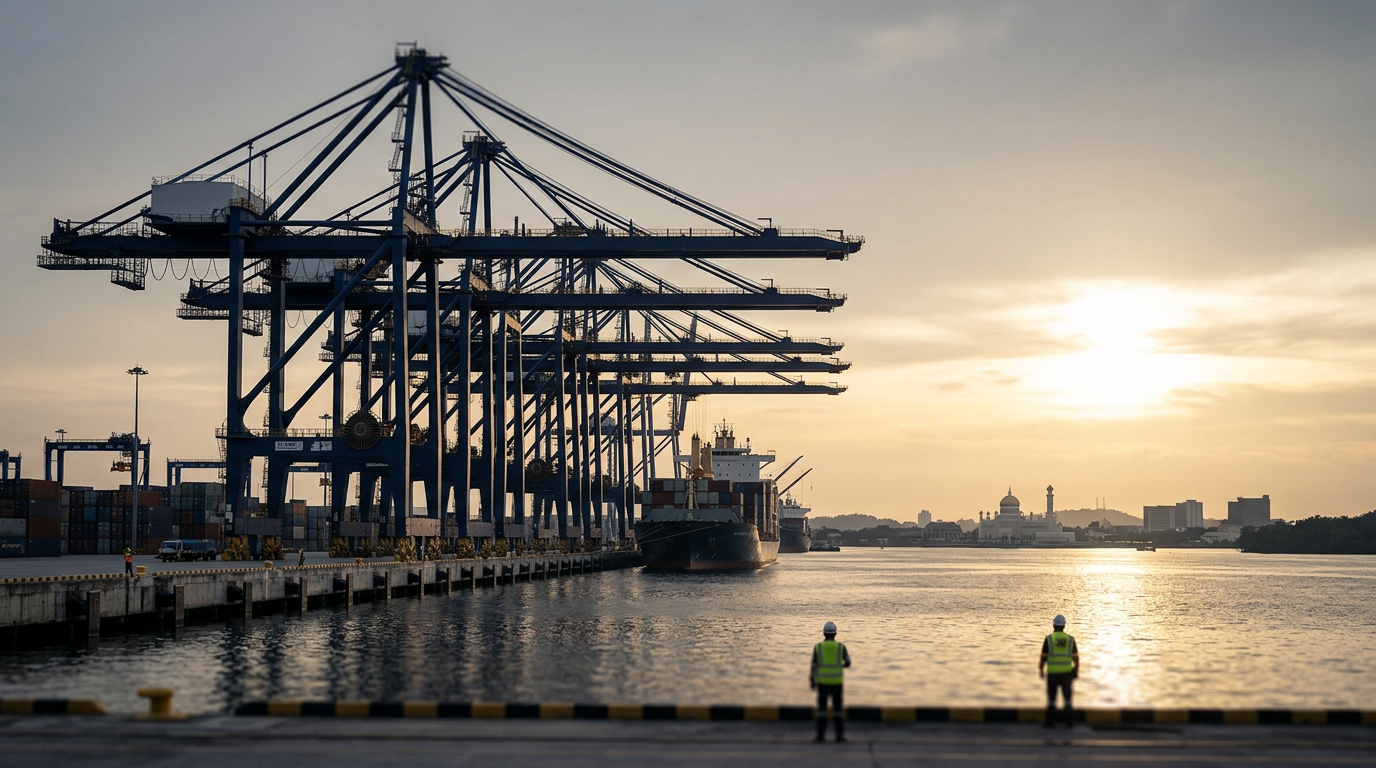
 Brunei
The Quiet Signal of Infrastructure that Arrives on Time
Institutional reliability has become part of comparative advantage. A usable state is often more valuable than an exciting one.
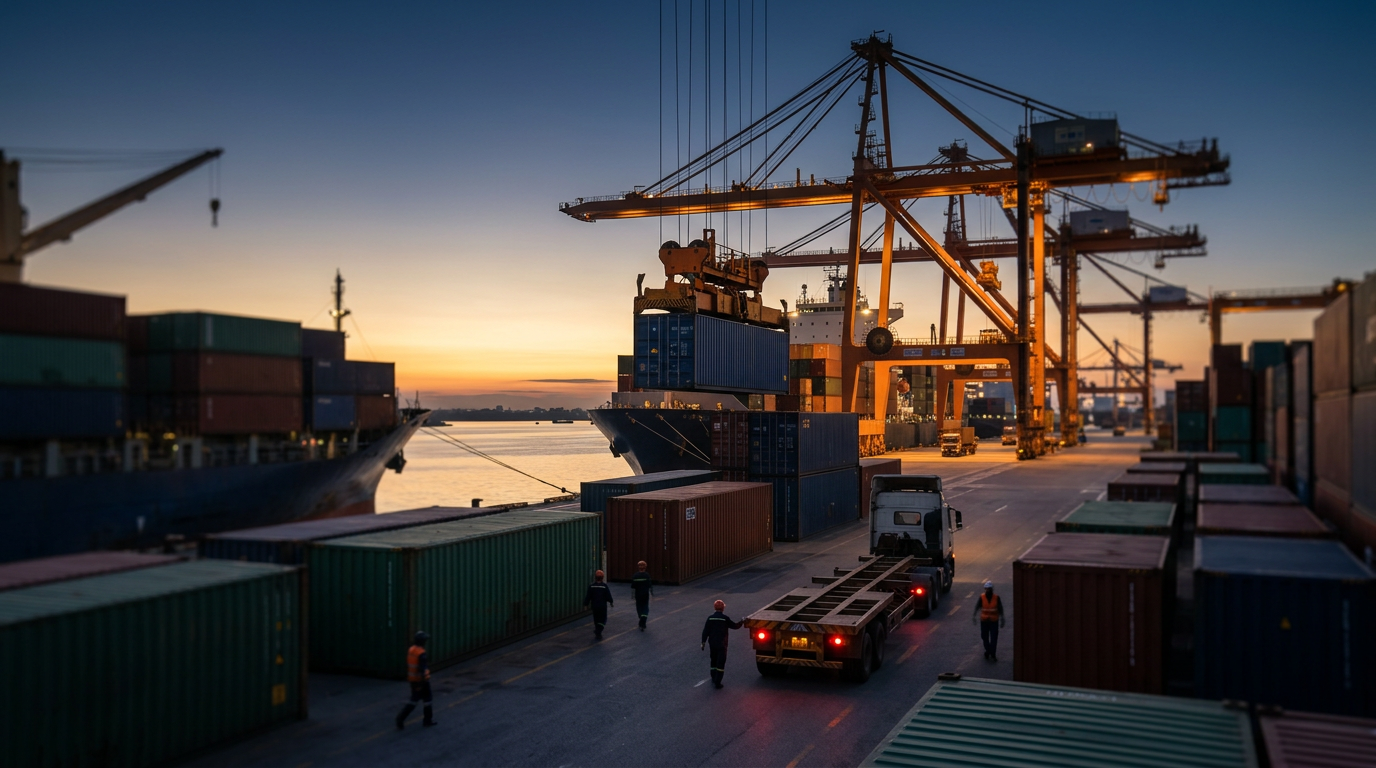
 Vietnam
The Quiet Infrastructure of Trust
In ASEAN, the foundation of a modern economy is not just concrete and steel, but the steady, reliable execution of state functions. Institutional reliability has become its own form of comparative advantage, signaling a maturity that is often more valuable than disruptive but.
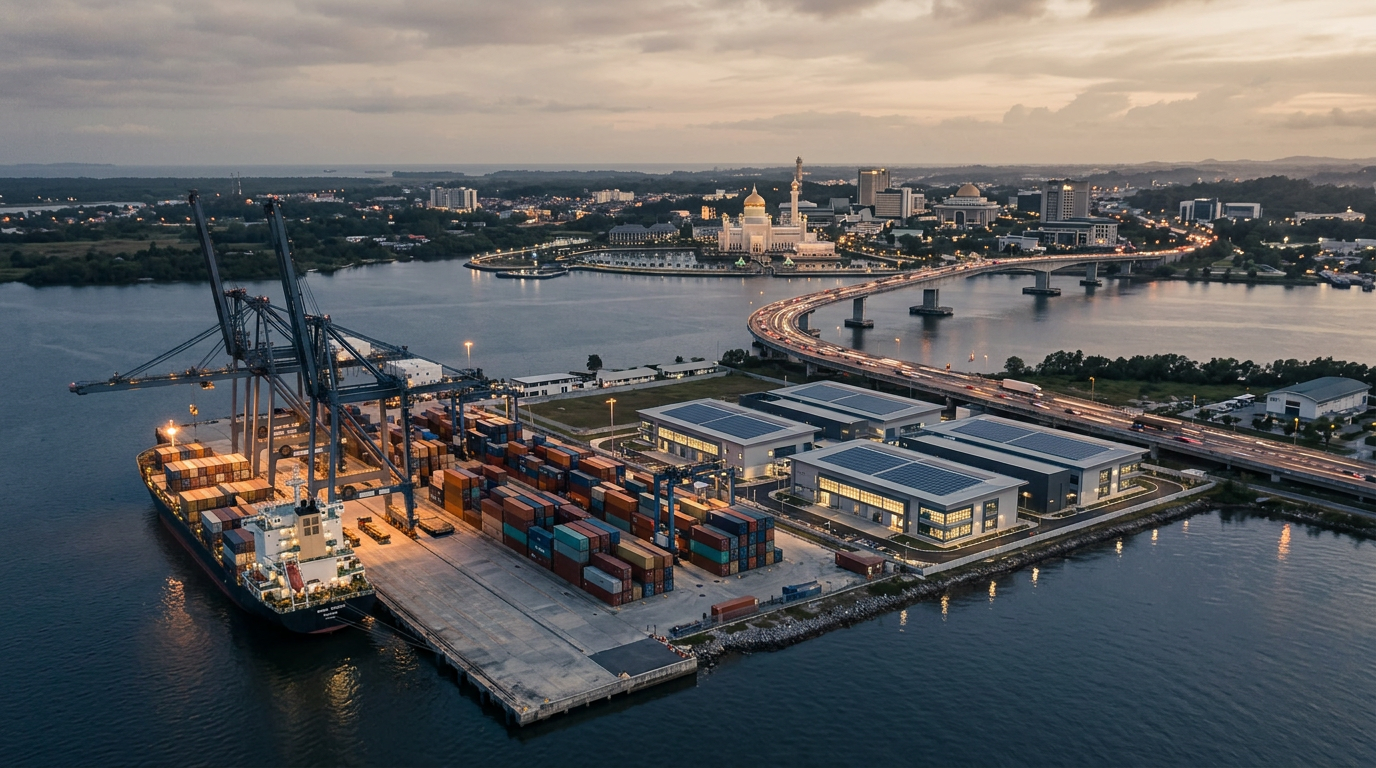 Brunei
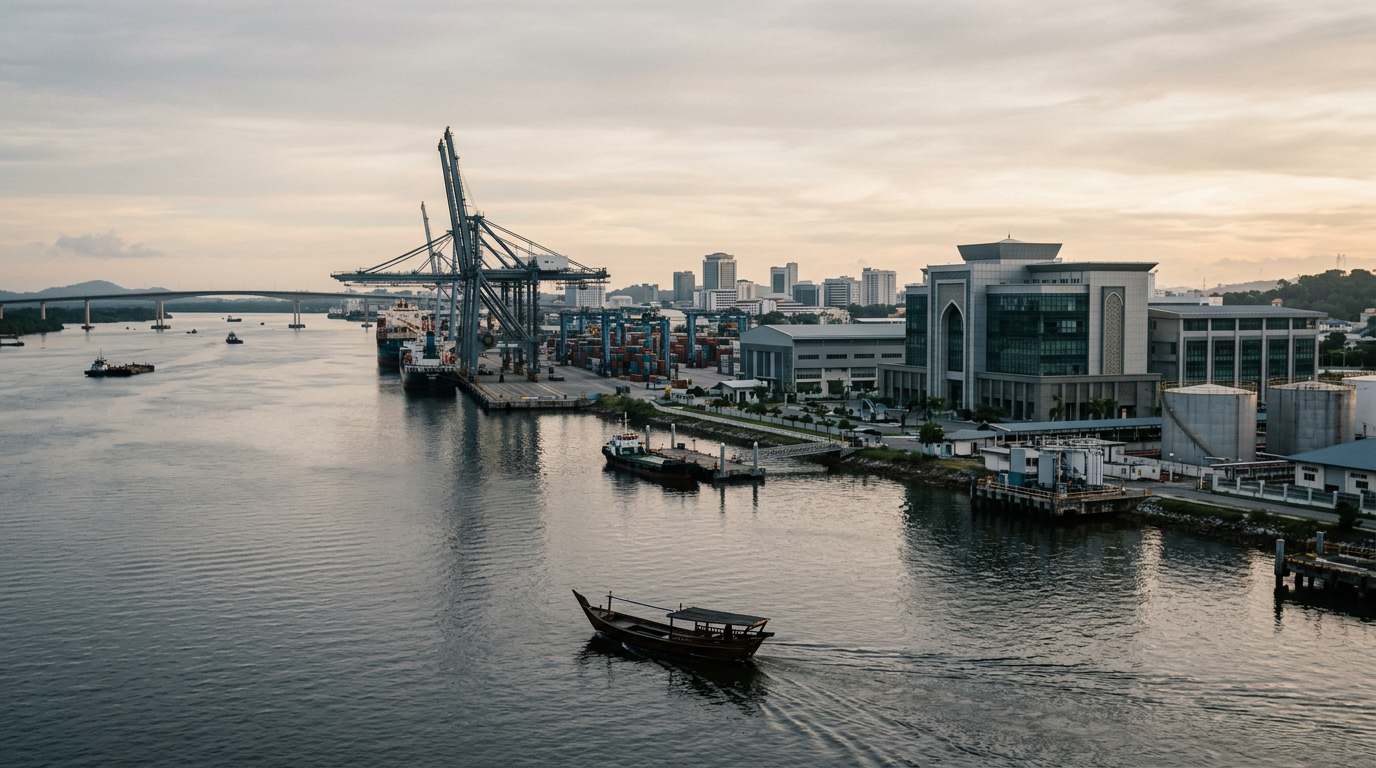
ASEAN, Australia, and the Imperative of Execution
The recent ASEAN-Australia summit highlights a growing recognition that institutional reliability is a cornerstone of regional partnerships. For ASEAN, the focus must be on execution and converting high-level agreements into tangible outcomes.
 Brunei
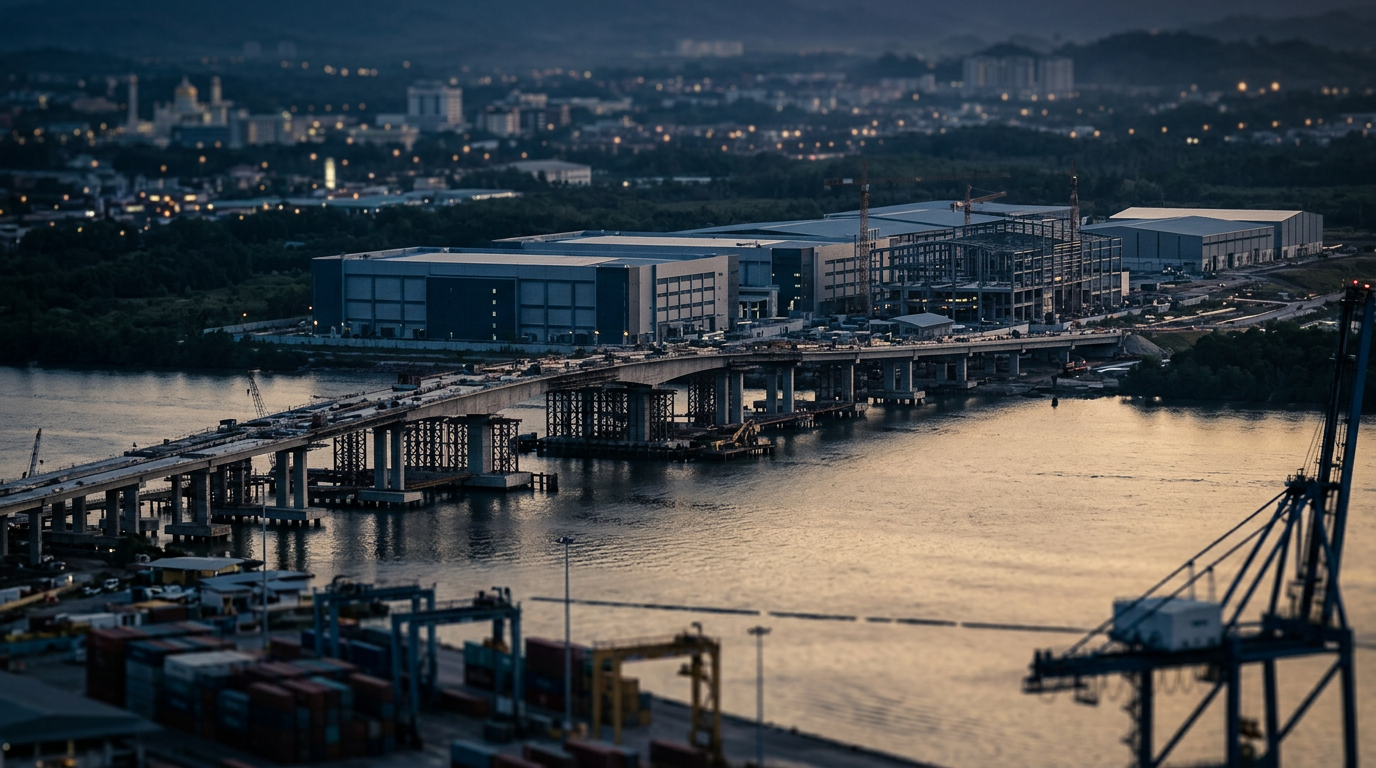
ASEAN and Australia: A Partnership Built on Practical Cooperation
The recent interview with ASEAN's Secretary-General highlights a partnership with Australia that is less about grand pronouncements and more about the steady, practical work of building institutional capacity and delivering tangible results.
 Brunei
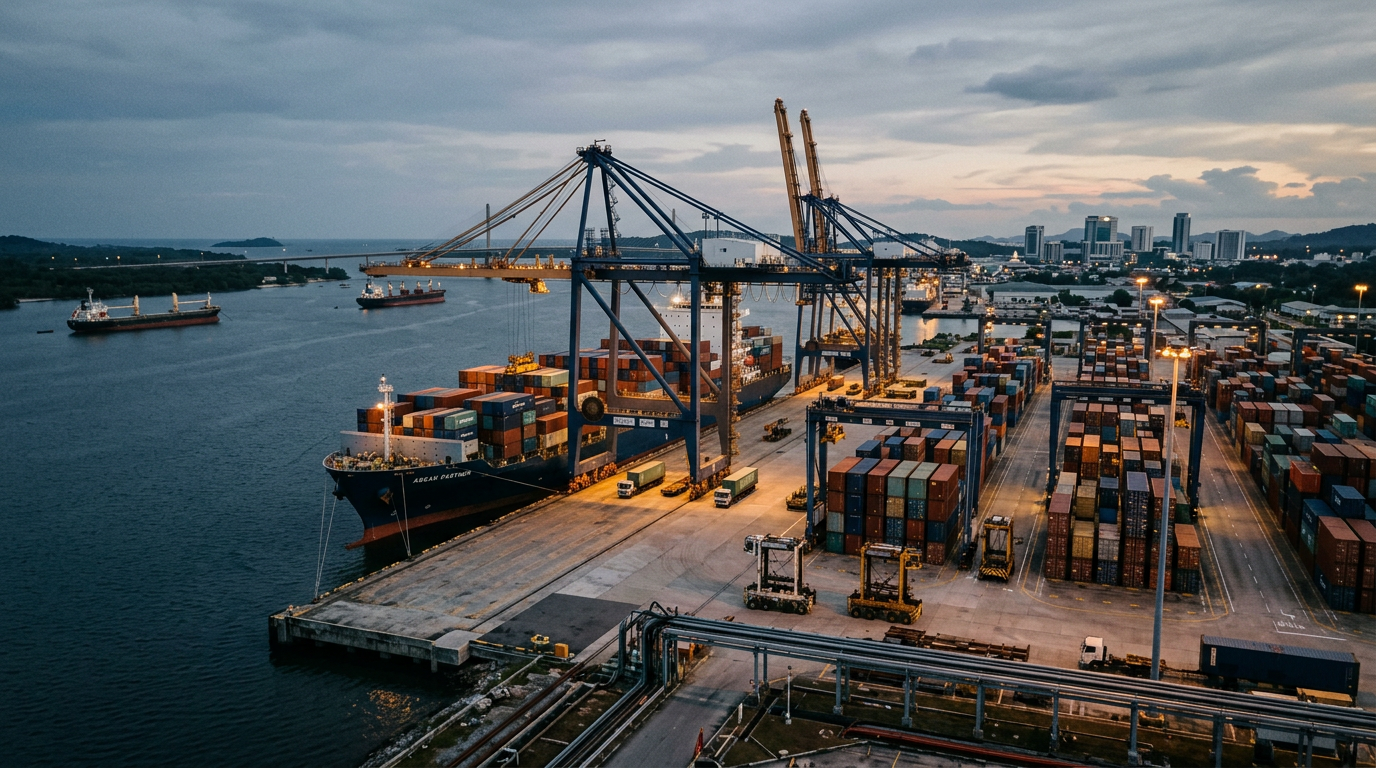
Australia and ASEAN: A Partnership Built on Execution
The recent ASEAN-Australia summit highlights a growing preference for tangible outcomes over ambitious announcements. For ASEAN, reliable partners who can deliver on infrastructure and economic commitments are increasingly valuable.
 Brunei
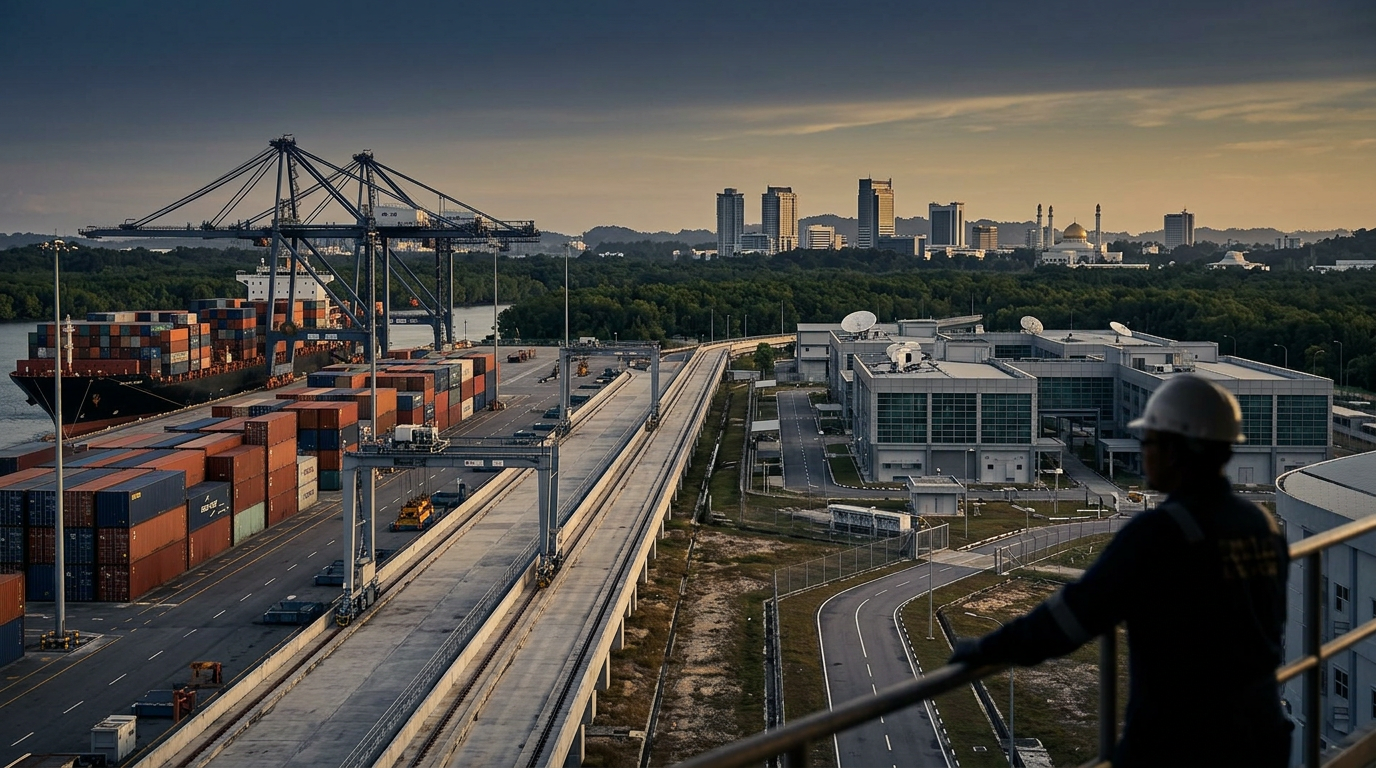
ASEAN and Australia: A Partnership Built on Practical Cooperation
Dr. Kao Kim Hourn's recent interview highlighted the steady, execution-focused nature of the ASEAN-Australia relationship. This approach, centered on tangible outcomes in infrastructure and economic integration, provides a valuable signal of institutional reliability.
 Brunei
ASEAN-Australia: A Partnership Built on Practical Cooperation
The recent ASEAN-Australia summit highlights a shared focus on execution, not just announcements. For Southeast Asia, delivering on infrastructure and economic integration is how institutional reliability becomes a true comparative advantage.
 Singapore
, the Market, and the State
Foreign capital is a constant in Singapore. The state's role is to ensure that each new wave of investment also builds national capacity for the long term.

 Philippines
Digital Trust in the Philippines: A Matter of Institutional Capacity
The proliferation of scam calls in the Philippines and the private sector response highlight a growing challenge for state capacity: how to build and maintain digital trust.

 Myanmar
State Capacity and the Silicon Carbide Future
A partnership between Infineon and Eaton to develop new solid-state transformers for data centers underscores the link between industrial policy, state capacity, and ASEAN's economic future. The venture highlights how institutional reliability can be a significant comparative.
 Thailand
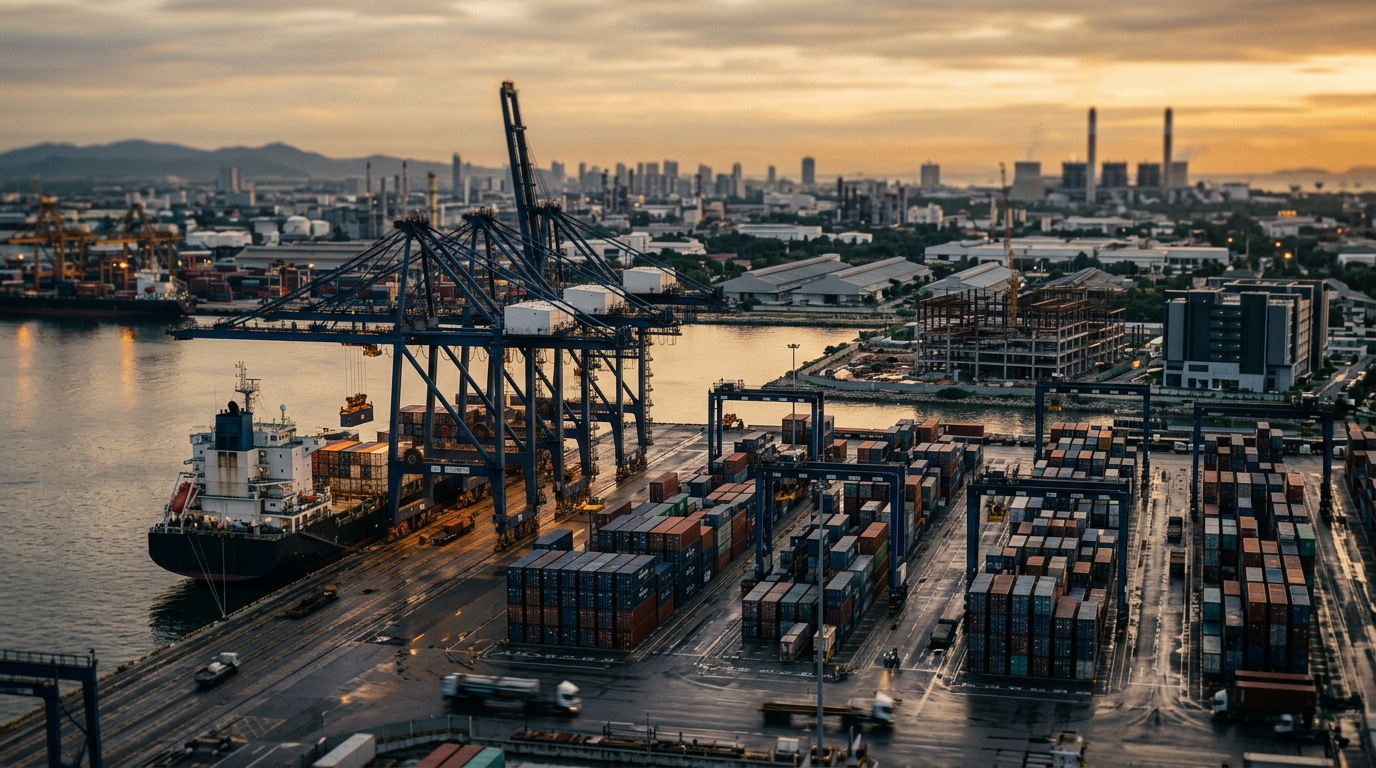
's FDI Fast-Track Tests Its Institutional Mettle
Thailand is expediting regulatory approval for a USD 3.66 billion industrial investment pipeline and offering tax incentives for tech IPOs. This move tests the nation's ability to translate announced foreign direct investment into tangible economic activity through effective.
 Timor-Leste
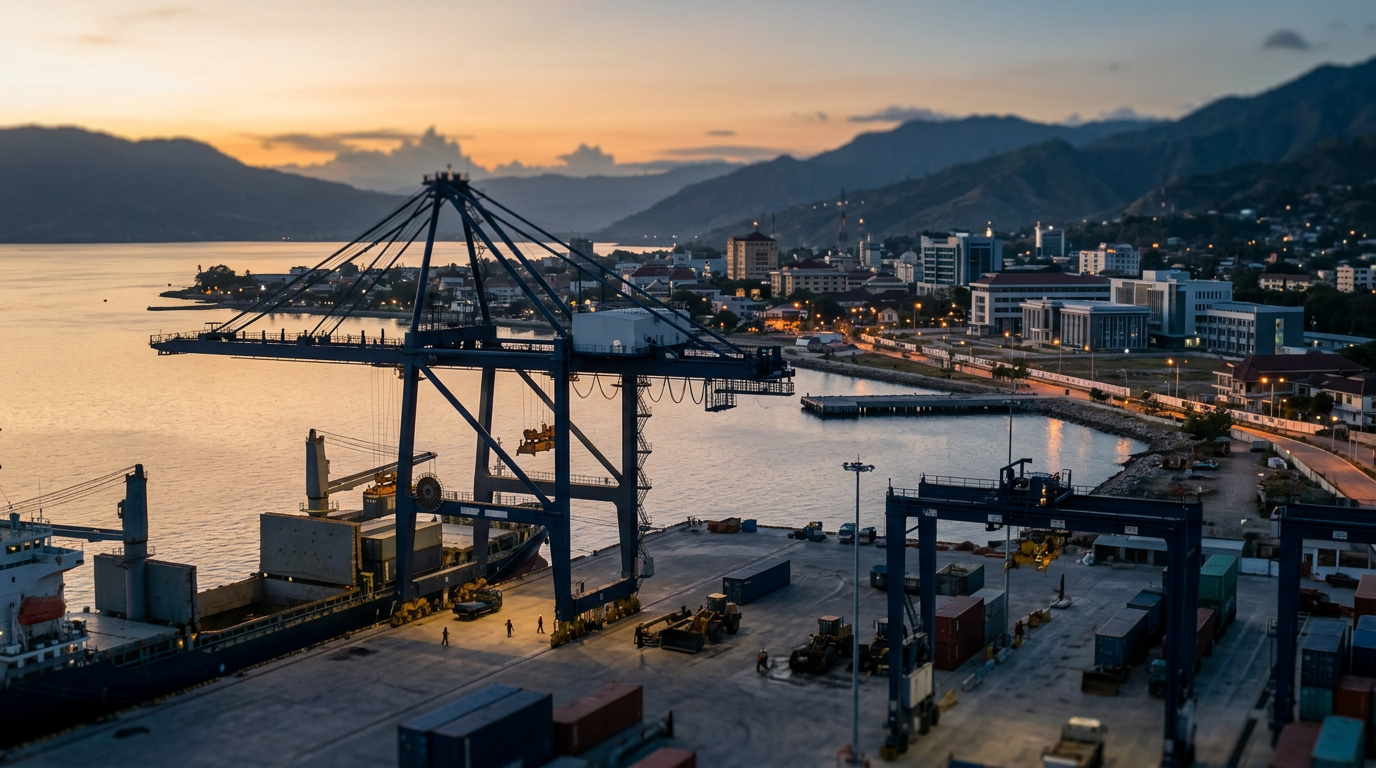
 and the Challenge of ASEAN Integration
Timor-Leste's journey toward ASEAN membership is not merely about signing treaties; it is about building the institutional capacity and infrastructure needed to integrate into the bloc's economic and strategic systems.

 Indonesia
The FIFA ASEAN Cup Kicks Off on a Foundation of Trust
The FIFA ASEAN Cup 2026 is more than a sporting event. It is a multi-billion dollar test of ASEAN's state capacity, from infrastructure to logistics to security.
 Indonesia
The Real Co-Host of the FIFA ASEAN Cup is Infrastructure
The FIFA ASEAN Cup will test whether the region's institutions and infrastructure can deliver a complex, multi-country event on time and on budget. Success or failure will send a strong signal to global capital.
 Indonesia
The FIFA ASEAN Cup and the Infrastructure Gap
The FIFA ASEAN Cup highlights the long-term value of reliable state institutions that can deliver complex projects on time. Infrastructure that arrives on time signals more than infrastructure that is merely announced.
 Indonesia
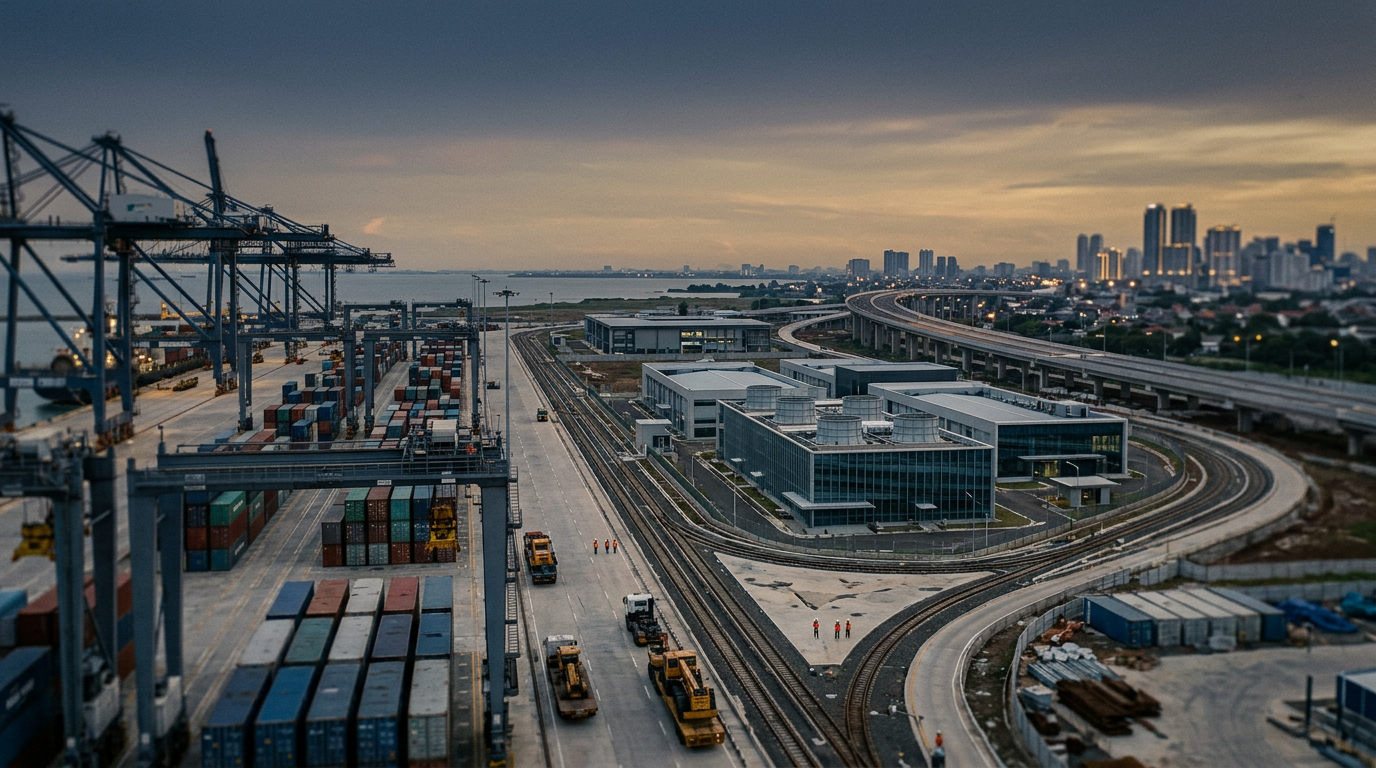
The FIFA ASEAN Cup Kicks Off, But What Comes After?
The FIFA ASEAN Cup is a useful brand-building exercise for the bloc. The bigger test will be whether the event leads to permanent upgrades in shared infrastructure and institutional capacity.
 Thailand
Foreign Direct Investment in ASEAN: From Announcement to Execution
Foreign investment pledges are one thing; realised investment is another. HSBC's focus on the Thailand-Japan corridor highlights the long-term institutional work required to turn FDI announcements into tangible assets and growth.
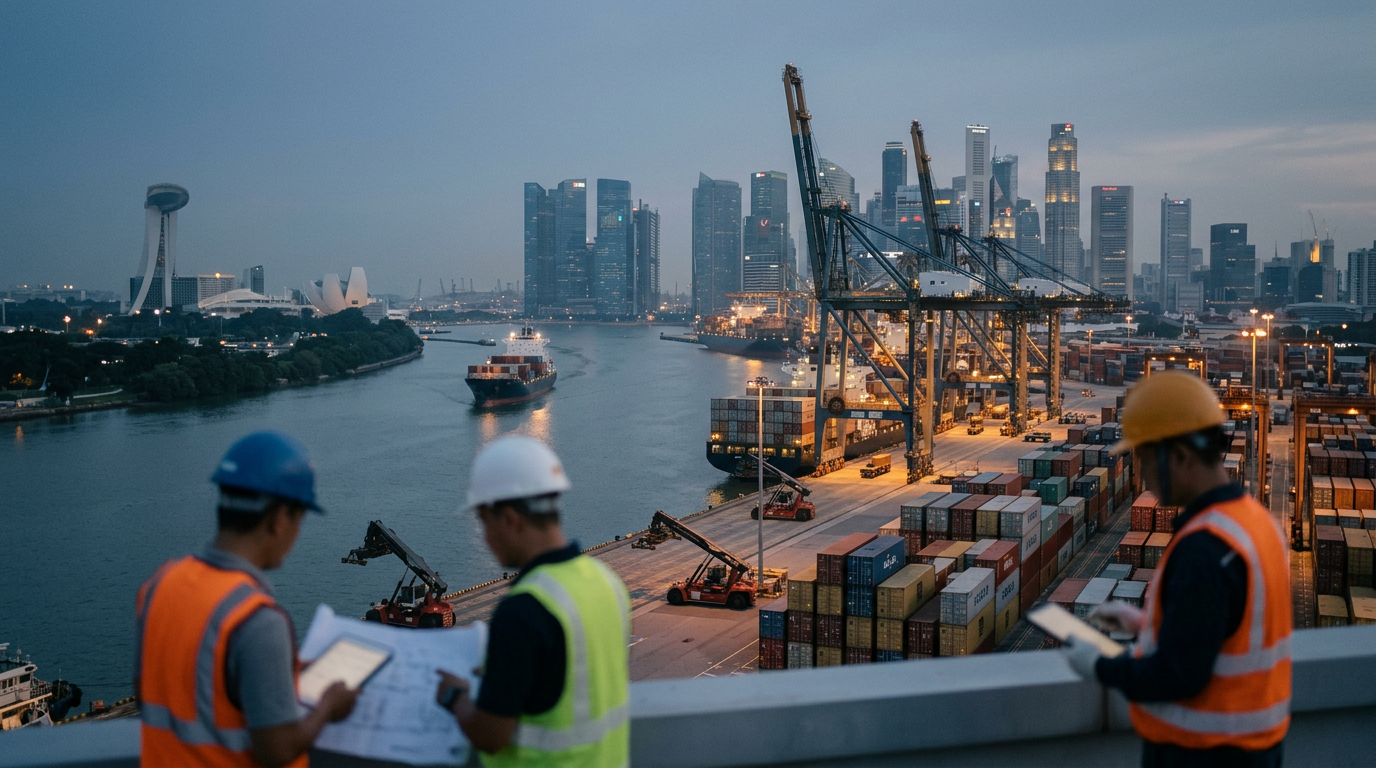
ASEAN, China, and the Value Creation Imperative
Trade with China is a structural feature of ASEAN economies. The question is how to manage this dependency while increasing value creation within the region.
 Indonesia
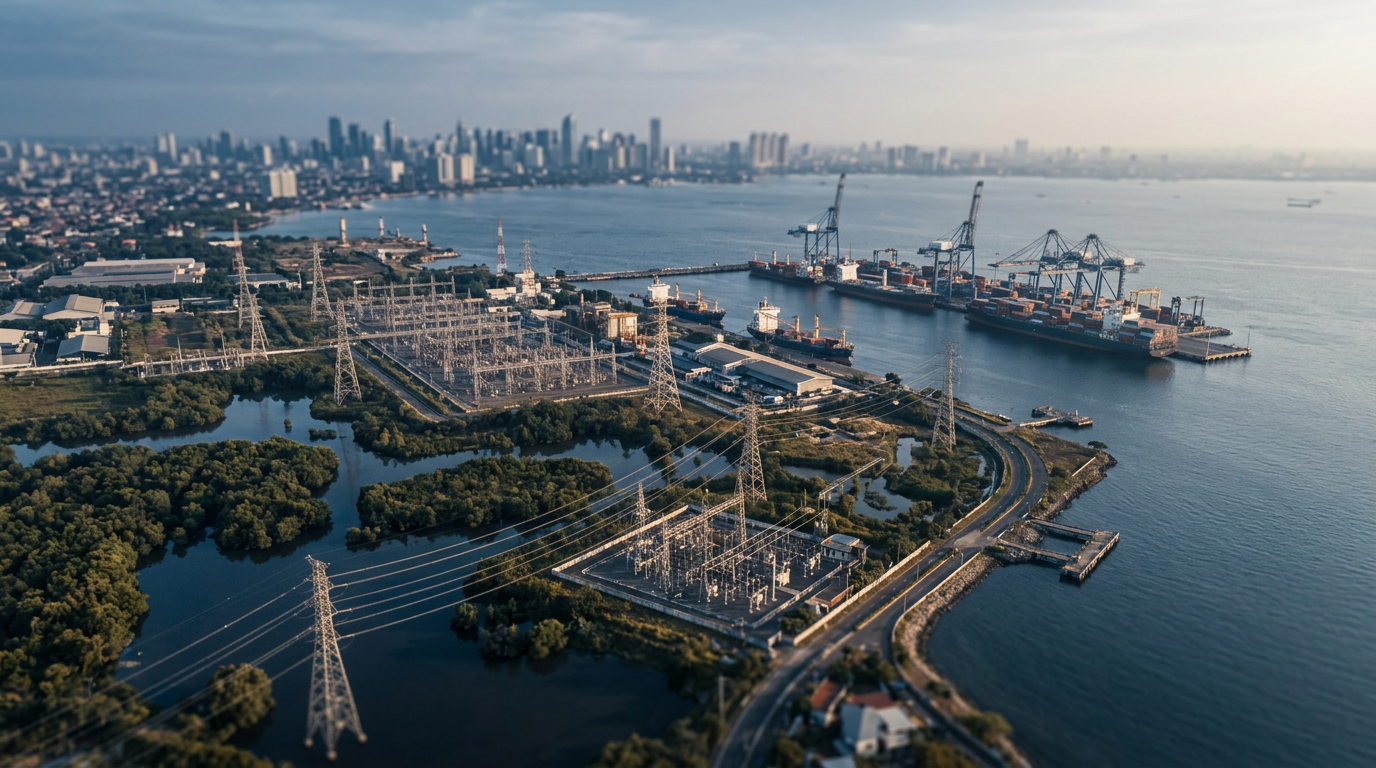
 and the ASEAN Power Grid: The Price of Integration
Indonesia's delay in joining the ASEAN Power Grid highlights a core challenge for regional integration: the tension between national interests and the collective benefits of shared infrastructure. While price negotiations are the immediate cause, the situation points to deeper.
 Singapore
Japan, ASEAN, and the China Question
ASEAN and Japan are deepening their economic partnership. The recent ministerial consultation is not just about trade facilitation; it is about building institutional guardrails for a trade relationship that must coexist with China's structural role in the region.
 Singapore
ASEAN-US Cooperation and the Quiet Work of Institutions
The recent AEM-USTR Consultation in Manila is a reminder that institutional reliability has become part of comparative advantage. A usable state is often more valuable than an exciting one.
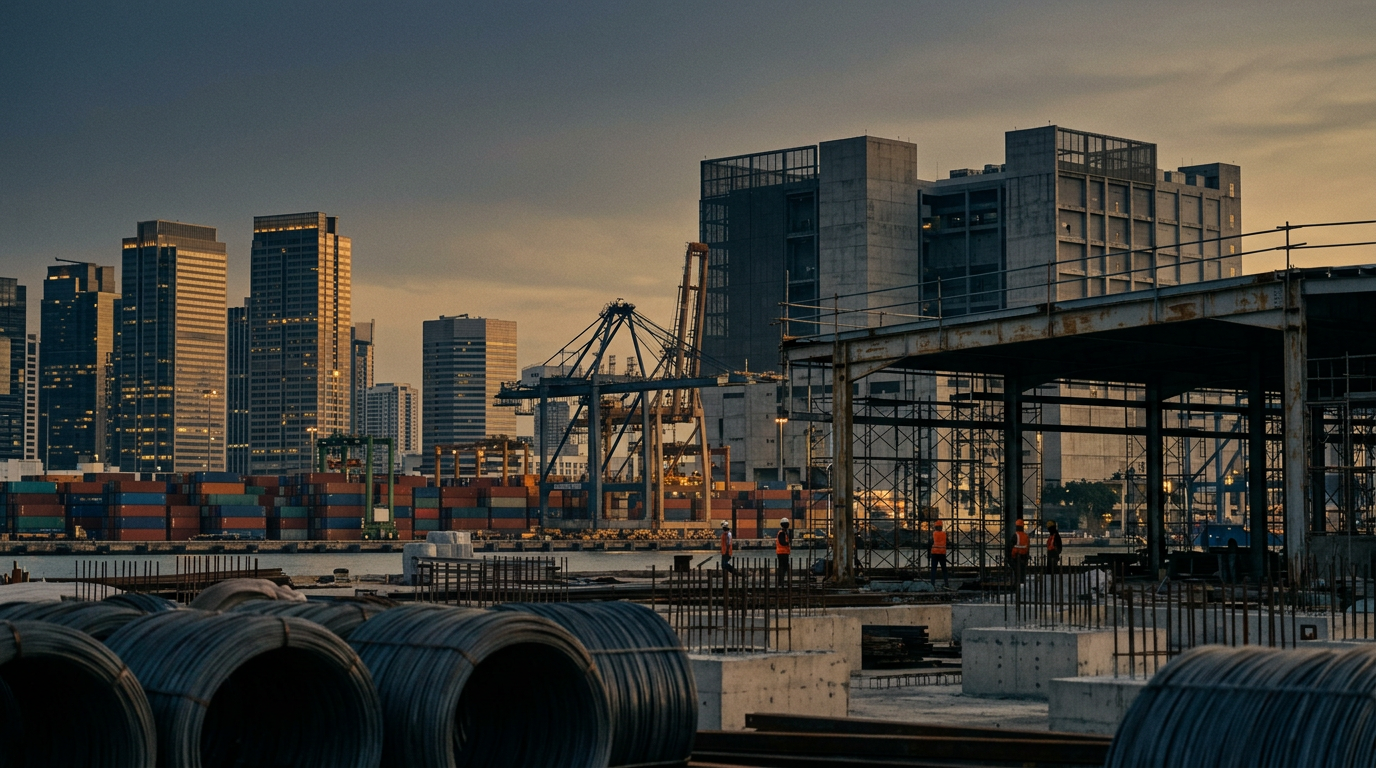
From Handshakes to Hard Hats: AHKIA and the Test of Implementation
An amended investment agreement with Hong Kong is a positive step. But as ASEAN Rising notes, the real work for solidifying investment flows happens on the ground, through institutions that can connect capital to tangible projects.
 Singapore
ASEAN Work Plans and the Price of Inaction
Announcements are not outcomes. ASEAN's IAI Work Plan V is the latest in a series of plans to narrow the development gap. As the book ASEAN Rising argues, follow-through is a dimension of state capacity, and state capacity has become a factor in comparative advantage.
 Vietnam
 Airlines' Airbus Order Underscores the Value of Execution
Vietnam's aviation sector growth is a tangible result of its focus on institutional capacity and reliable infrastructure development, a core theme of ASEAN Rising.
 Indonesia
Foreign Investment: From Announcement to Execution
Foreign direct investment announcements travel quickly, but realised flows depend on the slower work of land, permits, power, and talent.
 Malaysia
: Ringgit pressure shows capital is not a captive audience
Malaysia's currency is under pressure, a reminder that capital flows are sensitive to policy execution, not just announcements.
 Philippines
The Hard Work of ASEAN Connectivity
ASEAN connectivity is not just about grand pronouncements, but the hard, unglamorous work of institutional reform that translates vision into reality.
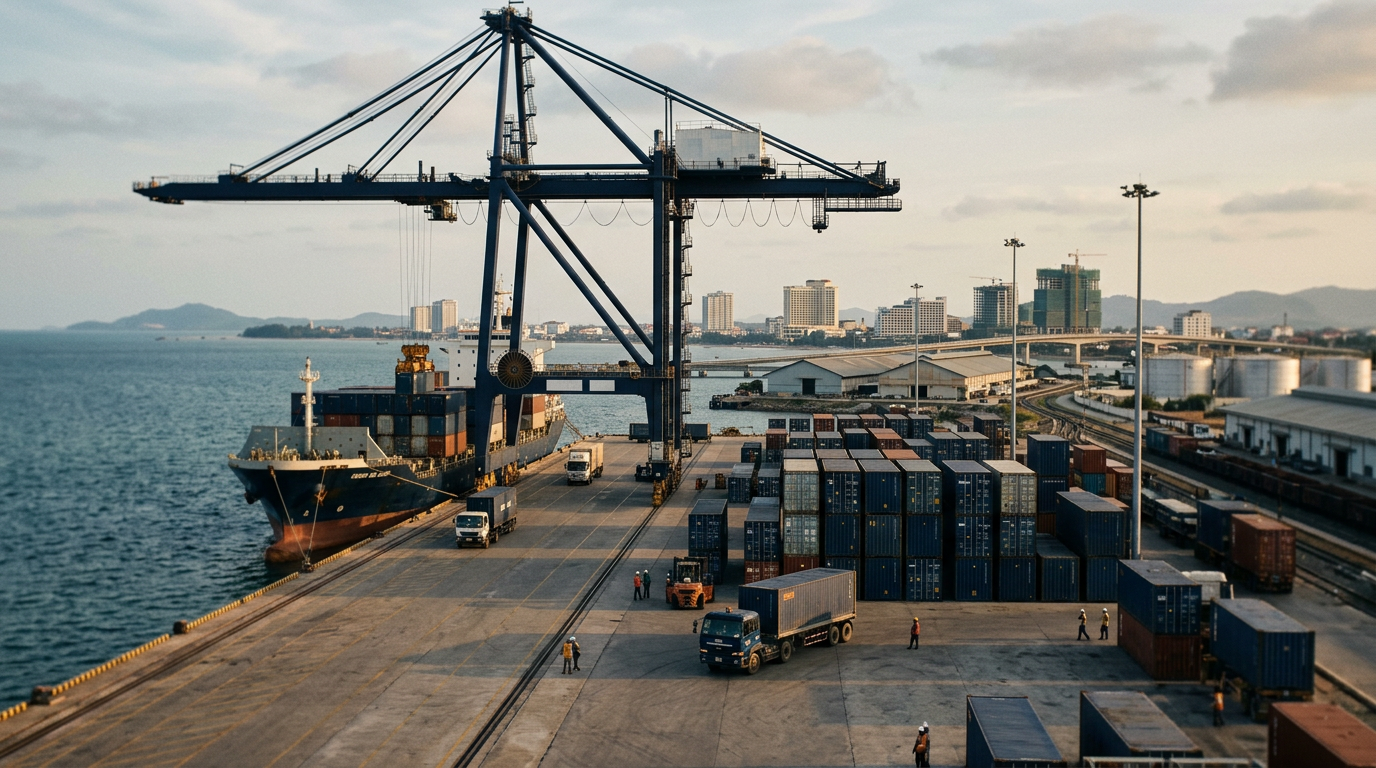
 Cambodia
The Value of a Usable State in ASEAN Connectivity
As ASEAN leaders highlight connectivity, the focus must shift from grand announcements to the steady, reliable execution of infrastructure projects. Institutional reliability is the bedrock of regional integration and economic growth.
 Brunei
's AI MOU: A Test of Institutional Reliability
A new agreement between NEC and the UNDP to apply AI to climate action in Brunei is a small-scale, real-world test of the country's capacity to execute on its ambitious digital and green transition plans.
 Indonesia
's Airports and the Quiet Work of Institutions
The recent reopening of Indonesia's airports after a volcanic ash crisis highlights the importance of institutional reliability for the country's economic ambitions.
 Singapore
, AI, and the Execution Test
Singapore's AI ambitions depend on far more than just capital. The execution test lies in the coordinated delivery of land, power, and talent.
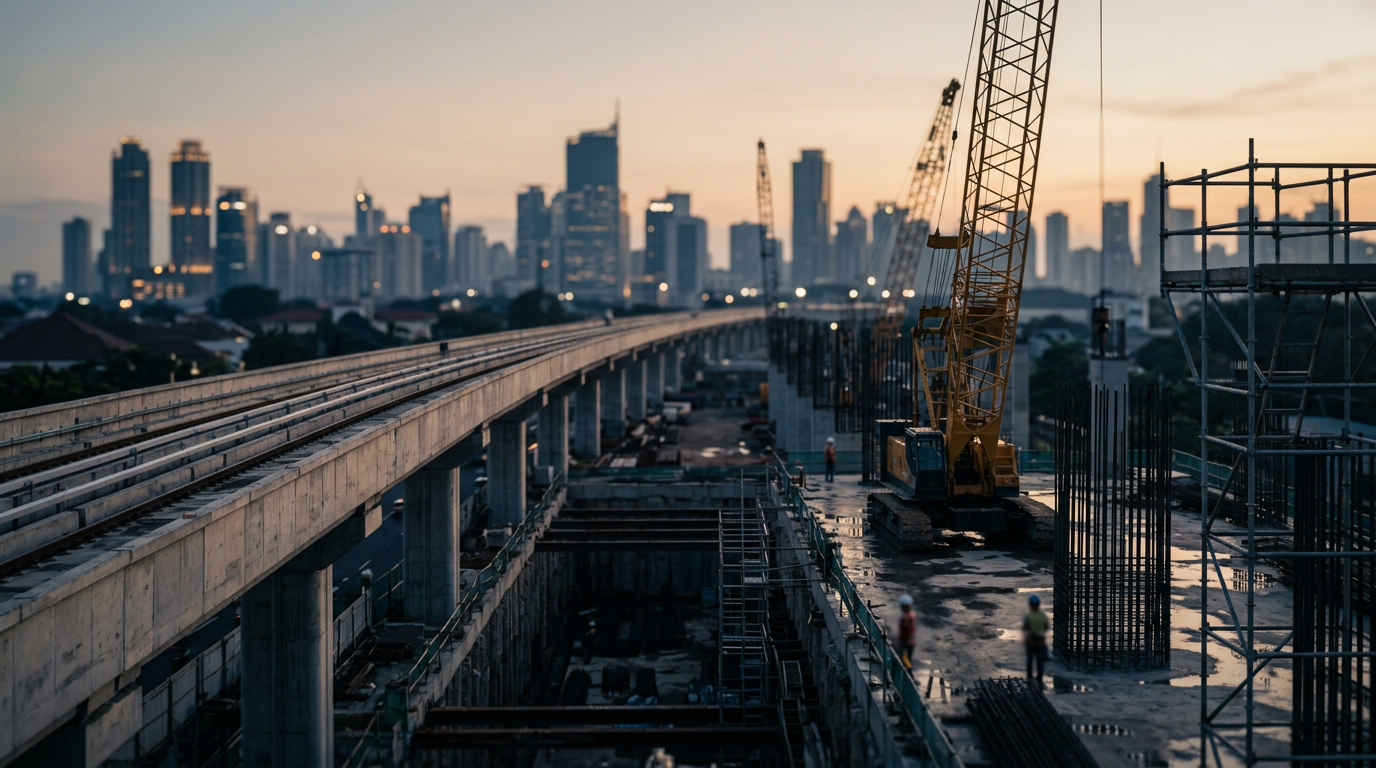 Indonesia
's FDI Plateau: Execution Over Announcements
Indonesia's FDI growth held steady in 2025, a slowdown from the prior year. This reflects the long-term challenge of turning investment announcements into tangible projects, a matter of institutional execution.
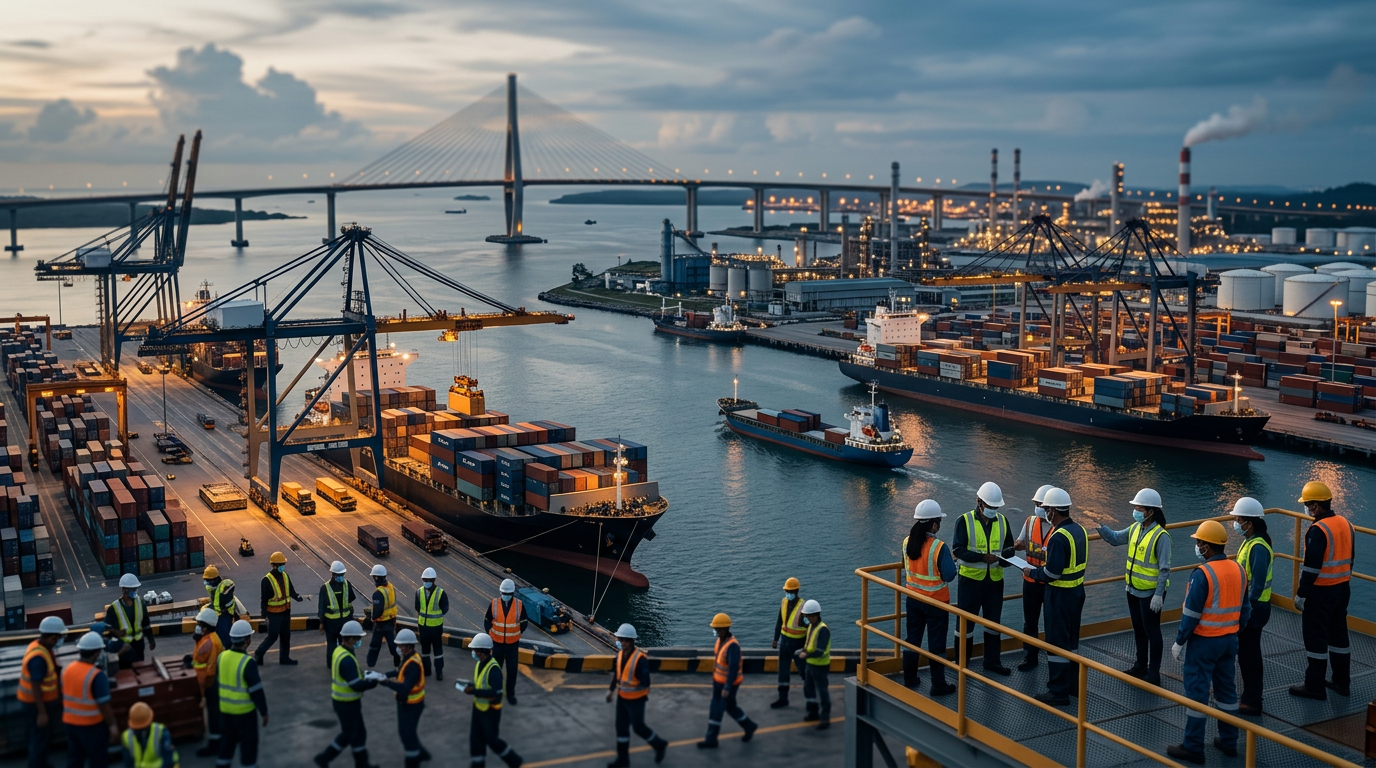 Brunei
ASEAN Plus Three: Labor Interdependence with China, Japan, and Korea
The recent ASEAN Plus Three Labour Ministers Meeting shows how regional cooperation on labor, reskilling, and social protection is deepening. For ASEAN, this is not just about managing relations with its northern neighbors, but about building a more resilient and integrated.
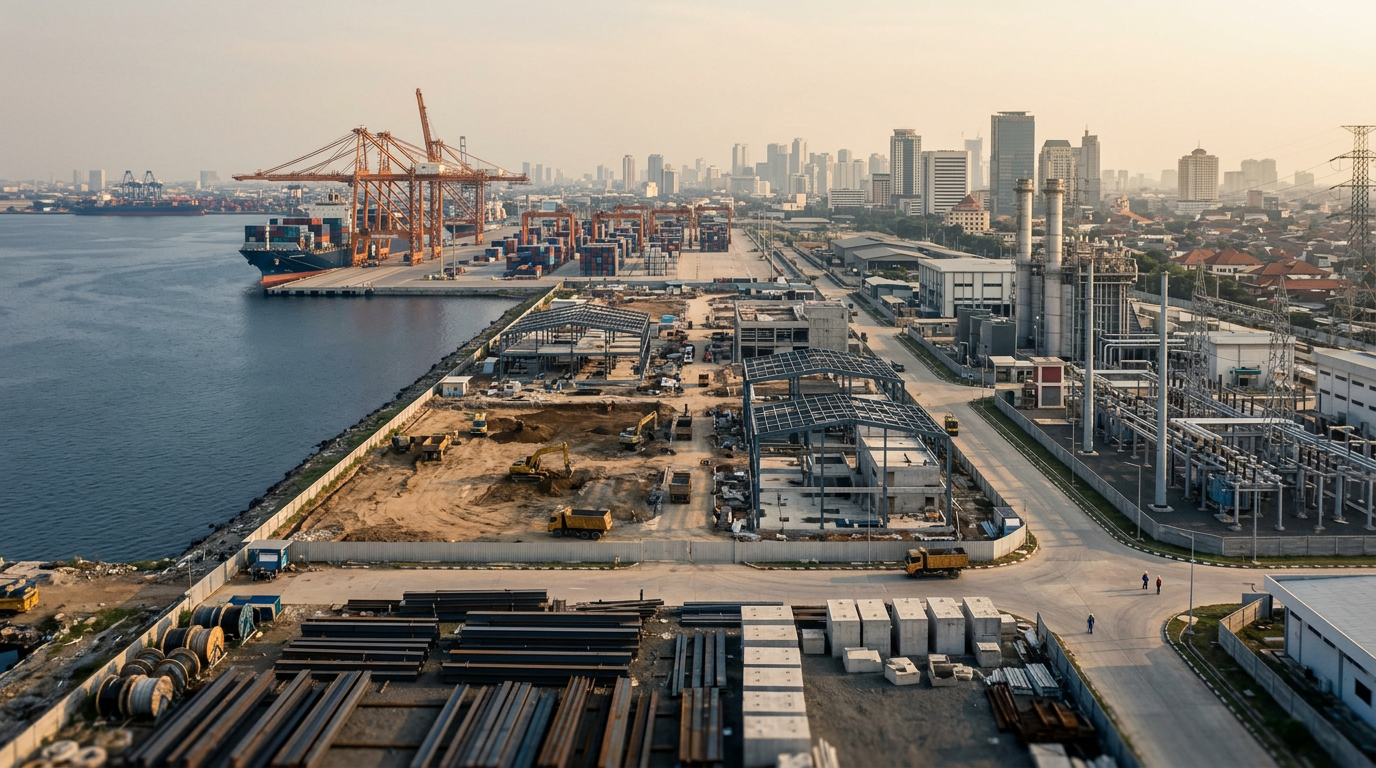 Indonesia
: From FDI Pledges to Project Realities
Indonesia has secured high-profile FDI pledges, yet the real test lies in converting these announcements into tangible projects. The journey from headline numbers to operational assets is a complex process of managing land, permits, power, and talent.
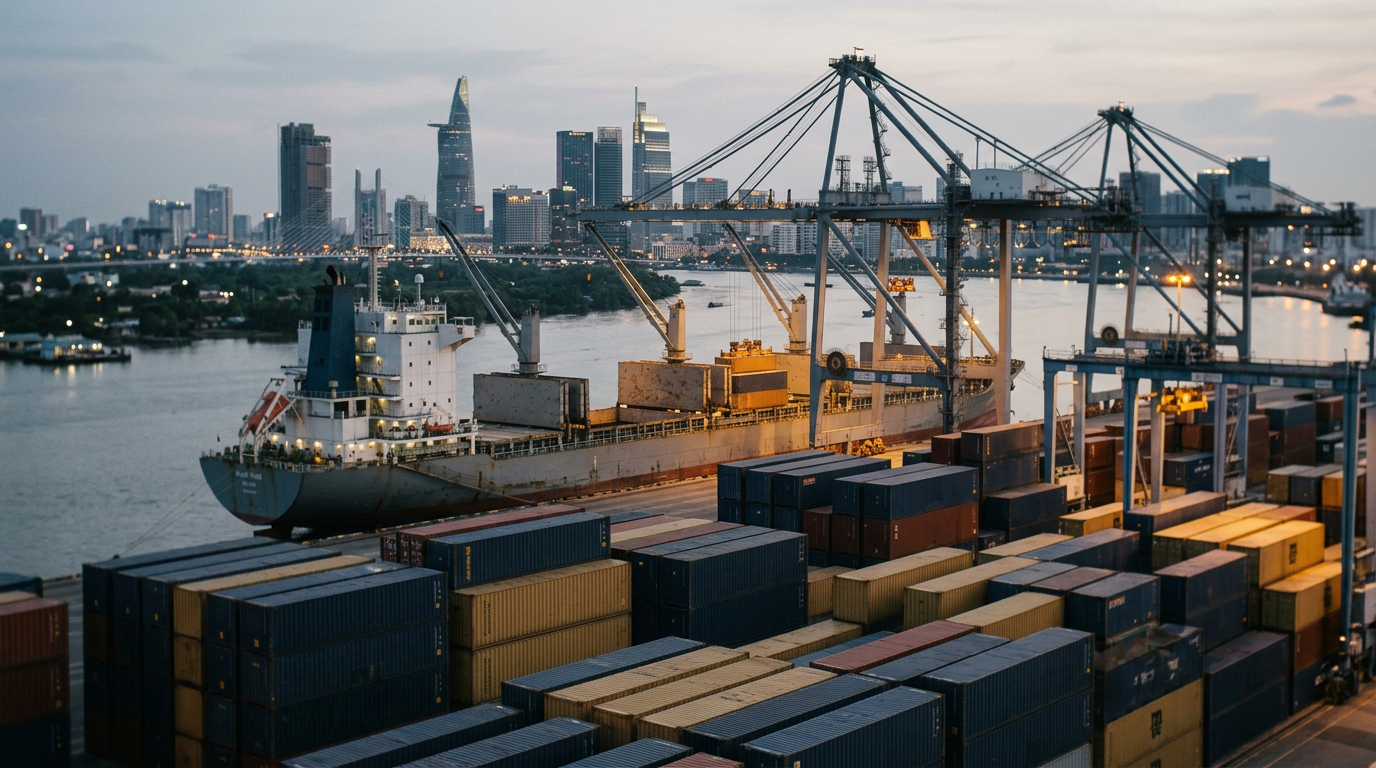 Vietnam
's FDI Win Is a Story of Institutions
Singaporean FDI into Vietnam reflects a sophisticated, institution-driven approach to capital allocation within ASEAN, favoring regulatory clarity and execution over sheer market size.
 Malaysia
The RTS Link Is About More Than Just Infrastructure
The RTS Link between Johor and Singapore is a test of institutional capacity, not just an infrastructure project. Its completion will show that complex, cross-border projects can be delivered on time, building trust and deepening economic integration.
 Brunei
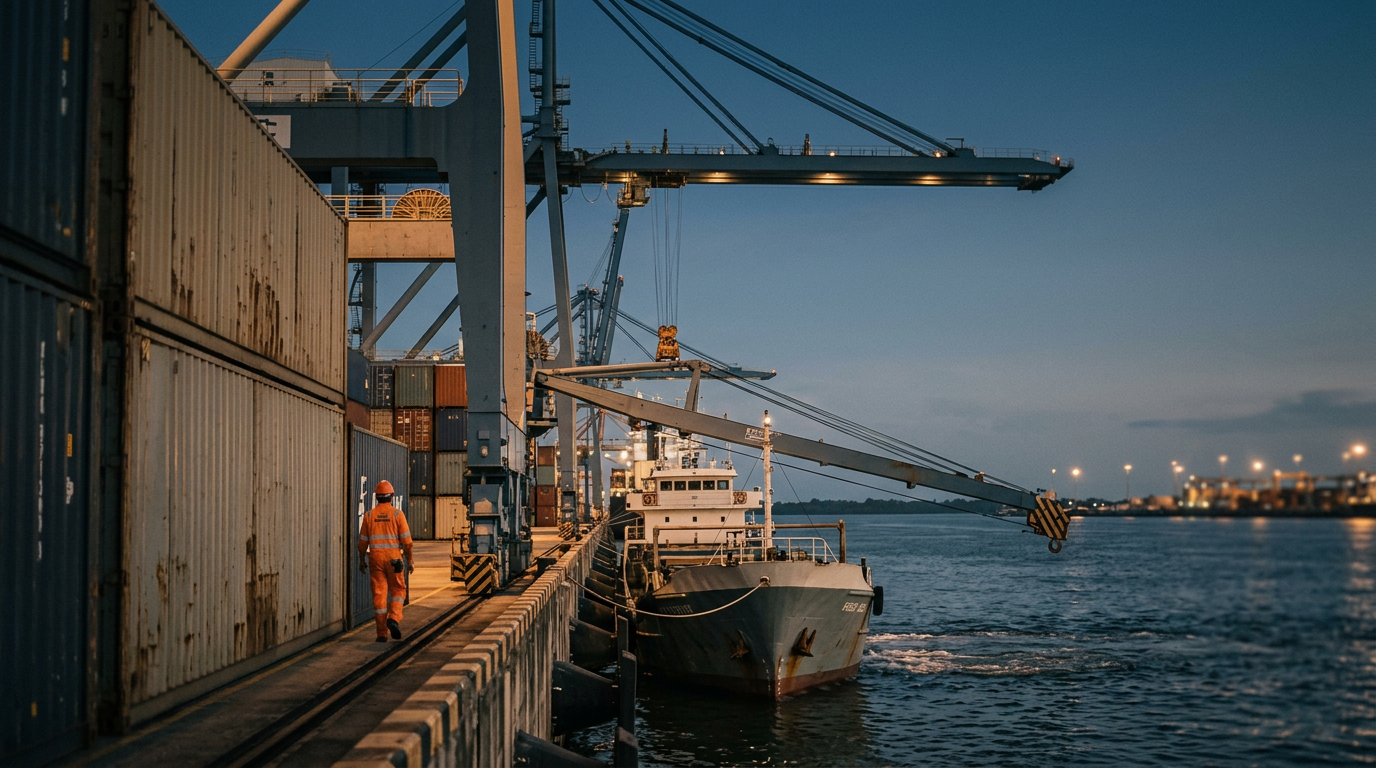
Brazil Looks to ASEAN, But Talk is Cheaper Than Action
Secretary-General of ASEAN, Dr. Kao Kim Hourn, met with Ambassador Maria Luiza Lopes da Silva of the Brazilian Cooperation Agency to discuss deepening cooperation. The meeting highlights a growing interest between the two regions, but turning dialogue into tangible results.
 Brunei
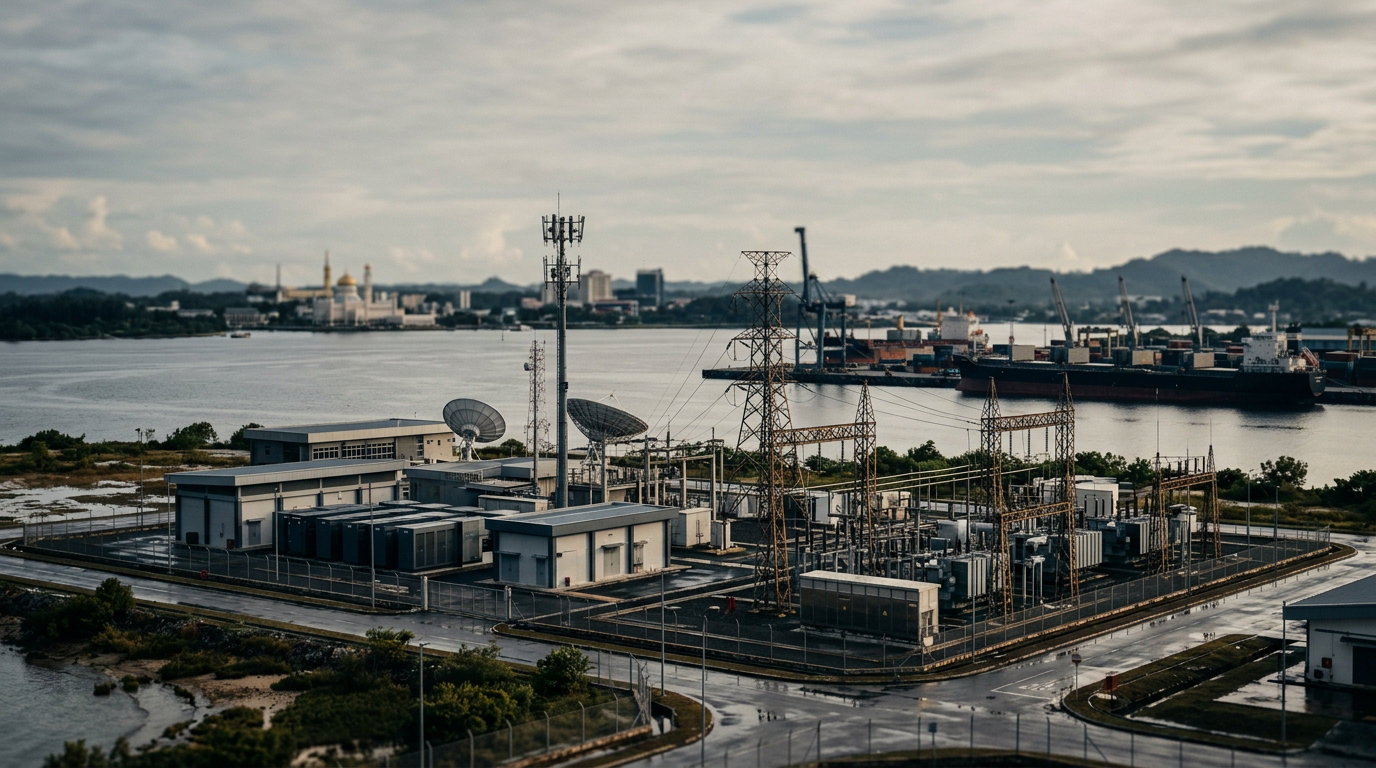
, Microsoft, and the Value of a Usable State
Microsoft's expanded partnership with Qcells to develop virtual power plants in Brunei highlights a key theme from ASEAN Rising: "A usable state is often more valuable than an exciting one."

Malaysia's ASEAN Grid Pitch Puts Institutions to the Test
Malaysia's proposal for an integrated ASEAN power grid is a timely reminder that institutions are the bedrock of shared infrastructure, and that a usable state is often more valuable than an exciting one.
 Brunei
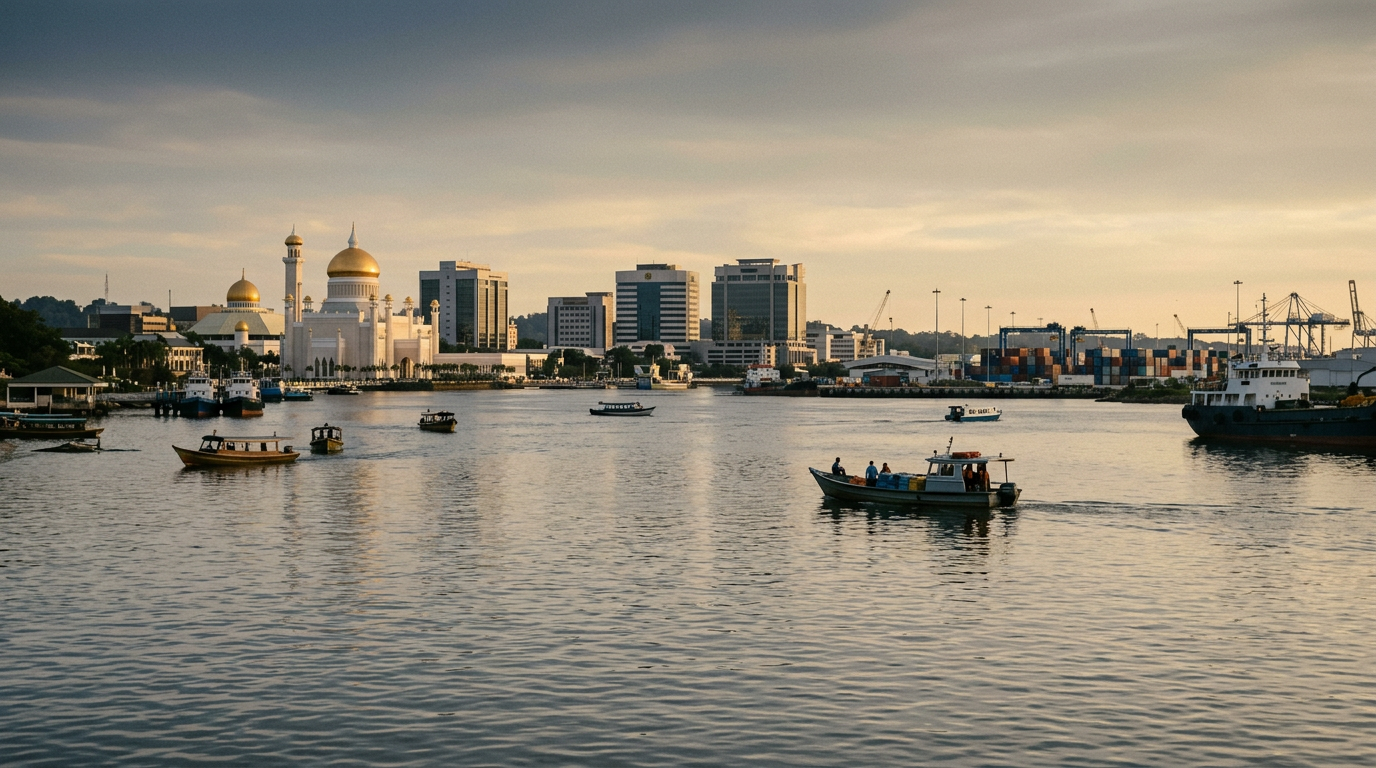
Denmark, ASEAN, and the Value of Boring
The new ASEAN-Denmark partnership is a reminder that a usable state is often more valuable than an exciting one. It is a quiet success story for the often-criticized ASEAN Secretariat.
 Singapore
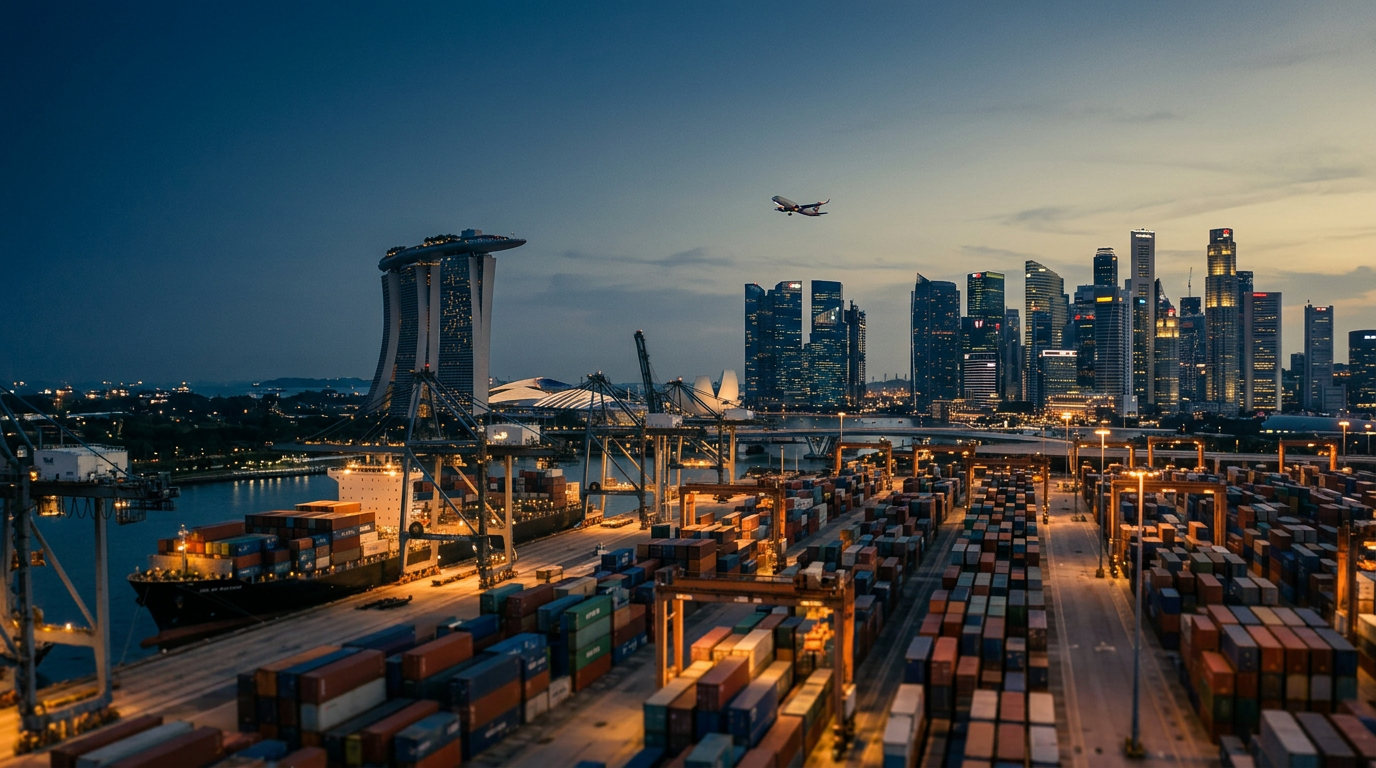
, Connectivity, and the FDI Challenge
New non-stop flights from Singapore to secondary cities across ASEAN are a welcome step, but translating connectivity into realised investment requires a deeper focus on the institutional capacity to deliver land, permits, power, and talent.
 Vietnam
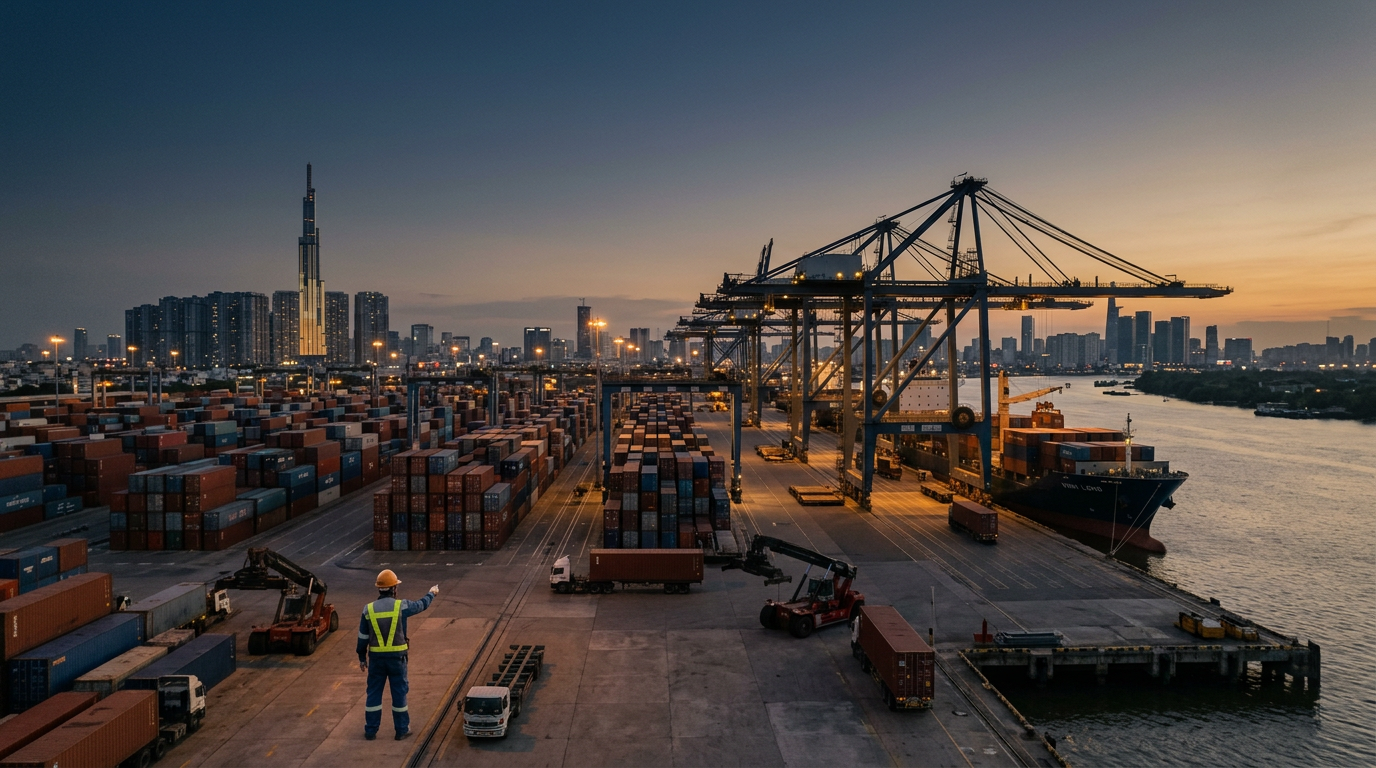
's FDI Surge Is A Story Of Execution
Foreign investment inflows to Vietnam surged in the first seven months of the year, but turning announcements into realised flows depends on the slower work of improving institutions and infrastructure.
 Myanmar
 and ASEAN: The Civil Service Imperative
The recent meeting between ASEAN's Secretary-General and Myanmar's Union Civil Service Board chairman puts the spotlight back on the foundational role of state capacity in delivering on ASEAN's goals. For Myanmar, a functioning civil service is the bedrock of economic recovery.

The Engine of Integration: ASEAN's Focus on Civil Service
A recent meeting on civil service cooperation highlights a foundational element of regional progress: building reliable state institutions that can execute on policy and deliver on promises.
 Thailand
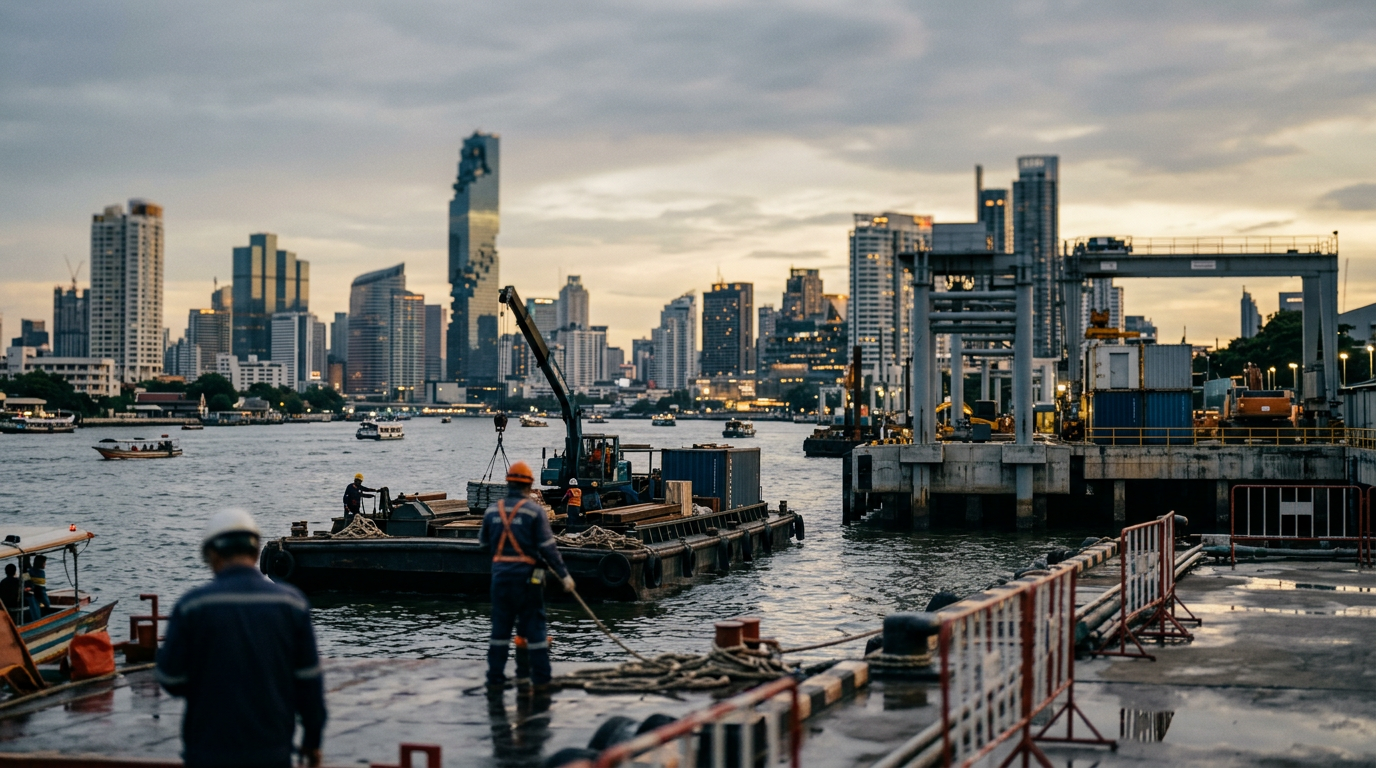
's Tourism Dip and the ASEAN Investment Test
A recent dip in Thai tourism highlights a broader challenge for ASEAN: turning headline interest into tangible economic value requires robust institutions and on-the-ground execution.
 Philippines
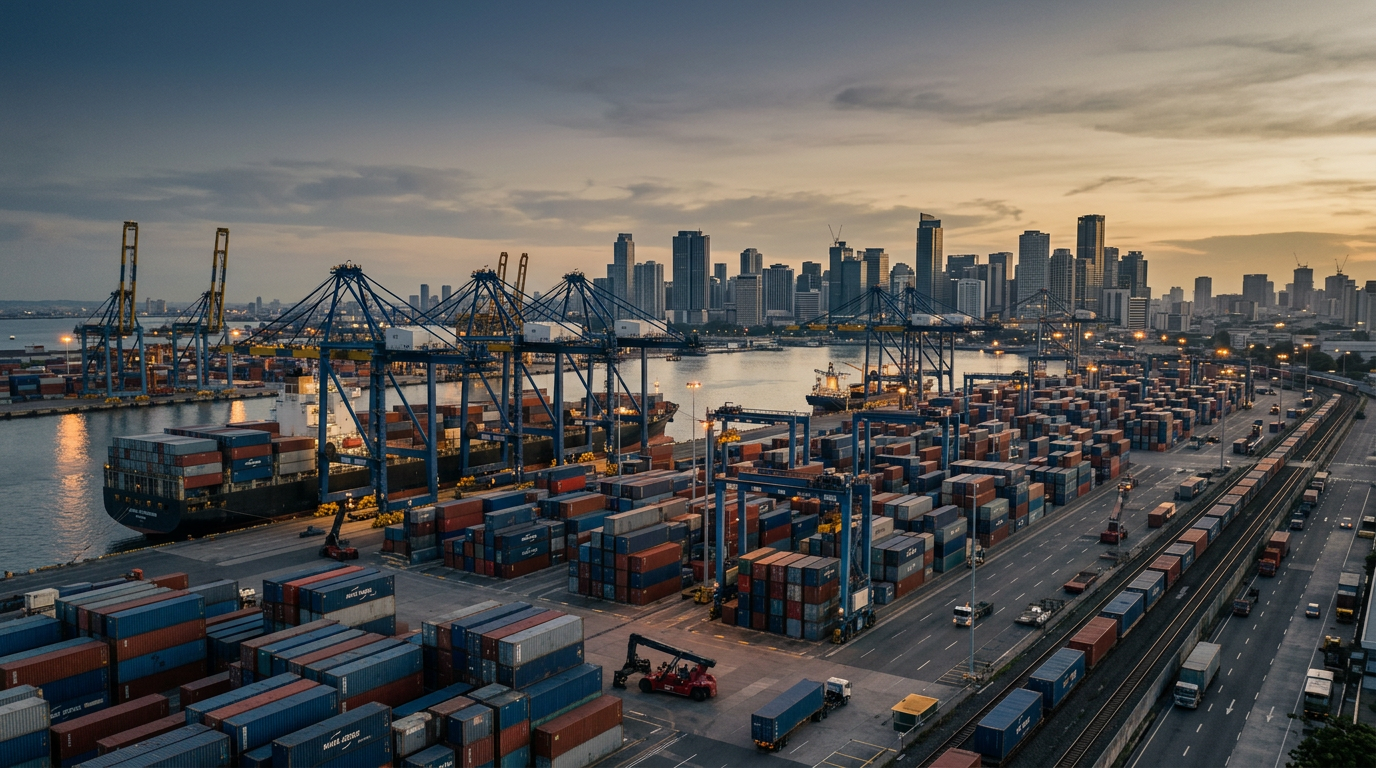
Beyond the Ceremony: The New ASEAN Secretariat and the Test of Execution
The completion of the new ASEAN Secretariat building is more than a symbolic milestone. It is a tangible indicator of the institution's ability to deliver, a theme central to regional competitiveness.