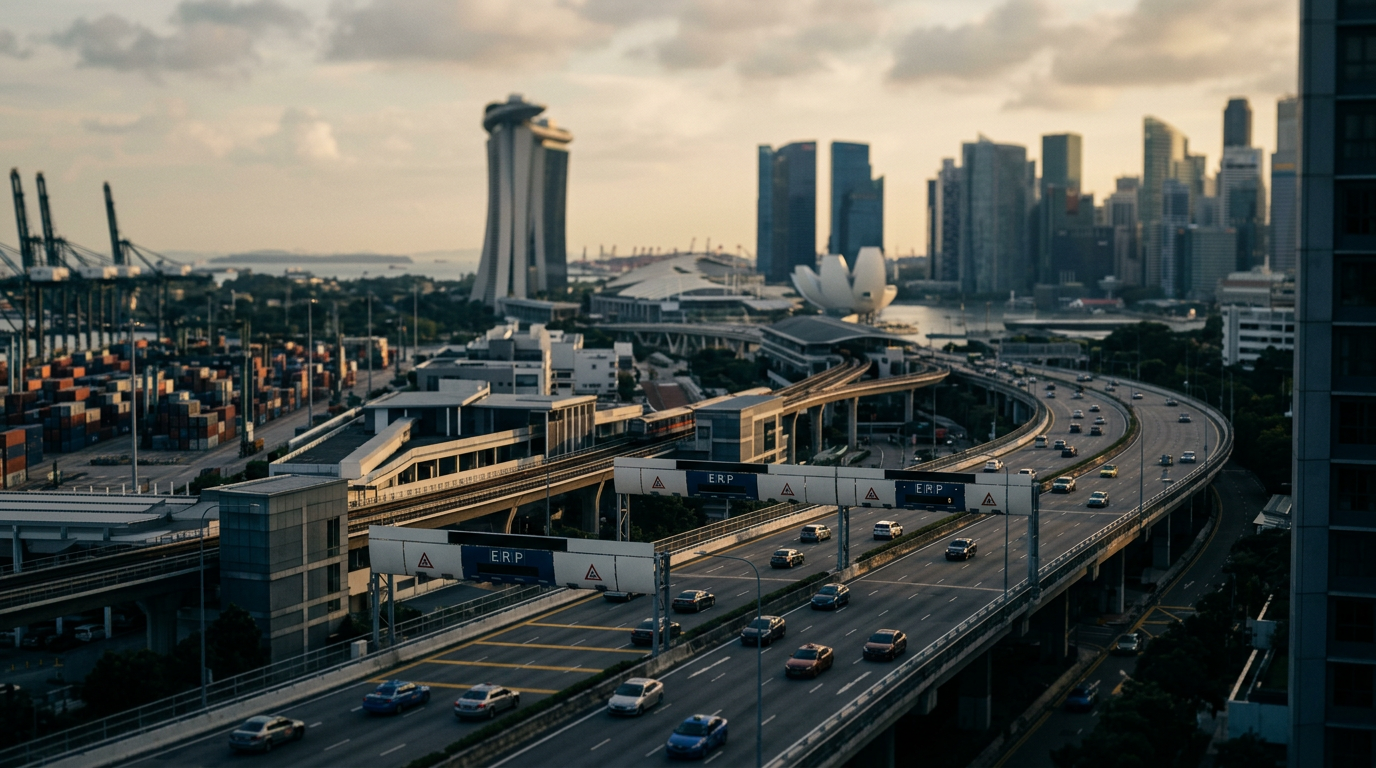
Singapore
Singapore, Connectivity, and the FDI Challenge
New non-stop flights from Singapore to secondary cities across ASEAN are a welcome step, but translating connectivity into realised investment requires a deeper focus on the institutional capacity to deliver land, permits, power, and talent.
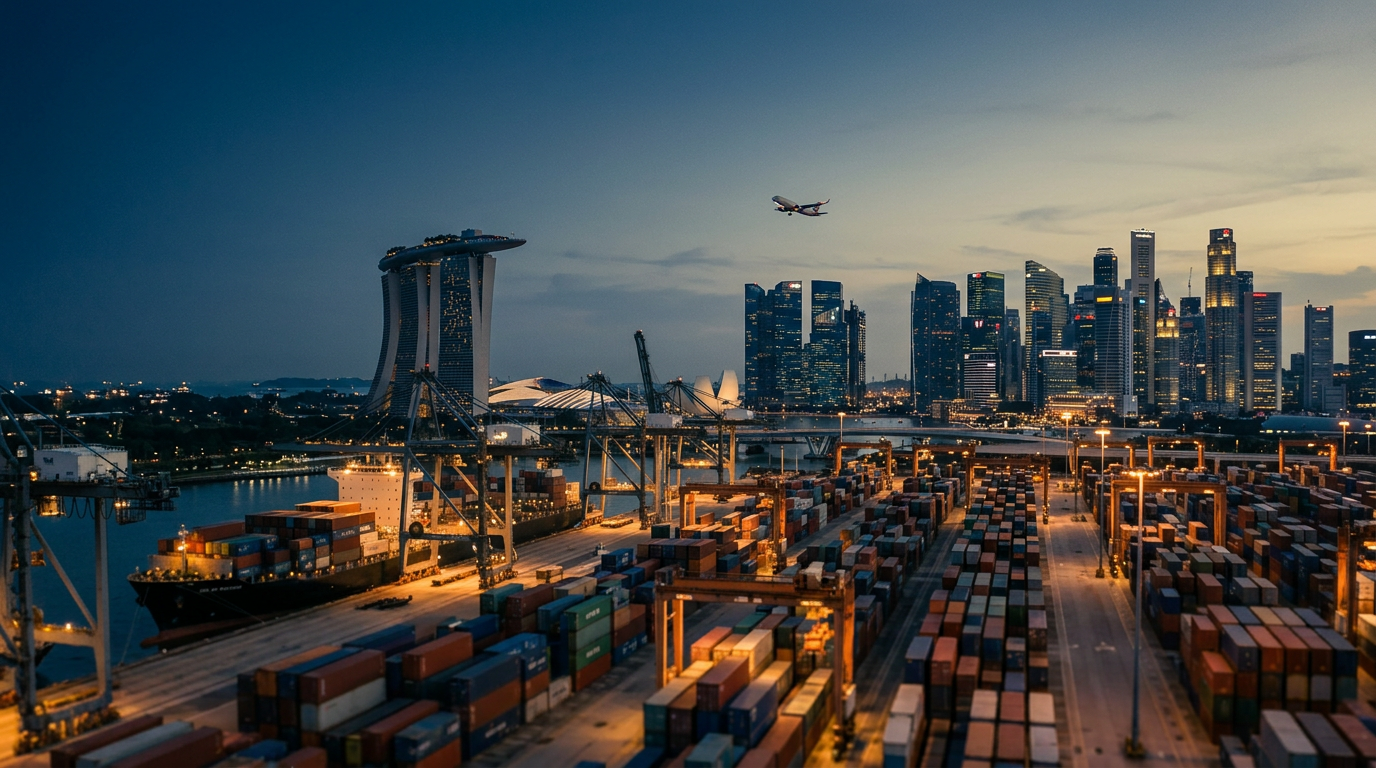
Singapore is looking to enhance its economic ties with the region by increasing the number of non-stop flights to emerging markets, according to a recent report from the Ministry of Trade and Industry (MTI), as reported by The Business Times. The argument is that direct air links facilitate foreign direct investment (FDI) and boost trade. While improved connectivity is a positive development, the experience of ASEAN neighbours shows that turning headline FDI announcements into tangible projects on the ground is a far more complex undertaking.
From Handshakes to Hard Hats
Announcing a multi-billion dollar investment is one thing; executing it is another. Capital flows follow the path of least resistance, and in large, diverse archipelagos like Indonesia and the Philippines, that path is often obstructed. The book ASEAN Rising notes that translating national scale into investable opportunities is not automatic. "Realised flows depend on the slower work of land, permits, power and talent reaching the ground."
This is the core of the challenge. A new flight from Changi to a secondary city in Indonesia, for example, makes it easier for executives and engineers to travel. It does not, however, automatically clear the way for land acquisition, secure the necessary operating permits from local and national authorities, guarantee stable power supply to a new factory, or produce a workforce with the right skills. These are the persistent, non-glamorous bottlenecks that determine the actual pace of economic development. While Singaporean capital and expertise can help, the institutional capacity of the host country remains the primary variable.
Institutions as Infrastructure
Physical infrastructure like airports is visible and politically popular. Less visible, but arguably more important, is the institutional infrastructure that governs investment. This includes the legal frameworks for contracts, the transparency of regulatory processes, and the coordination between different levels of government. When these systems are weak, inconsistent, or opaque, the cost and risk for investors increase, slowing the conversion of pledged FDI into completed projects and actual jobs.
Singapore's MTI report correctly identifies the potential for direct flights to stimulate economic activity. Singapore's role as a regional hub for capital and services is well established. However, for that capital to be deployed effectively into its neighbours' economies, it must connect with capable local institutions. The success of new air routes in driving investment will depend less on the frequency of the flights and more on the ability of the destination markets to absorb and facilitate that investment. This is the hard work of building a predictable and efficient business environment, a task that falls primarily to the host governments.
What to watch
As Singapore pushes for greater connectivity, observers should track not just the announcement of new flight routes and FDI pledges, but the rate of FDI realisation in the destination markets. Monitor the progress of administrative reforms, decentralisation of power, and investments in vocational training in countries like Indonesia and the Philippines. The true measure of success will be the speed and efficiency with which capital, once it lands, can be put to productive use. The presence of a new non-stop flight is a good start, but it is the institutional groundwork that will ultimately determine the economic impact.