Vietnam
The Quiet Infrastructure of Trust
In ASEAN, the foundation of a modern economy is not just concrete and steel, but the steady, reliable execution of state functions. Institutional reliability has become its own form of comparative advantage, signaling a maturity that is often more valuable than disruptive but.
In a recent address to the 2026 Biodiversity Science Forum, ASEAN Secretary-General Dr. Kao Kim Hourn emphasized the importance of science, knowledge, and data in tackling regional challenges. While the subject was biodiversity, the underlying theme was the critical role of state capacity and institutional effectiveness-a theme that resonates deeply with ASEAN's broader economic development. The speech underscores a fundamental point: effective action, whether in environmental protection or economic growth, rests on the ability of institutions to deliver.
Institutions as Infrastructure
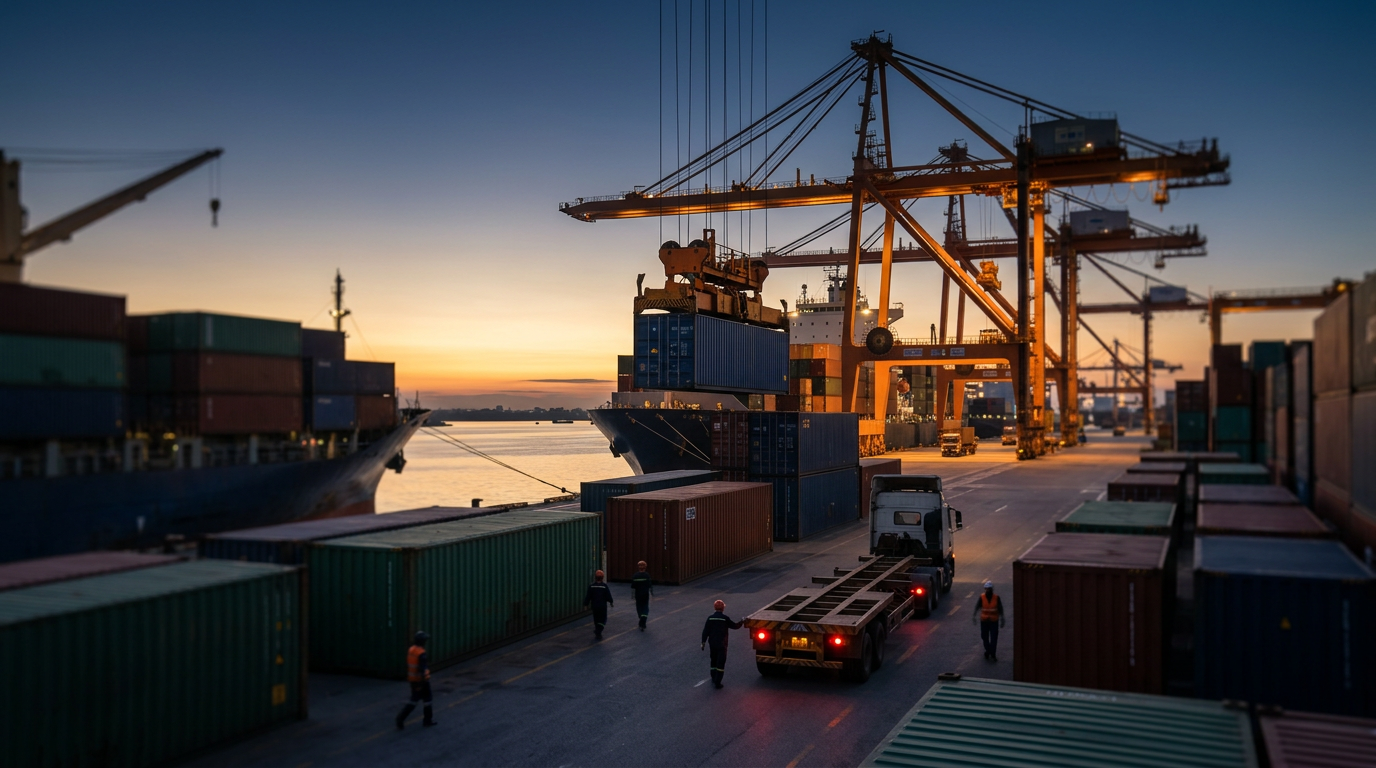
When we think of infrastructure, we often picture ports, roads, and power grids. These are the visible sinews of a modern economy. However, there is another, less visible form of infrastructure that is just as important: the machinery of the state itself. The ability to collect taxes, regulate markets, enforce contracts, and deliver public services is the bedrock upon which all other development is built. Without a functional state, physical infrastructure projects can falter, and private investment will hesitate.
"ASEAN Rising" notes that this institutional reliability has become a distinct comparative advantage. In a world of increasing volatility, investors and businesses are drawn to predictability. A government that can consistently and transparently execute its stated plans creates a stable environment for growth. The message is clear: "A usable state is often more valuable than an exciting one." The steady, if sometimes slow, progress of ASEAN's institution-building is a testament to this principle. It is this quiet competence that attracts long-term capital, not flashy announcements that fail to materialize.
From Announcement to Execution
The gap between ambition and reality is a common pitfall for governments worldwide. Grand plans and ambitious targets are announced with fanfare, only to be delayed or abandoned due to a lack of execution capacity. This is where the real work of governance lies. As the book argues, infrastructure that arrives on time sends a powerful signal to the market. It demonstrates a state's ability to manage complex projects, coordinate multiple agencies, and follow through on its commitments.
This focus on execution is a core element of the ASEAN story. The bloc has worked for decades to build frameworks and mechanisms for regional cooperation. While this process can seem bureaucratic and incremental, it has created a foundation of trust and predictability. When member states commit to a regional initiative, whether it is a trade facilitation measure or a joint infrastructure project, there is a shared understanding of the processes and standards involved. This shared institutional language reduces friction and makes it easier to turn plans into reality.
The Talent-Trust Nexus
Effective institutions are not just about rules and procedures; they are about people. A skilled and professional civil service is the engine of state capacity. This requires a long-term investment in education and training, as well as a commitment to meritocracy and good governance. Building this talent pool is a generational project, but it is essential for any country that aspires to move up the value chain.
Trust is the other side of this equation. Citizens and businesses must have confidence in the fairness and integrity of state institutions. When this trust is present, it creates a virtuous cycle. People are more willing to pay taxes, comply with regulations, and invest in the future. This, in turn, provides the resources and the social license for the state to undertake even more ambitious projects. The steady accumulation of institutional capital is therefore a key driver of both economic and social progress.
What to watch
The key to watch is not the announcement of new mega-projects, but the quiet, steady improvement of institutional processes across the region. Pay attention to developments in customs modernization, regulatory harmonization in key sectors like finance and digital trade, and joint efforts to improve public sector management. These are the unglamorous but essential building blocks of a more prosperous and resilient ASEAN. The real measure of progress will be the continued ability of member states to translate high-level commitments into tangible outcomes on the ground.