Myanmar
Myanmar and ASEAN: The Civil Service Imperative
The recent meeting between ASEAN's Secretary-General and Myanmar's Union Civil Service Board chairman puts the spotlight back on the foundational role of state capacity in delivering on ASEAN's goals. For Myanmar, a functioning civil service is the bedrock of economic recovery.
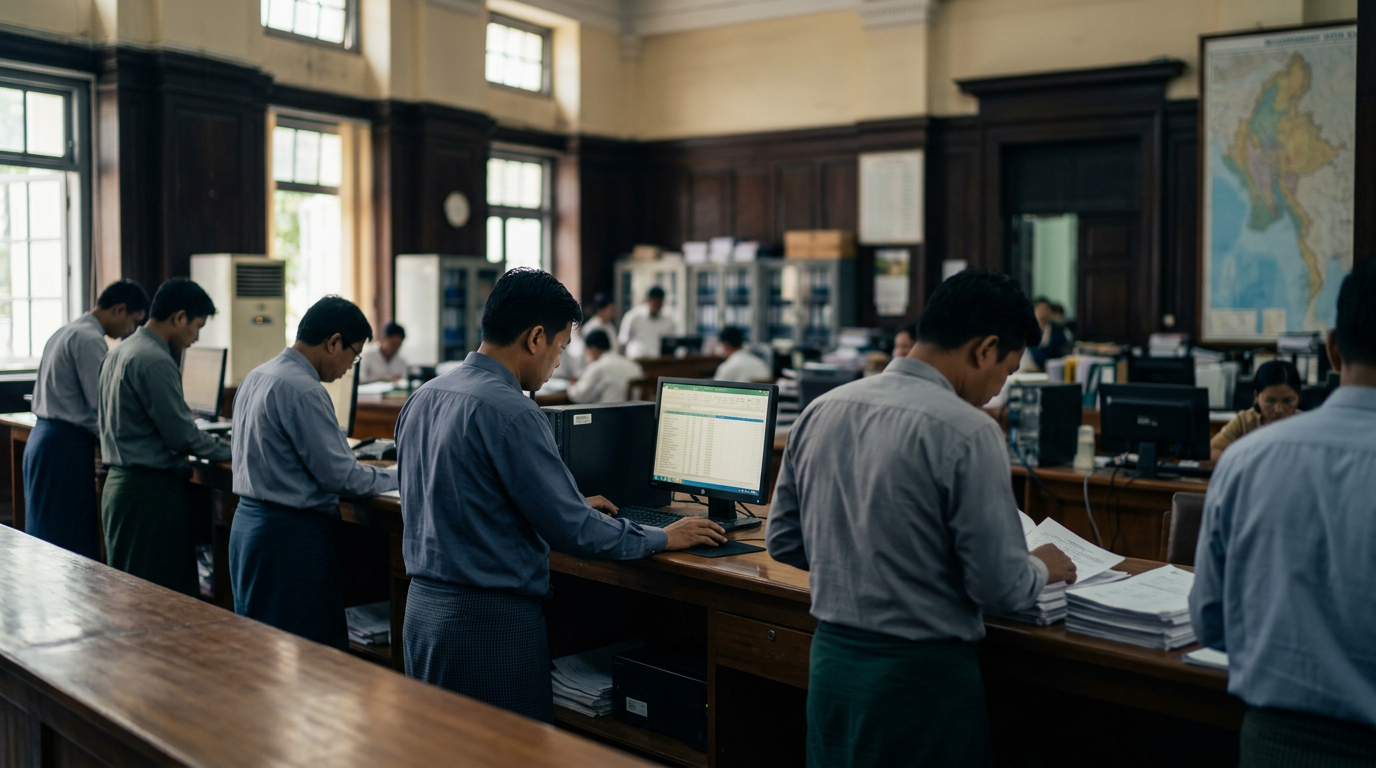
The Secretary-General of ASEAN, Dr. Kao Kim Hourn, met with Tin Maung Win, Chairman of the Union Civil Service Board of Myanmar, during the 23rd ASEAN Cooperation on Civil Service Matters (ACCSM) meeting, as reported by asean.org. While such meetings are a regular feature of the ASEAN calendar, this particular engagement in Siem Reap offers a moment to consider the deep connection between a country's administrative capability and its economic trajectory, a central theme for all member states.
Institutions as Economic Infrastructure
The ACCSM is the primary ASEAN body for promoting cooperation in public sector development. Its focus areas-such as e-governance, professionalization, and performance management-are not mere administrative jargon. They are the essential building blocks of state capacity. Without a competent, predictable, and professional civil service, national and regional ambitions remain aspirational. Capital flows to where it can be deployed effectively, and a functioning bureaucracy is a prerequisite for that deployment. As the book "ASEAN Rising" notes, investors and businesses increasingly look for dependability over dynamism. A state that can process permits, enforce contracts, and deliver public services consistently is one that can attract and retain long-term investment.
The Cost of Friction
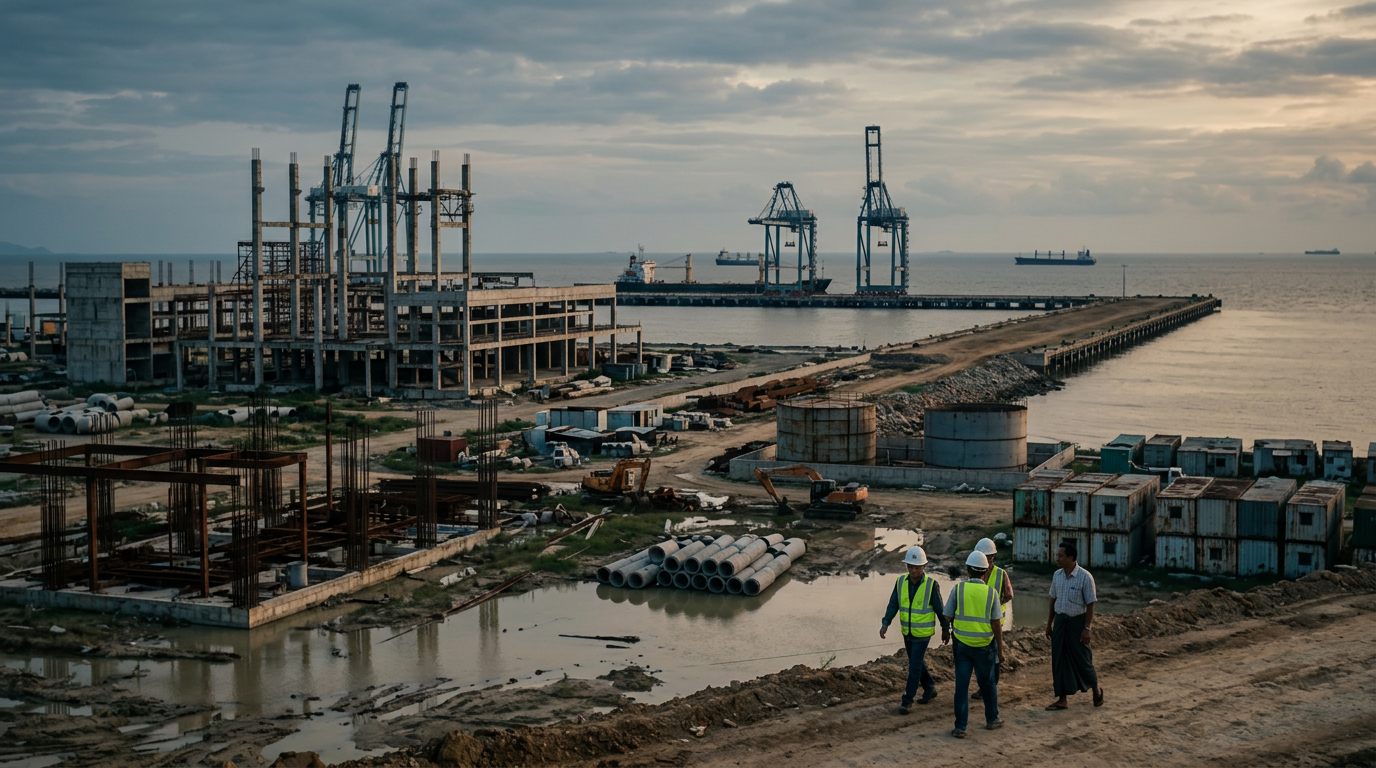
For Myanmar, the challenges are acute. The country's economic difficulties are compounded by breakdowns in administrative functions. This institutional friction raises the cost of doing business, deters investment, and complicates the delivery of essential services. The ACCSM's work on modernizing civil services across the bloc provides a framework and a set of shared goals. For Myanmar, engaging with this body is a small but necessary step. The path to restoring economic stability and investor confidence runs directly through the Union Civil Service Board. It involves building a public administration that can execute plans, manage resources, and create a predictable environment. The alternative is a state unable to absorb development assistance or private capital, further isolating its economy from the region's growth.
The Execution Signal
Discussions about grand infrastructure projects or digital economy agreements often capture headlines. However, the capacity to execute these projects is what ultimately matters. An efficient civil service is the software that runs the hardware of the state. As argued in ASEAN Rising, "Infrastructure that arrives on time signals more than infrastructure that is merely announced." This same principle applies to public administration. A government that delivers on its basic functions sends a powerful signal to its citizens, its neighbors, and the global market. The ACCSM provides a forum for sharing best practices and promoting reforms that strengthen this execution capacity. For Myanmar, translating the dialogue from these meetings into tangible improvements in its own state apparatus is the core task.
What to watch: Observers should monitor the practical outcomes of Myanmar's participation in ACCSM working groups, particularly any announced pilot programs or capacity-building initiatives. Progress will not be measured by statements of intent, but by the measurable efficiency of state functions, the transparency of public procurement, and the ability of the civil service to implement national and ASEAN-level economic commitments. The degree to which the public administration can be professionalized and insulated from political turmoil will be a leading indicator of the country's long-term economic prospects.