Brunei
Brunei, Microsoft, and the Value of a Usable State
Microsoft's expanded partnership with Qcells to develop virtual power plants in Brunei highlights a key theme from ASEAN Rising: "A usable state is often more valuable than an exciting one."
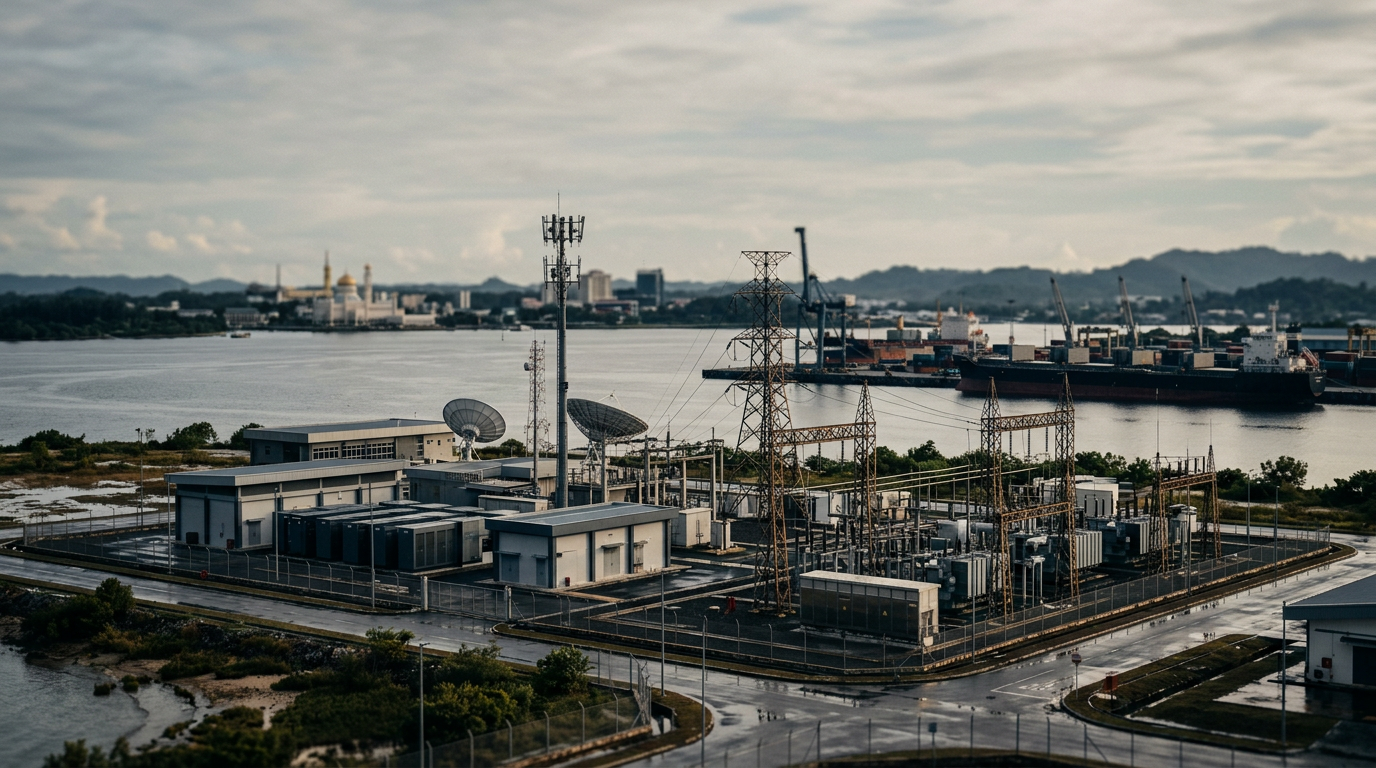
Microsoft's recent expansion of its partnership with solar cell manufacturer Qcells is set to impact Brunei's energy landscape, according to a report from Data Center Dynamics. The collaboration aims to create virtual power plants, a move that aligns with Microsoft's goal to operate its data centers with 100 percent carbon-free energy. For Brunei, this represents a significant step in diversifying its energy sources and demonstrates the growing intersection of digital and energy infrastructure.
Institutions and Infrastructure
The project underscores a central argument of ASEAN Rising: institutional capability is a critical component of economic development. While ambitious announcements often capture headlines, the actual implementation and reliable operation of infrastructure projects are what create lasting value. The partnership between a global technology firm and a specialized manufacturer like Qcells depends on a stable and predictable regulatory environment in Brunei. The ability of the state to facilitate such complex, multi-year projects is a measure of its capacity. A "usable state is often more valuable than an exciting one," and in this context, usability means providing the clear legal frameworks, permitting processes, and grid management that allow such an investment to succeed.
From Capital to Capacity
This initiative is not just about installing solar panels; it is about building a more sophisticated energy management system. Virtual power plants aggregate distributed energy resources, using software to manage their output and provide reliable power to the grid. This requires more than just capital investment. It demands technical expertise, skilled local talent to manage the systems, and a high degree of trust between public and private sector partners. The project serves as a case study for how foreign investment can catalyze the development of local capabilities. Brunei's ability to absorb this technology and integrate it into its national grid will be a testament to its state capacity and a signal to other international investors.
The Signal of Execution
The success of this Microsoft-Qcells venture will be measured not by the initial announcement, but by its execution. As the project moves from planning to operation, its progress will be closely watched by other ASEAN nations grappling with the dual challenges of increasing energy demand and decarbonization. Infrastructure that is delivered and functions as promised sends a powerful signal about a country's investment climate. It demonstrates that the institutions are not just making statements, but are capable of delivering tangible results. This focus on execution over proclamation is what separates states that are merely attracting capital from those that are building a durable comparative advantage.
What to watch: Observers should monitor the specific regulatory adaptations Brunei makes to accommodate this new form of energy infrastructure. The project's impact on local workforce development and the successful integration of the virtual power plant into the national grid will be key indicators of the country's institutional strength and its ability to leverage foreign partnerships for long-term sustainable development.