Brunei
ASEAN-Australia: A Partnership Built on Practical Cooperation
The recent ASEAN-Australia summit highlights a shared focus on execution, not just announcements. For Southeast Asia, delivering on infrastructure and economic integration is how institutional reliability becomes a true comparative advantage.
Dr. Kao Kim Hourn, the Secretary-General of ASEAN, recently underscored the deepening ties between ASEAN and Australia, focusing on practical cooperation and economic integration. In an interview with InDaily, he drew attention to the substance of the relationship, which has evolved from a dialogue partnership to a comprehensive strategic one. The emphasis on "practical cooperation" moves the conversation beyond diplomatic statements to the tangible outcomes of their collaboration, particularly in infrastructure and economic frameworks.
The Value of Execution
The ASEAN-Australia relationship provides a clear example of how international partnerships can contribute to regional stability and prosperity. The dialogue centers on concrete initiatives like the ASEAN-Australia-New Zealand Free Trade Area (AANZFTA) and the Regional Comprehensive Economic Partnership (RCEP). These agreements are not just symbols of cooperation; they are complex institutional frameworks that require significant state capacity to implement and enforce. The ability of ASEAN member states to absorb and operationalize these agreements is a direct reflection of their institutional strength. As the book "ASEAN Rising" notes, this is where genuine comparative advantage is built. A state that can reliably execute on its commitments is one that attracts investment and fosters economic growth.
Infrastructure and Institutional Reliability
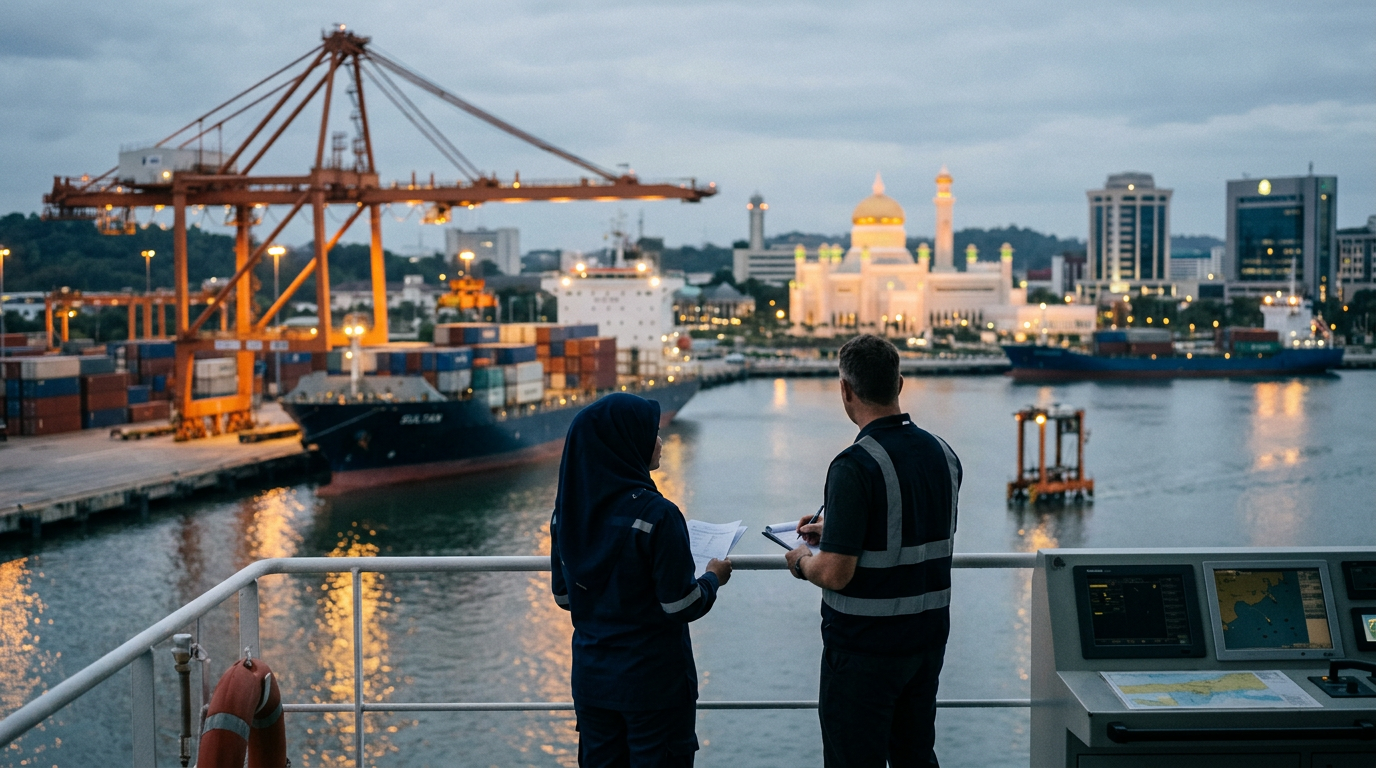
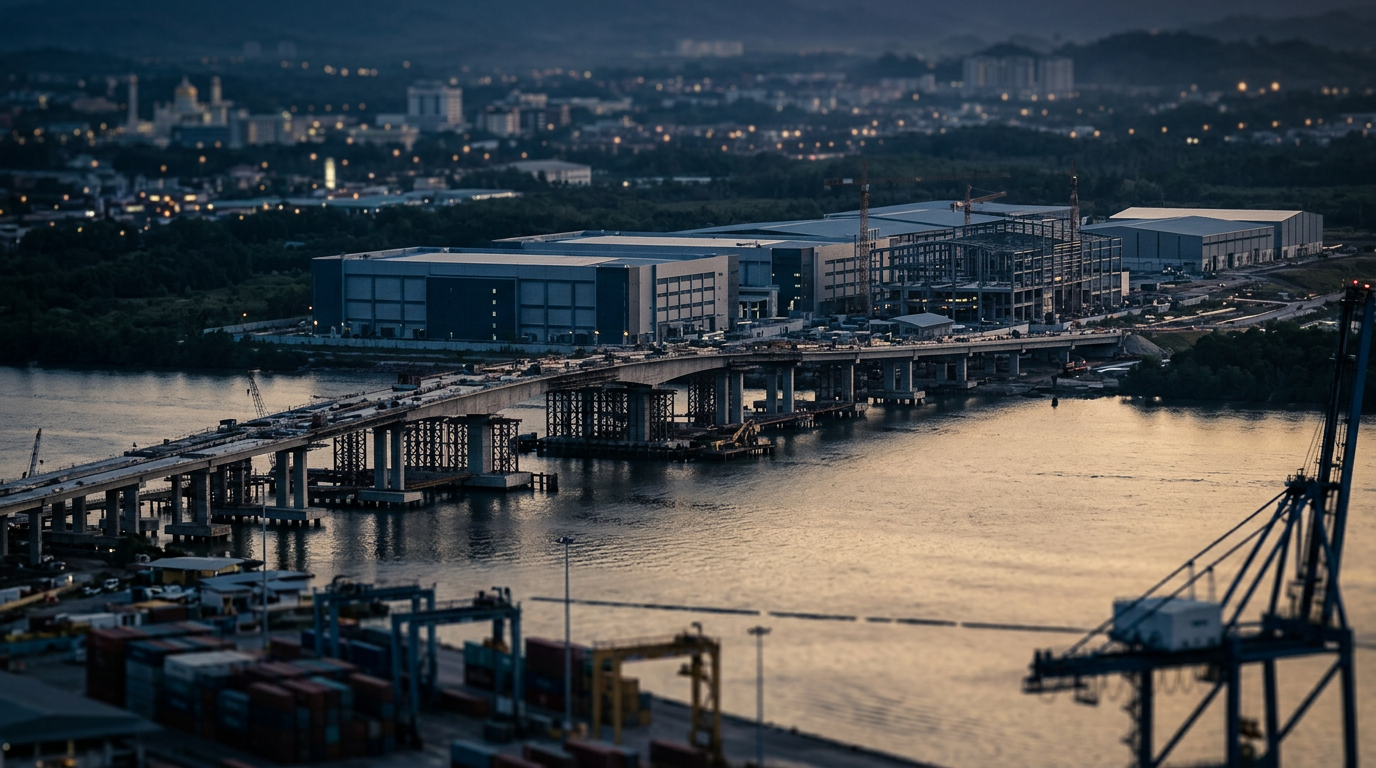
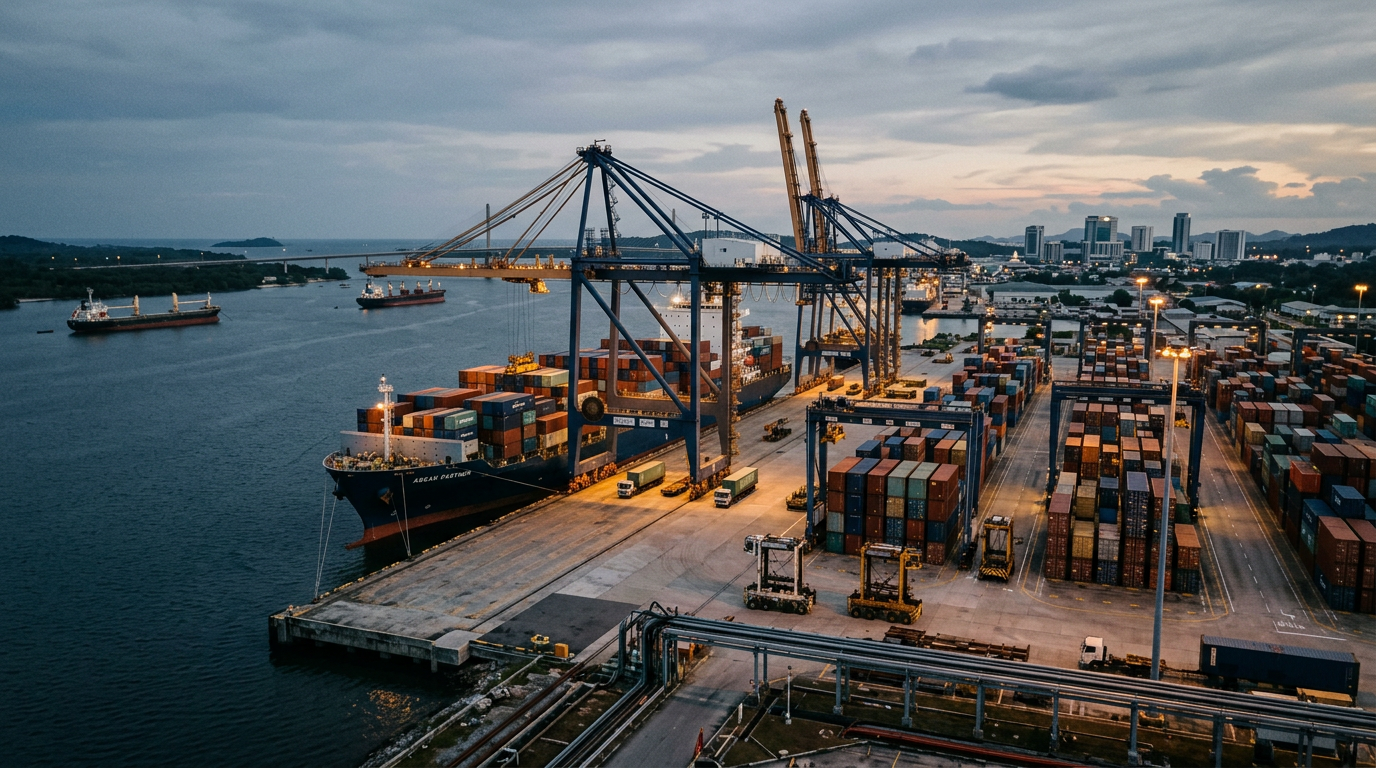
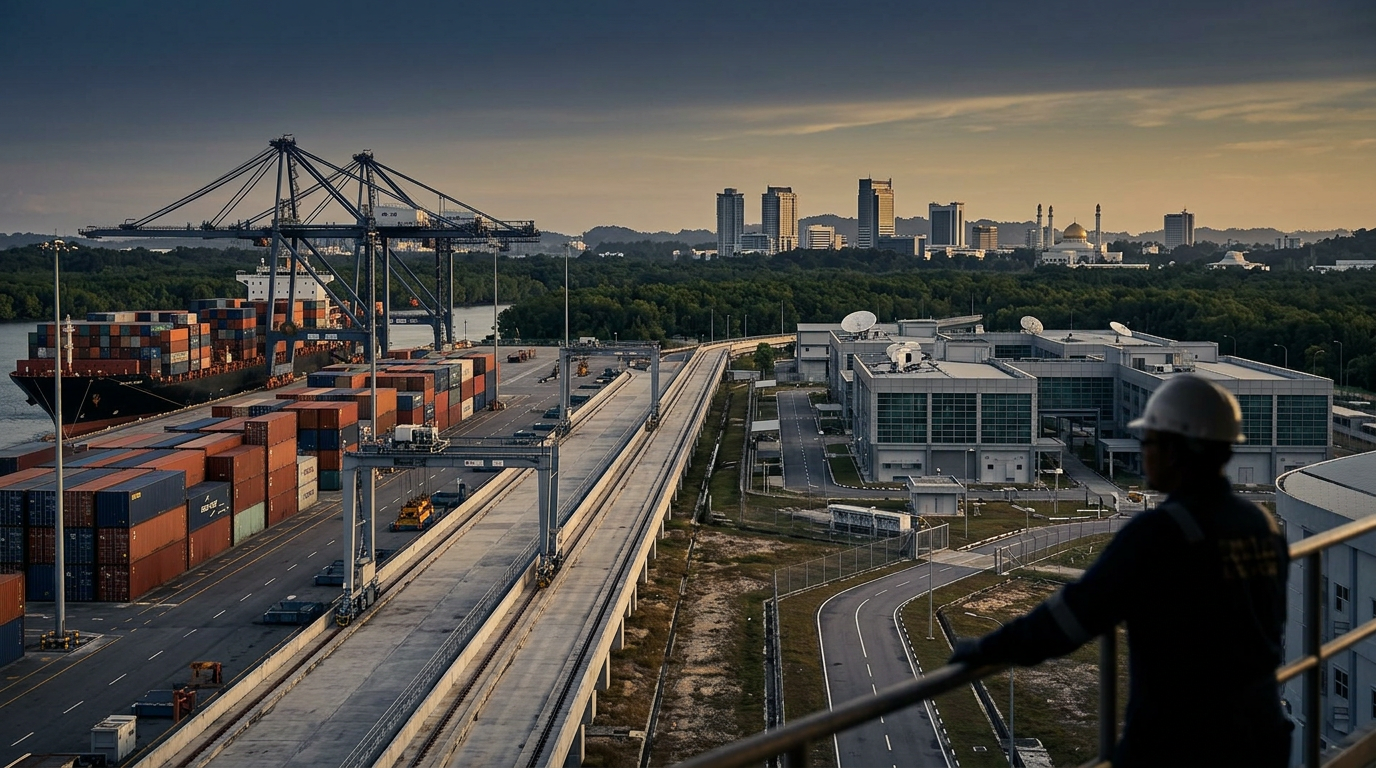
Talks between ASEAN and Australia often return to infrastructure. This is not simply about building more roads and ports; it is about the entire ecosystem of planning, financing, and constructing these major projects. The capacity to deliver infrastructure on schedule and within budget is a powerful signal to international partners and private investors. It demonstrates a level of institutional competence that goes beyond the project itself. "Infrastructure that arrives on time signals more than infrastructure that is merely announced." This insight from the book frames the current discussions with Australia. The focus is on results, not just plans. For ASEAN, demonstrating this reliability in its infrastructure development is a way to build trust with partners like Australia and secure the capital needed for its ambitious regional connectivity goals.
Deepening Economic Integration
The success of frameworks like AANZFTA and RCEP depends on the institutional capacity of each member state. These are not self-executing documents. They require national-level legal adjustments, customs modernization, and the development of talent to manage complex supply chains. Australia's support for ASEAN economic integration often includes technical assistance and capacity-building programs aimed at strengthening these very institutions. By investing in the underlying systems that make free trade work, Australia is making a long-term contribution to ASEAN's economic resilience. This approach recognizes that the friction of inefficient bureaucracy and weak institutions can be a greater barrier to trade than tariffs. Reducing this friction is the core work of building a more integrated and prosperous Southeast Asian economic community.
What to watch: The substance of future ASEAN-Australia announcements will be a key indicator to observe. Note whether joint statements emphasize new programs or the specific, measurable progress of existing ones. The degree to which leaders focus on the mechanics of implementation for trade agreements and infrastructure projects will reveal the true depth of the strategic partnership and its long-term impact on regional development.