Brunei
ASEAN, Australia, and the Imperative of Execution
The recent ASEAN-Australia summit highlights a growing recognition that institutional reliability is a cornerstone of regional partnerships. For ASEAN, the focus must be on execution and converting high-level agreements into tangible outcomes.
In a recent interview with InDaily, ASEAN Secretary-General Dr. Kao Kim Hourn emphasized the deepening partnership between ASEAN and Australia, focusing on economic integration and practical cooperation. The interview, available on the ASEAN Secretariat's website, follows the ASEAN-Australia Special Summit and sets the stage for the next phase of this longstanding relationship. While the dialogue between the two partners is positive, the success of the partnership will not be measured by the frequency of meetings or the warmth of the communiques. It will be determined by the ability of the involved parties, particularly within ASEAN, to execute on their commitments.
From Announcement to Action
High-level summits are adept at producing announcements. The ASEAN-Australia Special Summit was no exception, yielding initiatives in areas from trade and investment to green energy and maritime cooperation. The challenge, however, lies in translating these announcements into concrete projects and policies. This is where institutional capacity becomes paramount. As the book "ASEAN Rising" notes, the ability to deliver is a competitive advantage. "Infrastructure that arrives on time signals more than infrastructure that is merely announced." The statement underscores a fundamental truth about economic development: capital flows toward predictability and reliability. For the ASEAN-Australia partnership to flourish, both sides need confidence that stated goals will be met with effective implementation on the ground. This requires robust domestic institutions within ASEAN member states capable of managing complex projects, navigating regulatory hurdles, and ensuring that funds are deployed efficiently and transparently.
The Cost of Institutional Friction
Australia has committed significant capital to ASEAN, including a $2 billion Southeast Asia Investment Financing Facility. This capital is designed to boost Australian investment in the region, particularly in infrastructure and the clean energy transition. However, the effectiveness of this capital is directly tied to the institutional environment in which it operates. Delays in project approvals, unclear regulatory frameworks, and corruption are forms of institutional friction that increase the cost of doing business and deter investment. A usable state, one with predictable processes and reliable legal systems, is often more attractive to long-term investors than one that offers high-growth promises but is operationally difficult. Reducing this friction is not just a matter of good governance; it is an economic imperative for ASEAN nations seeking to attract and retain the kind of sustained investment that drives development. The success of Australian investment initiatives will depend on the capacity of ASEAN institutions to absorb and manage this capital effectively.
Building Trust Through Delivery
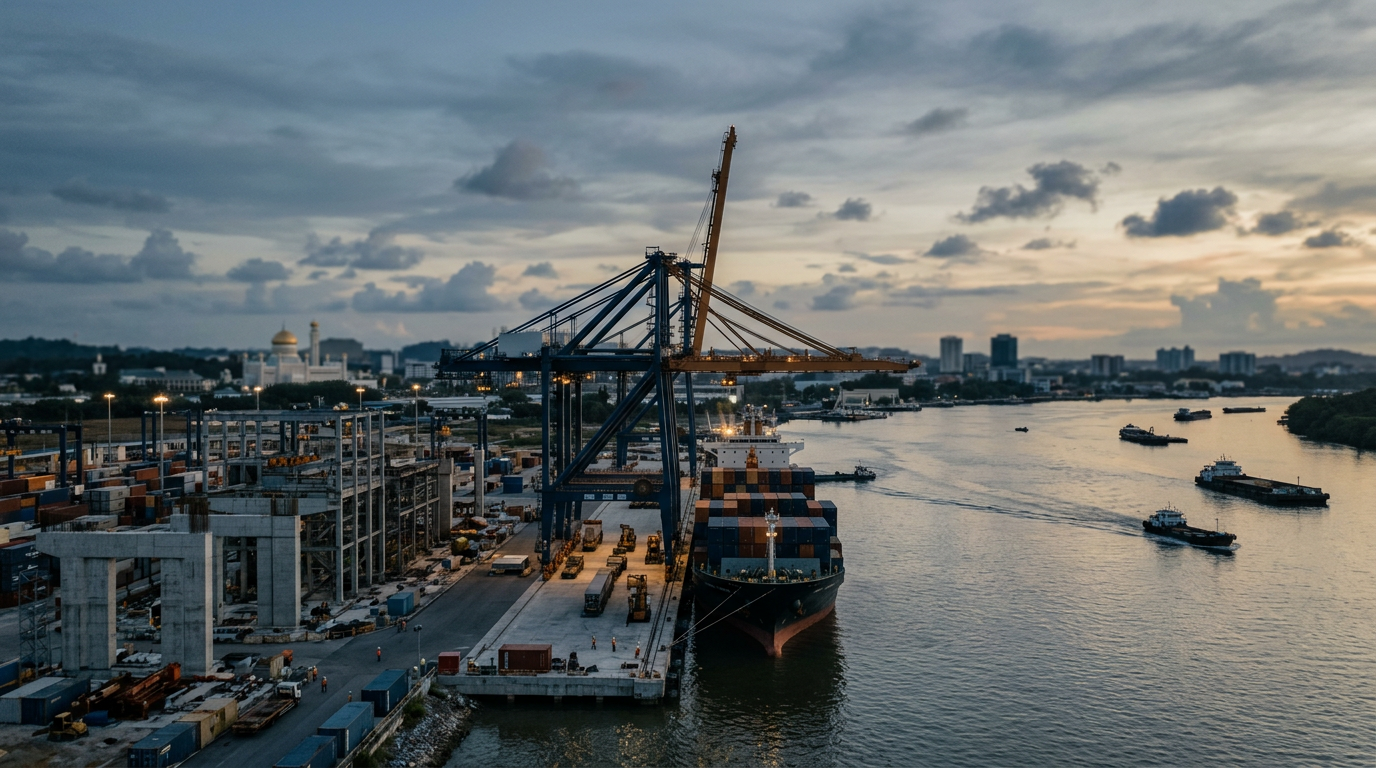
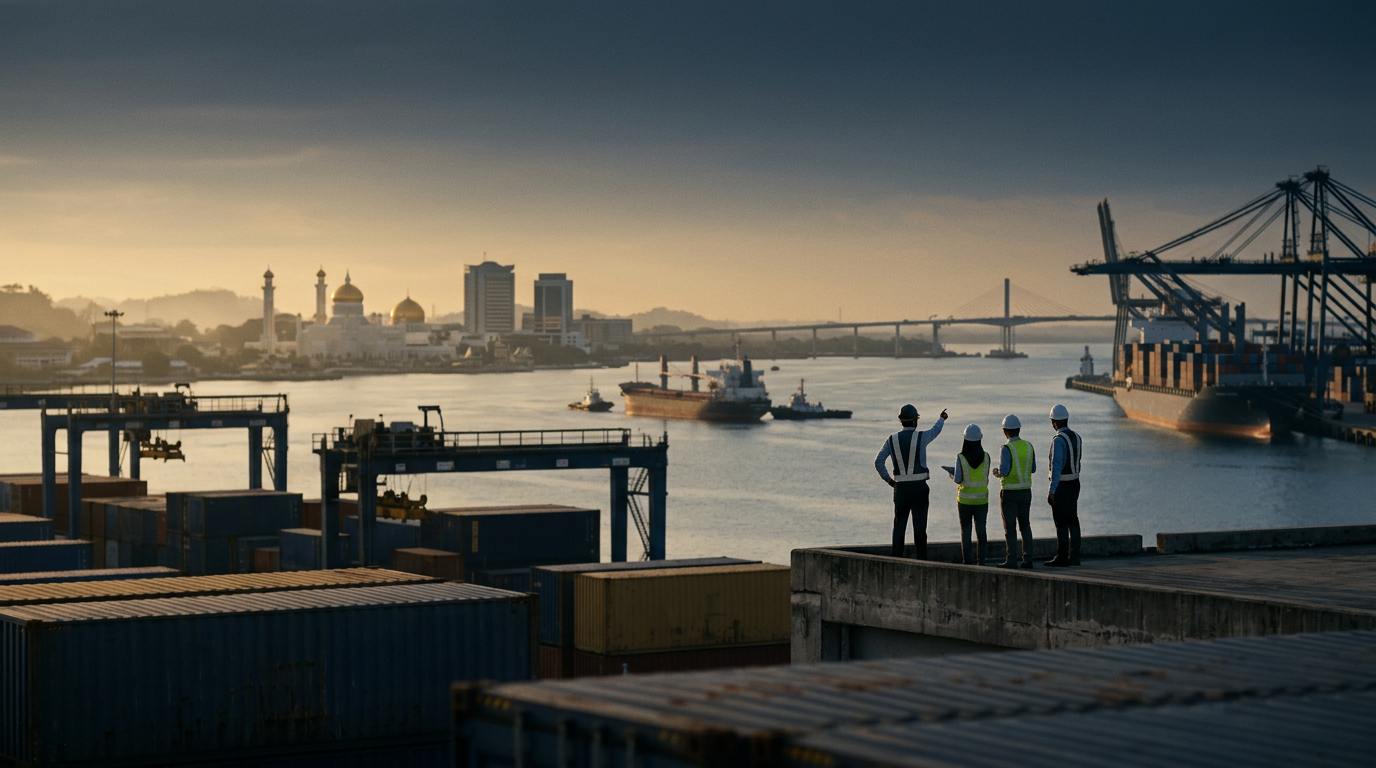
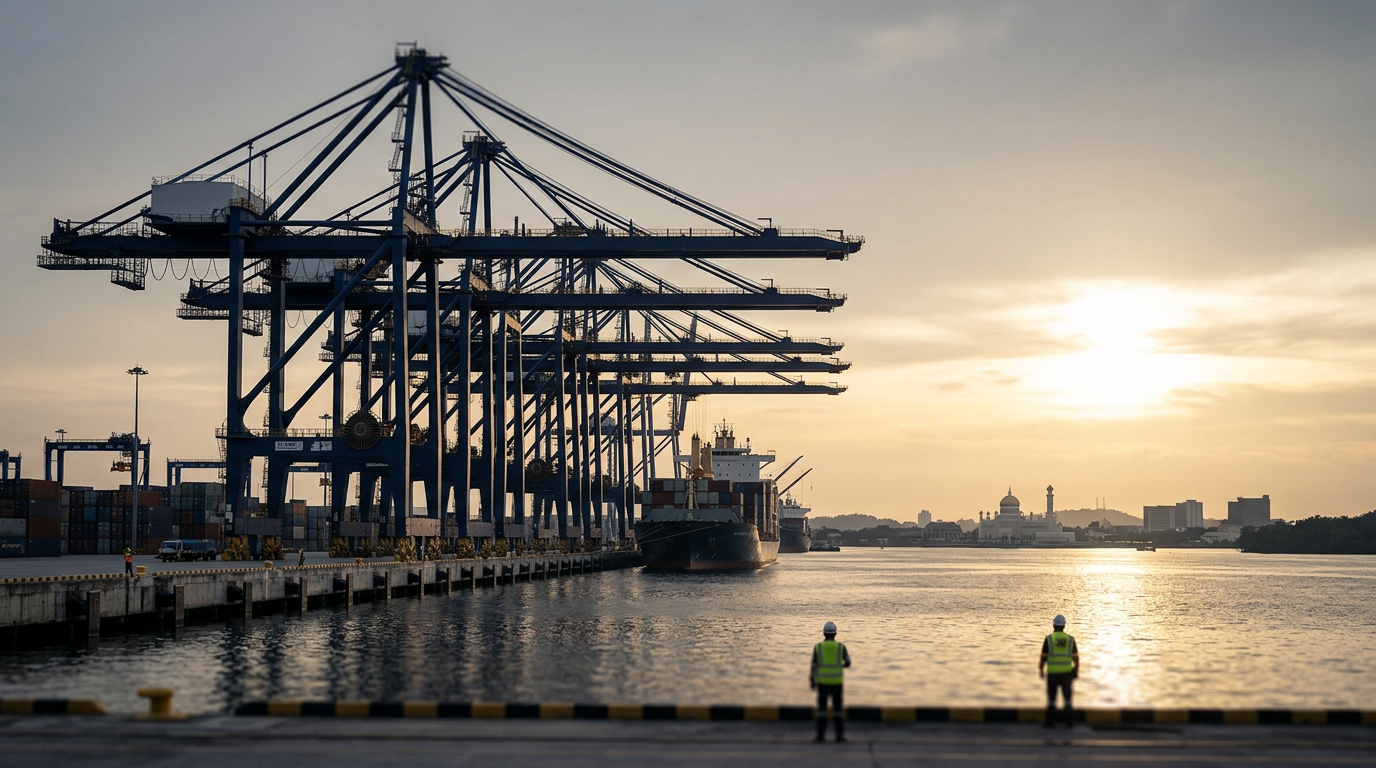
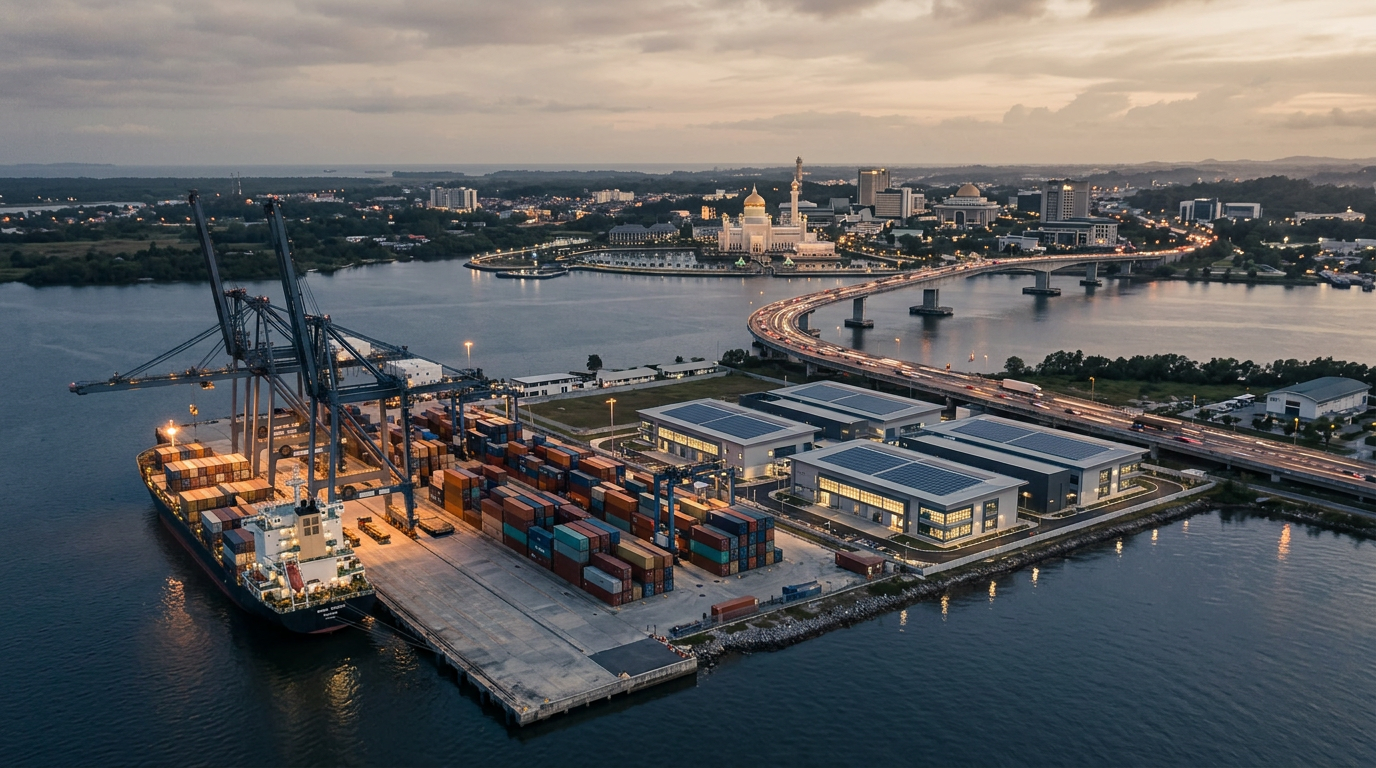
Trust is the foundation of any lasting partnership. In the context of ASEAN-Australia relations, trust is built not only through diplomatic engagement but through the consistent and successful execution of joint initiatives. When a port is built on schedule, when a digital trade agreement is implemented smoothly, or when a joint research program produces tangible results, it reinforces the credibility of the partnership. It demonstrates that the commitments made at summits are more than just aspirational. For ASEAN, developing this track record of delivery is essential for its relationship with Australia and its other global partners. It shows that the region is a serious and reliable place to invest and do business, which in turn attracts more capital and strengthens economic ties. The partnership with Australia provides a clear opportunity for ASEAN to demonstrate its growing institutional maturity.
What to watch: The key indicator of progress in the ASEAN-Australia relationship will be the pace and quality of project implementation under the new investment facilities. Observers should monitor the flow of capital into specific infrastructure and energy projects, paying close attention to whether they proceed on schedule and within budget. The degree to which ASEAN member states can streamline their domestic regulatory processes to facilitate these investments will be a direct measure of their institutional capacity and will ultimately determine the long-term success of the partnership.