Vietnam
Vietnam's FDI Surge Is A Story Of Execution
Foreign investment inflows to Vietnam surged in the first seven months of the year, but turning announcements into realised flows depends on the slower work of improving institutions and infrastructure.
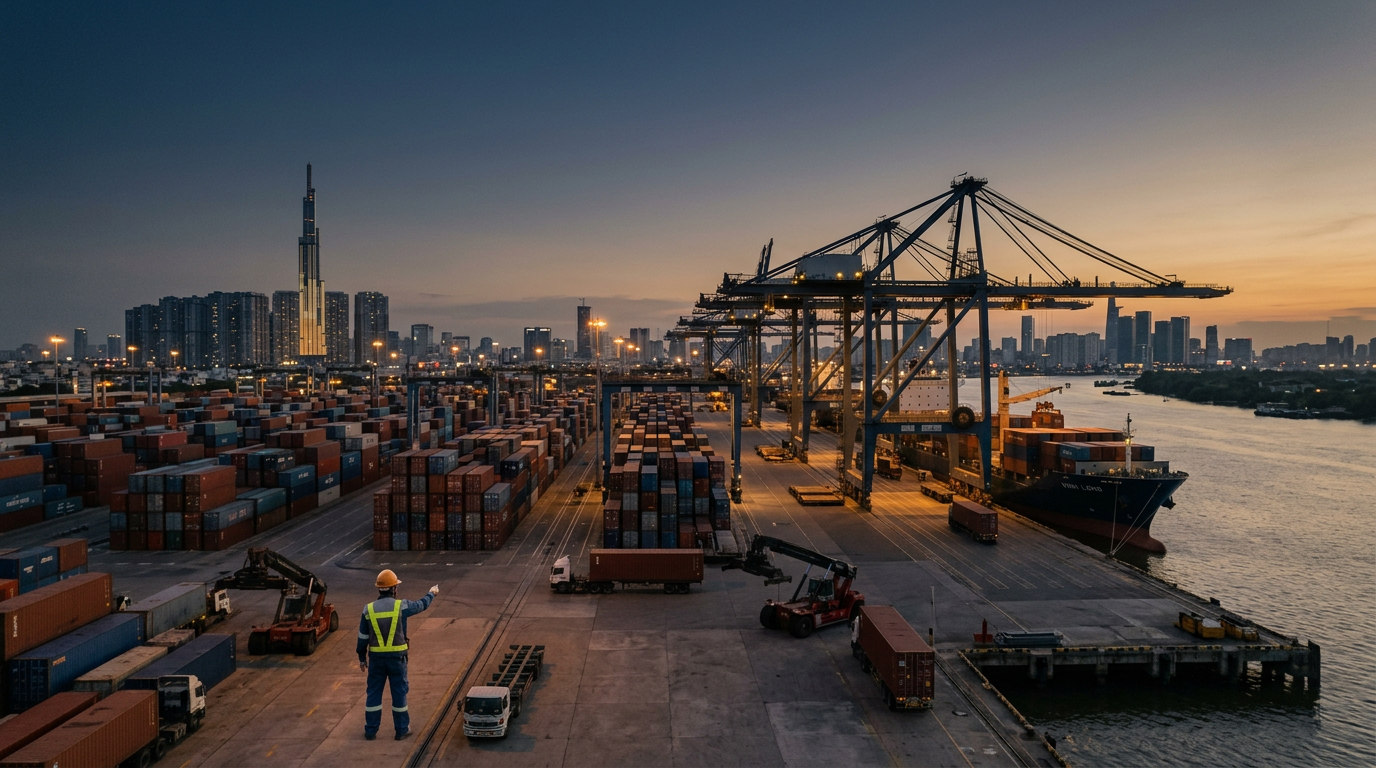
A recent report from Vietnam News highlights a significant increase in foreign investment inflows over the first seven months of the year. According to the article, "Foreign investment inflows to Vietnam surged in seven months" on the back of improved investor confidence. The manufacturing and processing sectors were the primary beneficiaries, attracting 55 percent of new foreign direct investment (FDI) commitments, totaling $11.6 billion. While this headline figure is impressive, it also serves as a reminder that announcements are only the first step. The real work lies in converting these commitments into tangible projects on the ground.
From Announcement to Operation
The journey from an FDI announcement to a fully operational facility is a complex one. As discussed in ASEAN Rising, scale is a significant advantage, but it only translates into economic value when effective institutions are in place to support it. The book notes that "FDI announcements travel quickly. Realised flows depend on the slower work of land, permits, power and talent reaching the ground." This observation is as relevant to Vietnam as it is to Indonesia. Foreign investors are drawn by the promise of a large market and labor force, but their final investment decisions and the speed of their implementation are heavily influenced by the practical realities of doing business.
Successfully absorbing large FDI inflows requires a robust institutional framework. This includes transparent and efficient processes for land acquisition, a streamlined system for issuing permits and licenses, and a reliable supply of essential utilities like electricity. Delays or uncertainties in any of these areas can slow down projects, increase costs, and ultimately diminish the returns for investors. Vietnam's sustained success in attracting manufacturing investment indicates a degree of competence in these areas, but the pressure to maintain and improve this institutional capacity will only grow as the scale of investment increases.
The Talent and Infrastructure Equation
Beyond bureaucratic efficiency, two other factors are essential for turning FDI pledges into productive assets: human capital and infrastructure. The manufacturing and processing industries, which dominate Vietnam's FDI landscape, require a workforce with specific technical skills. As investment pours into higher-value manufacturing, the demand for skilled labor will intensify. This necessitates a responsive education and vocational training system that can equip the local workforce with the capabilities that modern industry requires.
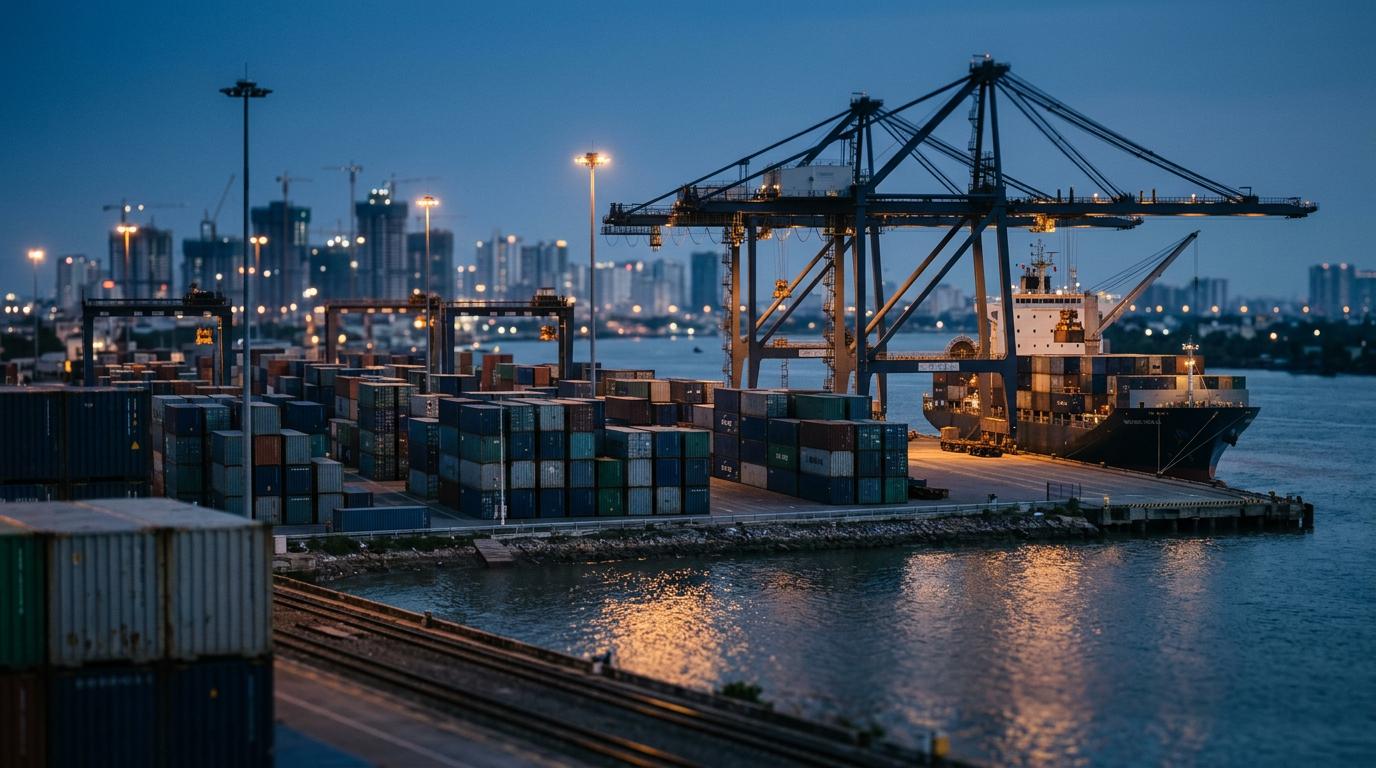
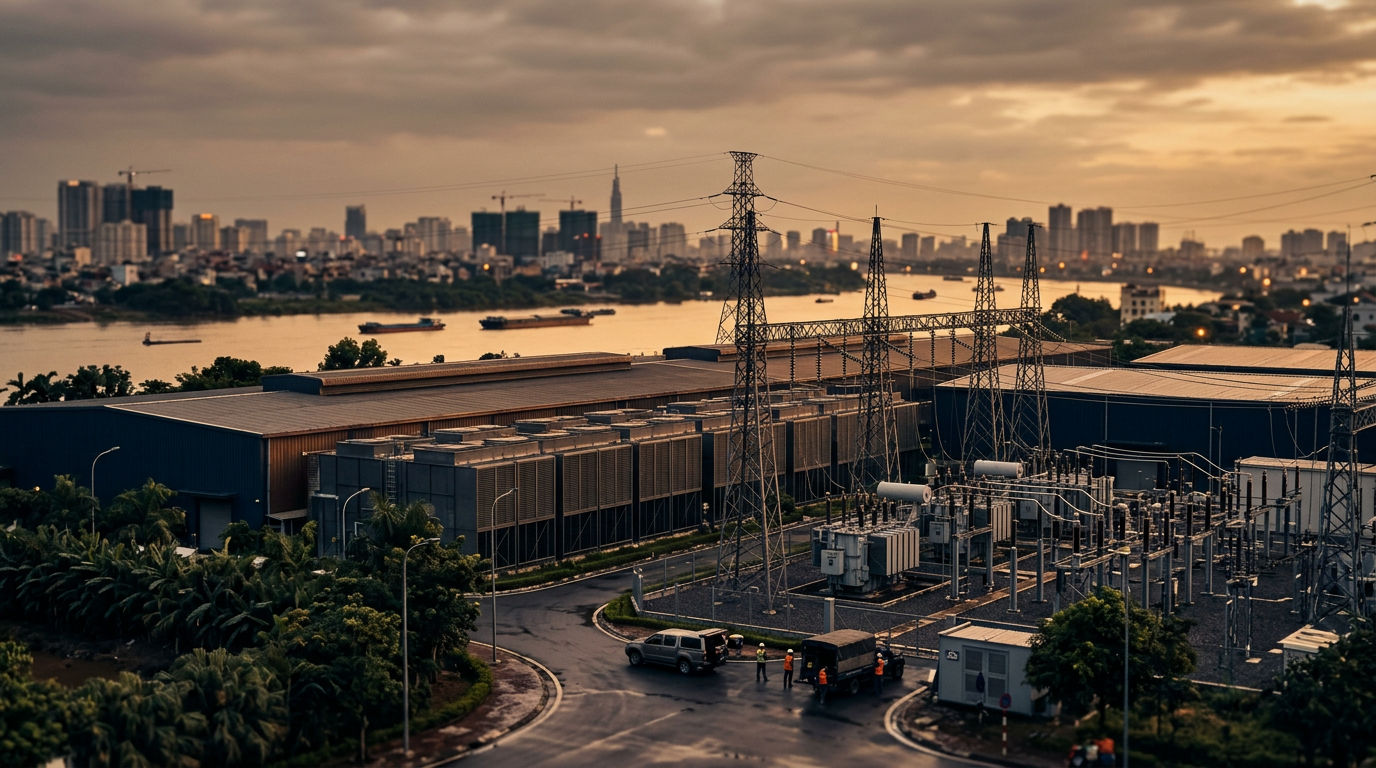
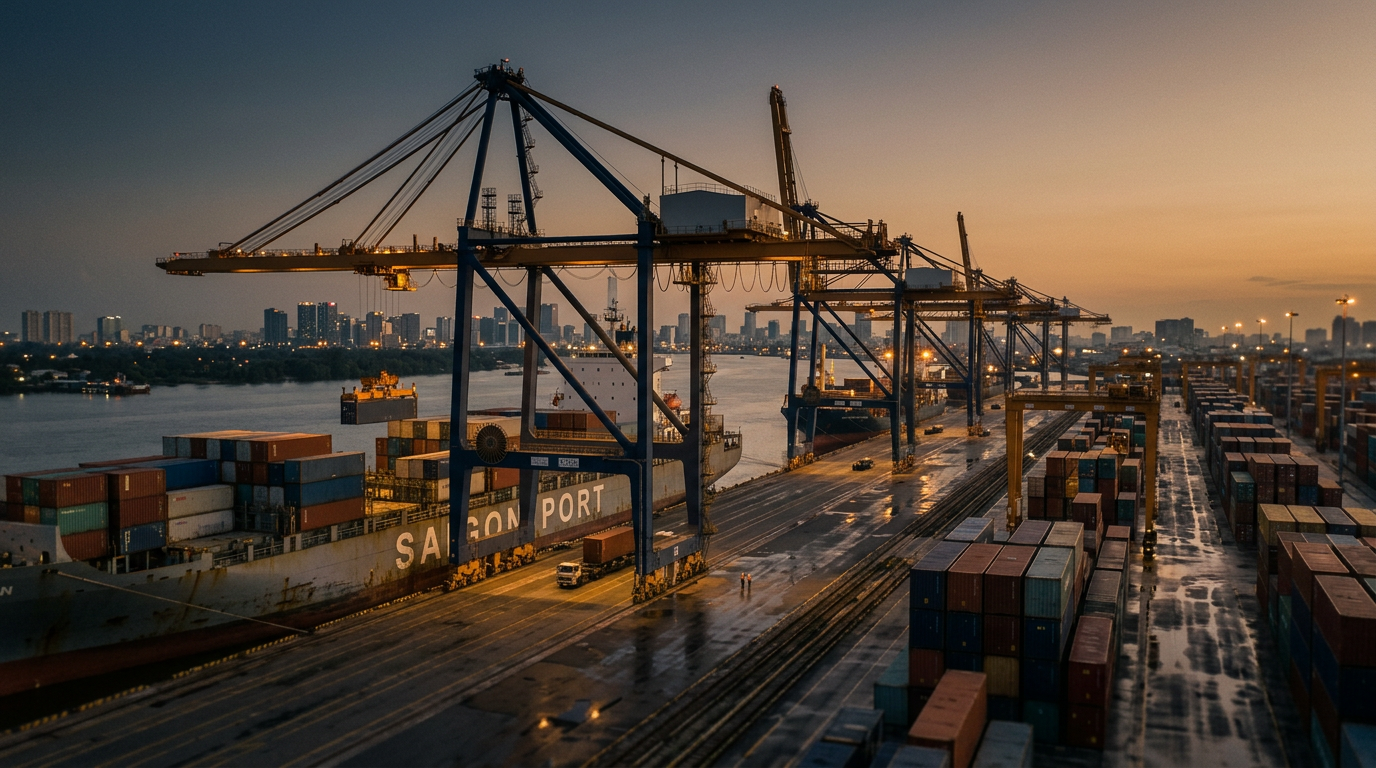
Simultaneously, physical infrastructure must keep pace with industrial growth. Factories cannot operate without reliable power grids, and goods cannot reach global markets without efficient ports, roads, and logistics networks. The surge in FDI commitments is a vote of confidence in Vietnam's long-term prospects, but it is also a demand signal for continued public and private investment in the country's foundational infrastructure. The government's ability to coordinate these long-term projects and ensure they meet the needs of new industrial zones will be a determining factor in how much of the announced FDI translates into lasting economic development. What to watch: The key indicator to monitor will be the rate of disbursement for these newly announced FDI projects. Observers should also track public expenditure on power infrastructure and vocational training initiatives, as these will determine Vietnam's capacity to absorb this new wave of investment and move up the value chain.